
As global temperatures continue to rise, prompting more frequent and intense heatwaves, consumers and the fashion industry alike are increasingly seeking sustainable and comfortable clothing solutions. Linen, a timeless textile crafted from the flax plant, is emerging as a frontrunner, not only for its inherent cooling properties and durability but also for its significantly lower environmental footprint compared to many conventional fabrics. This deep dive explores why linen dresses, curated from brands rigorously rated by Good On You for their impact and transparency, represent a smart, ethical choice for the discerning consumer navigating both climatic challenges and evolving sustainability mandates.
The Enduring Appeal of Linen: A Historical Perspective and Modern Imperative
Linen boasts a rich history, dating back thousands of years to ancient Egypt, where it was revered for its strength, breathability, and luxurious feel. Its resilience allowed it to be preserved for millennia, found draped around mummies and as sails for ancient ships, testament to its enduring quality. Fast forward to the 21st century, and linen’s attributes are more pertinent than ever. In an era dominated by fast fashion and its colossal environmental impact – from excessive water consumption and pesticide use in cotton cultivation to the proliferation of synthetic microplastics – the textile industry is under immense pressure to pivot towards more responsible production methods. Linen, derived from the versatile flax plant, offers a compelling alternative, aligning with growing consumer demand for eco-conscious apparel that does not compromise on style or comfort.
Understanding Flax: The Eco-Friendly Origins of Linen
The environmental advantages of linen begin at the source: the flax plant (Linum usitatissimum). This hardy plant is remarkably resilient, capable of thriving in poor soil conditions with minimal intervention. A significant benefit lies in its water efficiency; flax cultivation requires substantially less water than conventional cotton, with estimates suggesting up to 90% less irrigation. This is particularly critical in regions facing water scarcity. Furthermore, flax typically demands fewer pesticides and fertilisers, reducing the chemical load on agricultural ecosystems. The entire flax plant can be utilised, from its fibres for textiles to its seeds for linseed oil and nutritional supplements, embodying a low-waste philosophy.
However, the journey from flax plant to finished linen fabric is not entirely without its challenges. While cultivation is largely sustainable, certain processing stages, particularly retting (the process of separating fibres from the stalk) and dyeing, can be chemical-intensive. Traditional retting methods, such as dew retting, rely on natural decomposition, but industrial methods often involve chemical baths to accelerate the process. Similarly, synthetic dyes can introduce harmful chemicals into waterways and reduce the biodegradability of the final product. This necessitates a critical focus on certification. Consumers seeking the most sustainable linen should prioritise products certified to credible standards like the Global Organic Textile Standard (GOTS), which ensures organic status of textiles from harvesting of the raw materials through environmentally and socially responsible manufacturing, up to labelling. GOTS certification addresses not only the organic content but also chemical use, water management, and fair labour practices throughout the supply chain.
The Durability Dividend: A Counterpoint to Disposable Fashion
In an industry often criticised for its planned obsolescence and promotion of fleeting trends, linen stands out for its exceptional durability. Linen fibres are inherently stronger than cotton, making linen garments highly resistant to wear and tear. A well-cared-for linen dress can last for many years, even decades, significantly extending its lifecycle and reducing the need for frequent replacements. This longevity directly counters the throwaway culture of fast fashion, which sees millions of tons of textile waste ending up in landfills annually. The investment in a high-quality linen piece, therefore, translates not only into enduring style and comfort but also into a conscious decision against excessive consumption.
The discussion of durability naturally leads to end-of-life considerations. In its natural, undyed, and unbleached state, linen is fully biodegradable and compostable. This means that, unlike synthetic fabrics that persist in the environment for hundreds of years, natural linen can return to the earth without leaving a harmful trace. However, the presence of synthetic dyes, chemical finishes, or fibre blends can compromise this biodegradability. For instance, blending linen with synthetic fibres like polyester, often done to reduce wrinkling or add stretch, renders the garment notoriously difficult to recycle through conventional mechanical means and prevents natural decomposition. This underscores the importance of choosing 100% pure linen wherever possible and investigating the dyeing and finishing processes used by brands.
Navigating the Market: How to Shop for More Sustainable Linen
The burgeoning interest in sustainable fashion has led to an influx of brands claiming eco-credentials. For consumers, discerning genuine sustainability from ‘greenwashing’ can be challenging. This is where independent ratings and certifications become invaluable. Organisations like Good On You assess brands based on comprehensive criteria across environmental impact, labour practices, and animal welfare, providing transparent ratings that empower consumers to make informed choices.
When shopping for sustainable linen, several key pointers emerge:
- Look for Certifications: Prioritise linen certified by GOTS for organic cultivation and processing, or OEKO-TEX Standard 100, which ensures textiles are free from harmful substances.
- Opt for 100% Linen: Fibre blends, especially with synthetics, complicate recycling and biodegradability. Pure linen is generally the most sustainable choice.
- Research Brand Transparency: Choose brands that openly share information about their supply chain, manufacturing processes, and material sourcing. A brand’s commitment to transparency is often a strong indicator of its overall ethical practices.
- Consider Dyeing Methods: While harder to ascertain without explicit labelling, brands using low-impact, natural, or certified non-toxic dyes are preferable.
- Focus on Longevity: Invest in classic, versatile styles that transcend seasonal trends. A durable linen dress should be a long-term wardrobe staple, not a fleeting purchase.
Industry Shift and Consumer Demand: Data-Driven Insights
The global sustainable fashion market is experiencing robust growth, driven by increasing consumer awareness and regulatory pressures. Reports indicate that the market size, valued at approximately USD 8.25 billion in 2023, is projected to expand significantly, with a compound annual growth rate (CAGR) of over 10% in the coming years. This growth is directly influencing textile choices, with natural fibres like linen seeing renewed interest. European linen production, for example, which accounts for a substantial portion of the world’s flax cultivation, benefits from a long-standing tradition of sustainable farming practices.
Furthermore, studies reveal that a significant percentage of consumers, particularly younger demographics, are willing to pay more for sustainable products. A 2023 survey indicated that over 60% of consumers globally consider sustainability as an important factor in their purchasing decisions, a figure that continues to climb. This shift in consumer behaviour is compelling fashion brands, from luxury houses to high-street retailers, to integrate more sustainable materials and ethical practices into their collections. The adoption of linen is a tangible manifestation of this industry-wide transformation, offering a scalable solution for reducing the environmental footprint of clothing production.
Leading the Charge: Brands Championing Ethical Linen Dresses
In response to this evolving landscape, a growing number of brands are integrating ethically sourced and sustainably produced linen into their collections, particularly for summer and holiday wear. These brands are often characterised by their commitment to transparency, certified materials, and fair labour practices, distinguishing them in a crowded market. Good On You, through its independent rating system, highlights companies that meet high standards for environmental impact, worker conditions, and animal welfare (where applicable).
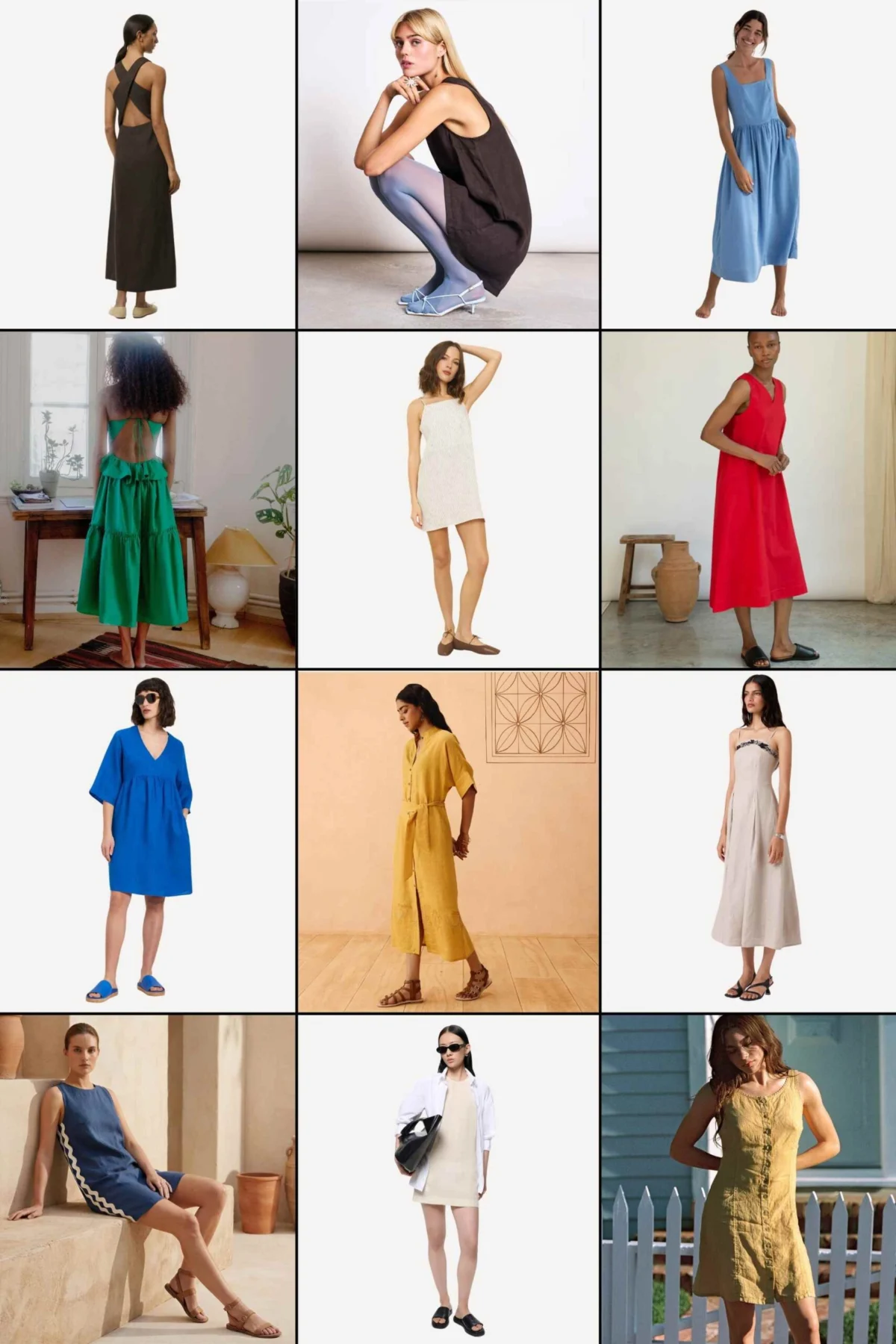
A curated selection of such brands, demonstrating a commitment to sustainable linen dresses, includes:
- Artknit Studios: Known for its timeless designs and focus on natural fibres, Artknit Studios offers linen dresses that blend elegance with eco-consciousness, often featuring certified materials.
- JAN N JUNE: This brand consistently champions minimalist design and sustainable materials, providing chic linen mini dresses with a strong emphasis on transparency in their supply chain.
- TWOTHIRDS: Inspired by marine conservation, TWOTHIRDS uses organic and recycled materials, including high-quality linen, in its collections, embodying a commitment to planetary health.
- OhSevenDays: Specialising in upcycled fabrics, OhSevenDays also incorporates sustainably sourced linen, offering unique designs with a reduced environmental footprint.
- Whimsy + Row: A Los Angeles-based brand dedicated to sustainable manufacturing, Whimsy + Row crafts stylish linen dresses from deadstock and eco-friendly fabrics.
- Beaumont Organic: Blending organic cotton and linen, Beaumont Organic provides comfortable and ethically produced garments, adhering to fair trade principles.
- Lanius: This German brand is a pioneer in eco-fashion, offering GOTS-certified organic linen dresses that combine sophisticated design with stringent sustainability standards.
- Sui: Focused on handmade and nature-inspired designs, Sui creates linen maxi shirt dresses with natural dyes and a strong emphasis on empowering artisans.
- The Summer House: Celebrating traditional Indian craftsmanship and natural fibres, The Summer House offers beautifully embroidered linen dresses, promoting slow fashion.
- SeamsFriendly: This brand provides custom-fit clothing using natural materials like linen, advocating for size inclusivity and sustainable production methods.
- Pangaia: A materials science company, Pangaia innovates with sustainable fabrics, offering A-line linen dresses that are both stylish and consciously produced.
- LA Relaxed: Specialising in comfortable, eco-friendly essentials, LA Relaxed features linen pinafores and other casual linen pieces made with sustainable practices.
These brands exemplify the potential for fashion to be both desirable and responsible, offering consumers choices that contribute positively to environmental and social well-being.
Broader Implications and Future Outlook
The increasing prominence of sustainable linen is more than just a trend; it signifies a broader paradigm shift within the fashion industry. It highlights a growing recognition that profitability and environmental stewardship are not mutually exclusive but rather intrinsically linked for long-term viability. As climate change pressures intensify and consumer awareness deepens, the demand for transparent supply chains, ethical labour practices, and eco-friendly materials will only escalate.
The embrace of linen, with its natural benefits and potential for low-impact production, serves as a powerful model. It encourages innovation in textile processing, particularly in developing greener retting and dyeing technologies. It also fosters greater collaboration between farmers, manufacturers, designers, and consumers to create a more circular fashion economy where materials are valued, reused, and returned to the earth responsibly. The journey towards a fully sustainable fashion industry is ongoing, but the resurgence of linen marks a significant and promising step forward, offering a cool, comfortable, and conscious choice for the seasons to come.