








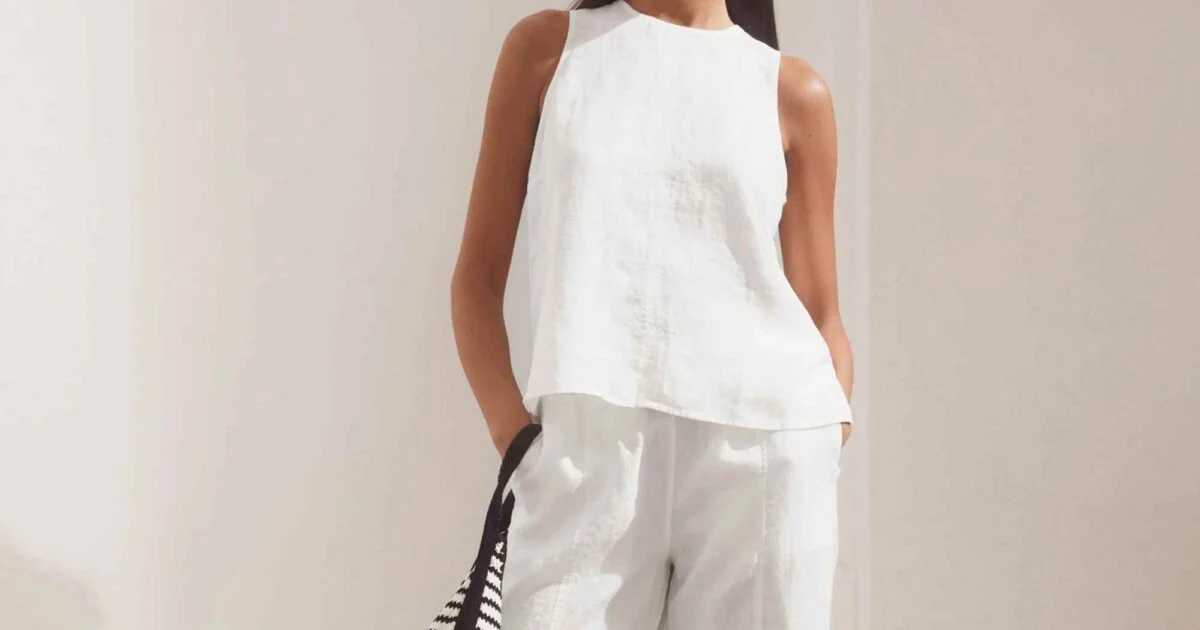
The modern wardrobe staple, trousers, are undergoing a significant transformation, moving beyond mere utility to become a focal point of the burgeoning sustainable fashion movement. From the relaxed silhouette of wide-legs and culottes to the tailored precision of straight fits and the contemporary appeal of barrel-legs, the variety is immense. However, the true measure of a garment’s value increasingly extends beyond aesthetics and immediate comfort to encompass its environmental and social footprint. This shift is driving consumers and industry experts alike to scrutinize production processes and material sourcing, leading to a growing demand for ethical alternatives to the pervasive fast fashion model.
This article delves into the critical importance of choosing sustainable trousers, exploring the detrimental impacts of conventional manufacturing, the emergence of a conscious consumer base, and spotlighting brands that are actively championing transparency, fair labor, and environmental stewardship. It offers a curated selection of brands that have been rigorously assessed for their commitment to better practices, serving as a vital resource for those looking to build a wardrobe that aligns with their values.
The Hidden Costs of Fast Fashion Trousers
The allure of inexpensive, trend-driven clothing has fueled the rapid expansion of fast fashion, but this convenience comes at a steep price for both the planet and its people. Trousers, often made from synthetic fibers like polyester and nylon, epitomize many of these challenges. Polyester, a derivative of petroleum, is not biodegradable and contributes significantly to plastic pollution, particularly microplastic shedding during washing cycles. A single wash of synthetic clothing can release hundreds of thousands of microfibers into waterways, ultimately entering food chains and ecosystems. Furthermore, the production of these materials is energy-intensive, relying heavily on fossil fuels and contributing to greenhouse gas emissions.
Beyond material concerns, the manufacturing process for conventional trousers frequently involves chemical-laden dyes and finishes, which pollute local water sources and pose health risks to garment workers. The global supply chains are often opaque, making it difficult to trace the origins of fabrics and ensure ethical labor practices. Reports from various labor rights organizations, such as the Clean Clothes Campaign, consistently highlight issues like unfairly low wages, excessive working hours, unsafe factory conditions, and the suppression of workers’ rights in many garment-producing regions. The fast fashion cycle, characterized by rapid trend turnover and planned obsolescence, also generates immense textile waste. The Ellen MacArthur Foundation estimates that less than 1% of clothing is recycled into new garments, with the vast majority ending up in landfills or incinerated, exacerbating environmental degradation. This linear "take-make-dispose" model is simply unsustainable in the long run.
The Rise of Ethical Fashion: A Paradigm Shift
In response to these pressing concerns, the ethical and sustainable fashion movement has gained considerable momentum over the last decade. What began as a niche interest has evolved into a significant market segment, driven by increasing consumer awareness and a desire for greater transparency. Industry reports, such as those from the Business of Fashion and McKinsey & Company, indicate a clear trend: consumers, particularly younger demographics, are increasingly willing to pay more for products that are ethically produced and environmentally responsible. A 2023 study revealed that over 60% of consumers consider sustainability when making purchasing decisions, a figure that continues to climb.
Organizations like Good On You play a pivotal role in this landscape. By providing comprehensive, evidence-based ratings of fashion brands’ impact on people, the planet, and animals, they empower consumers to make informed choices. This rigorous assessment system evaluates brands across various criteria, including their environmental policies, labor conditions, and animal welfare practices, assigning a clear rating that cuts through marketing jargon. This transparency is crucial in a market where "greenwashing"—the practice of making unsubstantiated or misleading claims about environmental benefits—is a persistent challenge.
The shift towards ethical fashion is not merely about avoiding harm; it’s about actively fostering positive change. This includes prioritizing materials that have a lower environmental footprint (e.g., organic cotton, hemp, recycled fibers, TENCEL™ Lyocell), implementing circular design principles (e.g., zero-waste cutting, designing for durability and recyclability), ensuring fair wages and safe working conditions throughout the supply chain, and investing in community development initiatives.
Defining Ethical Trousers: Key Considerations
When seeking out a new pair of trousers, the ethical consumer considers several crucial factors:
- Material Sourcing and Impact: The choice of fabric is paramount. Organic cotton, grown without harmful pesticides or synthetic fertilizers, significantly reduces water pollution and soil degradation. Hemp, a fast-growing plant requiring minimal water and no pesticides, offers exceptional durability and breathability. Recycled materials, such as recycled polyester or regenerated nylon, divert waste from landfills and reduce the demand for virgin resources. Innovative cellulosic fibers like TENCEL™ Lyocell, derived from sustainably managed forests using a closed-loop production process, offer a soft, durable, and eco-friendly alternative. Conversely, avoiding conventional synthetic fibers or demanding transparency on their recycling potential is key.
- Manufacturing Processes: Ethical brands often prioritize manufacturing processes that minimize resource consumption (water, energy), reduce chemical use, and manage waste effectively. This can include using renewable energy sources, water-saving dyeing techniques, and closed-loop systems that recapture and reuse resources.
- Labor Justice and Transparency: A commitment to fair labor practices is non-negotiable. This involves ensuring living wages, safe and healthy working conditions, reasonable working hours, and the right to collective bargaining for all workers in the supply chain. Brands that provide full transparency about their factories and suppliers, often through certifications like Fair Trade or SA8000, demonstrate a higher level of accountability.
- Durability and Longevity: A cornerstone of sustainable fashion is creating garments that last. High-quality construction, durable fabrics, and timeless designs encourage consumers to buy less and wear their clothes longer, thereby reducing overall consumption and waste. Ethical trousers are an investment, designed to withstand years of regular wear, often with the option for repair.
- Circular Economy Principles: The most progressive brands are embracing circularity, designing products with their end-of-life in mind. This means creating garments that can be easily repaired, reused, or recycled back into new materials, minimizing waste and resource depletion.
Leading the Charge: Brands Championing Ethical Trousers
Our editors have meticulously curated a selection of highly-rated brands from Good On You’s extensive directory. These businesses represent the vanguard of sustainable fashion, each demonstrating a profound commitment to ethical practices, transparency, and innovation. They showcase a diverse range of approaches, from pioneering material science to championing artisan crafts and ensuring robust labor rights.
Afends: The Hemp Revolutionaries
Born in Byron Bay, Australia, Afends is a leading proponent of hemp fashion, drawing inspiration from surf culture, streetwear, and the environment. Their mission revolves around creating sustainable clothing through innovation and positive change. A testament to their commitment, Afends purchased 100 acres of farmland, Sleepy Hollow, to cultivate their own hemp crops, igniting what they term the "hemp revolution." This vertical integration allows them greater control over their supply chain and raw material quality. Afends offers a broad range of styles, reflecting their ethos of sustainability without compromising on contemporary design. Their commitment extends to their entire collection, available in sizes XS-XL, proving that ethical fashion can be accessible and stylish.
ISTO.: Timeless Staples with Radical Transparency
The Portuguese brand ISTO. operates on a simple yet powerful mandate: to create seasonless clothing that serves as enduring wardrobe staples. Eschewing the fast fashion cycle of multiple collections per year, ISTO. focuses on quality over quantity, striving to make its core items permanently available. They exclusively use organic materials and are renowned for their radical transparency, providing customers with a detailed breakdown of the true cost of each garment. This includes material costs, labor, transportation, and profit margins, offering unprecedented insight into the value chain. Available in sizes XS-XL, ISTO. exemplifies how a focused approach can deliver both quality and ethical integrity.
IRO IRO: Circular Design and Artisan Craft
Based in Jaipur, India, IRO IRO stands as a circular design collective deeply committed to low-waste design and cutting principles. They champion lower-impact materials and celebrate traditional crafts indigenous to India, integrating them into their contemporary designs. Their approach minimizes textile waste from the outset, transforming remnants and offcuts into new creations. By supporting local artisans, IRO IRO also contributes to the preservation of cultural heritage and provides dignified employment opportunities. Their range, available in sizes XS-XXL, demonstrates that sustainable fashion can be both innovative and deeply rooted in cultural tradition.
WE-AR4: Rescuing Luxury Materials
US-based WE-AR4 redefines sustainable luxury by rescuing existing high-quality leathers and luxury textiles that are leftovers from other brands. Founded by fashion industry veterans, their philosophy is to give these materials new life, merging intelligent design with uncompromising style. This "thrifting" of luxury discards significantly reduces waste and the demand for new material production. In addition to their upcycling efforts, they also incorporate certified lower-impact materials into their collections. WE-AR4’s range, offered in sizes XS-L, proves that environmental responsibility can be seamlessly integrated with high-end aesthetics.
SANTICLER: Modern Silhouettes with Intentional Production
SANTICLER, a US-based label, specializes in timeless womenswear, curating modern silhouettes with a strong emphasis on sustainability. As an early advocate for slow fashion, the brand’s collections are designed and produced with the explicit intention to reduce waste. They predominantly use lower-impact materials such as GOTS-certified cotton and responsibly sourced wool, ensuring that their environmental footprint is minimized. SANTICLER’s focus on creating enduring pieces that transcend fleeting trends underscores their commitment to thoughtful consumption. Most items are available in sizes XS-L.
Opera Campi: Italian Craftsmanship and Social Impact
Founded in Italy in 2017, Opera Campi creates premium quality garments from locally-sourced raw materials. The brand adopts a balanced approach to sustainability, making conscious choices across its entire supply chain, from fiber to finished product. Their dedication extends beyond environmental considerations, as they generously donate 4% of their profits to social causes, demonstrating a holistic commitment to ethical business practices. Opera Campi is also commendably inclusive, offering a wide size range from 3XS-3XL, making sustainable fashion accessible to a broader audience.
OhSevenDays: Circularity from Fast Fashion’s Leftovers
Australian-Canadian Megan Mummery founded OhSevenDays to champion slow fashion and the "power of circularity." Operating from Istanbul, the brand ingeniously reclaims end-of-roll fabrics from the city’s vast garment factories. These "leftovers" from fast fashion production are then transformed into sharp, everyday womenswear that is both wearable and responsible. This innovative approach directly addresses textile waste, making slow fashion from materials that would otherwise be discarded. OhSevenDays’ garments are available in sizes XS-XL, with the additional option of custom sizing, highlighting their adaptive and customer-centric model.
Näz: Timeless Portuguese Design
Näz is a Portuguese brand dedicated to crafting timeless womenswear using lower-impact materials. Their design philosophy prioritizes longevity and versatility, ensuring that their pieces remain relevant and cherished for years to come. By focusing on essential designs and responsible material choices, Näz contributes to a more sustainable fashion ecosystem. Most garments are available in sizes S-L, catering to a specific market while maintaining their commitment to ethical production.
tentree: Planting for the Future
Canadian brand tentree has made an extraordinary commitment to environmental regeneration: planting ten trees for every item purchased. To date, they have planted over 65 million trees, actively contributing to ecosystem restoration and providing crucial planting jobs in communities worldwide. Every tentree product is created with an Earth-first approach, meaning production occurs under fair and safe working conditions, utilizing lower-impact and recycled materials. Their unwavering dedication to reforestation sets them apart as a leader in environmental stewardship. tentree’s clothes are typically available from XS-XL, offering sustainable options for a wide customer base.
Jyoti – Fair Works: Empowering Marginalized Communities
Jyoti – Fair Works, based in Germany, produces GOTS-certified cotton products with a strong social mission. They provide meaningful employment opportunities for individuals from marginalized or disadvantaged groups in India, fostering economic empowerment and social equity. Their commitment to GOTS certification ensures that their cotton is organically grown and processed, adhering to strict environmental and social criteria. Jyoti – Fair Works embodies the principle that fashion can be a powerful tool for social change. Sizes available are S-XL.
Toad&Co: Adventure-Ready and Environmentally Conscious
Toad&Co is a US brand committed to socially and environmentally minded practices, creating women’s and menswear that is equally suited for outdoor adventures and casual urban life. Their focus on durable, high-quality garments that last ensures a reduced environmental footprint. Toad&Co actively seeks out lower-impact materials and maintains transparency in its supply chain, appealing to consumers who value both performance and planetary well-being. Most items are available in sizes XS-2XL.
Seek Collective: Authenticity and Artisan Partnerships
Seek Collective, a US brand, crafts thoughtfully made items with a deep dedication to transparency, authenticity, craft, and sustainability. They prioritize establishing meaningful connections between art, product, consumers, process, and makers. Their garments are produced in India through partnerships with like-minded communities and people, ensuring ethical production and supporting traditional craftsmanship. This collaborative approach fosters fair labor and preserves artisanal skills. Most products are available in XS-L, with an extended sizing range up to 4XL, demonstrating a commitment to inclusivity.
LA Relaxed: Simplicity, Sustainability, Style
"Simplicity, sustainability, style" is the guiding motto of LA Relaxed. This brand significantly reduces its climate impact by utilizing renewable energy throughout its supply chain. They incorporate lower-impact materials such as organic cotton and TENCEL™ Lyocell, prioritizing environmental responsibility in their fabric choices. LA Relaxed offers comfortable, stylish, and eco-conscious options for everyday wear, embodying a relaxed yet responsible aesthetic. The collection is available in sizes XS-XL.
The Broader Implications and Consumer Empowerment
The proliferation of ethical brands specializing in trousers signals a broader shift within the fashion industry. It demonstrates that profitability and sustainability are not mutually exclusive but can, in fact, be mutually reinforcing. As consumer demand for ethical products continues to grow, more brands are compelled to re-evaluate their practices, leading to greater innovation in material science, more transparent supply chains, and improved labor conditions across the sector.
However, challenges remain. Scaling sustainable production to meet global demand, addressing the complexities of textile recycling, and ensuring universal fair labor practices are ongoing efforts. Yet, the collective action of consumers has proven to be a powerful catalyst for change. By choosing to invest in ethical trousers from brands like those highlighted here, individuals not only acquire durable, high-quality garments but also actively support businesses that are striving for a more equitable and sustainable future. This conscious consumption sends a clear message to the wider industry: transparency, ethics, and environmental responsibility are no longer optional but essential components of modern commerce. The long-term implications are profound, promising a future where fashion contributes positively to society and the environment, rather than detracting from it.
Editor’s Note: Feature image via Armedangels, all other images via brands mentioned. Good On You publishes the world’s most comprehensive ratings of fashion and beauty brands’ impact on people, the planet, and animals. Use our directory to search thousands of rated brands and explore their sustainability credentials. This article was last updated on May 11, 2026, with regular reviews by our editors to ensure the information, brand selections, and product recommendations remain current and accurate.