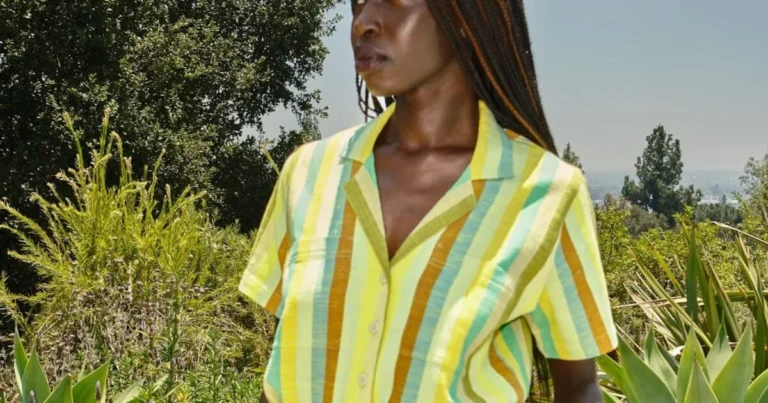











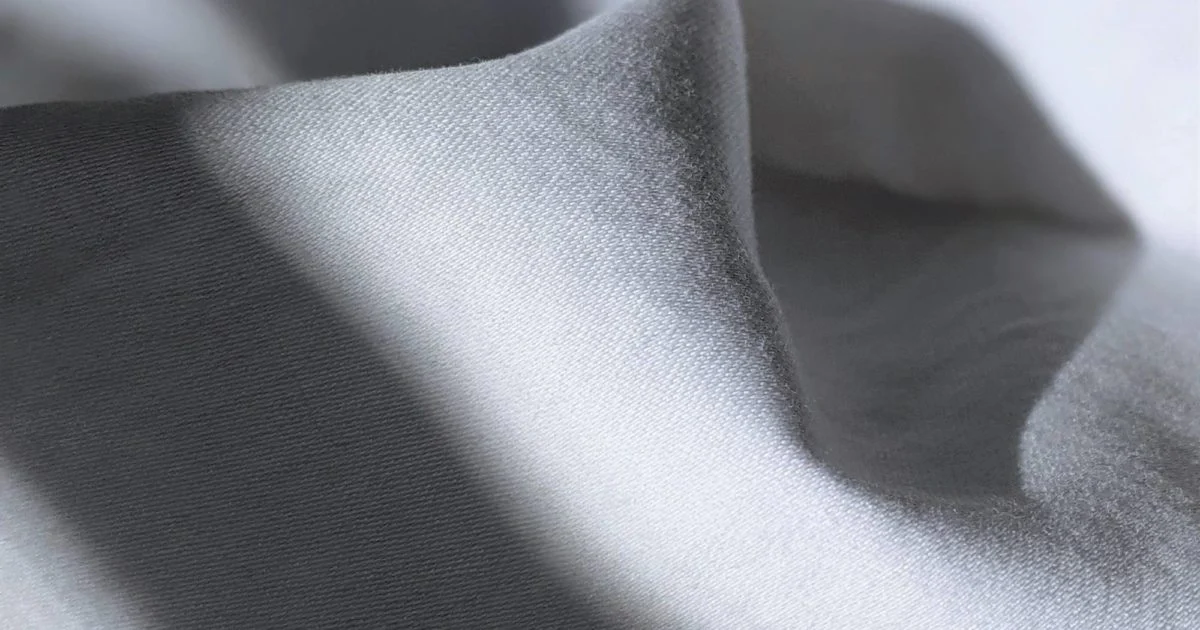
Viscose, also widely recognized as rayon, stands as one of the most pervasive materials within the global fashion industry. Classified as a man-made cellulosic fibre (MMCF), its origins trace back to natural cellulose derived primarily from trees. This fundamental characteristic often leads to its misperception as an inherently sustainable material, yet a deeper examination reveals a complex environmental profile that has positioned viscose at the forefront of critical environmental discussions within the textile sector.
The Ubiquity and Appeal of Viscose in Fashion and Beyond
Viscose’s widespread adoption stems from its desirable properties and economic viability. It is frequently presented as a more sustainable alternative to conventional cotton or synthetic polyester, and its ability to mimic the luxurious drape and feel of silk at a significantly lower cost has made it a popular substitute. This versatility allows viscose to be incorporated into a vast array of garments, from flowing summer dresses and skirts to soft blouses and even synthetic velvets. Beyond apparel, viscose’s applications extend into upholstery, bedding, and carpets, underscoring its broad industrial utility. According to data compiled by Textile Exchange, viscose commands an approximate 80% market share among all man-made cellulosic fibres produced globally, a testament to its dominant position in the industry.
A Glimpse into Viscose’s Genesis: From Experiment to Industry Staple
The journey of viscose rayon from a scientific curiosity to a commercial textile is marked by innovation and adaptation. The initial breakthrough is credited to French scientist and industrialist Hilaire de Chardonnet (1839-1924). Driven by the ambition to create a more affordable alternative to natural silk, Chardonnet developed the first commercial viscose fibre. However, early iterations of the fabric suffered from extreme flammability, posing significant safety concerns that led to its swift withdrawal from the market. The pursuit of a safer and more viable production process continued, eventually leading to refinements by the German Bemberg Company.
A pivotal moment arrived in 1892 when British scientists Charles Frederick Cross, Edward John Bevan, and Clayton Beadle successfully discovered and patented a more stable production process for viscose. This crucial development paved the way for its commercialization, with the first mass-produced viscose rayon becoming available on the market by 1905. Its entry into the market heralded a new era for textiles, offering consumers a versatile and relatively inexpensive fabric with desirable aesthetic qualities.
Deconstructing the Manufacturing Process: From Wood Pulp to Fibre
The creation of viscose begins with cellulose, typically sourced from the wood pulp of fast-growing, regenerative trees such as eucalyptus, beech, and pine. This natural polymer forms the backbone of the fibre. The manufacturing process involves several distinct stages:
- Pulp Preparation: The wood is harvested, debarked, and chipped into small pieces, which are then cooked to separate the cellulose fibres from lignin and other impurities, resulting in a purified wood pulp.
- Dissolution: The cellulose pulp is treated with a chemical solution, commonly involving sodium hydroxide (caustic soda) and carbon disulfide. This treatment transforms the solid cellulose into a viscous, honey-like liquid known as "viscose."
- Filtration and Degassing: The viscous solution is filtered to remove any undissolved particles and degassed to eliminate air bubbles that could weaken the final fibre.
- Spinning (Extrusion): The purified viscose solution is then forced through spinnerets – nozzles with fine holes – into a regenerating bath, typically containing sulfuric acid and salts. Upon contact with this bath, the cellulose regenerates, solidifying into continuous filaments.
- Washing, Bleaching, and Drying: The newly formed fibres are thoroughly washed to remove residual chemicals, bleached to achieve a consistent white color, and then dried, ready to be spun into threads and woven into fabric.
While wood pulp remains the predominant feedstock, cellulose derived from bamboo is also utilized, leading to products marketed as "bamboo viscose." Looking ahead, the textile industry is exploring innovative feedstock options, including agricultural byproducts and post-consumer or industrial waste, which hold the promise of further enhancing the sustainability profile of cellulosic fibres.
The Sustainability Paradox: Unpacking Viscose’s Environmental Footprint
Despite its plant-based origin, which suggests inherent biodegradability and a lower environmental burden compared to fully synthetic fibres, conventional viscose production is far from benign. The rapid expansion of the fast fashion industry has fueled a demand for cheap, high-volume production, leading to manufacturing practices that are often energy-, water-, and chemically intensive, with severe repercussions for workers, local communities, and the environment.
Two primary areas of concern dominate the discourse surrounding viscose’s environmental impact: the origin of the wood pulp and the chemical-laden conversion process.
1. The Perils of Chemical-Intensive Manufacturing:
The transformation of wood pulp into a usable textile fibre is a highly polluting process. The dissolution and regeneration stages involve a cocktail of hazardous chemicals, many of which are released into the air and waterways surrounding production plants, particularly in regions with lax environmental regulations.
One of the most problematic chemicals used is carbon disulfide. This volatile compound is a significant occupational hazard and an environmental contaminant. Exposure to carbon disulfide has been robustly linked to a range of severe health issues, not only among textile workers but also for residents living in proximity to viscose factories. These health impacts include elevated risks of coronary heart disease, neurological disorders, birth defects, various skin conditions, and certain types of cancer. The release of carbon disulfide into the atmosphere also contributes to air pollution, while its discharge into aquatic ecosystems can harm biodiversity and contaminate drinking water sources.
Adding to the chemical burden, the use of sodium hydroxide (caustic soda) and sulfuric acid in large quantities contributes to the high alkalinity and acidity of wastewater, respectively. Without proper treatment, these effluents can drastically alter the pH of receiving waters, leading to widespread ecological damage, including fish kills and destruction of aquatic habitats.
A landmark investigation published in 2017 by the Changing Markets Foundation brought these issues into sharp focus. The report explicitly linked several prominent fashion brands, including Zara, H&M, and Marks & Spencer, to highly polluting viscose factories operating in China, India, and Indonesia. These factories were found to be discharging untreated or inadequately treated wastewater directly into local rivers, causing visible pollution and posing immediate health threats to surrounding communities. The investigation served as a stark reminder of the hidden environmental costs embedded within the global fashion supply chain.
2. Deforestation and Its Cascading Consequences:
Beyond chemical pollution, the sourcing of wood pulp for viscose production presents another critical environmental challenge: deforestation. The insatiable demand for cellulosic fibres, particularly driven by fast fashion’s growth, is contributing to the rapid depletion of the world’s forests. Vast tracts of ancient and endangered forests, vital carbon sinks and biodiversity hotspots, are being cleared to make way for monoculture pulpwood plantations.
This large-scale forest conversion has profound ecological and social consequences:
- Habitat Destruction and Biodiversity Loss: The clearing of natural forests leads directly to the destruction of critical habitats, displacing and endangering countless species of flora and fauna. This poses a significant threat to global biodiversity, particularly for species that rely on specific forest ecosystems for survival.
- Carbon Emissions: Forests play a crucial role in mitigating climate change by absorbing carbon dioxide. Deforestation releases stored carbon back into the atmosphere, exacerbating greenhouse gas emissions and contributing to global warming.
- Human Rights Abuses and Land Grabbing: The expansion of pulpwood plantations frequently encroaches upon the ancestral lands of Indigenous communities. This can lead to forced displacement, loss of traditional livelihoods, and human rights abuses, as these communities are often denied their legal rights to land and resources. The conversion of biodiverse forests into industrial plantations also disrupts ecological services that Indigenous communities rely on for food, water, and cultural practices.
Recognizing the severity of these impacts, organizations such as Canopy have emerged as key advocates for responsible forest management in the textile supply chain. Canopy’s "CanopyStyle" campaign works collaboratively with brands and producers to eliminate sourcing from Ancient and Endangered Forests. Through its annual Hot Button Report, Canopy meticulously tracks the environmental performance of the world’s MMCF production, charting producers’ risk levels associated with sourcing from high-risk areas. Impressively, Canopy has successfully tracked 97.5% of the world’s MMCF production, driving significant improvements in sourcing practices.
The Industry’s Response: Progress and Persistent Gaps
While some progress has been made, the broader fashion industry’s response to the sustainability challenges of viscose has been uneven. Retailers, especially fast-fashion giants, wield immense influence over their supply chains. Their relentless pressure on manufacturers to produce and distribute garments at ever-increasing speeds and at minimal costs often inadvertently encourages unsustainable social and environmental practices.
Large brands possess the financial leverage and market power to drive meaningful change by demanding more responsible manufacturing and sourcing. However, the pace of this transformation remains disappointingly slow. A 2020 report by the Changing Markets Foundation highlighted this inertia, stating that while viscose suppliers have made considerable strides to eliminate endangered forest fibres from their feedstocks, "some 75% of the world’s leading brands have made few to no commitments to sourcing more sustainable viscose." This stark statistic underscores a significant gap between awareness and action at the brand level, indicating a continued reliance on conventional, less sustainable viscose for cost reasons.
Pioneering Better Options: Innovations in Sustainable Cellulosic Fibres
The growing scrutiny of conventional viscose has spurred innovation, leading to the development of more ethical and sustainable alternatives. These advancements focus on improving both the sourcing of cellulose and the chemical processes involved in fibre production.
Lenzing Group, a leading producer of wood-based cellulosic fibres, has been at the forefront of this shift with its flagship products:
- ECOVERO Viscose: This fibre is produced using sustainably sourced wood from controlled sources, primarily certified in Europe by either the Forest Stewardship Council (FSC) or the Programme for Endorsement of Forest Certification Schemes (PEFC). ECOVERO manufacturing distinguishes itself by using approximately 50% less water and generating half the carbon emissions compared to conventional viscose production. Furthermore, nearly all chemicals utilized during its production are recovered and reused in a closed-loop system, significantly reducing environmental discharge.
- TENCEL Lyocell and Modal: These fibres represent a significant leap forward in cellulosic fibre technology. TENCEL Lyocell, for instance, is produced via an environmentally responsible closed-loop process that recovers and reuses up to 99% of the solvent used. This minimizes waste and emissions, making it a highly sustainable alternative with a soft, smooth feel and excellent drape. TENCEL Modal offers similar benefits, known for its exceptional softness and resistance to shrinkage.
Beyond Lenzing’s innovations, a new generation of fibres is emerging, promising even greater sustainability:
- Bamboo Lyocell: Unlike conventional bamboo viscose, which often uses harsh chemical processes, bamboo Lyocell employs a closed-loop system similar to TENCEL Lyocell, resulting in a more environmentally friendly fibre.
- REFIBRA Technology: Developed by Lenzing, REFIBRA integrates cotton textile waste into wood pulp, creating new TENCEL Lyocell fibres. This circular approach helps address textile waste while reducing reliance on virgin resources.
- Eastman Naia (specifically Naia Renew): Produced by Eastman Chemical Company, Naia Renew is a cellulosic fibre made from a combination of responsibly sourced wood pulp and acetic acid derived from recycled materials. Eastman Chemical Company has received favorable ratings in Canopy’s Hot Button Report, indicating responsible sourcing practices.
Further pushing the boundaries of circularity are fibres derived entirely from textile waste:
- Infinna: Developed by Infinited Fiber Company, Infinna is a man-made cellulosic fibre created from 100% textile waste, including cotton-rich clothing that would otherwise end up in landfills or incineration.
- Circulose: Produced by Renewcell, Circulose is another innovative MMCF made from 100% textile waste, specifically cotton and viscose garments. It offers a truly circular solution by transforming discarded clothing into new high-quality textile fibres.
Even more niche, yet highly promising, is Orange Fiber, a version of TENCEL Lyocell crafted from cellulose derived from waste orange peel. This utilizes agricultural waste, transforming it into a valuable textile resource.
It is important to note that while these newer fibres represent promising developments and are demonstrably lower-impact alternatives to conventional viscose, some may not yet be widely commercially available. Their full environmental impact against comprehensive methodologies is also continually being assessed as their production scales up.
Despite the innovation, the current market penetration of recycled materials in MMCFs remains low. According to Textile Exchange, in 2022, a mere 0.5% of all man-made cellulosic fibres produced globally were created using recycled materials. However, this sector is witnessing increased investment and research, signaling a strong potential for more recycled options to become available and scaled in the coming years, provided there is sustained support from brands and consumers.
Empowering Consumers: Steps Towards a More Sustainable Wardrobe
Addressing the complexities of viscose sustainability requires a multi-pronged approach involving both industry transformation and informed consumer choices. For individuals considering purchasing items made from viscose, several actions can mitigate their environmental impact:
- Demand Transparency and Certification: Prioritize brands that provide clear assurances regarding their viscose sourcing. Look for certifications such as FSC or PEFC for wood pulp, and inquire about the chemical processes used. Ideally, opt for products made from certified lower-impact alternatives like ECOVERO, TENCEL Lyocell, or Modal.
- Explore Broader Sustainable Fibres: Expand your material choices to include other plant-based, organic, or recycled fibres. Organic cotton, hemp, and linen are excellent options, but it is crucial to ensure that their production also adheres to lower-impact practices, including the use of eco-friendly dyes. It is also important to recognize that even "natural" materials like conventional cotton and wool come with their own set of ethical considerations, encompassing environmental sustainability, labour rights, and animal welfare.
- Embrace Circularity: Buy Less, Buy Secondhand: The most impactful action any consumer can take is to reduce overall consumption. Choosing well-made, durable items and extending their lifespan significantly reduces the demand for new production. Furthermore, buying pre-loved clothes through secondhand markets, thrift stores, or online platforms is an excellent way to cultivate a unique personal style while simultaneously lessening your environmental footprint and saving money. This practice directly supports the circular economy by keeping textiles in use and out of landfills.
The journey towards a truly sustainable fashion industry is ongoing. While viscose offers desirable properties, its conventional production methods pose significant environmental and social challenges. The emergence of innovative, lower-impact alternatives and the growing awareness of supply chain impacts offer a pathway forward. By supporting brands committed to responsible practices and adopting conscious consumption habits, consumers play a vital role in driving the systemic changes needed to transform viscose from a hot-button environmental issue into a truly sustainable fibre for the future.