










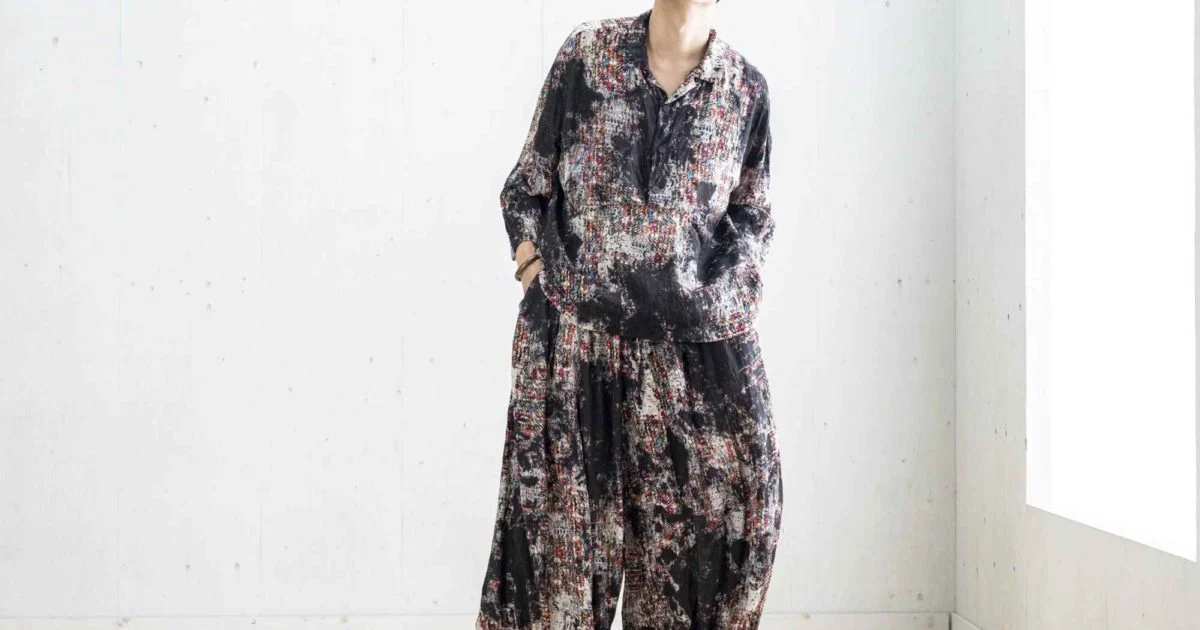
Japan, a nation renowned for its profound artistic heritage, meticulous craftsmanship, and pioneering innovation, stands at the forefront of the sustainable fashion movement. Historically, Japanese designers have consistently pushed boundaries, shaping global trends with their distinctive aesthetics and commitment to quality. Today, this legacy is extending into the realm of ethical production, with a growing number of brands demonstrating how fashion can be both exquisitely designed and environmentally and socially responsible. This comprehensive overview highlights some of Japan’s most exemplary sustainable fashion and beauty brands, as rated by Good On You, a leading authority on ethical consumption.
Japan’s Enduring Influence on Global Fashion and the Rise of Ethical Production
For decades, Japanese designers have been celebrated for their visionary approach, often blending avant-garde concepts with deeply rooted cultural traditions. From the deconstructed silhouettes of Comme des Garçons to the minimalist elegance of Issey Miyake, Japan has consistently offered a unique perspective that values longevity, functionality, and artistic expression over fleeting trends. This inherent philosophy of mottainai (a sense of regret concerning waste) and a deep respect for materials and craftsmanship naturally align with the principles of modern sustainability.
The global fashion industry, valued at over $2.5 trillion, faces immense pressure to mitigate its environmental and social footprint. It is responsible for significant carbon emissions, water pollution, and extensive waste generation, with an estimated 92 million tons of textile waste generated annually worldwide. Social issues such as exploitative labor practices, including child labor, forced labor, and dangerously low wages, remain pervasive in many parts of the global supply chain. In response, consumer awareness of these issues has surged, leading to a growing demand for transparency, ethical sourcing, and sustainable production methods. Japan’s rich tradition of meticulous creation and respect for resources positions it uniquely to lead this shift, offering a blueprint for a more responsible future in fashion.
Understanding "Better Brands": Good On You’s Comprehensive Rating Methodology
Identifying truly sustainable brands can be complex in a market rife with greenwashing. Good On You, an independent rating platform, provides an invaluable service by evaluating brands against stringent criteria across three fundamental sustainability pillars: People, Planet, and Animals. This rigorous assessment, which considers over 100 key issues, offers consumers clear, fact-based insights into a brand’s actual impact. The overall rating for each brand, visible throughout this guide and detailed on the Good On You directory, reflects a holistic commitment to ethical practices.
-
People: This pillar scrutinizes a brand’s policies and actions regarding worker welfare throughout its entire supply chain. Key considerations include the prevention of child labor and forced labor, ensuring safe working conditions, upholding workers’ right to form unions, and critically, the payment of a living wage. A living wage ensures workers can afford basic necessities for themselves and their families, a stark contrast to the minimum wage often insufficient to escape poverty. Brands demonstrating robust human rights policies and transparent supply chains score highly in this area.
-
Planet: This dimension evaluates a brand’s environmental stewardship. Good On You assesses resource and energy management, including efforts to reduce carbon emissions and transition to renewable energy sources. Water conservation practices, responsible management of chemical use and disposal, and initiatives to minimize waste (such as using lower-impact materials, embracing circular design, and recycling programs) are also crucial factors. The goal is to identify brands that actively reduce their ecological footprint and contribute to a healthier planet.
-
Animals: This pillar examines a brand’s use of animal products and its commitment to animal welfare. This includes materials like wool, leather, fur, angora, down feather, shearling, karakul, and exotic animal skins and hair. The ideal scenario, indicative of the highest rating, is a brand that is 100% vegan, completely avoiding animal-derived materials. For brands that do use animal products, their practices are assessed for adherence to strong animal welfare standards and certifications.
Pioneering Japanese Brands: A Deep Dive into Innovation and Tradition
The following brands exemplify Japan’s contribution to the ethical fashion and beauty landscape, showcasing a blend of time-honored techniques and cutting-edge innovation. This selection, last updated on June 15, 2026, reflects the ongoing evolution and commitment of these brands to sustainable practices.
Crafting with Conscience: Brands Embracing Traditional Japanese Techniques
Many Japanese brands are leveraging the country’s rich artisanal heritage, where crafts like sashiko, boro, and natural dyeing are inherently sustainable. These techniques emphasize durability, repair, and minimal environmental impact, offering a stark contrast to the rapid consumption model of fast fashion.
-
9-jour: This Japanese denim brand specializes in vividly colored jeans, distinguishing itself through its commitment to natural and low-impact dyeing solutions for its selvedge denim. By manufacturing products locally and strictly to order, 9-jour drastically reduces energy consumption and material waste, bypassing the inefficiencies of conventional mass production supply chains. This approach not only ensures unique, high-quality garments but also minimizes environmental impact, embodying a slow fashion philosophy. Available in waists 69-90cm.
-
Itoshiro Yohinten: Reimagining traditional Japanese clothing, Itoshiro Yohinten draws inspiration from ancestral wisdom and the rich textile traditions of its native Itoshiro region. The brand meticulously employs lower-impact materials and natural dyes, coupled with innovative lower-waste cutting techniques. This thoughtful blend of heritage and modern sustainable practices results in garments that are both culturally resonant and environmentally responsible. Available in sizes 1-4.
-
amaud: A luxury Japanese brand, amaud breathes new life into vintage kimonos by skillfully reworking them into contemporary styles. This ingenious approach not only preserves the exquisite beauty and intricate craftsmanship of these historical fabrics but also diverts them from potential waste streams. By utilizing lower-impact materials in their adaptations and having all pieces made in-house by the brand’s owner, amaud ensures ethical production and maintains a high level of artisanal quality. Sizes vary.
-
ENSULO: This Japanese brand specializes in comfortable, relaxed clothing designed for post-training rest or general leisure. ENSULO integrates traditional Japanese techniques with lower-impact materials, creating garments that offer both comfort and a reduced environmental footprint. Their focus on thoughtful production reflects a holistic approach to well-being, encompassing both the wearer and the planet.
-
TERAS: TERAS proudly showcases two of Japan’s most historically significant handcrafts: sashiko and boro. Sashiko, a decorative reinforcement stitching, and boro, the art of mending and patching textiles, are ancient forms of circular fashion that prioritize longevity and resourcefulness. Based locally and manufacturing in the region, TERAS not only preserves these beautiful traditions but also champions social responsibility by employing workers from disadvantaged backgrounds. The brand further minimizes its environmental footprint by using lower-impact materials and creatively reusing offcuts to reduce waste. Available in sizes S-XL.
Innovators in Circularity and Material Science
Beyond tradition, Japanese brands are also leading the charge in material innovation and circular economy models, tackling some of the fashion industry’s most persistent waste challenges.
-
Malion Vintage: This Japan-based brand is a pioneer in the art of creative upcycling, transforming vintage and antique items into exquisite new garments. Malion Vintage meticulously reworks a diverse array of materials, from discarded neckties and tablecloths to tweed jackets, fisherman’s sweaters, and deadstock shirts. By manufacturing locally, the brand ensures a minimal carbon footprint while giving these historical textiles a second life, imbuing each piece with a unique story and character. Sizing varies due to the unique nature of each piece.
-
Koraru: Named after the Japanese pronunciation of "coral," Koraru is a Tokyo-based swimwear brand deeply inspired by circularity principles. The brand actively uses lower-impact materials, such as recycled nylon derived from ocean waste, and has implemented a comprehensive recycling program for its products. By partially tracing its supply chain, Koraru demonstrates a commitment to transparency and responsible production, aligning its brand identity with the protection of marine ecosystems. Available in sizes XS-XXL.
-
KAPOK KNOT: Founded by Kisho Fukai, whose family has a long history in textile production, KAPOK KNOT is dedicated to creating outerwear and homeware using kapok down. This plant-based alternative to animal-derived down is not only more sustainable and cruelty-free but also offers exceptional warmth and lightness. The brand manufactures locally in Japan and meticulously traces most of its supply chain, ensuring ethical practices and minimal environmental impact from sourcing to production. Available in sizes S-L.
-
KasuRekids: Addressing the significant issue of children’s clothing waste, KasuRekids designs childrenswear rooted in Japanese tradition. The brand utilizes locally made materials and employs lower-waste cutting methods to minimize its environmental footprint during production. Innovatively, KasuRekids also operates a program to collect pre-loved children’s clothes for resale and offers items for rent, providing practical solutions to extend garment lifespans and significantly reduce waste as children rapidly outgrow their clothes. Available in sizes 90-140.
-
CLOUDY: This inspiring brand, based in Japan, offers adults’ and kids’ clothing and accessories with a powerful social mission. CLOUDY has established a strong connection in Ghana, where it employs women and individuals with disabilities in its sewing workshops, providing fair wages and dignified work opportunities. A portion of its proceeds also contributes to vital education programs in the region. By incorporating lower-impact materials in its production, CLOUDY exemplifies a holistic approach to sustainability that prioritizes both social equity and environmental responsibility. Available in sizes S-XXL.
-
PLASTICITY: A beacon of innovation, PLASTICITY tackles the colossal problem of umbrella waste. Millions of umbrellas are discarded globally each year, often ending up in landfills due to their complex material composition. PLASTICITY repurposes these used umbrellas, diverting them from waste streams and transforming them into stylish, durable accessories such as bags and wallets. Manufacturing locally in Japan, the brand further reinforces its circular model through its own umbrella recycling program, offering a tangible solution to a pervasive urban waste challenge.
-
PRISTINE: This Japanese brand specializes in a wide range of clothing and home goods, with a particular focus on organic cotton knitwear. PRISTINE’s commitment to organic cotton signifies a dedication to agricultural practices that avoid harmful pesticides and synthetic fertilizers, promoting healthier soil and water systems. Their clothing range often features one-size options, simplifying production and potentially reducing overstock.
-
KUME: With a heritage dating back to the 1950s, KUME is renowned for its casual clothes, particularly its iconic colored crew neck T-shirts. The brand maintains local manufacturing in Japan, ensuring quality control and reduced shipping emissions. By utilizing lower-impact materials, KUME embodies a philosophy of creating durable, everyday wear that stands the test of time, reflecting the Japanese appreciation for long-lasting quality.
-
10YC: Founded on the mission to create clothing designed to be worn for at least ten years, 10YC champions durability and timelessness. The brand manufactures its products close to home in Japan, significantly reducing transportation emissions associated with global supply chains. Furthermore, 10YC actively promotes a circular economy by using lower-impact materials and offering resale services, encouraging customers to extend the life cycle of their garments rather than discarding them.
-
BRING: BRING is a leader in material innovation, championing lower-impact and recycled materials in its range of understated basics. The brand’s most notable contribution is its proprietary polyester recycling technology, which allows for the transformation of discarded polyester garments back into new fibers. The final stage of production occurs in its native Japan, and its advanced fabric recycling program underscores a profound commitment to closing the loop in textile production. Available in sizes XS-2XL.
The Broader Implications and Future Outlook
The emergence and growth of these sustainable Japanese fashion and beauty brands carry significant implications. For consumers, they offer a clearer path to making informed, ethical choices without compromising on style or quality. For the fashion industry at large, these brands serve as powerful examples, demonstrating that profitability and sustainability are not mutually exclusive but can be integrated into a successful business model.
Moreover, these brands contribute to the preservation of Japan’s invaluable cultural heritage. By integrating traditional crafts and philosophies into modern sustainable practices, they ensure that ancient skills and values continue to thrive and find relevance in a contemporary context. Environmentally, their collective efforts in reducing waste, conserving resources, and innovating materials represent a crucial step towards mitigating the fashion industry’s ecological footprint. Socially, brands like CLOUDY and TERAS highlight the power of ethical fashion to uplift communities and provide equitable opportunities.
As the global demand for ethical and sustainable products continues to accelerate, Japan’s designers and entrepreneurs are poised to play an even more prominent role. Their blend of traditional wisdom, technological innovation, and a deep-seated respect for nature and community offers a compelling vision for the future of fashion—one that is both beautiful and responsible.
Editor’s Note
Feature image via Takarajima Senkou, all other images via brands mentioned. Good On You publishes the world’s most comprehensive ratings of fashion and beauty brands’ impact on people, the planet, and animals. Use our directory to search thousands of rated brands and make more conscious purchasing decisions. We updated this article on June 15, 2026. Our editors frequently make updates to articles to ensure they are up to date and accurately reflect the current landscape of sustainable brands. We refreshed our round-up of brands to provide the most current information.