





When navigating the vast landscape of denim, the choice between two seemingly similar fits can often hinge on subtle yet crucial distinctions. For denim enthusiasts and casual consumers alike, understanding the nuances of popular Levi’s models, such as the 505 and the 513, is paramount to achieving the desired silhouette and comfort. While both are categorized as straight-leg jeans, their underlying construction and how they interact with the wearer’s body lead to significantly different outcomes in terms of style and wearability. This article delves into the precise differences between the Levi’s 505 and 513, examining their fit mechanics, fabric variations, and overall aesthetic to guide consumers toward the most suitable choice for their individual needs and body types.
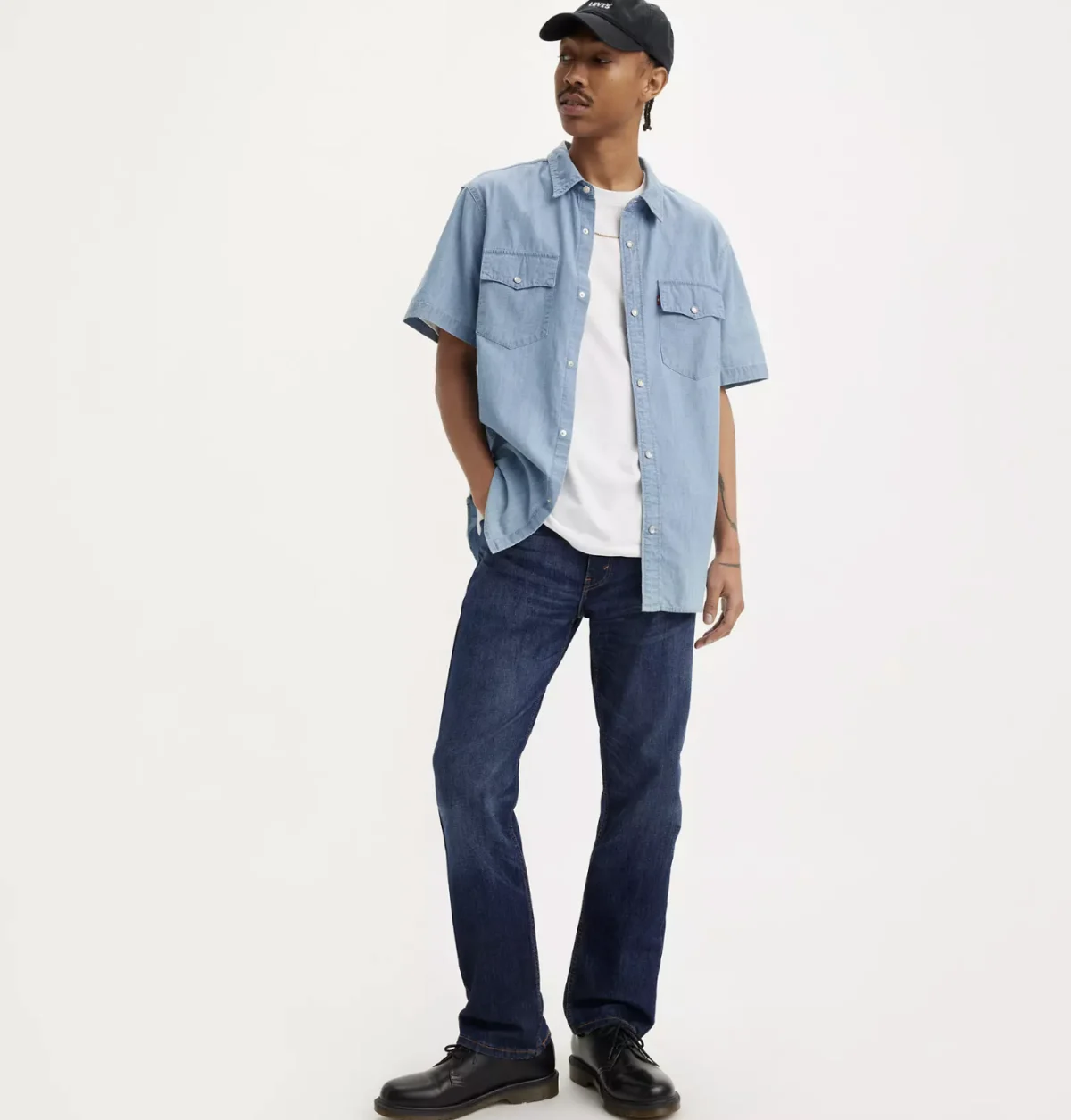
At its core, the decision between the Levi’s 505 and 513 is not about fleeting fashion trends, but about fundamental fit principles. Both cuts offer a straight leg, a foundational element in classic denim design. However, the 505 is characterized by a more traditional, roomier "top block"—the area encompassing the waist, seat, and thighs—and a generally higher rise. In contrast, the 513 presents a slimmer take on the straight leg, featuring a trimmer seat and thigh, and a more streamlined line through the leg. This divergence in construction prioritizes different aspects: the 505 emphasizes comfort and a more structured drape, while the 513 aims for a cleaner, more contemporary outline. For individuals who have found one of these fits unsatisfactory in the past, a detailed examination of their specific attributes can illuminate the reasons behind that experience and offer a clearer path forward.

The Essential Differences: A Concise Overview
In essence, the Levi’s 505 offers a more generous fit through the waist, seat, and thigh, maintaining a consistent straight line from the knee down to the hem. This provides a classic, unrestrictive feel. Conversely, the Levi’s 513 sits closer to the body in the upper portion and exhibits a slight, non-tapered narrowing through the leg. It is crucial to understand that neither fit is inherently superior; they are engineered for different physiologies and intended use cases, catering to distinct preferences in how denim should look and feel.
Levi’s 505 vs. 513: A Detailed Comparison
To further clarify the distinctions, a comprehensive comparison chart highlights the key attributes of each model:
| Category | Levi’s 505 (Regular / Straight) | Levi’s 513 (Slim Straight) |
|---|---|---|
| Fit Profile | True straight | Slim straight |
| Top Block | Roomier through seat and thigh | Trimmer through seat and thigh |
| Rise Feel | Mid to mid-high (varies by wash) | Mid (varies by wash) |
| Leg Line (Knee to Hem) | Consistent straight line | Slightly narrower line than 505 |
| Leg Opening | Wider than 513 (varies by size) | Narrower than 505 (varies by size) |
| Feel in Motion | More forgiving when sitting and walking | More locked-in, depends on thigh/seat fit |
| Stretch Prevalence | Often available in rigid and some stretch | Commonly offered in stretch blends |
| Best For | Bigger thighs, fuller seat, classic straight silhouette | Slim-to-average builds, cleaner outline, modern straight look |
| Common "Wrong Fit" Signal | Excess fabric if you have a very slim frame | Pulling across pockets or tight upper thigh if you need room |
| Easy Styling Match | Boots, chunkier sneakers, heavier layers | Trainers, cleaner shoes, minimal outfits |
The Crucial Element: The Top Block Fit
When jeans feel fundamentally "wrong," the issue almost invariably originates in the top block—the critical region encompassing the waist, rise, seat, and upper thigh. This area is non-negotiable for achieving a comfortable and flattering fit.

The Levi’s 505 is engineered with a more accommodating top block. It features a mid to mid-high rise, providing ample depth in the seat and sufficient clearance in the thigh. This design has historically made the 505 a preferred choice for individuals with larger thighs, fuller seats, or those who simply desire jeans that allow for unrestricted movement during daily activities like sitting, walking, or bending.
In contrast, the 513 offers a more tailored fit in this crucial area. While still maintaining a moderate rise, its seat is slimmer, and the thigh area is more controlled. For individuals whose body shape aligns with this design, the 513 provides a clean and secure feel. However, for those requiring more room, this constriction can lead to a feeling of restriction, even if the waist size appears correct. Signs of an ill-fitting top block include pulling across the pockets, visible stress lines beneath the fly, or undue pressure in the upper thigh. Attempting to rectify such issues by sizing down often exacerbates the problem rather than solving it.
Leg Shape: A Matter of Aesthetic Preference
Once the top block is comfortably fitted, the shape of the leg becomes primarily a matter of personal aesthetic preference.

The 505 maintains a consistent straight line from the knee to the hem, with no taper or narrowing. This design imparts a sense of visual weight and balance to the jean, making it an ideal pairing for boots, substantial sneakers, or heavier outerwear. It also typically results in a more even break of the denim at the shoe line.
The 513, on the other hand, features a subtle narrowing below the knee. While it is not a true taper, this slight reduction in width influences how the denim stacks and how it interacts with footwear. For individuals of shorter stature, this cleaner line can contribute to a more streamlined leg appearance. Conversely, on larger frames, this more contained leg shape might feel less accommodating. This distinction is a key reason why two jeans that appear similar on a hanger can feel markedly different when worn.
Fabric Variations: Denim’s Role in Fit and Feel
Levi’s employs a diverse range of denim fabrics across both the 505 and 513 models, meaning that while the cut remains consistent, the textile itself can significantly influence the wearing experience.

The 505 is frequently produced in heavier, more rigid denim, particularly in classic washes. These fabrics tend to break in gradually, developing a personalized patina over time while retaining their structural integrity. While stretch versions of the 505 do exist, they are less common than their rigid counterparts.
The 513, however, is more often found in stretch denim blends. This incorporation of elasticity makes the slimmer top block more forgiving and comfortable for daily wear. While stretch denim can feel softer straight off the rack, it may also relax and adapt to the wearer’s form more readily with use.
Neither fabric approach is definitively superior. Those who prioritize a robust structure and long-term durability often find the 505’s traditional denim more consistently delivers. For individuals seeking greater flexibility and immediate comfort, the 513’s stretch fabrics can be more accommodating.

Longevity and Wear: How They Evolve Over Time
The way denim ages and wears is intrinsically linked to its fabric and cut. The 505, particularly in its more rigid iterations, settles into its shape gradually. While the fabric softens with wear, the overall silhouette remains largely consistent. The inherent roominess of the top block means that minor changes in the denim are less noticeable, contributing to a forgiving wear pattern over months and years.
The 513, especially when made with stretch denim, tends to show wear and adaptation more quickly. Stretch fabrics can relax, and the closer fit of the slimmer cut makes fabric movement more apparent. This is not a drawback, but it underscores the importance of achieving a precise fit from the outset. For those who frequently rotate their denim and value a consistently clean leg line, the 513 is an excellent choice. However, for individuals who wear the same pair of jeans extensively, the 505 often exhibits a more predictable and consistent aging process.
Body Type Guidance: Tailoring the Choice
Navigating denim fits can be simplified by considering individual body types.

For those with larger thighs or fuller seats, the 505 typically presents a more reliable and comfortable option. The generous rise and thigh room mitigate tension and enhance ease of movement without appearing overly baggy.
Individuals with slim to average builds often find the 513 offers a sharper, more refined aesthetic. The trimmer seat and leg reduce excess fabric, creating a modern silhouette that avoids the extremes of skinny fits.
Shorter individuals may benefit from the 513’s narrower leg, which can create a cleaner, more proportionate line, especially in darker washes. Conversely, taller individuals might find the 505’s consistent straight profile helps to balance their proportions. It is important to note that these are general guidelines, and personal preference and the specific wash and fabric of the jeans can influence the final outcome.

Styling Implications: Reading the Silhouette
The way a pair of jeans reads within an outfit is heavily influenced by its fit. The 505 leans towards a traditional aesthetic. It pairs effortlessly with classic workwear elements like boots, chunky knitwear, and structured jackets. In darker washes, it can even transition into more casual office environments.
The 513 projects a more contemporary vibe. It complements modern footwear such as trainers and lighter layers, contributing to cleaner, more minimalist outfits. Its sleeker profile often looks more intentional when paired with streamlined ensembles.
The choice of wash also plays a significant role. A dark, uniform wash can minimize the visual differences between the two fits, creating a more cohesive look. Conversely, a faded or stonewashed finish tends to exaggerate their respective characteristics, highlighting the 505’s classic drape versus the 513’s modern refinement.

Value Proposition: Fit Over Price
In terms of pricing, the Levi’s 505 and 513 models are typically quite comparable. Therefore, the decision should primarily be driven by fit and personal wearability rather than cost. A pair of jeans that fits correctly and comfortably will invariably offer greater long-term value and satisfaction than a cheaper alternative that compromises on fit. Comfort, freedom of movement, and how the denim ages are far more critical considerations than the numerical designation on the label.
The Final Decision: 505 or 513?
Ultimately, the choice between the Levi’s 505 and 513 hinges on individual needs and preferences.
Opt for the Levi’s 505 if your priority is a true straight-leg silhouette, with more generous room in the seat and thigh, and a fit that maintains its integrity and comfort over extended wear. This model is a steadfast choice for those who value classic styling and a forgiving fit.

Select the Levi’s 513 if you desire a slimmer, more modern outline, a closer fit in the upper portion of the garment, and a straight leg that feels contemporary without being restrictive. This option is ideal for those seeking a refined and streamlined look.
To make the most informed decision, it is recommended to accurately measure your natural waist, prioritize achieving a comfortable and well-fitting top block, and then let the leg shape serve as the deciding factor. This methodical approach, grounded in fit mechanics rather than transient trends or sizing adjustments, is a far more reliable strategy for finding the perfect pair of jeans.