








The penny loafer stands as an enduring monument in the history of footwear, representing a rare intersection where rugged, utilitarian design met the height of mid-century American collegiate fashion. While frequently categorized as a hallmark of Americana, the shoe’s genealogy is firmly rooted in the harsh, maritime environments of early 20th-century Norway. The transition of this footwear from a specialized tool for fishermen to a symbol of global sartorial status offers a comprehensive look at how cultural exchange and industrial design shaped the modern wardrobe.

The Genesis of the Aurland Shoe
In the early 1900s, the municipality of Aurland, situated along the Sognefjord in Norway, served as the primary laboratory for what would eventually become the world’s most recognized slip-on. Life for local fishermen was defined by the relentless cold and the logistical difficulty of navigating slippery, wet docks. Traditional footwear of the era—often heavy boots requiring complex lacing—presented a liability. Wet, frozen knots were difficult to manage with numbed fingers, and the constant cycle of removing boots at the threshold of one’s home necessitated a design that was both durable and easily removable.
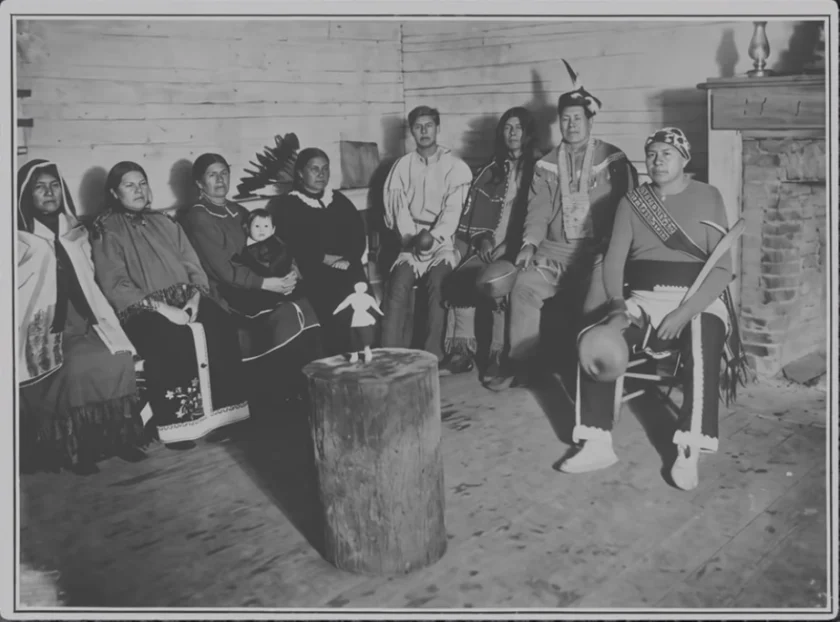
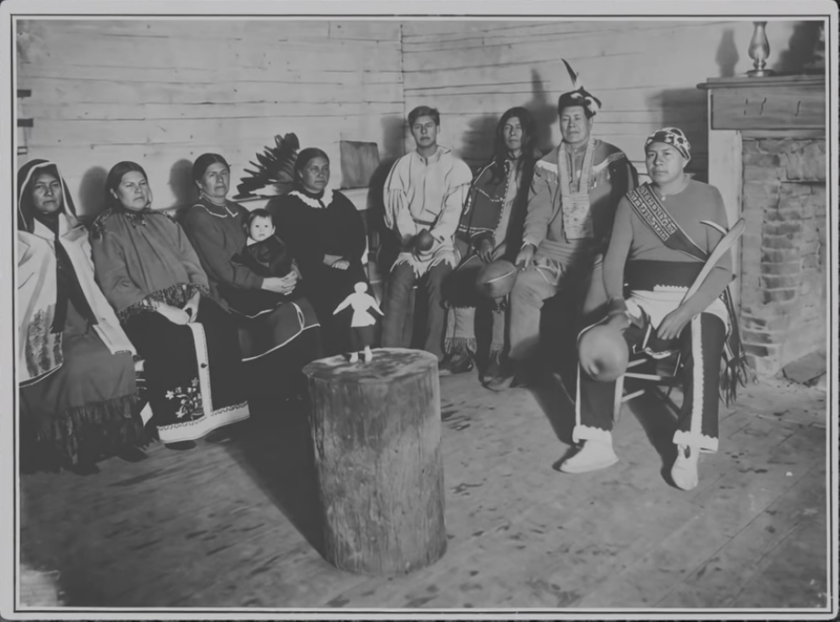
The local solution was the Tese, a hand-sewn, flexible leather slip-on that relied on a simple construction to provide both warmth and ease of access. However, the transformation of this regional craft into a marketable product is credited to Nils Gregoriusson Tveranger. Born in 1874, Tveranger spent his formative teenage years as an apprentice in the United States, where he observed the structural efficiency of the moccasins worn by the Haudenosaunee (Iroquois) people.

Upon returning to Aurland in 1894, Tveranger began synthesizing his experiences. He sought to marry the supple, foot-conforming properties of the indigenous moccasin with the more robust construction required by European climates. By 1908, Tveranger introduced the National model. Though this iteration retained laces and eyelets to ensure a secure fit, it signaled the beginning of a specialized industry in the region. The design was recognized for its technical merit at the 1910 Bergen national exhibition, establishing Aurland as a nascent hub for high-quality, specialized footwear.
Chronology of a Design Evolution
The evolution of the loafer into its modern, laceless configuration occurred in the early 1930s. Tveranger’s redesign, the Aurland moccasin, removed the necessity of laces entirely. This iteration featured a leather strap—the saddle—fixed across the vamp. While the saddle served no structural purpose, its aesthetic contribution was significant, providing a refined, finished look that allowed the shoe to transition from the fishing dock to more formal, everyday wear.
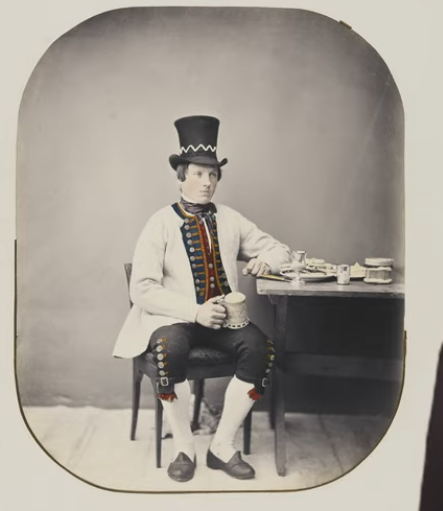
The path from the Sognefjord to the American East Coast was facilitated by the growth of European travel between the World Wars. British sportsmen, visiting Norway for recreational fishing, encountered the Aurland shoe and recognized its unique combination of comfort and utility. These travelers began importing the shoes, which were subsequently introduced to upscale European resorts.
The entry into the American market, however, was marked by distinct industrial innovation. By the mid-1930s, G.H. Bass & Co., a Maine-based manufacturer with a pedigree in moccasin-style work boots, identified the potential of the Norwegian design. While historical accounts vary regarding the exact point of entry—some citing direct imports by Bass, others pointing to editorial influence from publications like Esquire—the result was the 1936 debut of the Weejun. The moniker was a clever phonetic contraction of "Norwegian," bridging the gap between the shoe’s heritage and its new American consumer base.
Industrial Adaptation and Market Penetration
The G.H. Bass iteration represented a strategic "Americanization" of the original Aurland concept. Bass adjusted the profile to be sleeker, utilized a more sophisticated leather finish, and tightened the toe box to align with contemporary dress shoe trends. This pivot transformed the shoe from a rustic curiosity into a viable alternative to the more formal oxford.
Data from the era indicates that the popularity of the Weejun exploded in the post-WWII period, largely due to the expansion of American tourism. As US travelers flocked to Europe, the Aurland shoe became a sought-after souvenir. Bass capitalized on this by positioning the Weejun within the burgeoning "Ivy League" style market. By the late 1940s and throughout the 1950s, the penny loafer had become a standard fixture in campus stores from New England to the Mid-Atlantic, solidifying its status as the unofficial uniform of the country-club set.
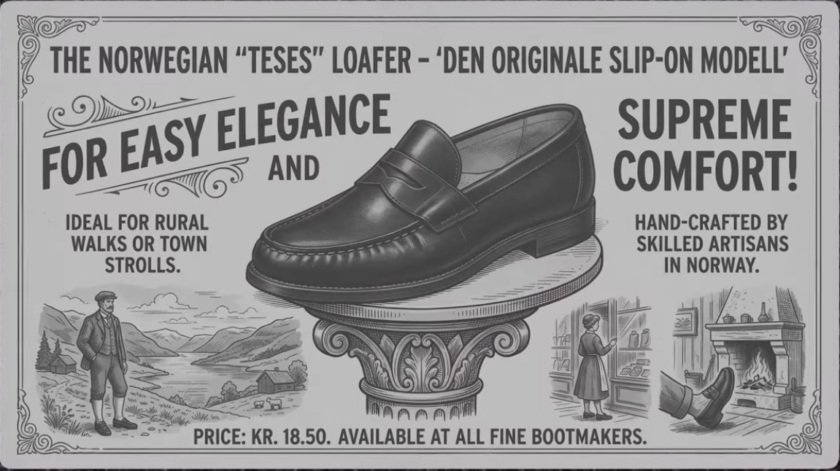
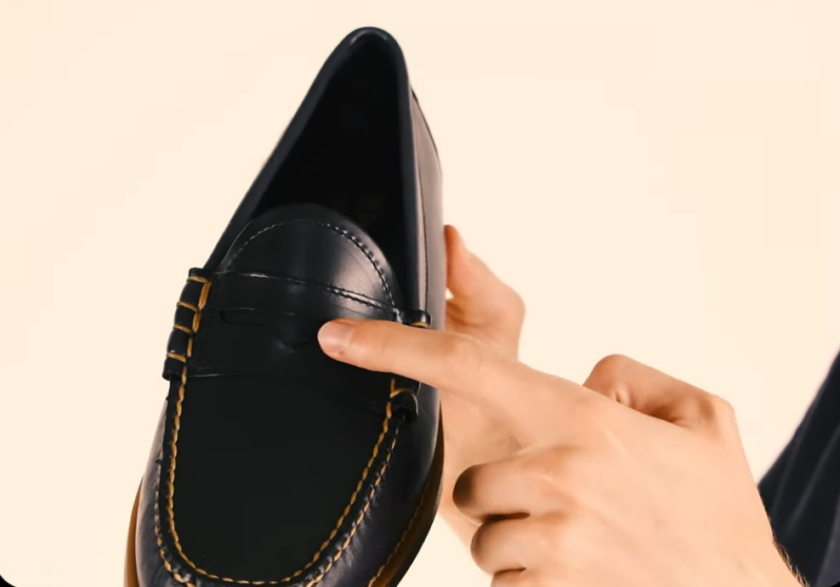
The branding of the shoe as a "penny" loafer remains one of the most successful examples of cultural adoption in fashion history. In the early 1950s, students began inserting pennies into the diamond-shaped slot of the saddle. While the narrative that this provided change for payphones is technically disputed—given that call costs frequently exceeded two cents and payphones were not designed for pennies—the practice gained cultural momentum. It transformed the functional cutout into an expressive element, allowing the flash of copper to contrast with the deep burgundy or oxblood leather that defined the aesthetic of the period.
The Technical Superiority of Moccasin Construction
The longevity of the penny loafer is not merely a result of aesthetic trends but is rooted in its technical construction. The moccasin-toe stitching, which wraps around the edge of the vamp, allows for a level of lateral flexibility that rigid-soled oxfords cannot match.
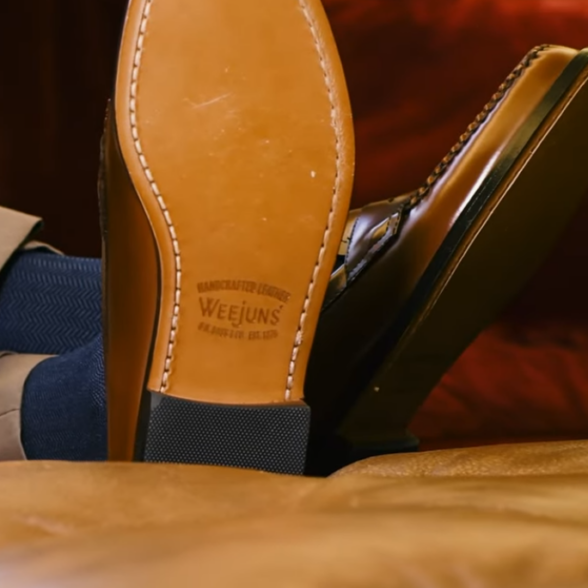
In traditional dress shoe manufacturing, the upper leather is stretched over a rigid, hidden internal structure. In contrast, the moccasin construction allows the leather to mold directly to the foot’s anatomy. This inherent adaptability is why the shoe remains a staple for modern consumers. Modern iterations generally fall into two categories: the traditional, sleek Weejun style, and the "beefroll" variant. The beefroll, introduced by Bass in the 1950s, features thick, pinched rolls of leather at the ends of the saddle, mimicking the technique used by butchers to tie a roast. This detail adds a degree of visual weight and casual character that distinguishes it from the more formal, flat-strapped versions.
Socio-Economic Implications and Modern Status
The penny loafer today occupies a unique space on the formality spectrum. It is frequently cited as the quintessential "smart-casual" shoe, providing a bridge between the informality of a sneaker and the rigidity of a lace-up dress shoe.
The implications of this versatility are evident in the breadth of the current market. Luxury houses, most notably Gucci, elevated the design by incorporating hardware, such as the horsebit, turning a once-utilitarian piece into a high-fashion status symbol. Conversely, artisanal manufacturers such as Alden and Rancourt continue to utilize high-grade shell cordovan and chromexcel leathers, targeting a consumer base that prioritizes longevity and heritage craftsmanship over seasonal trends.
The adoption of the shoe by successive generations suggests a cyclical nature to its popularity. In the mid-20th century, it was the shoe of the academic and the elite; by the late 20th century, it was often viewed as a relic of an older generation; and in the 21st century, it has been reclaimed as a gender-neutral, versatile essential.
Conclusion: A Solved Problem
The endurance of the penny loafer for over a century is a testament to the effectiveness of its original design. Nils Tveranger’s objective—to solve the problem of cold, wet, and cumbersome footwear—was achieved with such efficiency that the core design remains largely unchanged.
The transition from a Norwegian fishing village to global prominence illustrates a broader principle of design: when a product effectively addresses a fundamental human need—in this case, comfort, ease of use, and durability—it transcends its original context. Whether worn with a tailored suit or dark-wash denim, the penny loafer remains an object of historical significance, serving as a reminder that the most enduring fashion trends are often those that were designed with utility, rather than style, in mind. The penny may no longer be necessary for the payphone, but the design that held it continues to define the landscape of modern footwear.