









Navigating seasonal temperature spikes while maintaining an environmentally conscious wardrobe remains a primary challenge for modern consumers, yet the agricultural and textile sectors continue to pivot toward lower-impact botanical fibers. As recurring global heatwaves drive unprecedented demand for breathable warm-weather apparel, the fashion industry has experienced a significant resurgence in the popularity of linen. Esteemed ethical fashion rating organizations, including Good On You, have intensified their focus on flax-derived textiles, evaluating top-tier brands like PANGAIA and LA Relaxed on their transparency, labor practices, and ecological footprints. While synthetic materials frequently dominate fast-fashion markets due to lower upfront production costs, the environmental toll of petroleum-derived polyester and nylon has prompted a structural shift toward natural alternatives. Consumers are increasingly scrutinizing supply chains, seeking garments that offer both physiological relief from rising temperatures and verifiable sustainability credentials. This comprehensive analysis explores the agronomic origins of linen, the complexities of its manufacturing process, critical shopping criteria for conscious buyers, and a curated selection of ethically produced linen dresses designed to withstand the rigors of summer.
Agronomic Foundations and the Historical Trajectory of Flax Cultivation
The utilization of flax—scientifically known as Linum usitatissimum—for textile production spans thousands of years, with archaeological evidence tracing its use back to ancient Mesopotamia and dynastic Egypt, where fine linen was prized as a symbol of light, purity, and wealth. Historically, the cultivation of flax was a labor-intensive endeavor central to agrarian economies across Western Europe, particularly in regions such as Belgium, France, and the Netherlands, which still produce a significant percentage of the world’s highest-grade flax fibers.
In contemporary agriculture, flax represents a remarkably resilient crop compared to conventional industrial mainstays like cotton. Unlike cotton, which famously demands immense volumes of irrigation water and intensive chemical pesticide applications, flax thrives in temperate climates and poor-quality soils. Agronomic data indicates that flax frequently relies solely on natural rainfall, requiring little to no artificial irrigation in traditional European growing regions. Furthermore, the plant’s natural resistance to pests drastically reduces the necessity for chemical insecticides and synthetic fertilizers.
Despite these inherent environmental advantages, the journey from raw agricultural harvest to a finished consumer garment involves industrial processing phases that require rigorous oversight. The extraction of the inner stalk fibers necessitates a process called retting—either through dew-retting in fields or water-retting in tanks—followed by scutching and combing to separate the usable fibers. Subsequent stages, including spinning, weaving, and dyeing, frequently introduce synthetic chemicals, heavy metals, or chlorine-based bleaching agents if standard, unregulated mills are utilized. Consequently, industry watchdogs emphasize the importance of independent third-party certifications, such as the Global Organic Textile Standard (GOTS) or OEKO-TEX, which mandate strict environmental and social criteria throughout the manufacturing lifecycle.
Anatomy of a Sustainable Garment: Decoding the Environmental Impact of Linen
Evaluating the true sustainability of a linen dress requires a nuanced examination of fiber purity, chemical treatments, and end-of-life biodegradability. In its purest, unadulterated form, 100% linen is entirely biodegradable and compostable, returning harmlessly to the earth within a relatively short timeframe under optimal conditions. However, commercial interventions—ranging from formaldehyde-based anti-wrinkle finishes to synthetic chemical dyes and heavy bleaching—can severely compromise the compostability of the final textile, transforming an otherwise circular product into persistent waste.
Furthermore, market trends frequently favor linen blends, where flax fibers are intertwined with cotton, silk, or synthetic polymers like polyester and elastane. While manufacturers often introduce these blends to mitigate linen’s notorious tendency to wrinkle easily or to reduce retail price points, they simultaneously create profound recycling hurdles. Composite textiles consisting of blended polymer chains are notoriously difficult to separate using current mechanical or chemical recycling infrastructure, frequently relegating such garments to landfills or downcycling facilities at the end of their usable lifecycle.
Industry analysts and sustainable fashion advocates consistently advise consumers to prioritize pure, unblended linen whenever feasible. Longevity represents another critical metric in assessing environmental impact. Because flax fibers are exceptionally strong—reportedly up to thirty percent stronger than cotton—garments crafted from high-quality linen exhibit remarkable durability. A well-constructed linen dress can withstand years of frequent laundering and physical wear, amortizing its initial resource investment over a protracted operational lifespan. This durability underscores the importance of intentional purchasing decisions, encouraging shoppers to select classic silhouettes that transcend transient micro-trends.
Chronology of Ethical Rating Systems and Industry Transparency
The evolution of fashion transparency and independent brand evaluation has accelerated dramatically over the past decade, shifting consumer behavior from passive acceptance to active interrogation of corporate supply chains.
Phase One: The Awakening (2010–2015)
In the wake of industrial disasters such as the Rana Plaza collapse in Bangladesh, consumer demand for supply chain transparency surged. Early advocacy groups began publishing rudimentary brand scorecards, focusing primarily on labor rights and factory safety in developing nations.
Phase Two: The Environmental Reckoning (2016–2020)
As scientific consensus regarding climate change crystallized, evaluation frameworks expanded to incorporate exhaustive environmental metrics. Organizations like Good On You established holistic ratings systems that assessed brands across three distinct pillars: people, planet, and animals. During this period, sustainable botanical fibers, including organic linen, hemp, and Tencel, gained prominence as viable alternatives to synthetic materials.
Phase Three: Mainstream Integration and Regulatory Pressure (2021–Present)
Governments and regulatory bodies globally—particularly within the European Union—began introducing stringent anti-greenwashing laws and mandatory due diligence directives. Brands were forced to substantiate claims of sustainability with empirical data. Concurrently, consumers developed a sophisticated understanding of material science, driving mainstream apparel companies to incorporate certified organic linen into their warm-weather collections.
Curated Selection of Ethical Linen Dresses for the Modern Wardrobe
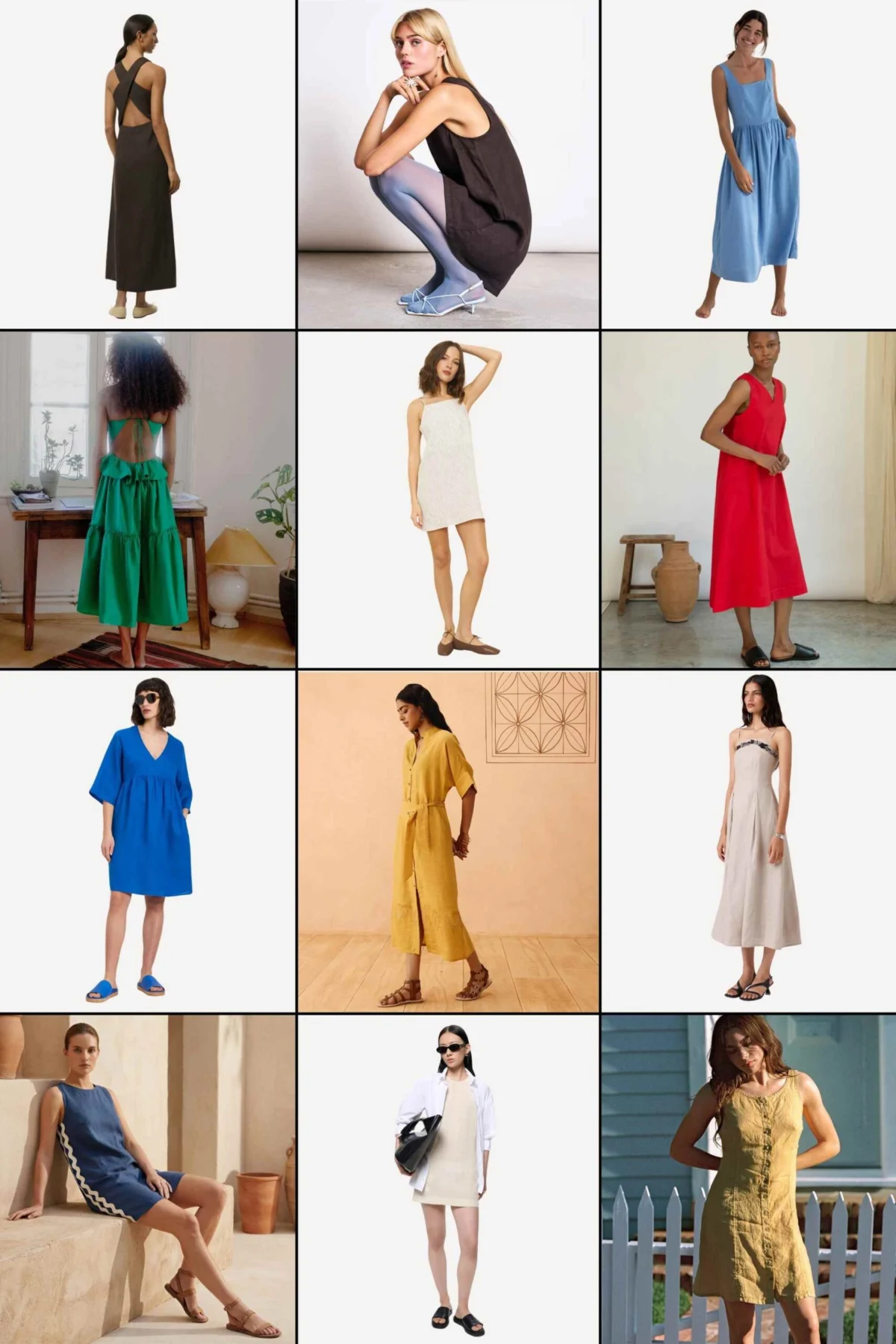
To assist consumers in navigating the vast marketplace of summer apparel, independent ethical rating agencies continually assess brands based on rigorous sustainability criteria. The following curated list highlights twelve exceptional linen and linen-blend dresses produced by companies that demonstrate exemplary transparency, ethical labor standards, and lower-impact material sourcing.
-
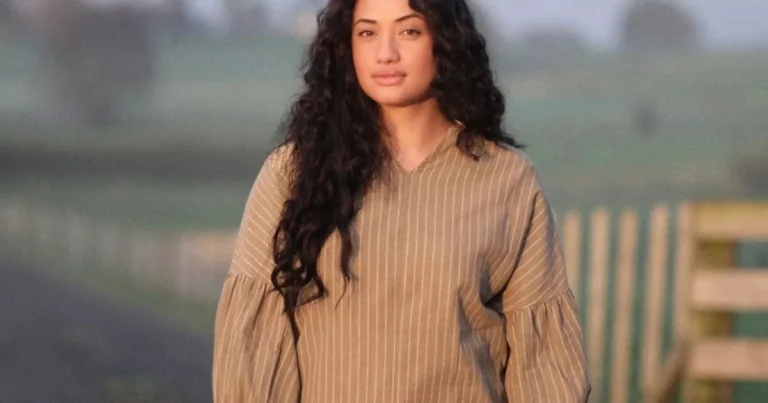
Artknit Studios: The Linen Twill Special Back Dress
Crafted with a sophisticated aesthetic, this piece utilizes premium linen twill, reflecting the brand’s commitment to traceable European supply chains and slow-fashion production models that minimize excess inventory. -
JAN N JUNE: Linen Mini Dress
Hailing from a brand renowned for its strict adherence to ecological standards, this minimalist mini dress showcases the casual elegance of uncompromised flax production, utilizing GOTS-certified materials where applicable. -
TWOTHIRDS: Formentera Linen Dress
Inspired by maritime environments, TWOTHIRDS emphasizes ocean conservation and low-impact manufacturing, offering durable, timeless linen silhouettes designed for longevity. -
OhSevenDays: Holly Linen Dress
Operating on a made-to-order and small-batch production schedule, this independent label minimizes textile waste while crafting versatile, contemporary linen garments tailored for daily wear. -
Whimsy + Row: Lainey Striped Linen Mini Dress
A champion of local manufacturing and deadstock fabrics, this Los Angeles-based brand delivers playful yet sustainable striped options that highlight the breathable nature of natural fibers. -
Beaumont Organic: Cotton and Linen-Blend Dress
By combining organic cotton with high-grade linen, this certified B Corporation balances structural durability with softness, ensuring ethical labor practices throughout its supply chain. -
Lanius: Organic Linen Dress
A pioneer in eco-friendly German fashion, Lanius consistently utilizes certified organic linen, avoiding harmful chemical treatments to preserve the inherent biodegradability of the textile. -
Sui: Golden Palm Linen Maxi Shirt Dress
Bridging the gap between casual comfort and formal versatility, Sui partners with artisan communities to create consciously manufactured pieces that celebrate traditional craftsmanship. -
The Summer House: Suhjan Embroidered Linen Dress
Featuring delicate hand-embroidery, this brand champions artisan livelihoods and sustainable textile production in India, utilizing breathable regional linen varieties. -
SeamsFriendly: Contrast-detailed Linen Shift Dress
Specializing in inclusive sizing and conscious production, this label offers structured linen-cotton shift dress designs tailored to reduce waste through mindful inventory management. -
PANGAIA: A-line Linen Dress
A global leader in material innovation, PANGAIA applies scientific rigor to natural textiles, utilizing wild-grown and organic linen alternatives designed to minimize water consumption and chemical runoff. -
LA Relaxed: The Linen Pinafore
Emphasizing local production in Los Angeles, LA Relaxed creates versatile, comfortable pinafore designs using sustainable fibers that prioritize both worker welfare and ecological integrity.
Economic and Environmental Implications of the Sustainable Linen Market
The commercial expansion of the sustainable linen market carries profound implications for both the global agricultural economy and the broader textile industry. As consumer preferences shift away from fossil-fuel-derived synthetics in response to microplastic pollution concerns, agricultural demand for flax fiber is projected to grow steadily over the next decade. This upward trajectory presents a lucrative economic opportunity for agrarian communities in traditional European flax-growing regions, as well as emerging agricultural sectors exploring resilient, drought-tolerant crops in the face of climate change.
However, scaling linen production without compromising ecological integrity remains a delicate balancing act. Agronomists and environmental economists caution that a sudden, unregulated surge in global demand could incentivize intensive farming practices, leading to soil degradation or the overuse of chemical fertilizers where crop rotation is neglected. Furthermore, processing bottlenecks in scutching and spinning infrastructure—particularly outside of Europe—mean that a significant portion of global flax must be shipped across vast distances for processing, adding an avoidable carbon transport penalty to the garment’s lifecycle.
To mitigate these risks, industry leaders advocate for regionalized supply chain development, where farming, processing, and manufacturing occur within localized geographic clusters. Such a model not only slashes transportation emissions but also enhances transparency, enabling regulatory bodies and independent rating agencies to verify labor standards and environmental compliance with greater accuracy.
Ultimately, the enduring appeal of the linen dress during seasonal heatwaves serves as a powerful reminder of nature’s capacity to provide functional, elegant solutions to modern challenges. By combining historical material wisdom with rigorous contemporary sustainability assessments, consumers can navigate the summer fashion landscape confident that their wardrobe choices support both personal comfort and ecological preservation.