










The traditional parameters of the British working day have undergone a fundamental structural transformation over the past five years, moving away from rigid office-bound routines toward fluid, hybrid schedules. Recent labour market statistics indicate that hybrid working has established itself as the new operational standard for more than a quarter—specifically 28 per cent—of the British workforce. This shift has not only altered where employees spend their working hours, but it has also redefined the nature of the daily commute, replacing the standardized home-to-office-to-home pipeline with a dynamic sequence of professional, personal, and wellness-oriented engagements.
Recognizing this seismic shift in modern lifestyle patterns, casual footwear brand HEYDUDE hosted an immersive activation in the heart of the capital on September 10. Billed as the "Comfort Class Lounge," the one-day pop-up workspace at London’s renowned 180 The Strand was curated specifically to interrogate, celebrate, and accommodate the realities of what industry observers have termed the "new commute." Rather than merely serving as a product showcase, the event provided local professionals, hybrid workers, and media personnel with a fully functional co-working environment designed to facilitate meetings, focused individual tasks, and necessary downtime between commitments.
The Evolution of the Modern Daily Routine

To fully understand the impetus behind HEYDUDE’s London activation, one must examine the broader socioeconomic forces shaping contemporary employment and education. The acceleration of remote and flexible working technologies during the early 2020s permanently dissolved the boundaries of the traditional 9-to-5 workday. Today’s commuter is no longer a passive passenger enduring a uniform subterranean journey to a single corporate desk in districts like Canary Wharf or the City.
Instead, contemporary schedules frequently encompass a mosaic of micro-activities. A typical Tuesday for a hybrid worker might now involve an early-morning run club, remote administrative tasks completed from a neighbourhood café, a midday collaborative session at a shared workspace, a lunchtime gym visit, and an evening ceramics or fitness class before returning home. This diversified routine is mirrored closely within the higher education sector, where university students increasingly reject continuous, sedentary library sessions in favour of a holistic lifestyle model that balances academic rigour with wellness initiatives and social engagement.
This multifaceted lifestyle presents distinct logistical challenges, particularly regarding personal apparel and footwear. Historically, shoes were segmented strictly by destination: formal loafers and heels for the corporate office, athletic trainers for physical activity, and casual slip-ons for domestic relaxation. The rise of the hybrid lifestyle renders this compartmentalized wardrobe obsolete. Modern consumers require versatile, adaptive apparel capable of seamlessly transitioning across multiple environments without sacrificing physical wellbeing or professional presentation.
Inside the Comfort Class Lounge: Design, Curation, and Community
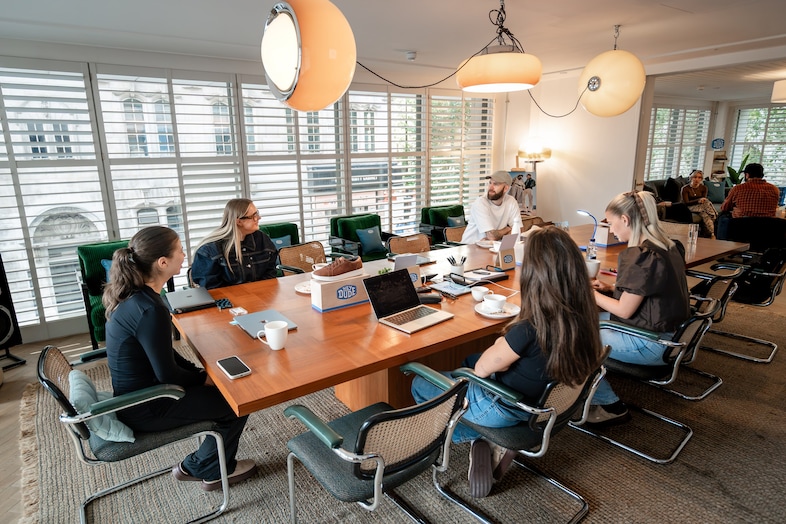
Against this backdrop, the HEYDUDE Comfort Class Lounge opened its doors at 180 The Strand on September 10, offering a tangible manifestation of the brand’s design philosophy. The venue was partitioned into distinct zones that reflected the multifaceted nature of the modern workday, ranging from high-focus collaborative tables to relaxed lounge areas equipped with high-speed connectivity, refreshments, and casual seating arrangements.
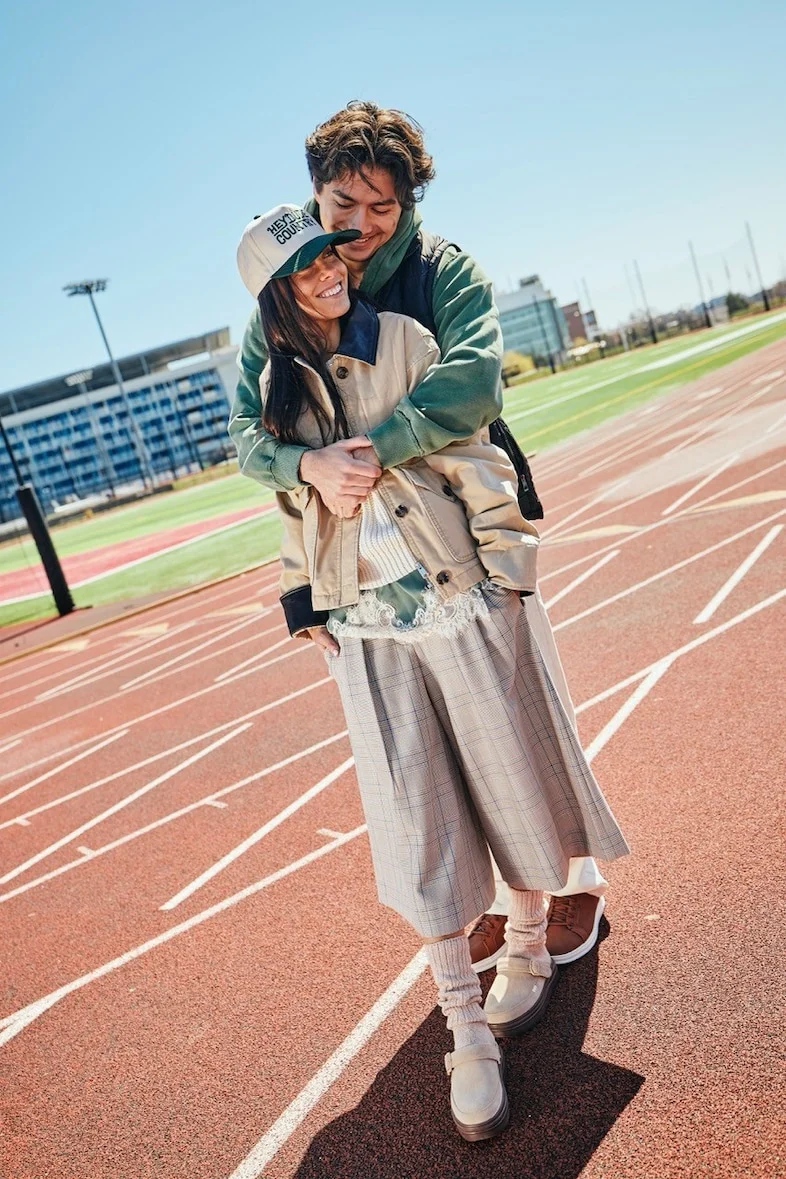
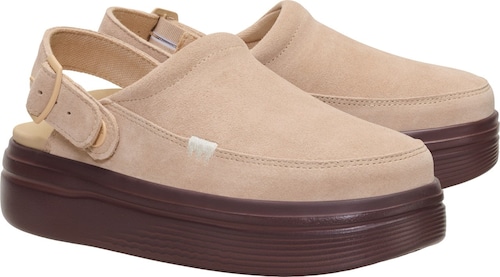
Attendees were given unrestricted access to experience HEYDUDE’s latest footwear collections firsthand while interacting directly with the brand’s creative and operational teams. Central to the exhibition were two flagship items from the current seasonal lineup: the Paul Pro Classic for men, priced at £79.99, and the Austin Lift Clog for women, also retailed at £79.99.
The Paul Pro Classic was highlighted for its hybrid construction, blending the structured support and fit profile of a traditional bootie with the relaxed sophistication suited for weekend travel and casual professional settings. Built to provide a pillowy foundation for all-day wear, the shoe addresses the physical demands of extensive walking and varied urban terrain. Meanwhile, the Austin Lift Clog—crafted from soft suede atop a lightweight platform—offers a contemporary silhouette featuring a fully backless design, a convertible buckle heel strap, and enhanced cushioning, addressing the consumer demand for elevated style combined with effortless wearability.
Industry Implications and the Future of Hybrid Apparel
The strategic focus demonstrated by HEYDUDE at 180 The Strand highlights a broader commercial imperative facing the global fashion and retail sectors. As hybrid working patterns solidify into permanent fixtures of Western economies, consumer purchasing criteria have shifted decisively toward versatility, ergonomic support, and multi-functional utility.
Market analysts note that brands failing to adapt their product engineering to accommodate the physical demands of the dynamic commuter risk losing relevance among younger, highly mobile demographics. The traditional compromise between aesthetic appeal and physical comfort is no longer acceptable to consumers whose daily routines demand both. By positioning its lightweight, cushioned silhouettes as viable solutions for the multi-stop workday, HEYDUDE aims to capture a significant market share within the rapidly expanding comfort-lifestyle category.
Furthermore, temporary physical activations such as the Comfort Class Lounge serve a vital function in contemporary retail marketing strategies. By creating experiential environments that directly address the pain points of their target audience—such as the fatigue associated with navigating multiple daily locations—brands can foster deeper emotional connections and brand loyalty that traditional digital advertising struggles to achieve.
Looking ahead, as urban planning, public transport networks, and corporate real estate continue to adapt to hybrid occupancy models, consumer goods manufacturers will undoubtedly follow suit. The success of initiatives like HEYDUDE’s London pop-up suggests that the future of urban mobility and workplace culture will be defined not by where people work, but by how comfortably and fluidly they can move through the modern world.