








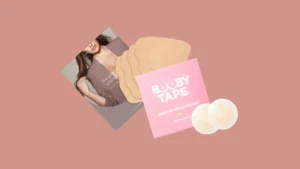
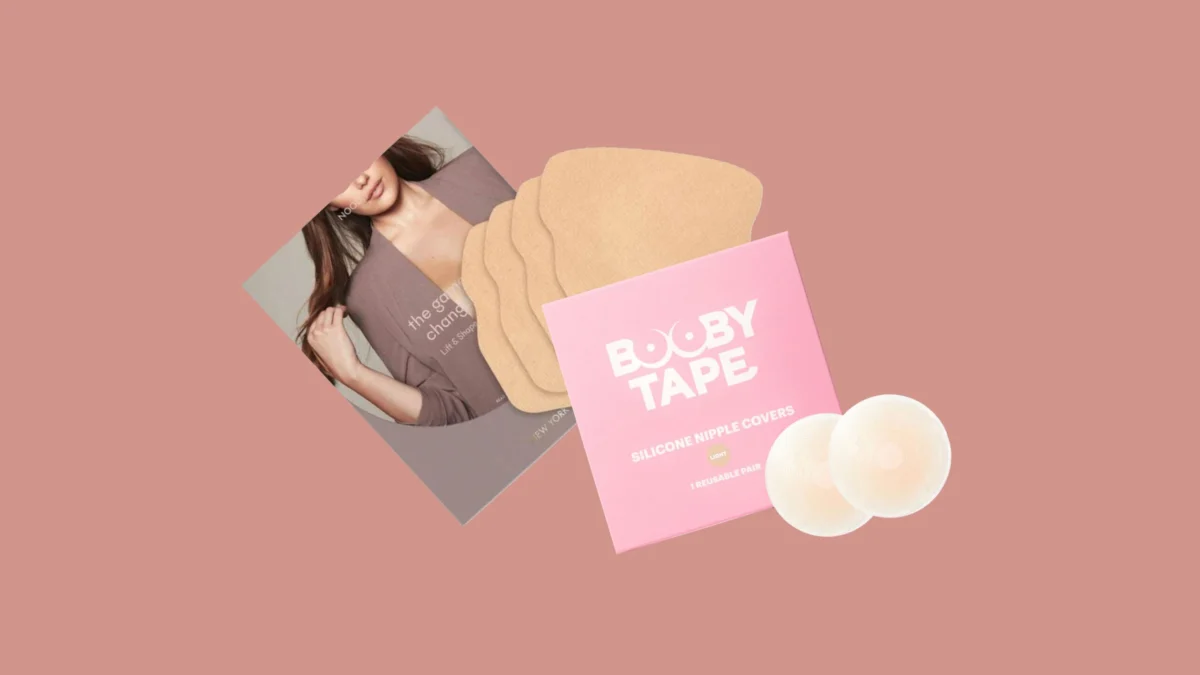
The quest for a smooth silhouette under form-fitting attire has made boob tape a popular choice for many seeking discreet support. However, the application and removal of this adhesive garment often raise questions regarding safety and efficacy. Board-certified dermatologist Dr. Erum Ilyas, based in King of Prussia, Pennsylvania, provides essential guidance on how to utilize boob tape effectively while minimizing the risk of skin irritation and damage. Her recommendations focus on preparing the skin, protecting sensitive areas, and employing gentle removal techniques.
Preparing Your Skin for Boob Tape Application
Dr. Ilyas emphasizes that the foundation for safe boob tape application lies in meticulous skin preparation. She strongly advises applying the tape to clean, dry skin. This means foregoing any products that could interfere with the adhesive’s bond. Specifically, Dr. Ilyas recommends avoiding alcohol-based products, toners, and exfoliants on the chest area for a full 24 hours prior to application. These agents, while beneficial for other skincare concerns, can strip the skin of its natural oils and compromises its barrier function, rendering it more sensitive and susceptible to irritation from the tape.
Furthermore, moisturizing the skin with lotions or creams before applying boob tape is counterproductive. These emollients create a slippery surface that significantly reduces the tape’s ability to adhere securely. For optimal performance and longevity, the skin should be completely free of any topical products. This preparatory step is crucial not only for ensuring the tape stays in place throughout its intended wear but also for preventing potential discomfort or adverse reactions.
Protecting Sensitive Areas During Application
A critical aspect of safe boob tape usage, as highlighted by Dr. Ilyas, is the protection of the areola and nipple. This region of the breast possesses skin that is notably thinner and more sensitive than the surrounding tissue. Applying adhesive directly to this delicate area can lead to significant discomfort, redness, and even skin tears upon removal.
To safeguard these sensitive zones, Dr. Ilyas suggests using non-adhesive padding. Fortunately, many common household items can serve this purpose effectively. Cotton rounds, often found in medicine cabinets for makeup removal or skincare application, are an excellent and readily available option. Hydrogel pads, frequently used for eye treatments or post-procedure skin soothing, can also provide a gentle buffer. For nursing mothers or those who may have them on hand, nursing pads offer another practical and soft barrier. The key is to create a protective layer between the adhesive tape and the most sensitive skin on the breast, ensuring a more comfortable and less risky application experience.
The Gentle Art of Boob Tape Removal
While applying boob tape can be straightforward, its removal is often where users encounter challenges and potential for skin damage. Dr. Ilyas issues a stern warning against the common impulse to forcefully rip the tape off, akin to removing a bandage. Such a method is not only painful but can cause significant skin trauma, including abrasions, bruising, and irritation.
Instead, Dr. Ilyas advocates for a patient and methodical approach centered on dissolving the adhesive. Her primary recommendation involves using oil-based products. Soaking a cotton ball or swab with body oil, olive oil, or even petroleum jelly (like Vaseline) and then carefully applying it to the edges and underneath the free edge of the tape is the first step. This allows the oil to penetrate and break down the adhesive, loosening its grip on the skin. Gentle rubbing in the soaked area further aids this process.
For those who find the oil method slow or are in the shower, warm, soapy water can also be effective, especially if the tape has been on for an extended period. The warmth and suds can help to soften the adhesive and facilitate easier peeling.
Troubleshooting Stubborn Adhesives
In instances where the tape proves particularly resistant, Dr. Ilyas offers further strategies. If initial oil application doesn’t sufficiently loosen the adhesive, she suggests reapplying body oils or petroleum jelly. To prevent mess and protect clothing and surroundings, she advises covering the oiled area with plastic wrap for approximately 30 minutes. This allows ample time for the oils to work their magic, after which gentle peeling should be attempted.
As a last resort, and with significant caution, Dr. Ilyas mentions the use of nail polish remover. A cotton swab dipped in nail polish remover can be applied sparingly under the tape’s edge. However, she strongly warns that this method carries a higher risk of skin irritation due to the potent chemicals involved. Therefore, it should only be employed when other methods have failed and with extreme care. In the unlikely event that the tape remains unyielding even after these measures, seeking professional assistance from a dermatologist is the safest course of action.
Post-Removal Skin Care: The Crucial Rehydration Phase
Once the boob tape has been successfully removed, the subsequent care of the skin is paramount. Dr. Ilyas stresses the critical importance of rehydrating and soothing the skin after the stress of adhesive wear. She explains that hydrating the skin with an oil-based or petrolatum-based product immediately after tape removal is essential for promoting healing and alleviating any lingering irritation.
Generously applying products like body oils or petrolatum-based ointments helps to restore the skin’s natural moisture barrier, which may have been compromised during the tape’s application and removal. Beyond Vaseline, Dr. Ilyas recommends other effective options such as Aquaphor, vitamin E oil, or any reputable barrier cream. These products provide a protective layer, lock in moisture, and support the skin’s recovery process.
Understanding the Limitations and Responsible Use
While boob tape offers a valuable solution for achieving specific fashion aesthetics, Dr. Ilyas cautions against its daily use. She explains that consistent, prolonged application and removal of adhesive tapes can lead to chronic skin damage, including thinning, increased sensitivity, and a predisposition to irritation. Therefore, boob tape should be viewed as a tool for special occasions or specific wardrobe needs, rather than an everyday undergarment.
By adhering to Dr. Ilyas’s expert advice on preparation, application, and removal, individuals can confidently utilize boob tape to achieve their desired look while prioritizing the health and integrity of their skin. This approach ensures that the benefits of this innovative fashion accessory can be enjoyed without the detrimental consequences often associated with improper use.
Expert Insights and Product Evaluation: The Allure Approach
The recommendations provided by Dr. Erum Ilyas are integral to Allure’s comprehensive approach to product testing and review, particularly concerning items that interact directly with the skin. Allure editors meticulously evaluate beauty products, considering their performance from multiple perspectives to ensure that readers receive accurate and actionable information. This rigorous process involves scrutinizing ingredients, validating brand claims against scientific evidence, and consulting peer-reviewed studies when applicable.
For a product category like boob tape, where skin contact and potential for adverse reactions are significant concerns, the input of dermatologists and medical professionals is invaluable. Allure’s editorial team, comprising experienced writers and editors, collaborates with experts to vet formulations and assess product safety and efficacy. This collaborative effort ensures that the advice offered is grounded in scientific understanding and practical application.
The evaluation of boob tapes, specifically, extends to key performance indicators such as product ingredients, overall efficacy, packaging design, fragrance profiles, texture, and the duration and reliability of wear. Each product featured in Allure’s recommendations has undergone thorough testing by the editorial team. This internal assessment is further augmented by the insights of a diverse group of contributors, including board-certified dermatologists, estheticians, and industry founders. This multifaceted review process is detailed on Allure’s dedicated reviews process and methodology page, underscoring a commitment to transparency and journalistic integrity.
The Importance of Diverse Testing and Consumer Representation
Allure‘s editorial philosophy is rooted in the belief that beauty products are deeply personal purchases, and recommendations must cater to a wide spectrum of individual needs and concerns. Whether a consumer is seeking a solution for persistent dryness, exploring new self-care routines, or simply staying abreast of the latest product launches, Allure aims to provide guidance that resonates with every reader.
Central to this mission is the principle of diversity within the testing and review teams. Allure champions the idea that a broad range of perspectives is essential for accurately assessing the performance of beauty products. This includes assembling a team of writers and editors whose backgrounds span various ages, skin tones, hair textures, genders, and ethnicities. This commitment to diversity extends to the wide array of outside testers and industry experts regularly consulted.
The rationale behind this inclusive approach is straightforward: a product cannot be definitively labeled "the best" for a specific demographic without representation from that group. For instance, declaring a skincare product optimal for individuals over 50 requires feedback from testers within that age bracket, not solely from those under 30. Similarly, an assessment of a high-end hair diffuser’s effectiveness would be incomplete without testing on diverse hair types, such as curls. Allure takes pride in its staff’s diverse representation, which enables fair and comprehensive evaluation of any beauty product that enters its product testing facilities. This ensures that recommendations are not only effective but also relevant and beneficial to the entirety of its readership.