









Understanding the nuances of mascara selection and application is crucial for achieving desired lash aesthetics, a topic that consistently engages beauty enthusiasts and industry experts alike. The seemingly simple cosmetic staple, mascara, offers a diverse range of formulations, each designed to address specific lash concerns and deliver distinct visual outcomes. From volumizing formulas that promise dramatic flair to curling variants engineered to defy gravity, the market presents a complex landscape for consumers. This comprehensive guide delves into the fundamental aspects of mascara, from discerning the ideal product for individual lash types to understanding the scientific distinctions between waterproof and conventional formulations, and ultimately, mastering techniques to prevent common application pitfalls.
Decoding the Art of Mascara Selection
The journey to discovering the perfect mascara is inherently personal, acknowledging that a one-size-fits-all approach is rarely effective. As noted by beauty editors, the efficacy of a mascara is not solely dependent on its brand or popularity but on its ability to cater to the unique characteristics of an individual’s lashes. These characteristics can include length, thickness, natural curl, and even the propensity for dryness or oiliness.
For those seeking to enhance the visual impact of their lashes, understanding the primary functions of different mascara types is paramount. Volumizing mascaras, for instance, are typically formulated with thicker waxes and polymers designed to coat each lash, creating an illusion of greater density and fullness. This often results in a more dramatic, statement-making look, favored by individuals aiming for a bold aesthetic. Conversely, curling mascaras are engineered with specific brush designs and flexible film-forming agents that, when applied, help to lift and hold lashes in an upward arc. This is particularly beneficial for individuals with straight or downward-pointing lashes, offering a noticeable lift that can open up the eyes and enhance their overall appearance.
Beyond these primary categories, other considerations such as lengthening mascaras, which often contain fine fibers that adhere to the lashes to extend their apparent length, and defining mascaras, designed for precise separation and clarity, further diversify the options available. When evaluating these products, industry professionals consistently emphasize two critical performance metrics: longevity and pigment intensity. The ideal mascara should not only provide the desired visual effect upon application but also maintain its integrity throughout the day, resisting smudging, flaking, and fading. Formulas that deliver consistent length and definition without compromising on wearability are generally considered superior, as they can withstand the rigors of daily activities, from demanding work schedules to social engagements. The development of innovative formulas that offer superior adherence and color payoff without clumping or creating a stiff feel remains a key area of research and development within the cosmetics industry.
The Science Behind Waterproof Mascara: Formulation and Wear
The distinction between regular and waterproof mascaras lies in their inherent ability to resist moisture, a critical factor for wearers who require enduring performance in challenging conditions such as rain, humidity, or emotional moments. Cosmetic chemist Ginger King explains that the formulation of waterproof mascaras involves specific ingredients designed to create a water-repellent barrier. Key components include isododecane, a solvent that contributes to the product’s spreadability and quick drying time; paraffin, a type of mineral oil known for its water-resistant properties; and VP/eicosene copolymer, a film-forming agent that creates a flexible yet durable layer on the lashes.
This robust formulation, while highly effective in preventing smudging and running, necessitates a more deliberate approach to removal. Due to their tenacious adherence, waterproof mascaras can be more challenging to wash off using standard facial cleansers. Experts recommend the use of specialized makeup removers, such as cleansing oils or cleansing balms. These oil-based formulations are particularly adept at dissolving the waxy and film-forming ingredients found in waterproof mascaras, allowing for gentle removal without excessive rubbing or tugging on the delicate skin surrounding the eyes. The latter is a critical concern, as the eye area is particularly susceptible to irritation and premature aging from harsh manipulation.
For individuals with sensitive eyes or lashes, or those who prefer a simpler cleansing routine, alternative solutions exist. Tubing mascaras, for instance, offer a compelling option. These mascaras form tiny "tubes" around each lash as they dry, which then slide off cleanly with warm water. This method of removal is exceptionally gentle and avoids the need for rubbing, making them an ideal choice for those who experience discomfort or irritation with traditional waterproof formulas. The innovation in tubing mascara technology has seen a significant rise in popularity, catering to a growing segment of consumers prioritizing gentle yet effective beauty solutions.
Strategies for Preventing Mascara Smudging and Flaking
Despite advancements in mascara technology, smudging and flaking remain common frustrations for many users. These issues can detract from an otherwise polished makeup look, leading to a less-than-ideal aesthetic. Makeup artists frequently offer practical advice to combat these persistent problems. New York City-based makeup artist Neil Scibelli, for example, provides a series of tips aimed at ensuring mascara longevity and preventing unwanted transfer.
One foundational tip involves ensuring the lashes are clean and free of any residual oil or product from previous applications. Oily eyelids can contribute to mascara migrating downwards, causing smudging. Applying a primer specifically designed for the eyelids or even a light dusting of translucent powder can create a smoother, drier canvas for mascara application. Another crucial step is the proper application technique itself. Applying mascara in thin, even coats, rather than one thick layer, can help prevent clumping and reduce the likelihood of flaking. Allowing each coat to dry slightly before applying the next is also a recommended practice.
The type of mascara brush also plays a significant role. Brushes with fine bristles are often better at separating lashes and distributing product evenly, minimizing the chance of clumps that can fall onto the under-eye area. For those prone to smudging, opting for a tubing mascara or a long-wear, smudge-proof formula is often the most effective solution. Furthermore, understanding the interaction between mascara and other makeup products is important. For instance, applying powder-based eyeshadows before mascara can help absorb excess oil. If under-eye concealer or foundation is applied after mascara, it should be done with extreme care to avoid disturbing the mascara.
Expert Insights and Product Testing Methodology
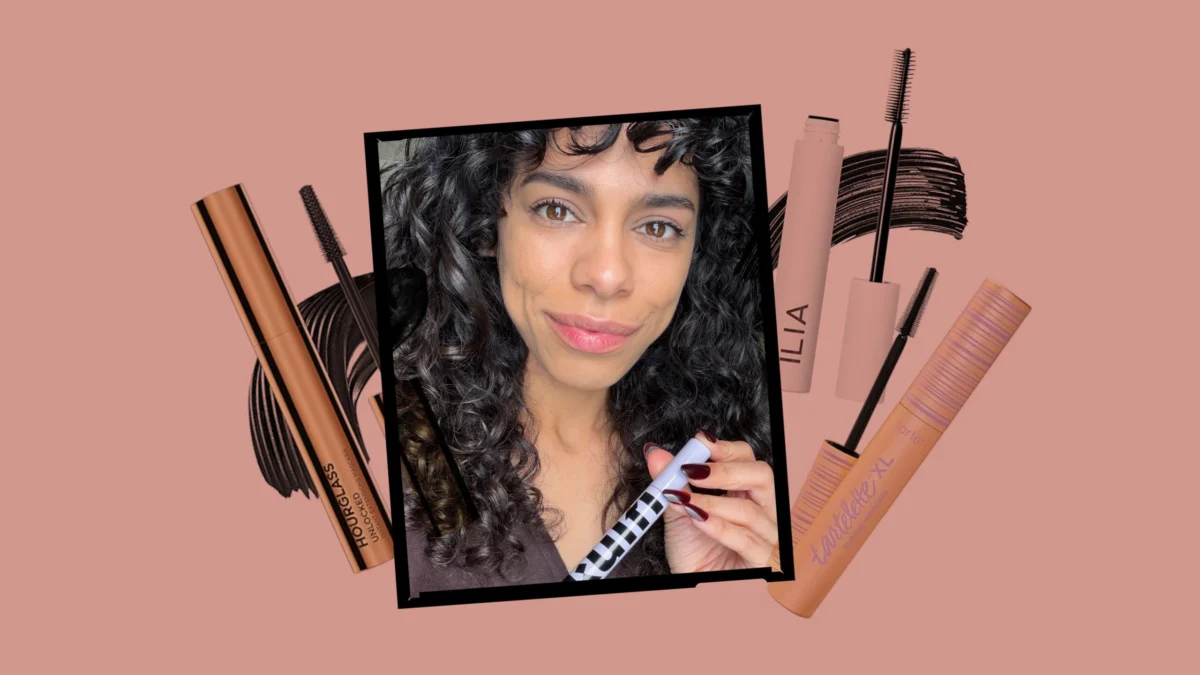
The development of reliable mascara recommendations is underpinned by a rigorous testing and review process, as exemplified by publications like Allure. This process involves a diverse panel of testers, each with unique lash types, concerns, and desired outcomes. The rationale behind this multifaceted approach is to ensure that product recommendations are applicable to a broad spectrum of consumers, rather than a narrow demographic.
The evaluation of mascaras extends beyond simply noting their immediate visual effects. Testers meticulously assess performance across several key categories: efficacy, ease of use, and value. Efficacy encompasses the mascara’s ability to deliver on its promises, whether it’s length, volume, curl, or definition, as well as its longevity and resistance to smudging and flaking. Ease of use pertains to the application process itself, including the brush design, the formula’s consistency, and how easily it can be applied without clumping or creating a heavy feel. Value considers the product’s performance in relation to its price point, determining if it offers a worthwhile investment for consumers.
In cases where innovative or novel mascara technologies are introduced, the testing process also takes into account the user experience with the applicator. Even a groundbreaking formula can be undermined if the wand is poorly designed, leading to clumps or uneven application. Therefore, the integration of formula performance with wand functionality is a critical aspect of the review process. This holistic evaluation ensures that recommendations are not only based on anecdotal success but on a thorough, evidence-based assessment of each product’s capabilities.
The Importance of Diverse Testing and Consumer Representation
Allure‘s commitment to providing trustworthy beauty recommendations is deeply rooted in its practice of employing a diverse staff and an extensive network of external testers. This conscious effort to include individuals from a wide array of backgrounds, ages, skin tones, hair textures, genders, and ethnicities is central to their editorial philosophy. The principle is straightforward: a beauty product’s claim of being "the best" is only credible if it has been validated by individuals who reflect the diversity of the intended consumer base.
For example, a skincare product marketed towards mature skin would be inadequately reviewed if tested solely by individuals in their twenties. Similarly, a hair styling tool designed for curly hair would lose its credibility if it were never tested on actual curly textures. By assembling a team whose lived experiences and physical characteristics span a broad spectrum, Allure aims to ensure that its recommendations are not only accurate but also equitable and representative. This commitment to inclusivity fosters trust and empowers consumers to make informed purchasing decisions, confident that the products they are considering have been rigorously tested by individuals who understand their unique needs and concerns. The beauty industry, in its continuous evolution, increasingly recognizes the imperative of such diverse representation to truly serve its global audience.