









The phenomenon known as fast fashion, characterized by the rapid production of inexpensive, trend-driven clothing, has emerged as a significant force in the global economy over the past few decades. While offering consumers unprecedented access to celebrity-inspired styles at accessible prices, this business model exacts a severe toll on the planet, exploits a vulnerable workforce, and contributes to widespread animal harm. This comprehensive analysis delves into the origins, mechanisms, and multifaceted consequences of fast fashion, providing a critical understanding of why its pervasive influence demands urgent reevaluation and systemic change. Our editors curate highly rated brands that are first assessed by our rigorous ratings system. Buying through our links may earn us a commission—supporting the work we do. Learn more.
From Craft to Commodity: A Historical Overview of Fashion’s Transformation
Fashion was not always the destructive industry it is today. For centuries, clothing was a valuable commodity, often handcrafted, repaired, and passed down. Before the 1800s, garments were typically made from locally sourced materials like wool, linen, or leather, requiring significant time and skill to prepare, weave, and construct. Shopping for clothes was an infrequent event, usually dictated by seasonal changes or the necessity of replacing worn-out items. The emphasis was on durability and utility, not transient trends.
The Industrial Revolution’s Catalyst
The landscape of clothing production began to shift dramatically with the advent of the Industrial Revolution in the 19th century. Innovations such as the power loom and Elias Howe’s sewing machine, patented in 1846, revolutionized textile manufacturing. Clothes became easier, quicker, and significantly cheaper to produce, transitioning from bespoke items to ready-to-wear garments accessible to a broader middle class. This period also saw the emergence of large-scale garment factories, which, while boosting production, often created hazardous working conditions. One of the most tragic early examples was the Triangle Shirtwaist Factory fire in New York City in 1911, which claimed the lives of 146 garment workers, predominantly young female immigrants, due to inadequate safety measures and locked exits. This event cast a stark light on the nascent industry’s ethical failings.
The Rise of Consumer Culture and Outsourcing
By the mid-20th century, particularly in the 1960s and 1970s, fashion evolved into a powerful form of personal expression. Experimentation with diverse styles became common, fueling a desire for larger, more varied wardrobes. This burgeoning demand laid the groundwork for the true birth of fast fashion in the 1980s. European retailers like Zara and H&M pioneered new manufacturing models. Initially, they outsourced garment sewing locally, but as labor and real estate costs rose in Western countries, production rapidly moved further afield, primarily to Asia. This geographical shift was driven by the realization that labor in countries like Bangladesh, Vietnam, and China was dramatically cheaper, allowing for greater profit margins and even lower retail prices.
The 1990s and 2000s marked the mainstream explosion of fast fashion. Brands like H&M, Zara, and Topshop scaled up their offshore manufacturing operations, becoming ubiquitous fixtures in shopping malls and high streets globally. Their strategy was simple yet revolutionary: rapidly reproduce the latest looks and design elements from high-fashion catwalks and celebrity culture, making them available to the mass market at unprecedented speeds and prices. This model made on-trend clothing accessible to almost everyone, fostering a culture where shopping became a regular hobby rather than an occasional necessity. It was The New York Times that, in the early 1990s, first coined the term "fast fashion" to describe Zara’s then-astonishing ability to take a garment from design concept to store shelves in just 15 days.
The Rana Plaza Catastrophe: A Global Wake-Up Call
The illusion of cheap, disposable fashion, detached from its true human cost, shattered for many on April 24, 2013. The collapse of the Rana Plaza building, an eight-story commercial complex housing five garment factories in Savar, Bangladesh, became a pivotal moment in the global discourse on fast fashion. The disaster killed 1,134 people and injured over 2,500, making it the deadliest garment factory accident in history.
Days before the collapse, cracks had appeared in the building, leading to an evacuation order for all but the garment workers, who were reportedly forced to return to work under threat of losing their jobs. This callous disregard for safety, driven by relentless production targets, highlighted the extreme exploitation embedded within the fast fashion supply chain. The sheer scale of the tragedy resonated globally, forcing consumers, brands, and governments to confront the grim reality behind those inexpensive $5 T-shirts. The event directly led to the formation of the Accord on Fire and Building Safety in Bangladesh, an independent, legally binding agreement between global brands and trade unions designed to ensure a safe working environment in the Bangladeshi garment industry. It also sparked the creation of Fashion Revolution Week, an annual global campaign held on the anniversary of the collapse, urging consumers to ask, "Who made my clothes?" and demand greater transparency and accountability from brands. Rana Plaza served as an undeniable, tragic reality check, revealing the profound human rights abuses inherent in the pursuit of ever-cheaper, faster fashion.
Environmental Devastation: A Planet Under Pressure
The environmental impact of fast fashion is nothing short of catastrophic, positioning the industry as one of the world’s largest polluters. The relentless pressure to reduce costs and accelerate production cycles invariably leads to environmental corners being cut, with devastating consequences.
Water Pollution and Consumption
The fashion industry is a prodigious consumer and polluter of water. The dyeing and finishing processes for textiles are particularly egregious, employing vast quantities of water and releasing a cocktail of toxic chemicals, including heavy metals, azo dyes, and formaldehyde, into waterways. This makes fashion one of the largest polluters of clean water globally, second only to agriculture. Regions with high concentrations of textile manufacturing, such as parts of China, India, and Indonesia, suffer from severely polluted rivers and groundwater, impacting local ecosystems and human health. For instance, the production of a single conventional cotton T-shirt can require up to 2,700 liters of water—the amount an average person drinks in 2.5 years—while a pair of jeans can consume over 7,500 liters. Greenpeace’s "Detox My Fashion" campaigns have successfully pressured numerous brands to eliminate dangerous chemicals from their supply chains, yet the systemic issue persists.
Material Impact and Microplastic Crisis
Fast fashion’s material choices further exacerbate its environmental footprint. Polyester, a synthetic fiber derived from fossil fuels, is one of the industry’s most popular fabrics due to its low cost and versatility. However, its production contributes significantly to greenhouse gas emissions, and its non-biodegradable nature means it persists in the environment for centuries. Furthermore, every wash of a polyester garment releases thousands of microscopic plastic fibers, or microfibres, which enter waterways and contribute to the increasing levels of plastic pollution in our oceans, eventually entering the food chain.
Even plant-based fabrics, often perceived as more sustainable, become problematic at the scale fast fashion demands. Growing conventional cotton, for example, requires enormous quantities of water and pesticides. This intensive agriculture contributes to drought risks, creates extreme stress on water basins, and leads to land degradation and competition for resources between industries and local communities, particularly in water-stressed regions like India and parts of Central Asia, where the depletion of the Aral Sea stands as a stark testament to unsustainable agricultural practices.
Massive Waste Generation
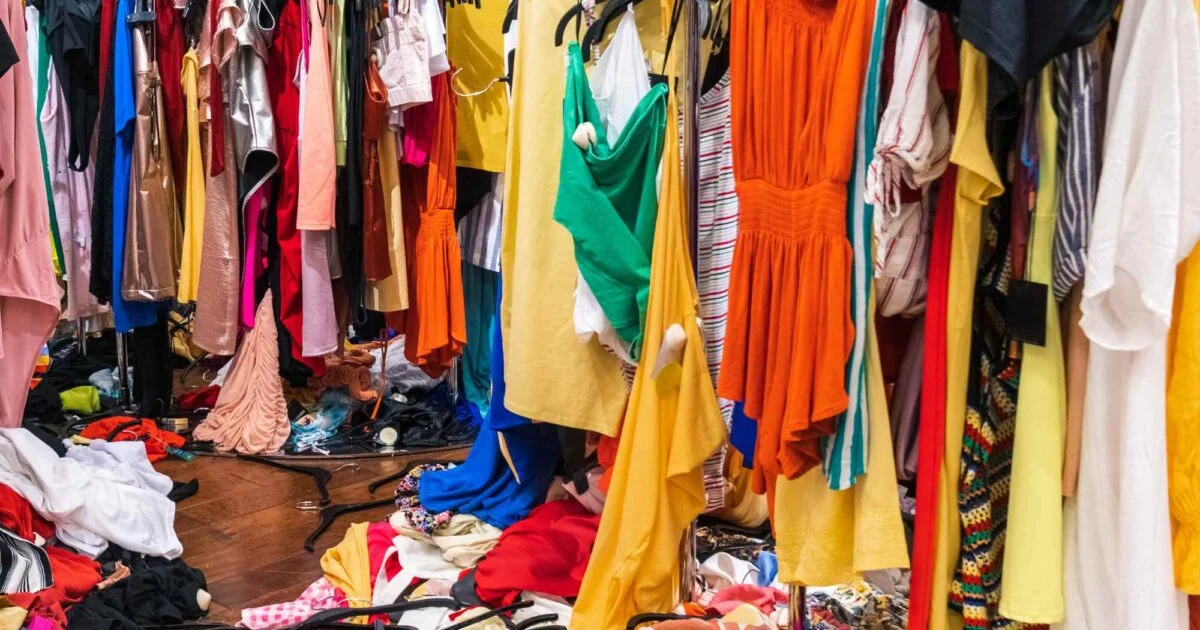
The core business model of fast fashion—constant trend cycles, encouraging frequent purchases, and built-in obsolescence through poor quality manufacturing—inevitably leads to massive amounts of textile waste. Garments are often discarded after only a few wears, either because they fall apart or because they are no longer "on-trend." It is estimated that a truckload of textiles is landfilled or incinerated every second globally. The sheer volume is staggering; some estimates suggest that between 80 billion and 150 billion new garments are produced annually. A vivid illustration of this crisis is the illegal textile waste dump in Chile’s Atacama Desert, where an estimated 39,000 tonnes of discarded clothing accumulate annually, forming a pile so vast it is visible from space. This waste contributes to landfill overflow, releases greenhouse gases like methane as it decomposes, and leaches toxic chemicals into the soil and groundwater.
Carbon Footprint
Beyond waste and pollution, the fashion industry’s overall carbon footprint is substantial. It is responsible for approximately 8-10% of global greenhouse gas emissions, exceeding the emissions of all international flights and maritime shipping combined. This includes emissions from energy-intensive manufacturing processes, the cultivation of raw materials, and the global transportation of garments from production hubs to consumer markets. Leather processing also contributes to deforestation for cattle ranching and generates further chemical pollution from tanning processes.
Exploitation and Ethical Dilemmas: The Human and Animal Toll
The ethical ramifications of fast fashion extend far beyond environmental damage, deeply impacting human lives and animal welfare.
Worker Exploitation
The drive for ever-lower costs and faster production timelines in fast fashion has a significant human cost. Garment workers, predominantly women in developing countries, often toil in dangerous environments, for meager wages, and without fundamental human rights or the protection of labor unions. When brands pressure suppliers to produce more for lower costs—a ubiquitous fast fashion practice—the financial burden is invariably passed onto the workers through below-living wages, excessive overtime, and precarious employment. Reports from organizations like the Clean Clothes Campaign consistently highlight that the majority of garment workers still do not earn a living wage, trapping them in cycles of poverty. Furthermore, brands’ reluctance to commit to long-term partnerships with supplier factories creates instability, hindering financial planning and investments in crucial initiatives like transitioning to clean energy or improving worker conditions.
Further down the supply chain, farmers who cultivate materials like cotton often work with toxic pesticides and brutal practices that can have devastating impacts on their physical and mental health. The critically acclaimed documentary "The True Cost" starkly revealed the dire conditions faced by these agricultural workers and the wider systemic issues of exploitation. Concerns about forced labor and child labor also persist in various parts of the fast fashion supply chain, particularly in regions with weak regulatory oversight.
Animal Welfare Concerns
Animals are also profoundly affected by the fast fashion model. In natural ecosystems, the toxic dyes and microfibres released into waterways are ingested by both land and marine life, entering the food chain with devastating long-term effects on biodiversity and ecosystem health. When animal-derived products such as leather, fur, and even conventional wool are incorporated into fashion, animal welfare is directly put at risk. Intensive farming practices for leather often involve deforestation for cattle grazing. The fur industry is notorious for its cruel practices, and numerous scandals have exposed instances where real fur, including that from cats and dogs, has been misleadingly marketed as faux fur to unwitting consumers, highlighting a severe lack of transparency and ethical oversight. Even seemingly innocuous materials like conventional wool can be linked to practices like mulesing, which is painful for sheep.
Consumer Coercion and Intellectual Property
Finally, fast fashion subtly but significantly impacts consumers themselves. It fosters a pervasive "throwaway culture," driven by two primary factors: the built-in obsolescence of products due to poor quality manufacturing, and the relentless speed at which new trends emerge. Fast fashion brands cultivate a constant sense of need and dissatisfaction, convincing consumers that they must continuously shop to stay "relevant" and avoid the "fashion faux pas" of outfit repeating. This cycle creates a constant churn of purchasing and discarding, leading to financial strain and a deeper sense of dissatisfaction rather than genuine fulfillment. Moreover, fast fashion has faced widespread criticism on intellectual property grounds, with numerous independent designers and smaller brands alleging that large retailers have illegally mass-produced their unique designs, stifling creativity and fair competition.
The Ultra-Fast Evolution: A New Frontier of Excess
While brands like Zara and H&M pioneered fast fashion, the 2010s witnessed the rise of an even more extreme iteration: ultra-fast fashion. Companies such as SHEIN, Missguided, Temu, and Fashion Nova have taken overproduction and overconsumption to unprecedented levels. These brands leverage sophisticated algorithms and artificial intelligence to identify emerging trends almost instantaneously from social media, then produce thousands of new styles daily at rock-bottom prices. Their direct-to-consumer models, often bypassing traditional retail, enable hyper-speed delivery and aggressive digital marketing campaigns targeting younger demographics, particularly Gen Z. This phenomenon represents a further acceleration of the toxic system, intensifying all the environmental and social harms associated with traditional fast fashion, pushing the industry deeper into unsustainable practices.
Greenwashing and Resistance: Industry Responses and Advocacy
As consumer awareness of fast fashion’s true costs grows, many retailers have introduced so-called "sustainable" and "ethical" fashion initiatives. These often include in-store recycling bins for unwanted clothing or small "eco-collections" made from organic or recycled fibers. However, critical analysis reveals these efforts are often superficial and can be categorized as greenwashing—marketing tactics designed to make consumers believe a brand is more sustainable than it truly is. For instance, studies have shown that only a minuscule 0.1% of all clothing collected by charities and take-back programs is actually recycled into new textile fibers; the vast majority is either downcycled into lower-value products or exported as waste.
The fundamental issue with fast fashion remains its inherent speed and volume of production, which places immense strain on both people and the environment. Small-scale eco-ranges or the inclusion of a single sustainable fiber cannot counteract the systemic waste, strain on natural resources, and labor exploitation embedded in the core business model. Without knowing the full extent of a brand’s material mix and production practices, these initiatives offer little genuine impact.
In response to these systemic failures, a robust movement of NGOs and advocacy groups has emerged. Organizations like Fashion Revolution, born out of the Rana Plaza tragedy, continue to demand transparency and accountability. Greenpeace’s "Detox My Fashion" campaign has successfully pushed major brands to commit to eliminating hazardous chemicals. The Clean Clothes Campaign consistently champions for living wages and safe working conditions for garment workers. These groups highlight that while a handful of the largest fast fashion brands are beginning to take some meaningful steps, true sustainability remains elusive as long as their business model is predicated on rapid turnover and mass consumption. The entire system requires a fundamental overhaul.
Regulatory Imperatives and the Future of Fashion
The trajectory of fast fashion cannot be solely left to voluntary corporate initiatives or individual consumer choices. In light of the looming climate catastrophe and persistent human rights abuses, there is a growing push for governmental and industry-wide regulations to hold fast fashion brands accountable.
Governments worldwide are beginning to table—and in some cases, pass—policies aimed at curbing the industry’s negative impacts. Key initiatives include Extended Producer Responsibility (EPR) schemes, which mandate that brands take responsibility for the entire lifecycle of their products, including their disposal and recycling. The European Union, for instance, has launched its Strategy for Sustainable and Circular Textiles, which aims to make textiles more durable, repairable, reusable, and recyclable, moving away from the linear "take-make-dispose" model. Similarly, countries like France have introduced legislation to combat greenwashing and even proposed bills specifically targeting ultra-fast fashion brands, potentially imposing environmental surcharges or restrictions on advertising.
However, critics argue that while these regulations are emerging, they often do not go far enough, and enforcement across complex, global supply chains remains a significant challenge. International cooperation is essential to prevent brands from simply relocating production to regions with weaker environmental and labor laws. The imperative to limit global warming to 1.5°C by the end of this century, as outlined by The Paris Agreement in 2015, necessitates rigorous regulation of all high-impact industries, including fashion, which is responsible for alarming amounts of waste and carbon emissions. While progress may seem slow and face governmental opposition, these legislative efforts represent a crucial step towards fostering a more responsible and sustainable future for the industry.
Towards a Conscious Wardrobe: Actionable Steps for Consumers
While systemic change requires collective action from governments and corporations, consumers also play a vital role in shifting the paradigm away from fast fashion. The enduring wisdom of British designer Vivienne Westwood encapsulates the core principle: "Buy less, choose well, make it last."
Shift Our Consumption Habits
Buy Less: This is the foundational step. Instead of constantly chasing new trends, consumers can cultivate a deeper appreciation for their existing wardrobe. Practical strategies include "shopping your closet" by restyling existing pieces, organizing clothes swaps with friends, or building a versatile capsule wardrobe of essential, timeless items. For special occasions, clothing rental services offer an excellent alternative to purchasing new garments that might only be worn once.
Choose Well: When new purchases are necessary, prioritizing quality over quantity is crucial. Opt for well-made garments from lower-impact materials. While all fiber types have their environmental considerations, informed choices can significantly reduce impact. Consulting resources like comprehensive clothing material guides can help identify more sustainable options. Choosing well also means committing to ethical brands that prioritize fair labor practices and environmental stewardship, or embracing the burgeoning second-hand market.
Make It Last: The longevity of clothing is paramount. Adhering to care instructions, repairing damaged items wherever possible (mending a tear, replacing a button), and wearing clothes until they are truly worn out are simple yet impactful actions. At the very end of a garment’s life, responsible recycling or disposal ensures that materials are diverted from landfills.
Get Educated on the Big Issues
Empowering oneself with knowledge about fast fashion’s intricate problems and the principles of sustainable fashion is a crucial part of any conscious consumer’s journey. Engaging with documentaries, books, and reputable online resources can deepen understanding and motivate more informed choices.
Learn About Fast Fashion’s Responsible Alternative: Slow Fashion
The antithesis of fast fashion, slow fashion champions quality, durability, ethical production, and timeless design. It encourages a more thoughtful approach to clothing, valuing craftsmanship, fair labor, and environmental responsibility. Many brands are actively embodying these principles, offering consumers compelling alternatives to the