





Lately, the digital landscape, particularly platforms like TikTok, has been abuzz with a compelling narrative: the pursuit of a "signature scent." This trend posits that identifying and consistently wearing a single fragrance is a marker of adulthood, a step towards a "perfectly chic and timeless lifestyle," and even a sign of having "peaked as an adult." The underlying philosophy is to establish a fragrance that becomes an indelible part of one’s personal brand, to be worn daily and indefinitely. However, this prescriptive approach is increasingly being met with a counter-movement, one that champions a more fluid and dynamic relationship with personal fragrance.
The Allure of the Singular Scent
The concept of a signature scent is not new. For decades, individuals have gravitated towards specific perfumes that resonate with their identity. This often stems from a desire for recognition and a sense of cohesive personal presentation. The argument for a signature scent often centers on its ability to become a recognizable olfactory calling card. When a particular fragrance is consistently associated with an individual, it can evoke a strong sense of their presence even when they are not physically there. This can foster a feeling of comfort, familiarity, and even a subtle form of branding.
Content creators on social media platforms are actively promoting this idea, linking it to a sense of arrival in one’s personal development. One viral video suggests that achieving a signature scent signifies reaching a pinnacle of adult sophistication. Another creator frames it as an essential element in cultivating an elegant and enduring personal style. The underlying sentiment is that by committing to a single fragrance, one simplifies a facet of personal expression, creating a reliable and consistent element in their daily presentation. This can be particularly appealing in a world that often feels chaotic and unpredictable, offering a sense of order and control.
The historical context of fragrance usage also supports the idea of a signature scent. For much of the 20th century, prominent perfumers marketed specific scents as emblems of status, elegance, and distinct personality. Brands like Chanel with No. 5, or Dior with Miss Dior, became inextricably linked with their respective eras and the archetypes they represented. Consumers were encouraged to find their scent, implying a long-term commitment. This marketing strategy ingrained the notion of a singular fragrance as a personal identifier within the cultural consciousness.
The Rise of the Fragrance Wardrobe
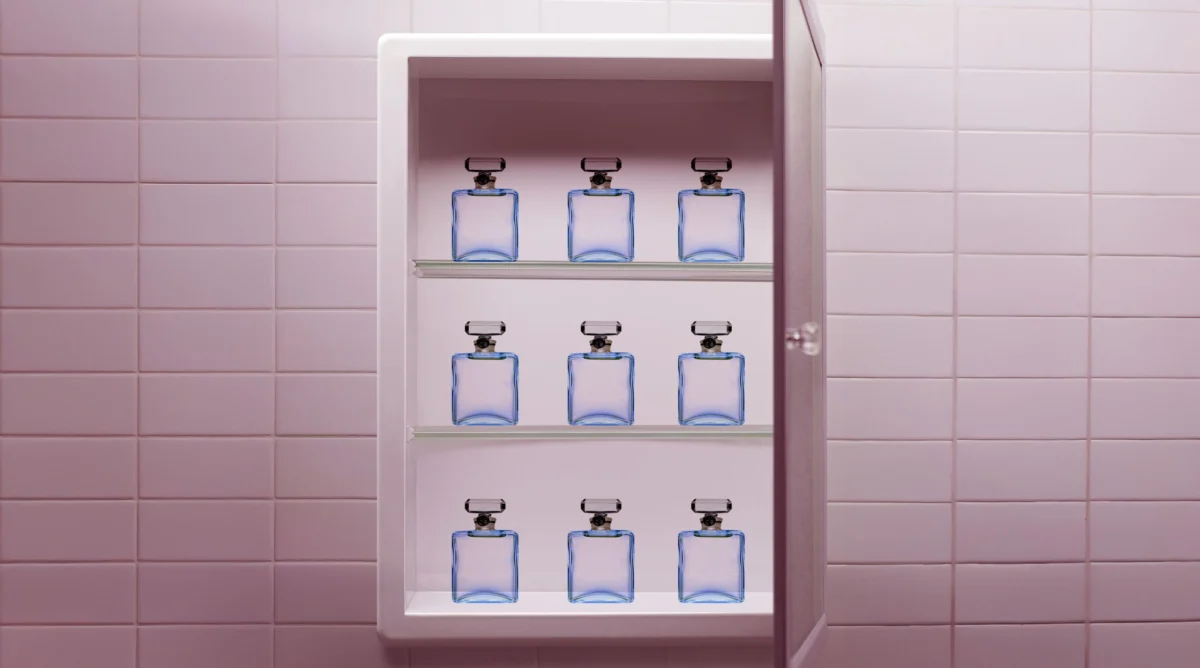
However, a growing segment of consumers and industry experts are challenging the notion that a singular scent is the ultimate expression of olfactory sophistication. This counter-narrative advocates for a more expansive approach, akin to curating a wardrobe of clothing or a collection of accessories. This perspective argues that limiting oneself to one fragrance is akin to wearing the same outfit every single day – uninspired, impractical, and often inappropriate for the occasion.
Rachel Green, founder of L’Epoque Parfums, likens the evolving relationship with fragrance to that of lip gloss. "If you look in your lip gloss drawer, you probably have 15 different pinky-nudes that are sort of the same color profile, but there’s something a little different about all of them," she explains. This analogy highlights the desire for nuanced variations within a preferred scent family, rather than a rigid adherence to a single product. Green’s brand, L’Epoque, which translates to "the era" in French, embraces this philosophy. The brand intentionally produces fragrances in smaller, 30ml bottles, encouraging consumers to use, enjoy, and eventually move on to new scents. The goal, according to Green, is to "create a small archive of who you were" during a particular period, fostering a dynamic personal narrative through scent.
This shift is also influenced by a broader cultural trend towards personalization and self-expression. In an era where individuality is highly valued, the idea of being confined to a single scent can feel restrictive. Consumers are seeking ways to reflect their moods, environments, and evolving identities through their choices. This has led to a surge in interest in "fragrance wardrobes" – collections of scents that can be chosen based on context, mood, or even the weather.
Devotees of the Signature Scent
Despite the rising popularity of fragrance wardrobes, a significant number of individuals remain steadfast in their commitment to a signature scent. Fran, who works within the fragrance industry, has exclusively worn Oud Satin Mood by Maison Francis Kurkdjian since 2023. Despite trying other fragrances, Fran consistently returns to this particular scent, describing it as a "blind buy" that proved to be an ideal match. This sentiment of unwavering loyalty is echoed by others. Dena has been wearing Lancôme Idole for seven years, and Alex has been a devotee of Prada Candy since its launch in 2011, attributing her commitment to the consistent positive feedback she receives. Her philosophy, "Don’t fix what’s not broken," encapsulates the satisfaction derived from a scent that reliably garners compliments and feels inherently "right."
The appeal of a signature scent for these individuals often lies in its simplicity and reliability. It removes the daily decision-making process of choosing a fragrance, providing a sense of comfort and familiarity. For some, it’s a deeply personal choice that has become an integral part of their identity, a scent that feels like an extension of themselves. The consistent compliments serve as external validation, reinforcing their belief that they have found the perfect olfactory match.
The Neuroscience of Scent and Memory
The power of fragrance to evoke memories and emotions is a well-documented phenomenon, often referred to as the "Proust effect." This refers to the involuntary recall of memories triggered by sensory stimuli, most notably smell. Writer Marcel Proust famously described how the taste and smell of a madeleine cake, dipped in tea, conjured a flood of childhood memories.
Venkatesh Murthy, PhD, a professor at Harvard University specializing in the neuroscience of smell, explains that this strong link between scent, memory, and emotion is rooted in the brain’s architecture. "The regions that are important for making sense of smell are also very close to those that store memories and create emotions," he states. This proximity allows olfactory information to bypass certain processing stages and directly access areas of the brain associated with memory formation and emotional response.
The author recounts personal experiences illustrating this phenomenon: Aquolina Pink Sugar evokes memories of middle school dances, while Britney Spears’ Fantasy elicits a visceral, stomach-knotting feeling reminiscent of sneaking into her sister’s room for a spritz. Conversely, Leila Lou by By Rosie Jane transports the author to a specific period of personal joy – a trip to Paris with friends in the fall of 2022. These instances underscore how scents can become powerful anchors to specific times, places, and emotional states, effectively creating a personal olfactory history.
Adaptation and the Diminishing Returns of Monotony
While the olfactory system’s ability to trigger memories is potent, a question arises: does overexposure to the same scent diminish its impact and the very memories it’s meant to evoke? Dr. Murthy notes that while there isn’t definitive scientific evidence to prove this specifically for fragrance, the broader concept of "adaptation" is relevant. "When you repeatedly experience something, then you start responding less and less to it in general," he explains. This suggests that olfactory fatigue, or desensitization, can occur when an individual is constantly exposed to the same smell. This phenomenon, in the author’s opinion, further supports the idea that a singular, unchanging fragrance routine can become dull and less impactful over time.
Dominique Astorino, a content creator based in Paris, draws a parallel between a monotonous fragrance routine and eating the same food every day: "I would get sick of that." Ironically, Astorino hosts an Airbnb experience in Paris focused on discovering signature scents at renowned fragrance houses. However, she observes that participants are often more drawn to discovery sets – collections of smaller samples – and the overall shopping experience, rather than identifying a single, lifelong fragrance. This suggests a growing consumer preference for exploration and variety over singular commitment.
Evolving Perspectives: The Anchor Scent and Fragrance Friction-Maxxing
Astorino offers a nuanced perspective, suggesting that a signature scent doesn’t have to be the only scent. Instead, it can function as an "anchor point" for a broader fragrance wardrobe. While she has an all-time favorite, Safanad by Parfums de Marly, she owns over 150 perfumes and rotates her scents almost daily. This approach allows for personal preference and comfort while still embracing variety.
The concept of "fragrance friction-maxxing" is introduced as a metaphor for actively disrupting olfactory complacency. Similar to how "friction-maxxing" in other contexts involves intentionally creating minor challenges to build resilience, fragrance friction-maxxing encourages a conscious effort to move beyond the convenience of a single, thoughtlessly chosen scent. The advice is not to amass an overwhelming collection, but to invest in a rotating selection of two or three fragrances, starting with trial sizes.
Astorino emphasizes the importance of testing perfumes in various environments and conditions, noting that "For women, you want to test it during all four weeks of your cycle because [hormones] impact your sense of scent." This highlights the dynamic nature of how fragrance interacts with individual physiology.
Diversifying the Olfactory Experience
Beyond traditional perfumes, the article encourages exploration of other scented products that can contribute to a personal aroma profile. Hair perfumes, body oils, and solid perfumes can all be layered or used independently to create a unique and harmonious blend of scents.
Jesa Marie Calaor, senior beauty editor at Allure, employs a "fragrance mullet" approach. She applies DedCool Xtra Milk to her body and clothing, reserving her wrists for more experimental scents. This strategy creates a consistent base that feels "inherently me," while allowing for daily olfactory adventures on her wrists. This layered approach offers a way to maintain a core scent identity while still embracing variety and experimentation.
Navigating the Scent Landscape: A Call for Exploration
For those unsure where to begin their fragrance journey, Astorino suggests a systematic approach: taking notes on preferred scents and identifying recurring fragrance components. The author, for instance, has identified jasmine and musk as personal favorites and has curated a rotation that includes By Rosie Jane Rosie for relaxed weekends, NOYZ Detour for the office, YSL Libre for evenings out, and Parfums de Marly Athénaïs for special occasions. This deliberate exploration allows for a personalized fragrance experience that evolves with time and circumstance.
The underlying message is one of empowerment and personal discovery. While the concept of a signature scent holds appeal for its simplicity and perceived sophistication, the modern approach to fragrance encourages a more dynamic, personal, and exploratory journey. The ultimate goal is not to adhere to a rigid definition, but to curate a scent experience that authentically reflects one’s evolving self, moods, and memories. The exploration of fragrance is presented not as a destination, but as an ongoing, exciting adventure.