







The modern wedding, a joyous declaration of unity, is increasingly becoming a profound statement of shared values, extending beyond personal commitment to encompass environmental and social responsibility. As couples meticulously plan their momentous occasion, a burgeoning movement is challenging traditional consumption patterns, steering them towards choices that champion the well-being of the planet and its inhabitants. This shift is particularly evident in the realm of wedding attire, where the pursuit of the "perfect" garment now often includes an imperative for ethical sourcing and sustainable production. This article delves into the growing demand for sustainable and ethical wedding outfits, exploring the motivations behind this trend, the diverse avenues available, and the pioneering brands leading the charge.
The Unseen Environmental Footprint of Traditional Weddings
Weddings, while deeply personal, carry a significant collective environmental footprint. Beyond the ephemeral beauty, the celebratory nature often results in substantial waste and resource consumption. Industry analyses reveal that an average wedding can generate between 400 to 600 pounds of waste and emit approximately 63 tons of carbon dioxide, largely from travel, venue operations, decor, and single-use items. Plastic confetti, once scattered in jubilant celebration, can persist in the environment for centuries, breaking down into microplastics that contaminate ecosystems. Similarly, the reliance on single-use cups, cutlery, and elaborate floral arrangements flown in from distant lands contributes to a cycle of consumption that is increasingly at odds with contemporary environmental consciousness.
The textile industry, a primary component of wedding attire, is notoriously resource-intensive and often riddled with ethical complexities. It accounts for an estimated 10% of global carbon emissions, consumes vast quantities of water, and frequently relies on exploitative labor practices. The production of a single conventional wedding gown, for instance, can involve extensive chemical treatments, non-renewable synthetic fabrics, and a complex global supply chain where transparency is often lacking. For couples whose daily lives are guided by principles of sustainability and social justice, overlooking these issues on their wedding day has become an increasingly difficult proposition. The wedding day, meant to celebrate the alignment of values, is now seen as an opportunity to amplify those ethics, ensuring that the joy of the union does not come at an undue cost to people or the planet.
The Imperative for Ethical Attire: Aligning Celebration with Core Values
The decision to opt for a more ethical wedding outfit is driven by a confluence of factors, foremost among them a deep-seated desire to align personal celebrations with core ethical beliefs. For many, the wedding day represents a public affirmation of identity and values, making the choice of attire a symbolic act. This extends to fair labor practices, where the knowledge that garment workers along the supply chain are paid a living wage and work in safe conditions is paramount. Research by organizations dedicated to labor rights indicates that an alarming 98% of garment workers globally do not earn a living wage, a statistic that conscious consumers find increasingly unacceptable.
Furthermore, environmental concerns play a critical role. Couples are increasingly aware of the provenance of their clothing, seeking materials that are organic, recycled, upcycled, or made from innovative, lower-impact alternatives. The impact on animal welfare is another significant consideration, leading to a rise in demand for vegan and cruelty-free options that eschew animal-derived materials like silk, leather, and wool, opting instead for plant-based or recycled synthetics. The lifecycle of the garment, from raw material extraction to manufacturing, transportation, and eventual disposal, is now scrutinized, with a preference for items designed for longevity or circularity. This holistic approach to consumption ensures that the beauty of the wedding garment is not superficial but deeply rooted in responsible practices.
The Circular Economy in Bridal Wear: Embracing Secondhand and Vintage
For couples prioritizing environmental responsibility and budget consciousness, embracing the circular economy through secondhand and vintage wedding attire stands out as the most impactful choice. The production of new textiles, even those deemed "sustainable," still requires resources and energy. By choosing a pre-existing garment, couples significantly reduce their environmental footprint, diverting textiles from landfills and extending the life cycle of beautiful clothing. Globally, less than 1% of clothing is recycled into new garments, with the average person discarding approximately 70 pounds of clothing per year. Opting for vintage or pre-owned directly counters this pervasive waste.
The appeal of vintage and secondhand extends beyond ecological benefits. These garments often possess a unique charm, historical narrative, and level of craftsmanship that is rarely found in mass-produced modern attire. Industry experts and vintage enthusiasts note that older pieces frequently feature intricate detailing, luxurious fabrics, and timeless designs that confer a distinctive elegance. The rise of online resale platforms specializing in bridal wear, alongside traditional charity shops, thrift stores, and curated vintage boutiques, has made accessing these unique pieces easier than ever. These platforms and physical stores offer diverse styles, from Edwardian lace to 1950s silhouettes and bohemian 1970s gowns, providing a treasure trove for those seeking individuality. Moreover, the financial savings can be substantial, allowing couples to allocate resources to other aspects of their wedding or future life together. The process of searching for a vintage piece also becomes an adventure, imbuing the chosen outfit with a personal story and a sense of discovery that a brand-new purchase might lack. This trend underscores a broader cultural shift towards valuing uniqueness, history, and mindful consumption over fleeting trends.
Innovations in New Sustainable Bridal Wear: A Curated Selection
While secondhand remains the most sustainable option, the market for newly produced ethical wedding attire is rapidly expanding, driven by consumer demand and innovative brands. For those who desire a brand-new garment, perhaps for sentimental reasons or a specific aesthetic not found in pre-owned markets, a growing number of designers are committed to responsible practices. Platforms like Good On You play a crucial role in navigating this landscape, offering a rigorous ratings system that independently assesses brands based on their impact on people, the planet, and animals. This transparency allows consumers to make informed choices, supporting companies that prioritize fair labor, lower-impact materials, and responsible manufacturing. The following curated selection highlights brands recognized for their commitment to sustainability in wedding dresses, suits, and accessories.
Sustainable Wedding Dresses
The bridal gown, a centerpiece of wedding fashion, is undergoing a profound transformation as designers embrace sustainable principles. Traditional silk, satin, and lace are being re-evaluated, making way for organic cotton, linen, recycled synthetics, and innovative deadstock fabrics.
- Christy Dawn: This US-based brand, rated "Great" by Good On You, is celebrated for its minimalist, vintage-inspired women’s clothing and footwear. Christy Dawn notably uses surplus fabric, rescuing high-quality materials from ending up in landfills. Their "Farm-to-Closet" initiative also involves regenerative cotton farming, creating a closed-loop system that enhances soil health and biodiversity. Available in standard sizes XS-XL, with extended and petite collections, they offer elegant, timeless designs that can be re-worn long after the wedding day.
- Reformation: An LA-based pioneer in sustainable fashion, Reformation is renowned for its "killer clothes that don’t kill the environment." The brand is highly transparent about its supply chain, ensuring a proportion of its suppliers pay a living wage and providing training to improve working conditions. They prioritize materials like Tencel, recycled fabrics, and deadstock, meticulously tracking their environmental footprint. Their diverse range, available in sizes XS-3XL, includes chic and modern bridal options.
- Whimsy + Row: Born from a love for quality and responsible practices, Whimsy + Row is a US-based lifestyle brand utilizing deadstock fabrics and short production runs to minimize waste. They actively reduce packaging waste and conserve water resources in their manufacturing processes. Most products are available in XS-XL, with an extended sizing range up to 3XL, offering versatile pieces for various bridal occasions.
- OMNES: This UK-based brand aims to change how consumers "shop, wear and think about clothing." OMNES focuses on creating high-quality, more responsible, and affordable womenswear, with a strong emphasis on sustainable materials and ethical production. Their commitment to encouraging industry-wide change makes them a compelling choice for conscious brides. Sizes typically range from 6-20.
- SeamsFriendly: For a truly personalized and sustainable experience, SeamsFriendly offers customisable tailored pieces for all body types. They prioritize lower-impact materials such as organic cotton and linen, focusing on function and utility. Their unique offering allows shoppers to customise every aspect of their garment—neck style, sleeve length, fabric, and more—ensuring a perfect fit and minimizing returns. With extensive custom sizing for women (bust 26"-70", waist 19"-63") and men (chest 34"-76"), and a kids’ range, they embody bespoke sustainability.
- Dressarte Paris: This brand specializes in custom clothes using luxurious, lower-impact materials, often sourced from surplus stock. Dressarte Paris operates on a made-to-order model, significantly reducing waste associated with overproduction. Brides can choose from existing sizes or provide their own measurements for a perfectly fitted, unique gown crafted with ethical considerations at its core.
Ethical Wedding Suits
The market for ethical men’s and women’s suits is also evolving, with brands focusing on recycled materials, organic fabrics, and fair labor practices to provide stylish and sustainable alternatives.
- Facettes Studio: This Parisian brand offers "wardrobe essentials for the multifaceted woman," with a strong emphasis on suits. They use upcycled materials and have banned polyester and polyamide from their collections, demonstrating a clear commitment to environmental responsibility. Facettes Studio also provides a repairs and alterations service, promoting garment longevity. Available in sizes FR 34-44.
- HERTH: An Italian lifestyle brand, HERTH combines sustainability and ethics with timeless aesthetics. Their design philosophy promotes slow fashion, creating contemporary pieces with clean silhouettes and meticulous attention to detail. Crafted by local Italian artisans using lower-impact materials, HERTH embodies effortless luxury and supports regional craftsmanship. Sizes range from XS to 2XL.
- WILDA.ECO: Specializing in vegan fashion, WILDA.ECO focuses on minimalism, timeless design, and inclusive sizing. Their commitment to animal welfare is central, offering stylish options free from animal-derived materials. Their clothes are also personalizable for different heights, ensuring a tailored fit.
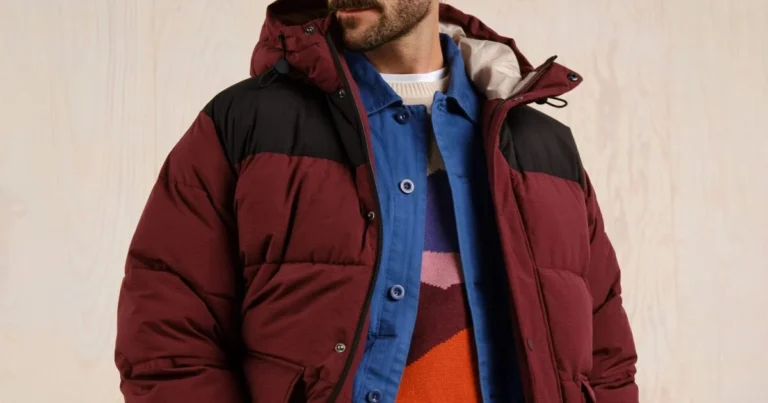
- Neem: Hailing from the UK, Neem designs men’s clothing with a sharp focus on transparent supply chains and environmental safeguarding. They prioritize recycled fabrics and responsible manufacturing, offering a sophisticated choice for grooms and wedding guests. Most items are available in sizes S-2XL.
- CARPASUS: This Swiss menswear brand offers fine shirts, ties, socks, and pocket squares. CARPASUS uses GOTS certified organic cotton and manufactures locally to reduce its carbon footprint. They meticulously trace their supply chain and ensure workers are paid a living wage, setting a high standard for ethical production. Products are typically found in EU sizes 36-46.
Sustainable Wedding Shoes, Bags, and Jewellery
Accessories complete any wedding ensemble, and ethical choices abound for shoes, bags, and jewellery, ensuring every detail reflects conscious consumerism.
- ESSÄN: Founded by Marre Muijs in response to fashion’s overproduction, ESSÄN is a shoes and accessories brand that eschews fast fashion cycles. They limit production runs, use low-waste cutting techniques, and offer a single, permanent collection of timeless designs. This approach minimizes waste and encourages thoughtful consumption.
- Nisolo: This American brand is a leader in prioritizing living wages throughout its supply chains, while also actively working to combat climate change through reforestation initiatives and sustainable leather sourcing. Their high-quality, ethically produced shoes are available in EU sizes 35-42.
- Mashu: A British vegan accessories label, Mashu specializes in handbags with a "Good" environmental rating. They craft exteriors with innovative vegan leather alternatives (e.g., made from cactus or apple waste) and interiors from recycled polyester, proving that style and ethics can coexist beautifully.
- HYER GOODS: Based in NY, HYER GOODS curates handmade leather goods, including handbags, wallets, and accessories, by upcycling "trash." By utilizing discarded leather scraps, they eliminate the massive energy footprint associated with cultivating new land and livestock, significantly reducing waste and greenhouse gas emissions.
- FUTURA Jewelry: This New York-based responsible jewellery brand crafts each piece with mercury-free 18kt Certified Fairmined Ecological gold. This gold comes from the world’s only three certified Fairmined mines that extract gold without toxic chemicals like mercury and cyanide, ensuring both environmental purity and fair labor practices.
- Bario Neal: A custom jewellery designer, Bario Neal creates handmade rings and fine jewellery using conflict-free diamonds and other gemstones. They prioritize lower-impact materials, including reclaimed precious metals and Fairmined gold, to create unique, ethically sourced pieces that tell a story of responsibility.
- ARTICLE22: Every piece of ARTICLE22 jewellery is handcrafted in Laos using recycled materials from Vietnam War bombs, plane parts, military hardware, and other aluminum scraps. This innovative brand transforms remnants of conflict into beautiful, globally marketable products, while equipping local artisans with new skills and a sustainable income. ARTICLE22 actively gives back, supporting the clearance of unexploded bombs in Laos and donating a proportion of profit to community development for workers. Available in sizes S-XL.
Beyond the Aisle: Extending the Life of Wedding Attire
The commitment to sustainability in wedding attire extends far beyond the ceremony itself. For those who choose to purchase a new garment, ensuring its longevity and utility post-wedding is a critical aspect of responsible consumption. Sustainability advocates emphasize that the true measure of a garment’s ethical footprint encompasses its entire lifespan, not just its initial acquisition.
Giving wedding attire a second life not only reduces textile waste but also maximizes the value and emotional significance of the garment. Brides can consider altering their wedding dress into a shorter cocktail dress, a skirt, or dyeing it a different color for future events. Grooms’ suits can be easily integrated into their everyday professional or formal wardrobes. Alternatively, garments can be donated to organizations that provide wedding attire to those in need, offering joy to others while extending the item’s utility. Selling the outfit through consignment shops or online platforms is another excellent way to participate in the circular economy, recouping some of the cost and allowing another individual to cherish the piece. Repurposing elements of the dress or suit into other meaningful items, such as christening gowns for future children or decorative elements for the home, adds a layer of sentimental value and creativity. These practices collectively contribute to a more sustainable fashion ecosystem, demonstrating that wedding celebrations can indeed be both grand and green.
Broader Impact and Future Outlook
The increasing demand for ethical and sustainable wedding attire signifies a broader cultural shift towards conscious consumerism and responsible living. This movement challenges the long-standing traditions of disposable fashion and event planning, paving the way for a more mindful and impactful approach to celebrations. The implications for the traditional bridal industry are significant, prompting established retailers to re-evaluate their supply chains, material sourcing, and waste management practices. This trend opens new opportunities for innovative designers and brands that prioritize transparency, ethical labor, and environmental stewardship, fostering a more diverse and responsible market.
Looking ahead, the future of wedding fashion is likely to be characterized by greater customization, increased use of circular design principles, and a continued emphasis on local production and craftsmanship. Policy initiatives supporting sustainable textile production and clearer labeling standards for ethical claims will further empower consumers. As couples continue to seek ways to express their values through their most significant life events, the wedding industry will undoubtedly continue its evolution towards practices that honor both personal commitment and global responsibility, proving that true love can indeed be sustainable.
Editor’s note: Feature image via Sabina Motasem, all other images via brands mentioned. Good On You publishes the world’s most comprehensive ratings of fashion and beauty brands’ impact on people, the planet, and animals. Use our directory to search thousands of rated brands. This article was updated on 6 May 2026. Our editors frequently make updates to articles to ensure they’re current, refreshing selections to reflect recent ratings and product picks.