








The term "business casual" itself is an oxymoron, a phrase that initially conjured images of confusion rather than sartorial clarity. Coined in the era of burgeoning tech industries and a shifting corporate culture, it represented a departure from the rigid formality of suits and ties. Yet, its very ambiguity has led to decades of interpretation, debate, and ultimately, a surprisingly enduring place in the modern professional wardrobe.

The Genesis of a Contradiction: A Historical Perspective
The roots of business casual can be traced back to the late 20th century, specifically the innovative and often unconventional environment of Silicon Valley. As technology companies prioritized innovation and a less hierarchical structure, traditional dress codes began to feel anachronistic. The mantra became about results over rigid adherence to outdated protocols. This sentiment was amplified by the rise of "Casual Friday," a concept that, while seemingly benign, opened the door to broader acceptance of less formal attire in the workplace.
Josh Sims, author of "Men of Style," notes that business casual "helped change attitudes to how men could or should dress at (white collar) work, prefiguring the breakdown of office dress codes over the past couple of decades, especially since the tech boom." This cultural shift wasn’t confined to the West Coast; it rippled across industries and continents. By the early 2000s, even traditionally conservative sectors like finance and law began to re-evaluate their dress policies. JP Morgan, for instance, introduced a "business-casual" policy in 2016, acknowledging the evolving workplace dynamic. This move, despite some employee concerns about appearing less client-facing, signaled a significant shift.
The Hawaiian Fashion Guild’s "Aloha Fridays" in 1966 is often cited as an early precursor, advocating for more relaxed office attire. However, it was the American workwear brand Dockers that played a pivotal role in formalizing the concept. In 1992, their "Guide To Casual Business Wear" was distributed to thousands of HR managers, aiming to provide a framework for this new sartorial landscape. Despite these efforts, the confusion persisted, with the Chicago Tribune declaring in 1995, "Welcome to the confusing world of business-casual."
Deconstructing the Modern Business Casual Wardrobe
In today’s professional environment, business casual is less about strict rules and more about understanding the nuances of smart, yet relaxed, dressing. It’s about striking a balance between professionalism and comfort, an equilibrium that allows for individual expression without undermining workplace decorum.
Key Components of a Modern Business Casual Ensemble
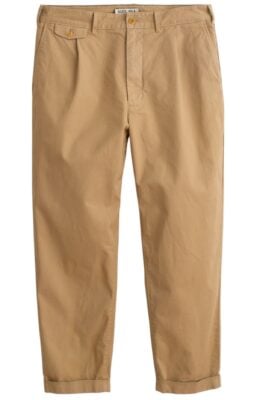
1. The Versatile Chino: Often considered the cornerstone of business casual, chinos have evolved significantly from their military origins. Unlike denim, which carries connotations of blue-collar workwear, chinos offer a cleaner, more polished aesthetic. The Alex Mill Standard Pleated Pant exemplifies this evolution, offering a refined silhouette. Darker hues are generally considered dressier and more flattering, while elements like pleats and tab closures add a touch of formality. Conversely, rolling up the cuffs leans towards a more casual presentation.
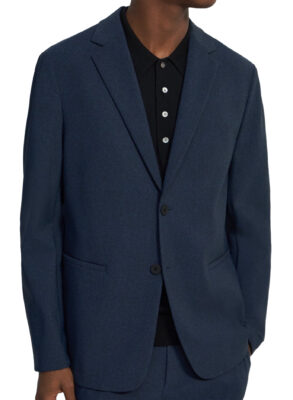
2. The Unstructured Blazer: While the full suit may be making a comeback in certain high-fashion circles, the blazer remains a vital component of business casual. The key is to opt for an "unstructured" design. These blazers feature less padding and canvassing, resulting in a softer, more relaxed drape. Brands like Theory offer iterations in performance knits or sweatshirt-style jersey, effectively bridging the gap between a tailored jacket and comfortable knitwear. This approach allows even a T-shirt and jeans to gain a more professional veneer.
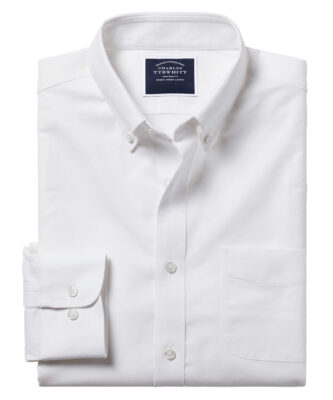
3. The Oxford Shirt: The Oxford button-down shirt is a time-tested staple. Its inherent softness and button-down collar offer a more relaxed alternative to the starched poplin shirts typically associated with formal business attire. Charles Tyrwhitt’s Non-Iron Oxford Shirt is a prime example, offering both practicality and style. Considerations for the modern Oxford shirt include the collar width – a narrower collar often appears more contemporary – and the shirt’s length, ensuring it can be worn tucked or untucked appropriately.
4. The Refined Polo Shirt: The polo shirt, often maligned as the uniform of middle management, can be a sophisticated choice when styled correctly. Its collared design and partial button placket place it between a T-shirt and a dress shirt. Opting for long sleeves and premium fabrics like merino wool, as seen in the Velasca Bard Merino Long Sleeve Polo, elevates its sartorial standing. Discreet branding is also key, reinforcing a sense of understated elegance.

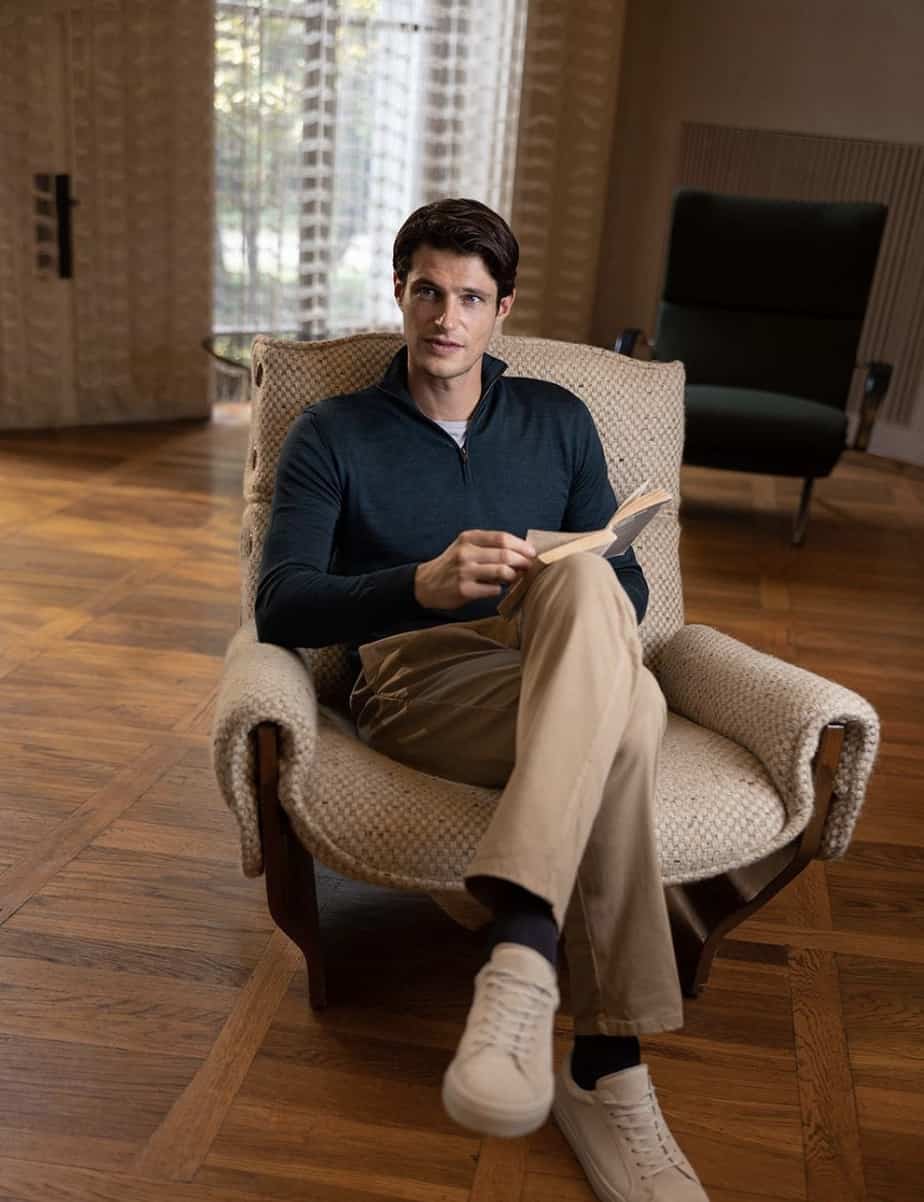
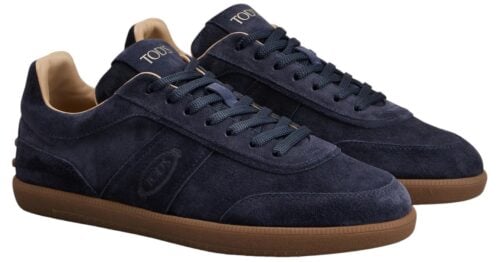
5. The Smart Trainer: The notion of wearing trainers to work was once unthinkable. However, the landscape has dramatically shifted. Smart trainers, characterized by dark leather or suede uppers, a sleek profile, and clean designs, have become acceptable. Tod’s Tabs Sneakers, for example, offer a sophisticated take on athletic footwear, possessing some of the polish of a traditional shoe. The absence of loud branding and excessive detailing is crucial for maintaining a professional appearance.
Styling Strategies for the Modern Professional
Beyond individual pieces, the art of business casual lies in thoughtful coordination and an understanding of context.
1. Restructure Your Officewear
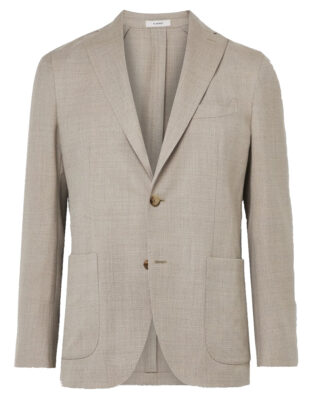
The unstructured blazer is a powerful tool for achieving a relaxed yet polished look. Italian brands like Boglioli and Barena are renowned for their expertise in this area. The key is to embrace softer materials and slightly shorter silhouettes. These blazers, often made from boiled or Merino wool, can feel as comfortable as a cardigan but retain a distinctly smarter edge than a hoodie.
2. Consider Alternative Outerwear
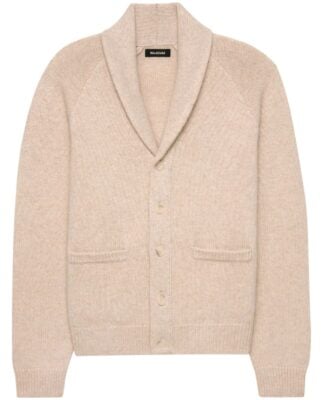
If a blazer feels too formal, a shawl-collar cardigan can serve as an excellent business-casual alternative. Avoid overly chunky knits or rustic details. Chore jackets, with their utilitarian yet refined aesthetic, also offer a smart option that bridges the gap between a blazer and a casual jacket. Lightweight bomber jackets in refined fabrics like wool or cotton can also function as a blazer substitute, particularly in darker hues.
3. Master the Art of Layering
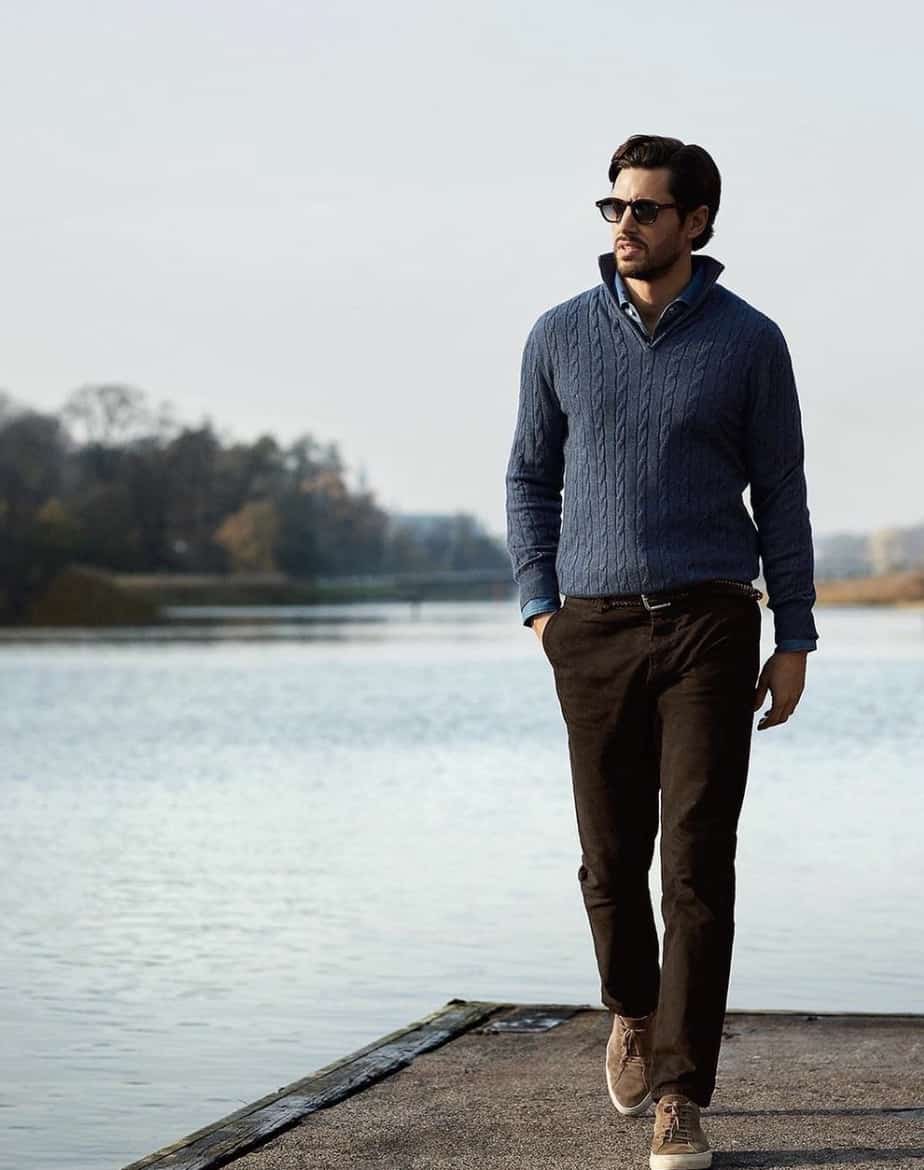
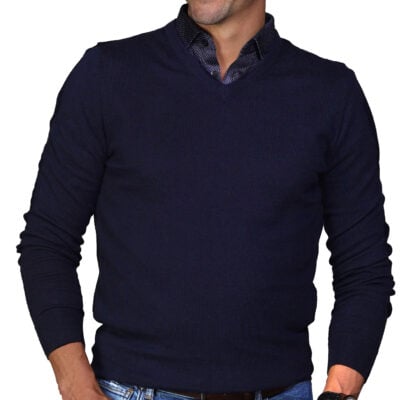
Layering allows for adaptability and adds visual interest. Crew-neck sweaters are generally more modern and versatile than V-necks in a business-casual context, offering a clean silhouette that pairs well with both shirts and blazers. Knitted bombers or zip-up track tops, made from refined materials, can also provide a contemporary layering piece. The crucial element is to balance the casual nature of these items with smarter counterparts, such as button-up shirts and tailored trousers.
4. Elevate Everyday Basics
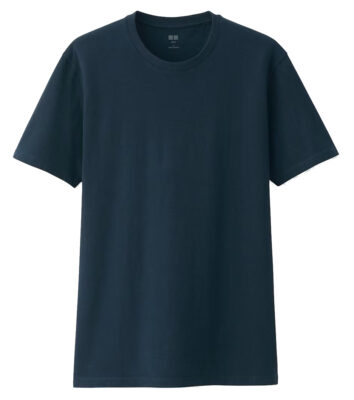
The humble T-shirt can be integrated into a business-casual ensemble, but quality and fit are paramount. Opt for well-made T-shirts in premium fabrics like Supima cotton (as offered by Uniqlo), ensuring they are neither too thick nor too sheer. The neckline should be refined, avoiding overly casual styles. Similarly, chambray or denim shirts offer a textured alternative to traditional Oxford cloth, adding visual depth to an outfit. Collarless or grandad shirts present a modern, minimalist option.
5. The Nuance of Trousers
The choice of trousers significantly impacts the overall formality of an outfit. While tailored trousers can complement a more casual top, overly thin or shiny fabrics should be avoided. Chinos remain a reliable choice, with flat fronts and tapered fits offering a contemporary look. Pleats and creases add a dressier element. The athleisure trend has also introduced trousers and chinos with drawstring waists, providing comfort and a modern edge, best paired with untucked shirts or polos.
6. Denim as a Professional Option
Dark wash, selvedge denim jeans, free from rips or excessive distressing, can be integrated into a business-casual wardrobe. Black or navy denim often appears smarter due to tonal stitching and rivets. Turn-ups, however, tend to make jeans more casual.
7. Footwear Finesse
The "Footsie Index" suggests that sleeker, shinier shoes are generally smarter. Brogues are a safe bet, while chunky Derbies can offer a more contemporary feel. Smart trainers, as previously mentioned, are a viable option, provided they are clean and minimalist. Avoid high-top styles, which are too informal.
8. The Importance of Accessories
Accessories can elevate even the most casual business-casual outfit. A well-chosen watch, particularly one with a metal bracelet or a Milanese mesh strap, adds a touch of sophistication. A structured leather backpack or a refined briefcase can also enhance the professional appearance.
Navigating the Dos and Don’ts
A clear set of guidelines can help men confidently navigate the nuances of business casual:
DO:
- Embrace Workwear Elements: Puffer vests and structured trousers are acceptable, but avoid overly casual workwear like overalls.
- Prioritize Presentation: Ensure all items are clean, well-maintained, and free from tears or stains.
- Err on the Side of Caution: If in doubt, opt for slightly dressier items like chinos over jeans, or smart shoes over trainers.
- Consider Your Industry: A startup’s dress code will differ significantly from that of a law firm.
- Mix Textures: Combining different fabric textures can add depth and interest to an outfit, making it feel more casual.
- Utilize Patterns: Patterns, especially in lighter colors or coarser fabrics, can help to dress down more formal pieces.
- Check Your Schedule: Less formal attire is generally acceptable on days without high-profile meetings or client interactions.
- Invest in Quality Accessories: A good watch and a leather bag can significantly enhance a business-casual look.
DON’T:
- Wear Worn-Out Items: Avoid anything that looks excessively used, torn, or stained.
- Be Overly Casual: While dressing down is the goal, being too informal can lead to negative perceptions.
- Dress Like a Worker Drone: While business casual offers flexibility, it doesn’t mean sacrificing all sense of professionalism.
- Neglect Presentation: Casual items should still be pristine, not your loungewear.
- Mix Business with Overt Athleisure: While sporty elements can work, avoid anything that looks like gym wear.
- Wear Pinstripes (Unless Deliberately Styled): Traditional pinstripes often convey a strong business message.
- Underestimate the Impact of Your Schedule: Always be prepared to dress more formally if the situation demands it.
- Wear Flip-Flops: Footwear is critical; flip-flops are universally considered too casual for most professional environments.
The Enduring Relevance of Business Casual

Despite its often-confusing origins, business casual has proven to be a remarkably resilient dress code. It reflects a broader societal shift towards comfort and individuality in the workplace, while still acknowledging the need for a degree of professionalism. As the lines between work and personal life continue to blur, the ability to adapt and present oneself appropriately in various professional contexts remains a valuable skill. The business casual code, in its evolved form, offers a flexible and stylish solution for the modern professional.