






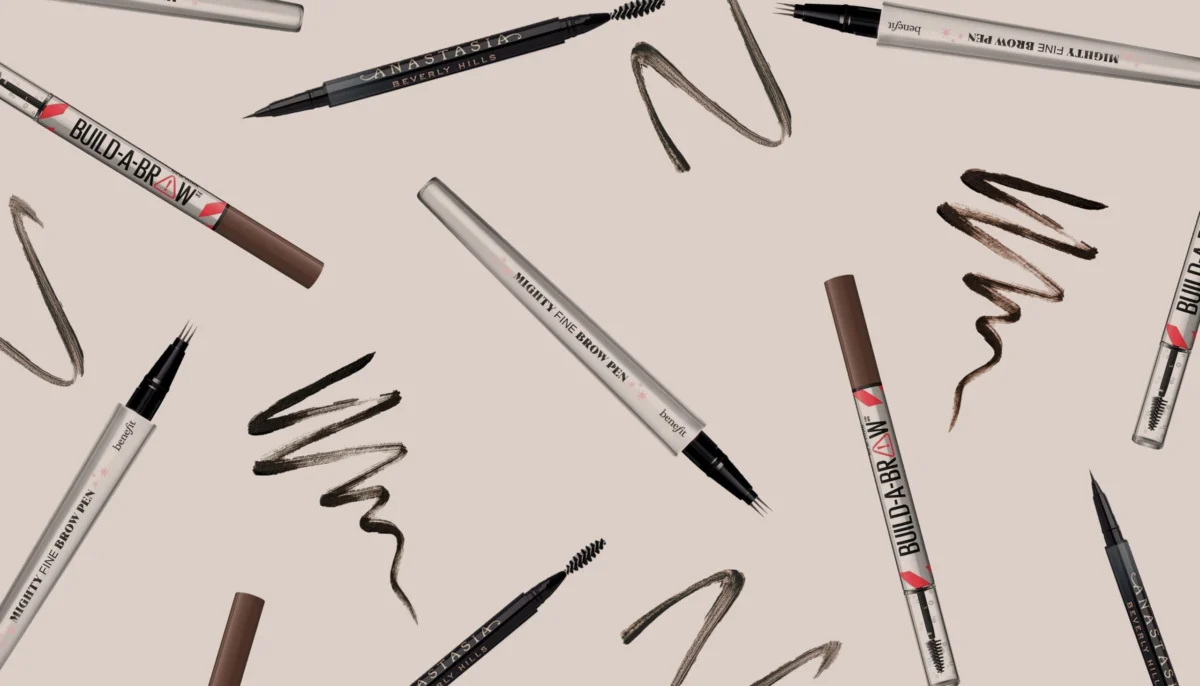
The pursuit of perfectly sculpted eyebrows has become a cornerstone of modern beauty routines, with consumers increasingly seeking precise and effective tools to achieve their desired look. Among the array of brow-enhancing products available, brow pencils and brow pens stand out as distinct yet often conflated options. Understanding their fundamental differences in application, effect, and intended use is crucial for individuals aiming to master the art of brow definition. This exploration delves into the specific characteristics of each product, drawing on expert insights and industry best practices to illuminate their unique contributions to achieving flawless brows.
Brow Pencils: The Foundation of Fullness
Brow pencils are generally designed to create an overall sense of density and fullness within the eyebrow. Their formulation and tip design allow for a broader application, enabling users to fill in sparser areas and build up the brow’s natural shape. According to beauty industry professionals, a key advantage of brow pencils lies in their versatility. They can be applied across the entire brow area, and their pigment can then be diffused and softened using a spoolie brush. This blending technique is essential for achieving a natural, non-strikethrough appearance, effectively mimicking the look of naturally grown brow hairs.
The application of a brow pencil typically involves drawing light, feathery strokes in the direction of hair growth, gradually building color and intensity. For those seeking to add volume or correct asymmetry, pencils offer a forgiving medium that allows for easy correction and layering. The diffused finish achieved with a spoolie makes them ideal for creating a softer, more lived-in brow look, suitable for everyday wear. The wax-based or powder-like consistency of many brow pencils also contributes to their ability to adhere well to the skin and existing brow hairs, providing a stable base for further definition.
Brow Pens: Precision for Individual Hair Strokes
In contrast to the broader application of pencils, brow pens are engineered for precision. Their fine-tip applicators, often resembling felt-tip pens or liquid eyeliner pens, are specifically designed to mimic the appearance of individual brow hairs. This targeted approach makes brow pens particularly effective for individuals with sparse brows or those seeking to add hyper-realistic definition. Experts highlight that brow pens excel at filling in gaps with the utmost accuracy, creating the illusion of naturally growing hairs where none may exist.
The primary utility of brow pens lies in their ability to draw fine, hair-like strokes with remarkable control. This precision is invaluable for defining specific areas of the brow, such as the arch, the front (or "head") of the brow, or the tail. For individuals experiencing significant thinning or hair loss in these areas, a brow pen can be a transformative tool, restoring a sense of completeness and structure to the brow. The sharp, defined lines that can be achieved with a brow pen offer a more structured and polished finish, which can be particularly desirable for evening or photographic makeup looks.
The Application Process: Mastering Brow Pen Techniques
Achieving optimal results with a brow pen requires careful preparation and a nuanced application technique. Makeup artists universally emphasize the importance of a clean, oil-free canvas for brow application. According to Katie Jane Hughes, a New York City-based makeup artist, brows must be "completely clean and oil-free" before applying a brow pen. This means ensuring that no moisturizers, serums, oils, or even slick highlighters are present in the brow area. Any residual oil or moisture can cause the pen’s pigment to skip, fade, or smudge, compromising the desired precise lines.
The optimal time to apply a brow pen within a makeup routine is also a critical consideration. It is generally recommended to apply brow pens after complexion products like foundation, concealer, and bronzer have been applied. This sequence prevents the accidental smudging or covering of freshly drawn brow strokes with subsequent facial makeup. By applying the brow pen after the base makeup is set, users can ensure that their carefully crafted strokes remain intact and distinct.
For beginners, a light hand is paramount when using a brow pen. The technique should focus on short, delicate strokes that follow the natural direction of brow hair growth. A common approach involves applying a few light flicks towards the front of the brow to create a subtle "cowlick" effect, adding a touch of natural texture. Further light strokes can then be applied to the tail of the brow to elongate and define its shape.
To achieve a fluffy, natural finish, a strategic spacing between strokes is advised. Rather than filling in the brow densely, leaving small gaps between the drawn hairs will create the illusion of fuller, more voluminous arches without appearing overly painted or artificial. This technique is particularly effective for enhancing the natural shape and texture of existing brow hairs.
The final step in the brow pen application process, regardless of the desired finish, typically involves brushing the brows with a spoolie. This helps to blend the drawn strokes with the natural brow hairs, soften any harsh lines, and further diffuse the pigment for a more cohesive and natural appearance.
Shade Selection: The Key to Dimension and Naturalism
The choice of shade for brow pens is as crucial as the application technique itself. Experts suggest opting for a shade that is slightly lighter than the natural brow hairs. This strategic choice serves to add dimension and fullness without making the brows appear too dark or heavy. A lighter shade can create a subtle contrast that enhances the perceived depth and texture of the brows, contributing to a more natural and nuanced look. Conversely, using a shade that is too dark can result in an overly stark and artificial appearance, detracting from the desired natural aesthetic.
Testing and Review Methodology: Ensuring Quality and Inclusivity
The evaluation of beauty products, particularly those as personal as brow enhancers, is a rigorous process at Allure. The publication’s commitment to providing reliable and trustworthy recommendations is underpinned by a comprehensive testing and review methodology. This process involves a multi-faceted approach that considers various factors to ensure that recommended products meet high standards of quality, efficacy, and inclusivity.
When assessing makeup products, key questions are posed regarding ingredient composition, exploring potential allergens or irritants. The breadth of the brand’s shade range is critically examined to ensure inclusivity for consumers across a diverse spectrum of skin tones and undertones. Safety for individuals with sensitive skin or those who wear contact lenses is also a paramount concern. Furthermore, the affordability and value proposition of the product are considered, alongside an assessment of its packaging for conscious design and minimal environmental impact.
For the specific review of eyebrow pens, a diverse panel of testers is enlisted. This group typically includes editors, writers, contributors, and professional makeup artists. This broad representation ensures that product performance is evaluated across a wide range of skin tones, genders, and dermatological conditions. Each product is then assessed across four primary categories: ingredients, wear and longevity, packaging, and inclusivity. This systematic approach allows for a thorough and unbiased evaluation of each product’s strengths and weaknesses, culminating in informed recommendations.
The Importance of a Diverse Testing Team
The philosophy behind Allure’s product testing extends to the composition of its staff and testers. Recognizing that beauty products are deeply personal purchases, the publication prioritizes a diverse team of writers and editors. This diversity, coupled with the regular engagement of a wide range of outside testers and industry experts, is deemed essential to achieving the goal of ensuring that readers can confidently embrace and love any recommended product. This commitment to varied perspectives ensures that the recommendations are not only effective but also resonate with the needs and concerns of a broad audience.
Broader Implications for the Beauty Industry
The continued evolution and refinement of brow-enhancing tools like pencils and pens reflect a broader trend in the beauty industry towards greater personalization and precision. As consumers become more informed and discerning, the demand for products that offer tailored solutions for specific beauty concerns continues to grow. The development of sophisticated tools like micro-tip brow pens, alongside the enduring popularity of versatile brow pencils, underscores the industry’s responsiveness to these evolving consumer needs.
The emphasis on ingredient transparency, shade inclusivity, and sustainable packaging further signals a shift towards more ethical and consumer-centric practices within the beauty sector. As brands continue to innovate in this space, the interplay between expert knowledge, consumer feedback, and rigorous product testing will remain instrumental in shaping the future of beauty product development and recommendation. The meticulous understanding and skillful application of tools like brow pencils and pens are not merely about achieving aesthetic goals; they represent a sophisticated approach to personal grooming that values precision, artistry, and an informed engagement with the products that define our appearance.