









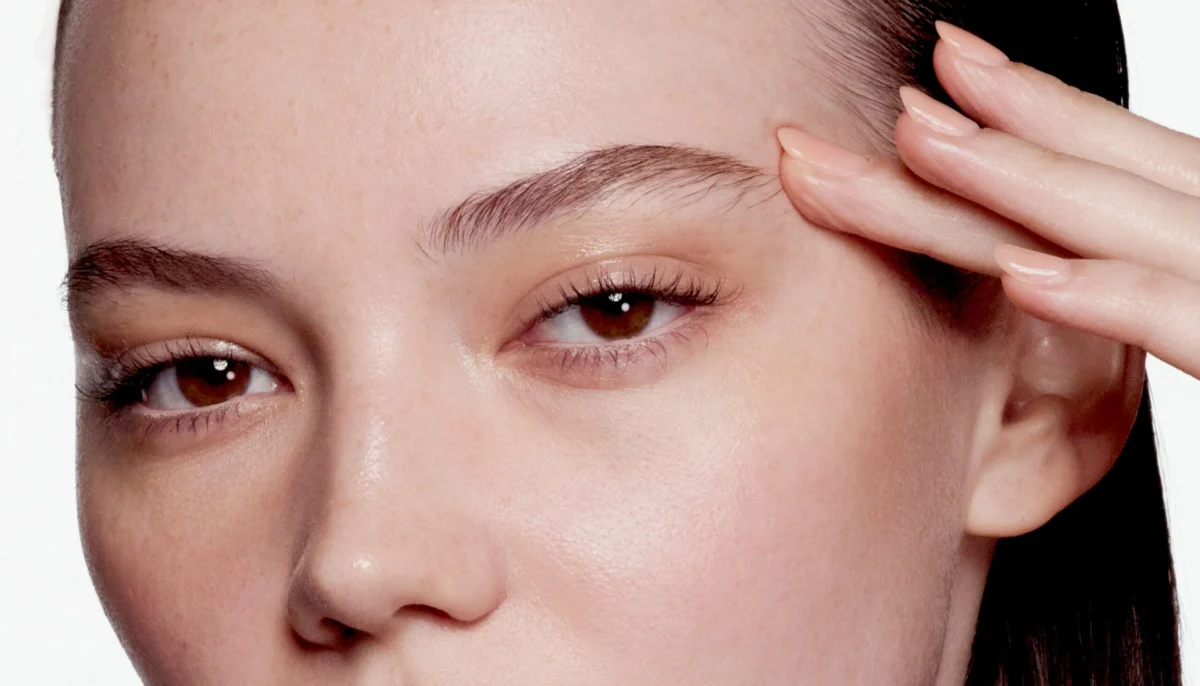
The aesthetics industry has long been characterized by its penchant for catchy acronyms and evocative names, from the Nefertiti Lift to the Mommy Makeover and Traptox. However, few have achieved the cultural ubiquity of the BBL, or Brazilian Butt Lift. Now, as the original BBL undergoes a rebrand to "fat grafting to the butt" in the wake of public scrutiny, a new contender is emerging, swiftly capturing attention on social media and television screens: the Blepharoplasty Brow Lift, also known as the "new BBL." This surgical combination is experiencing a surge in demand, driven by a growing preference for less invasive procedures and subtly impactful results. Plastic surgeons report a significant increase in the performance of this eye-opening surgical pairing, with speculation rife that it’s the secret behind the refreshed appearances of several prominent celebrities.
"The current trend in aesthetics is towards invisible intervention," explains Dr. Luis Macias, a double-board certified plastic surgeon based in Marina del Rey, California. "If a procedure is overtly obvious, it’s generally considered suboptimal work." When executed with precision, a blepharoplasty brow lift can leave patients looking and feeling revitalized, appearing naturally well-rested without undergoing drastic alteration. The scarring associated with these procedures is also remarkably discreet. Incisions for brow lifts are artfully concealed within the hairline, while those from an upper blepharoplasty are tucked into the natural crease of the eyelid. "The resulting scars can be quite undetectable, making it a more palatable option for individuals under public scrutiny," notes Dr. Raj Dedhia, a double-board certified facial plastic surgeon in San Francisco.
The general public’s embrace of this procedure is reflected in recent data. According to the American Society of Plastic Surgeons’ 2024 report, blepharoplasty, the surgical removal of excess skin around the eyes, ranked among the top five most popular plastic surgery procedures in the United States. While brow lifts were performed less frequently in 2024, with 13,621 procedures compared to 120,755 blepharoplasties, some surgeons observe a narrowing of this gap. "I now perform these procedures together almost exclusively," states Dr. Daniel Gould, a board-certified plastic surgeon in Beverly Hills. "This was not the case even five years ago."
Dr. Gould elaborates on the evolving understanding of facial anatomy and aging: "Many patients who initially present with concerns about ‘extra eyelid skin’ are, in fact, experiencing a combination of brow position issues and eyelid concerns simultaneously." He emphasizes that addressing only one aspect can lead to an incomplete or unbalanced result. "Treating them in conjunction tends to yield a more harmonious and natural outcome. I believe surgeons are becoming increasingly adept at recognizing this intricate relationship."
To provide a comprehensive overview, this article delves into the intricacies of the blepharoplasty brow lift, exploring its components, the most effective surgical approaches, and the perspectives of leading facial plastic surgeons on this ascendant cosmetic procedure.
Understanding the Blepharoplasty Brow Lift: A Dual Approach to Facial Rejuvenation
A blepharoplasty, as defined by Dr. Macias, is a procedure designed to rejuvenate the eyelids by removing excess skin, refining or repositioning fat deposits, and restoring the natural contour of the eyelids. This procedure typically involves either an upper or lower blepharoplasty. Lower blepharoplasties, often referred to as "lower blephs," are increasingly sought after, even by individuals in their 20s and 30s, for their efficacy in reducing chronic puffiness and under-eye bags. However, the "new BBL" specifically refers to an upper blepharoplasty, often performed in conjunction with a brow lift.
During an upper blepharoplasty, a precise strip of excess skin is removed from the upper eyelid. Depending on the patient’s individual anatomy, fat in the surrounding area may also be removed to enhance the aesthetic outcome, alleviating feelings of heaviness and reducing eyelid hooding. Conversely, for patients experiencing a hollowed appearance in the upper eyelids – whether due to genetic predisposition, aging, or weight loss – fat can be strategically added to create a more natural and youthful contour. "In cases of upper eyelid hollowing, we can often reposition existing fat from near the nose to fill the deficit above the eye, achieving a more balanced look," explains Dr. Gould.
Dr. Catherine Weng, a board-certified facial plastic and reconstructive surgeon in Wayne, Pennsylvania, highlights the functional and aesthetic benefits: "When performed skillfully, an upper blepharoplasty effectively opens up hooded eyelids, restoring essential lid space that is crucial for applying eye makeup." In instances where excess skin and fat are so pronounced that they impair peripheral vision, an upper blepharoplasty can also be deemed medically necessary and may be covered by insurance.

The "Reset" of the Brow: Beyond a Simple Lift
The "BL" in the new BBL signifies a brow lift. However, many surgeons prefer to describe this procedure as a "brow reset" rather than a "lift," as it more accurately reflects the nuanced goal of the surgery. "A brow lift is often a misnomer because it’s not solely about elevating the brow to an extreme degree; it’s more of a ‘reset’," clarifies Dr. Gould. While "brow lift" retains its popular appeal, the concept of a "brow reset" helps patients understand that the objective is to reposition and contour the brow to a more natural and aesthetically pleasing position, rather than simply lifting it skyward. Dr. Robert Schwarcz, a board-certified oculofacial plastic surgeon in New York City, concurs, stating, "Calling it a brow reset is a more accurate way for patients to grasp that it’s about raising and shaping the brow to a more natural placement, rather than just lifting it excessively." Ultimately, a well-executed brow lift or reset aims to soften the upper third of the face, reducing any appearance of heaviness or fatigue.
Dr. Schwarcz often employs a technique where he asks patients to bring in photographs from approximately 20 years prior. "I analyze the position of their brow in those older photos and aim to reset it as closely as possible to that original placement," he explains. For younger patients whose 20-year-old selves might have been in kindergarten, Dr. Schwarcz typically recommends an upper blepharoplasty alone to address concerns about eyelid heaviness. However, he acknowledges that he occasionally sees younger patients under 30 who have genetically lower brows and could benefit from a brow lift.
Several surgical approaches exist for brow lifts, with Dr. Lyle Leipziger, a board-certified plastic and reconstructive surgeon and chief of plastic surgery at North Shore University Hospital and Long Island Jewish Medical Center, highlighting the key distinctions: "The crucial differentiators in brow lifts lie in both the location of the lift and the technique employed." The preferred approach among many surgeons interviewed involves lifting from the lateral aspect, typically behind the hairline near the temples, and utilizing an endoscopic technique. Dr. Macias notes that this combined approach allows for natural brow repositioning without causing distortion to other facial features. Through small, concealed incisions, an endoscope is inserted beneath the muscle to meticulously reposition the tissues. Surgeons generally agree that this method results in the most minimal scarring, especially when compared to techniques like the trichophytic brow lift (which involves an incision along the front hairline) or the direct brow lift (with an incision across the forehead). Another option, the lateral temporal brow lift, specifically targets the outer portion of the eyebrows and is best suited for patients seeking only the most subtle elevation. Similar to the lateral endoscopic lift, incisions are discreetly placed within the hairline to minimize visible scarring.
The Synergy of a Combined Procedure: Why Blepharoplasty and Brow Lift Work Best Together
While both blepharoplasty and brow lift procedures can be performed independently, their combined effect offers a more comprehensive rejuvenation of the upper face and eye area. This synergy is rooted in the interconnectedness of these facial structures. "The brow and upper eyelid function as a unified unit," explains Dr. Gould. "When the eyelid feels heavy, the brain often recruits the frontalis muscle – the muscle in the forehead – to help lift the brow and open the eye." This intricate connection has significant implications during surgery. If excess skin is removed from the upper eyelid in a patient who relies on this compensatory brow elevation, it can eliminate that natural lift, potentially causing the brow to settle lower post-operatively. "In such scenarios," Dr. Gould notes, "the patient’s upper face can appear flatter, heavier, and sometimes less expressive in motion."
When evaluating a patient for a combined blepharoplasty brow lift, Dr. Dedhia prioritizes a thorough assessment of their individual anatomy. "Age alone is not the sole determining factor," he states. Dr. Schwarcz typically performs this combined procedure on individuals in their 30s and 40s. "Beyond that age range, I tend to incorporate it into a full facelift procedure," he adds. His rationale is that as eyelids age, the surrounding midface structures also experience drooping. "Addressing midface sagging often creates the seamless, youthful transition that patients desire," he observes.
When performed optimally, the BBL procedure "opens the eyes and restores a gentle arch to the brow without overtly announcing ‘surgery’ due to the hidden incisions," says Dr. Dedhia. "Patients appear less tired, less angry, and more ‘awake,’ yet observers often struggle to pinpoint the exact changes."
Navigating Gender-Specific Aesthetics in Blepharoplasty and Brow Lifts
A prevailing aesthetic principle in 2026 suggests that subtlety is paramount, and this is particularly true for male patients undergoing the blepharoplasty brow lift combination. "While the surgical techniques are not gender-specific, the desired aesthetic outcomes are," points out Dr. Dedhia. Generally, men’s brows tend to be flatter, whereas women’s brows often exhibit a more pronounced arch.
Because men’s brows typically sit at or slightly below the brow bone, "excessive arching can quickly feminize the face," Dr. Dedhia explains. "I adopt a very conservative approach to brow elevation in male patients." Dr. Schwarcz echoes this sentiment: "I very rarely elevate the brows on men. It would have to reach a point where their vision is significantly impaired before I would consider such an intervention."
Dr. Schwarcz articulates a concept he refers to as the "hunter versus prey" eye aesthetic. "For men, there’s a preference for what’s termed ‘hunter eyes’ as opposed to ‘prey eyes’," he says. "Men often favor that more mysterious, alert hunter eye look. One prominent male celebrity who underwent this procedure and perhaps missed the mark serves as an example of transitioning from a hunter to a prey look. The ‘prey’ appearance can result from excessive fat removal from the upper eyelid, creating a hollowed, doe-eyed effect."

The "hunter eyes" versus "prey eyes" terminology is not a standard part of plastic surgery medical training; Dr. Schwarcz adopted it from observing his son and his friends. "I overheard my teenage son and his friends discussing it a few years ago," he recalls. "Around that time, I began noticing a few younger male patients requesting a more ‘hunter eye’ aesthetic." He has since incorporated this concept into his lectures at medical conferences, explaining that these patients are essentially seeking a more masculine, heavier brow with a fuller upper eyelid appearance.
In instances where the opposite occurs, and a hollowed appearance develops, fat can be strategically placed into the upper eyelids, either between the brow hairs or within the upper eyelid crease to conceal incisions. Generally, Dr. Schwarcz notes that a fuller, heavier appearance in the eye area is perceived as more masculine. Therefore, if a blepharoplasty is deemed appropriate for a man (as opposed to a brow lift), it should be performed with a very light touch. "I avoid fat and muscle reduction and maintain a natural overhang," he states.
The aesthetic goals for female patients are more varied. "Some prefer a subtle, soft lateral arch, while others desire a very understated, almost straight brow, but without any heaviness," says Dr. Dedhia. "Across all genders, it is crucial to respect the patient’s baseline anatomy and personal identity."
Key Considerations Before Opting for a Bleph Brow Lift
Following a combined upper blepharoplasty and brow lift, patients can anticipate a period of visible swelling, bruising, and numbness in the scalp, typically lasting one to two weeks. "Most patients are socially presentable within approximately 10 to 14 days," reports Dr. Gould. As soft tissues require time to heal completely, the full results of the surgery can be expected to materialize between three to six months post-procedure.
The surgeons interviewed generally perform a combined upper bleph and brow lift under general anesthesia or intravenous sedation. However, if these procedures are undertaken separately, Dr. Dedhia opts for local anesthesia for a blepharoplasty. For isolated endoscopic brow lifts, he prefers twilight sedation (also known as IV sedation) or general anesthesia. Dr. Leipziger is willing to perform a brow lift under local anesthesia, but only "if it’s a simple lateral brow lift intended to refine the arch of the brow."
Potential Risks Associated with a Bleph Brow Lift
According to the surgeons consulted, potential risks associated with a combined blepharoplasty brow lift can encompass bleeding, bruising, infection, scarring, dry eye, sensory alterations, and prolonged swelling that may persist for weeks or months. Brow lifts, whether performed independently or in conjunction with a blepharoplasty, carry a small but discernible risk of temporary facial nerve weakness and localized hair loss around the incision sites. Upper blepharoplasties performed alone can introduce risks such as temporary difficulty closing the eye, eyelid malposition, and increased light sensitivity.
Headaches and migraines are relatively common, though often temporary, post-operative symptoms. Dr. Gould explains that headaches typically arise from pressure and tightness due to soft tissue tension and swelling. For individuals predisposed to migraines, surgery can act as a trigger. For the majority of patients, however, the discomfort manifests as a dull headache that usually subsides within a few days.
Financial Considerations: The Cost of a Bleph Brow Lift
The final cost of a blepharoplasty brow lift is influenced by a multitude of factors, including geographic location. Data from the American Society of Plastic Surgeons indicates that the average surgeon’s fee for an upper blepharoplasty ranges from approximately $3,000 to $5,000, while a brow lift typically falls between $4,000 and $7,500. It is important to note that these figures represent only the surgeon’s fees and do not include anesthesia or facility costs. Furthermore, in high-cost metropolitan areas such as Beverly Hills or New York City, the overall price of the surgery can significantly exceed the national average. "When these procedures are combined, the total cost is not simply additive in most practices," states Dr. Gould. He does, however, point out that there are some cost efficiencies involved, as a combined procedure typically requires only one operating room and one anesthesiologist.
Concluding Perspectives on the "New BBL"
In contrast to its predecessor, the current iteration of the BBL is not designed to be overtly attention-grabbing or to create a dramatic physical transformation. Its primary objective is rejuvenation, not reconstruction. "The aim is not to chase every single line, but rather to correct specific anatomical changes that contribute to a heavy, sad, or tired appearance of the eyes," Dr. Dedhia clarifies. "The goal is not to erase age or conform to a social media ideal; it is to restore harmony and a sense of light back to the eyes."