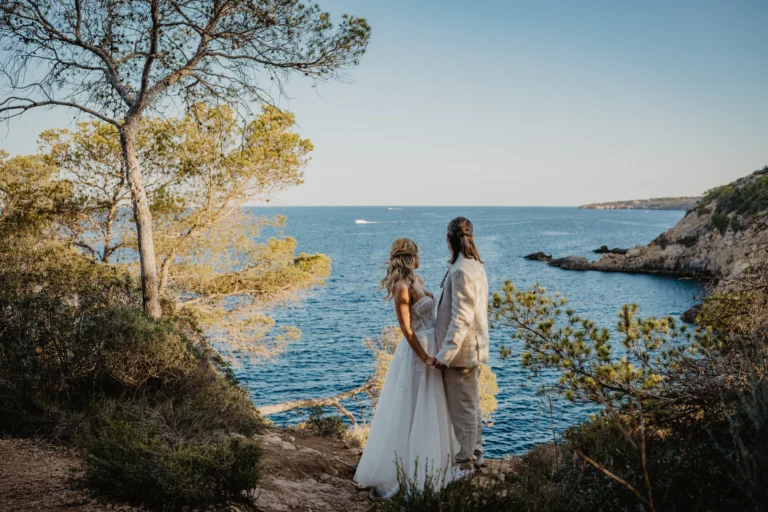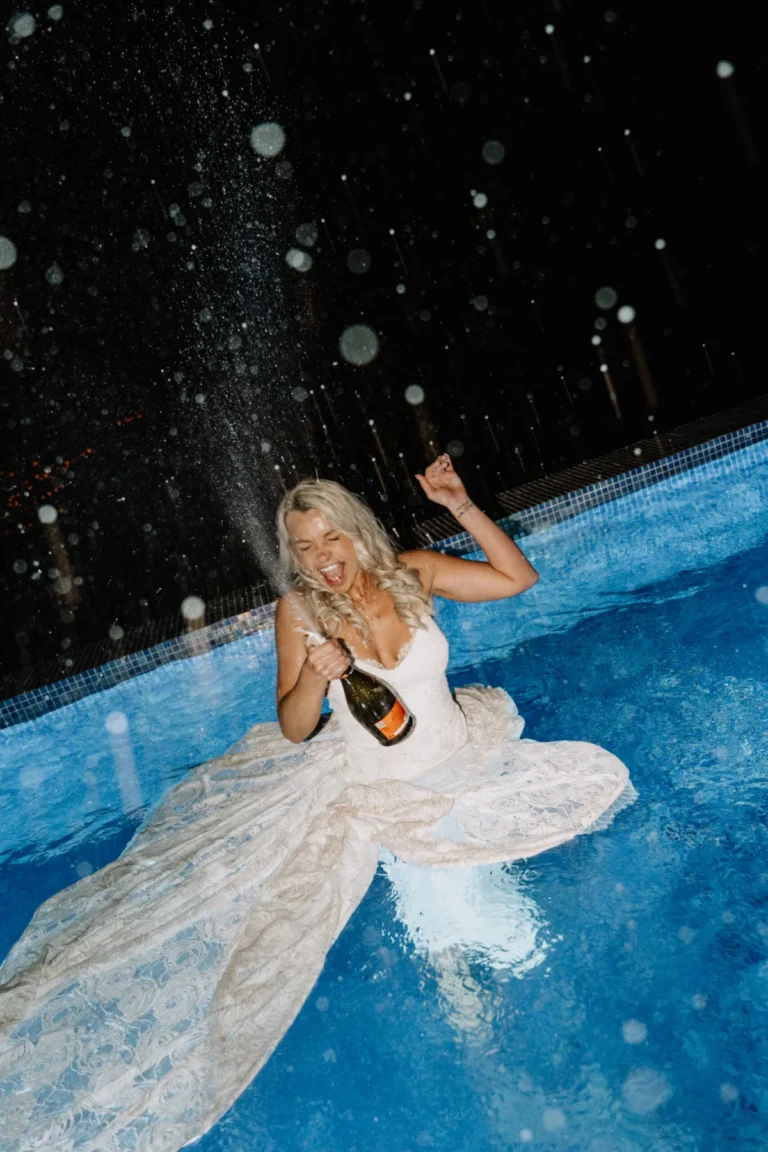








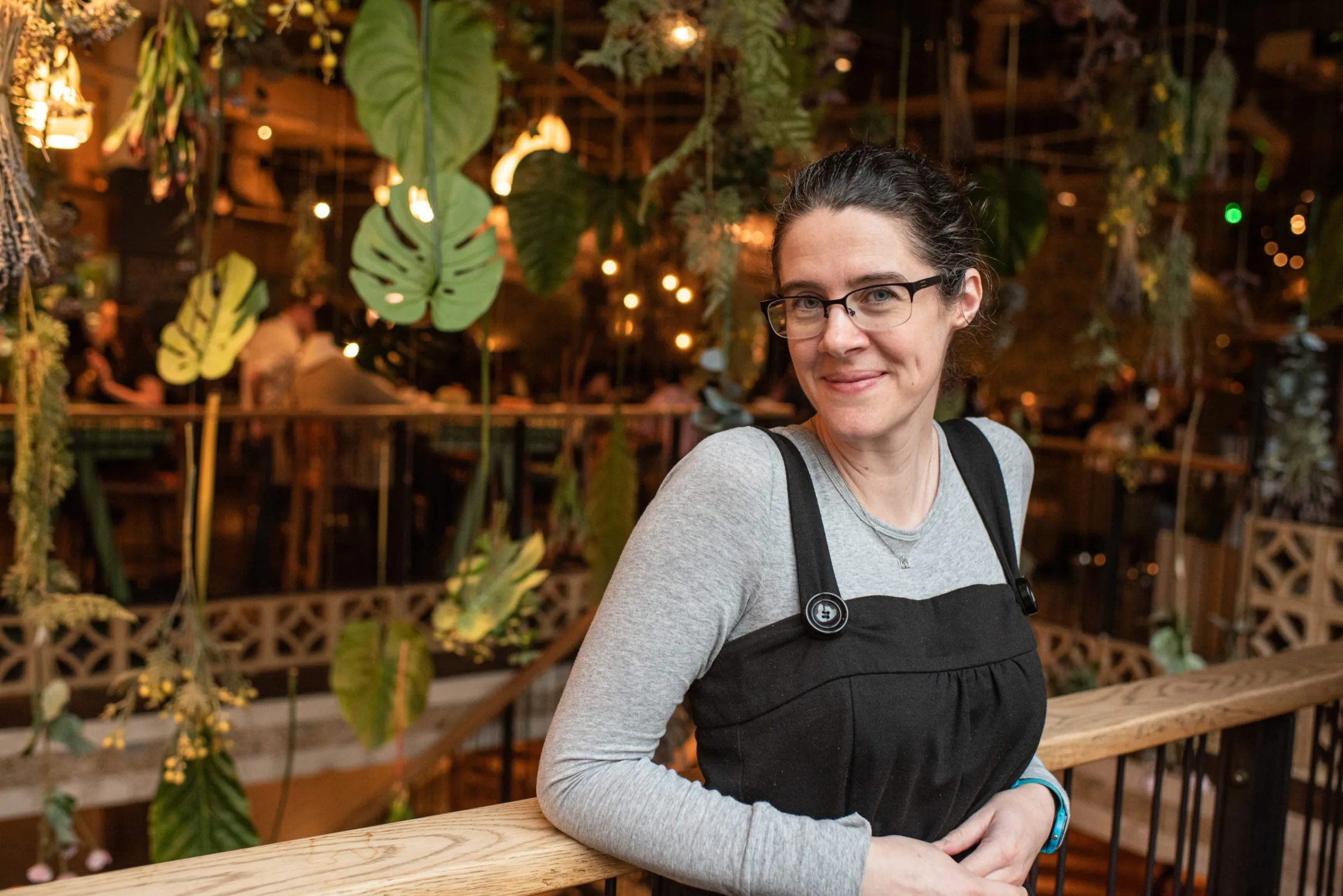
The role of the wedding photographer has undergone a significant transformation over the last decade, shifting from a mere service provider to a central figure in the emotional management of a wedding day. In the United Kingdom’s competitive wedding industry—estimated to be worth over £14 billion annually—London-based photographer Hannah Larkin has emerged as a leading figure by integrating her academic background in psychology with high-end documentary photography. This intersection of disciplines addresses a growing demand among modern couples for "authentic" rather than "staged" imagery, a trend that has seen a 40% increase in inquiries for documentary-style photography over the past five years, according to industry analysts. By limiting her annual commissions to ensure personalized attention, Larkin prioritizes human connection and psychological comfort, asserting that the quality of the final image is inextricably linked to the emotional state of the subjects behind the lens.
A Decade of Visual Storytelling and Professional Evolution
Hannah Larkin’s career spans more than ten years, a period during which the UK wedding landscape has moved toward greater personalization and cultural diversity. Her trajectory reflects a broader professional shift within the creative arts, where technical proficiency is now considered a baseline requirement, and "soft skills"—such as empathy, active listening, and situational awareness—are the primary differentiators. Larkin’s methodology is rooted in her transition from psychological study to professional photography, a move that allowed her to apply theories of human behavior to the high-pressure environment of wedding ceremonies.
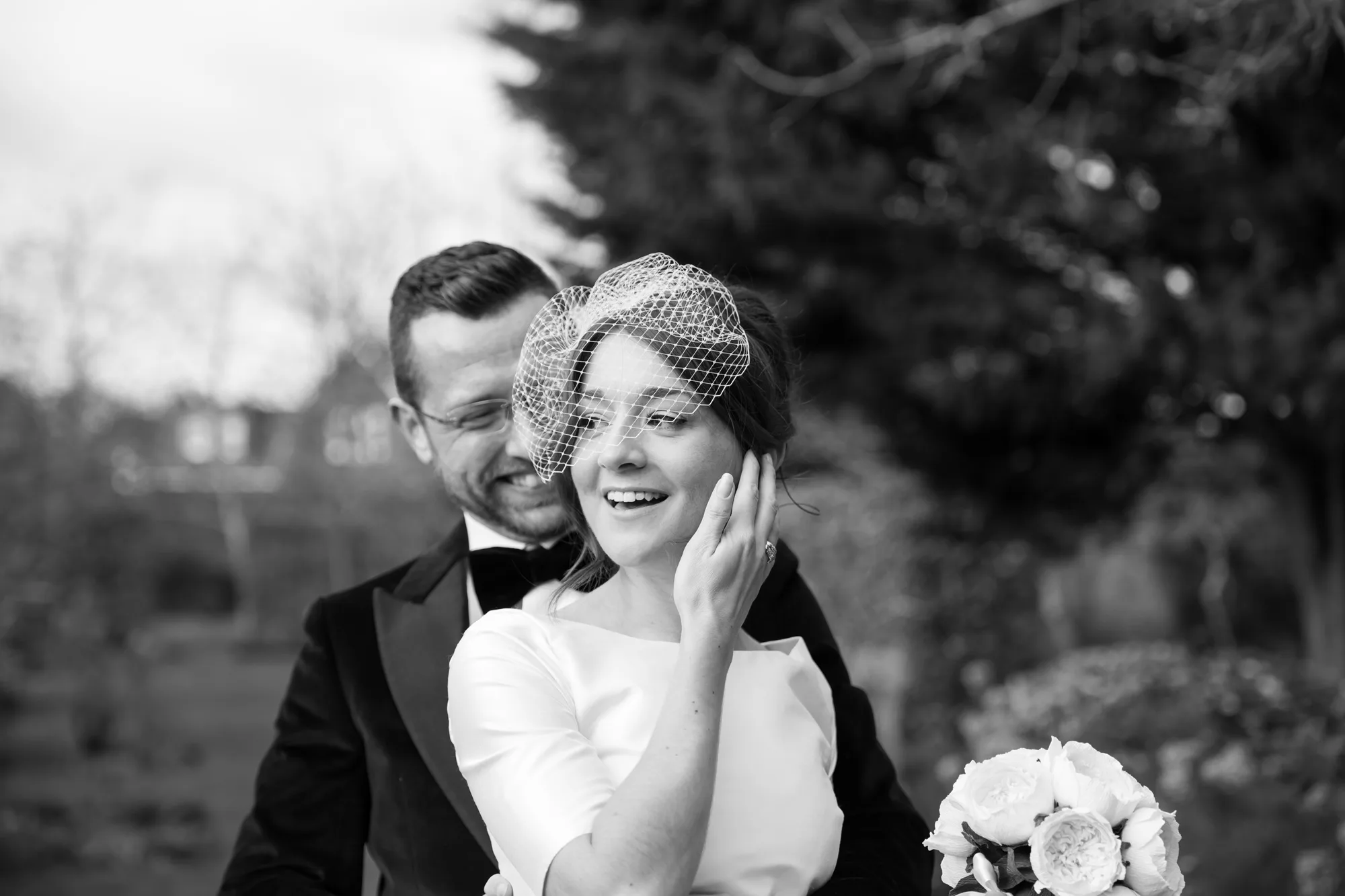
The timeline of Larkin’s professional development mirrors the rise of "story-led" photography. In the early 2010s, wedding photography was largely dominated by traditional portraiture and rigid posing. However, as social media platforms like Instagram and Pinterest began to saturate the market with idealized imagery, a counter-movement emerged. Couples began seeking photographers who could capture the "unseen" moments—the micro-expressions and quiet gestures that define a relationship. Larkin’s entry into the field was marked by this shift, positioning her as an observer rather than a director. Over the last ten years, she has documented hundreds of weddings, ranging from large-scale multicultural celebrations in London to intimate elopements in the North of England, consistently refining a style that prioritizes the "honest story" over the "perfect pose."
The Psychological Blueprint of Wedding Documentation
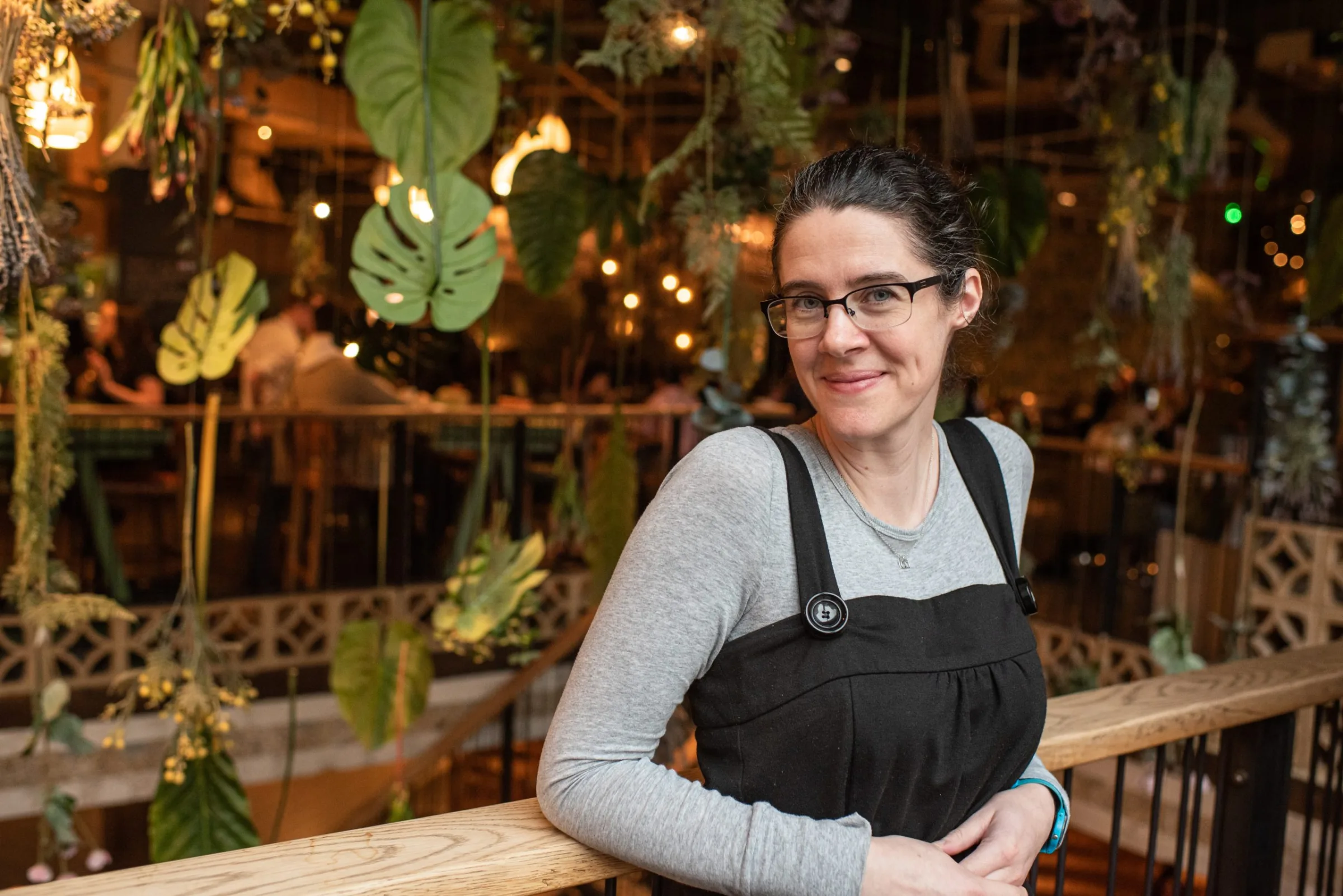
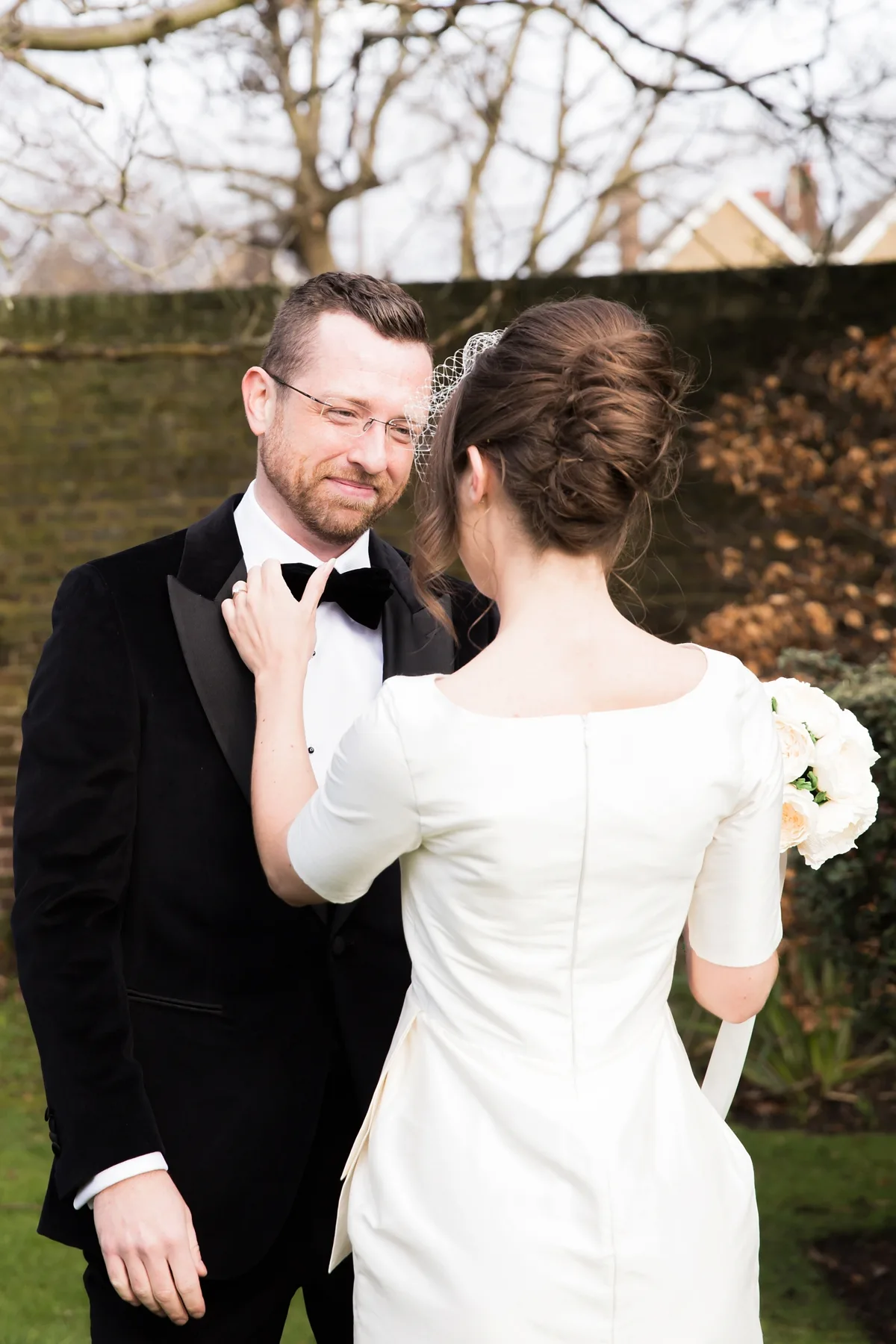
The application of psychology in photography is not merely a marketing angle; it is a functional framework for managing the stressors inherent in a wedding day. Research into the "observer effect"—the theory that the act of observing a phenomenon changes the phenomenon itself—is central to Larkin’s approach. In a wedding context, the presence of a camera can often induce "camera shyness" or performance anxiety, which inhibits natural interaction. Larkin uses her psychological training to mitigate these effects, employing techniques to lower cortisol levels and foster a sense of security among her clients.
"I’m often told how calming I am, and helping you relax is important to me as it allows me to capture authentic moments when you’re truly yourself," Larkin stated during a recent professional consultation. This calming influence is a strategic asset. By recognizing the physiological signs of nerves—such as shallow breathing or tense posture—Larkin can intervene with gentle guidance before a couple becomes overwhelmed. This proactive emotional management ensures that the subjects remain present in their experience, which directly results in more naturalistic and emotionally resonant photographs.
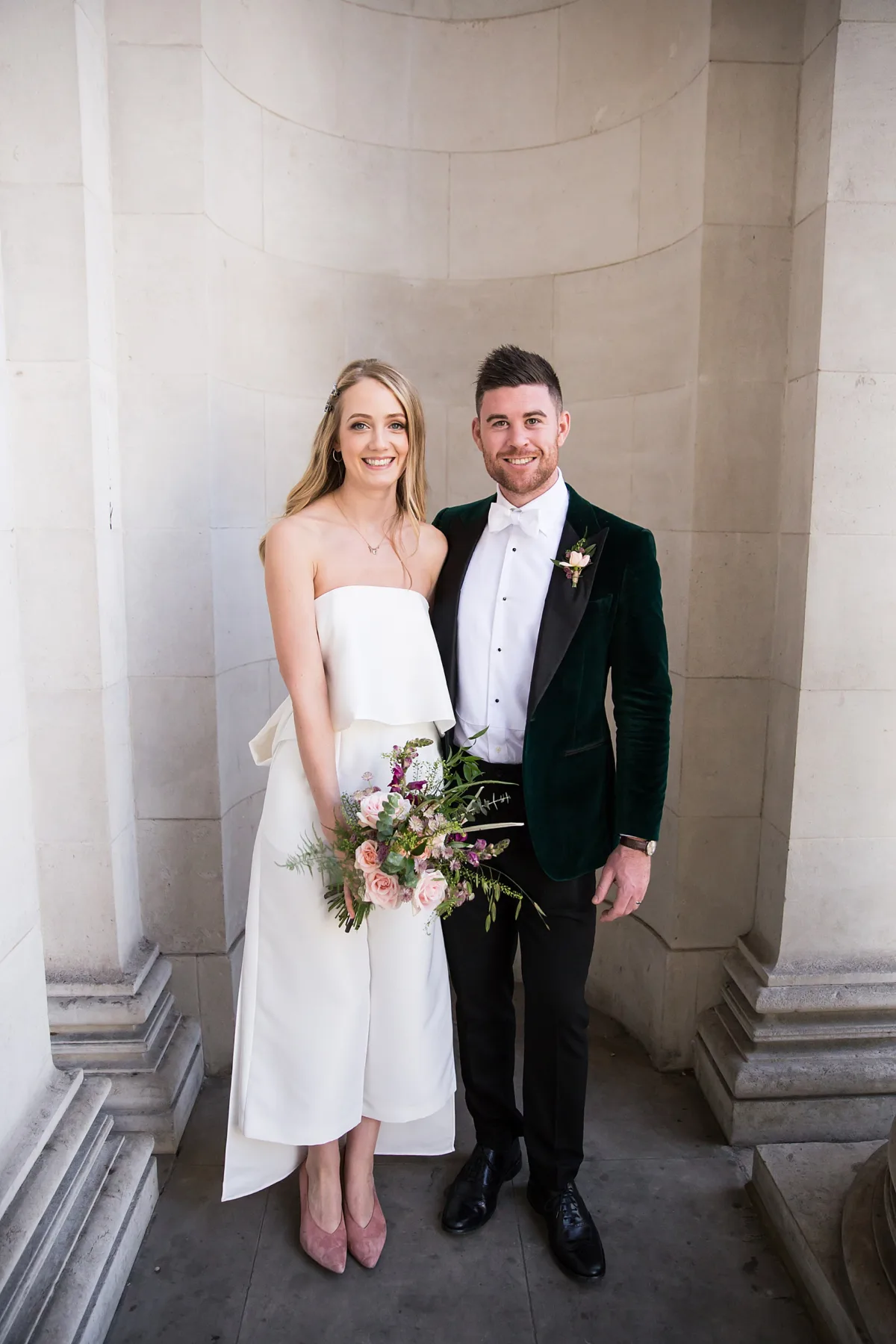
Supporting data from consumer behavior surveys indicates that "feeling at ease with the photographer" is now ranked as a top-three priority for UK couples, often outweighing price and post-production style. Larkin’s approach addresses this by shifting the photographer’s role from a stranger with a camera to a "trusted observer." This trust is built through a pre-wedding process where she spends time understanding the specific dynamics of the couple’s relationship, their family history, and their anxieties.
Cultural Diversity and the Modern British Ceremony
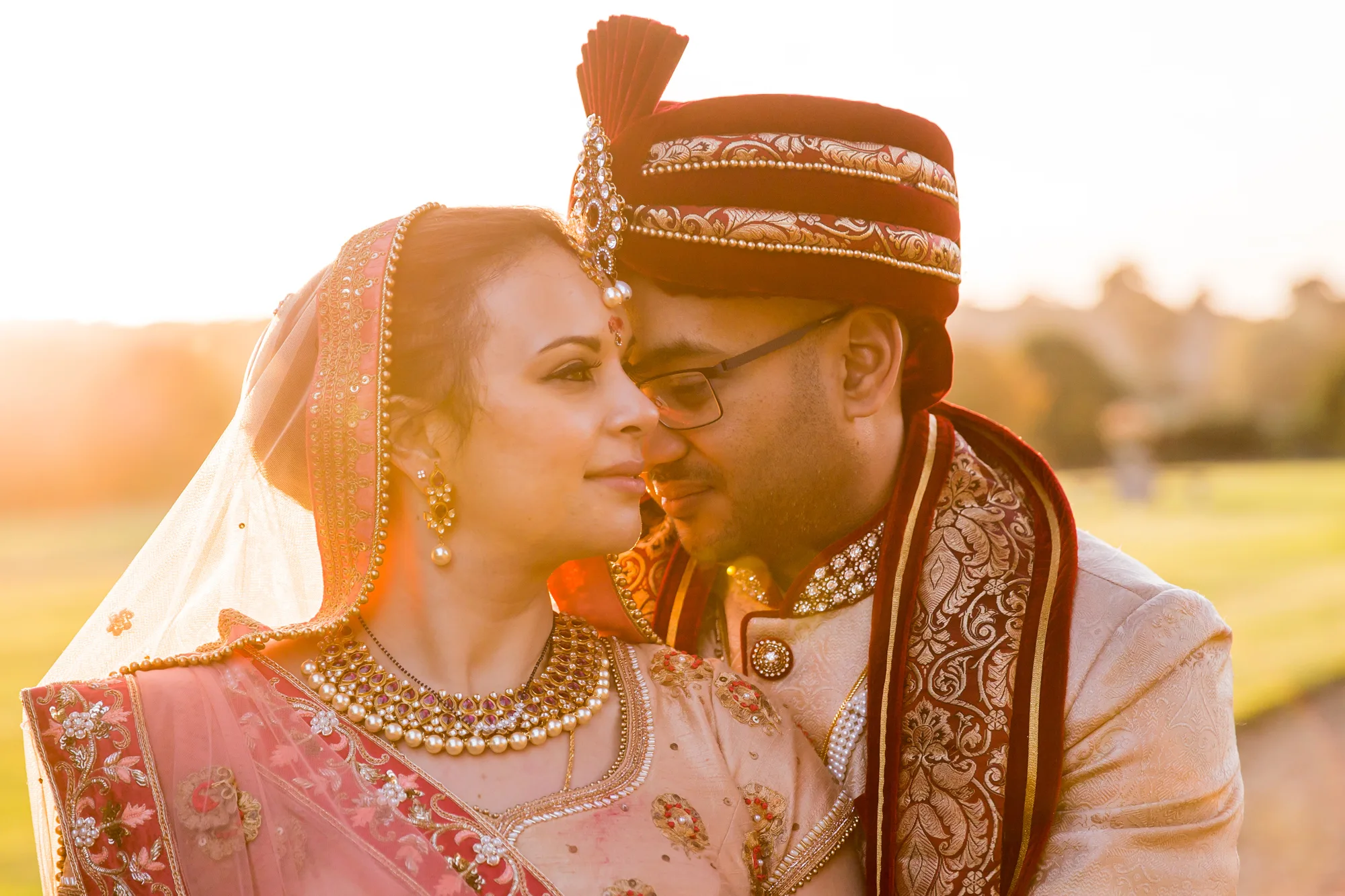
As the UK becomes increasingly multicultural, the demand for photographers who can navigate diverse religious and cultural traditions has spiked. The Office for National Statistics (ONS) has noted a steady increase in interfaith and multicultural marriages over the last two decades. Larkin has positioned her practice to be inclusive of every culture, faith, and identity, drawing on her own experience of a multicultural wedding to inform her work.
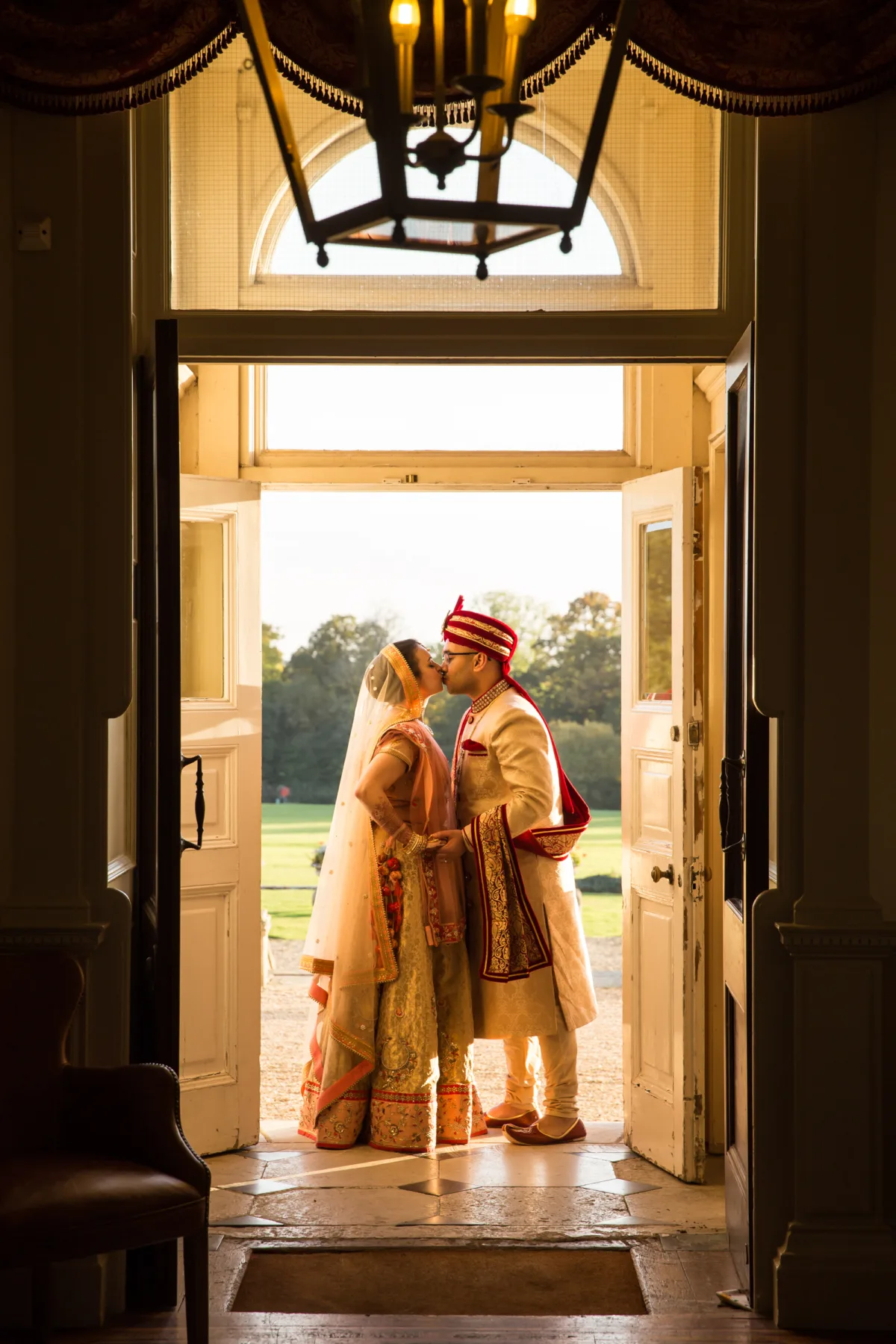
Her portfolio includes a vast array of traditions, from the symbolic fire of Hindu ceremonies and the intricate tea ceremonies of Chinese weddings to the sung blessings of Jewish nuptials. "I’ve found that sometimes multicultural or interfaith weddings end up being the most personal ceremonies as the couple have to choose which elements are most important to them," Larkin noted. This observation highlights a significant trend in the industry: the move away from "off-the-shelf" weddings toward bespoke celebrations that reflect the specific heritage and values of the couple.
The ability to document these ceremonies requires more than just technical skill; it requires cultural literacy. Larkin’s approach involves researching the specific rites and rituals of each wedding to ensure that key moments—such as a specific gesture of respect to an elder or a particular religious blessing—are captured with the appropriate gravity. This level of care has made her a sought-after professional for couples who feel that traditional, mainstream wedding photography often overlooks the nuances of their cultural identity.
The Lifecycle of the Client: From Weddings to Families
A significant development in Larkin’s business model is the expansion into family and newborn photography. This diversification reflects a broader trend in the professional photography industry where "lifetime value" (LTV) of a client is prioritized over one-off transactions. By establishing a deep bond during the wedding, Larkin often becomes the "family historian," documenting the subsequent milestones of the couple’s life.
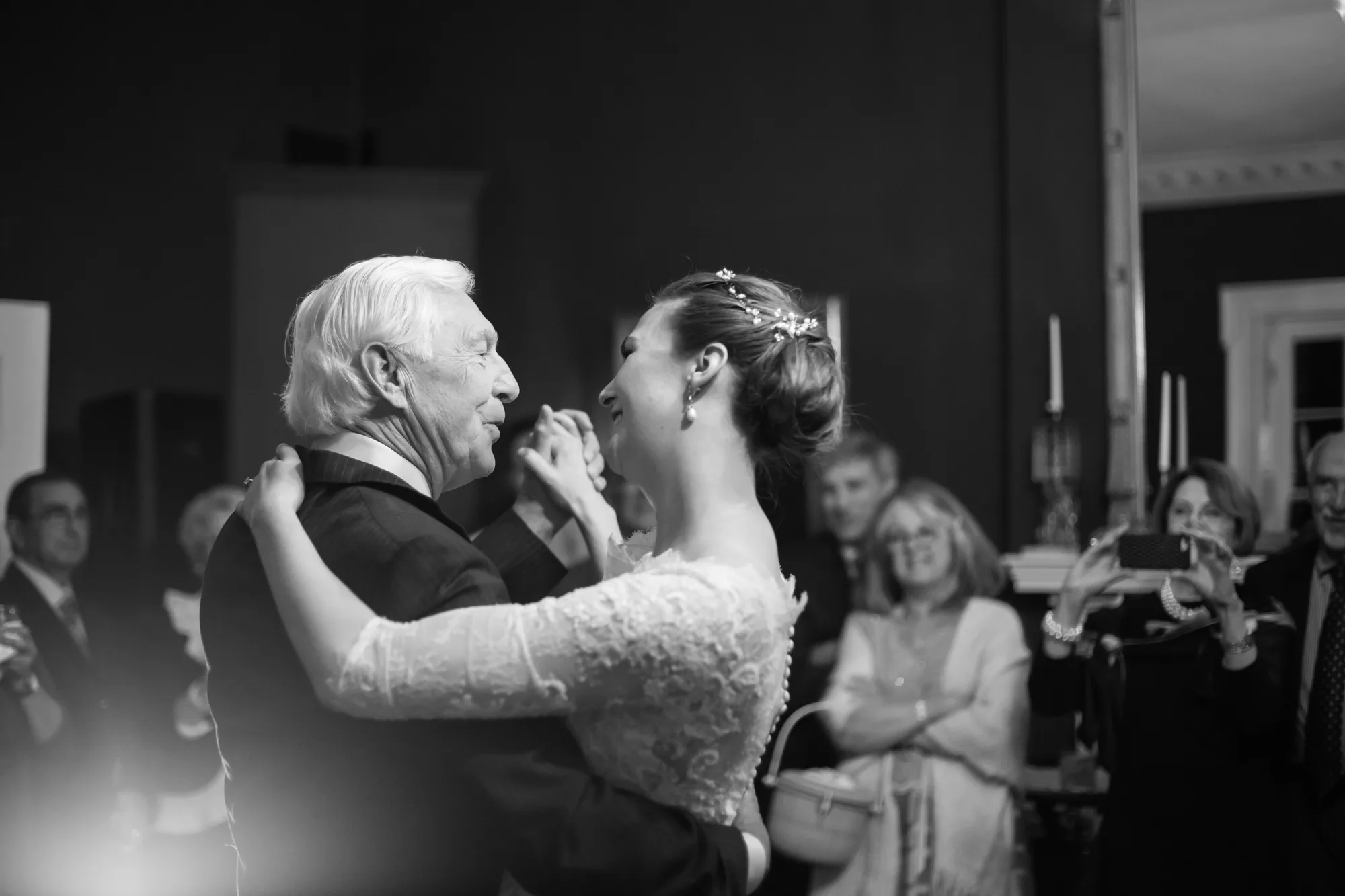
This transition is logically supported by her storytelling ethos. The same skills required to capture a wedding—observation, patience, and the ability to find natural light in domestic spaces—are directly transferable to family photography. "Weddings are about relationships, connections and different generations coming together," Larkin explained. "My approach to weddings is deeply informed by the same storytelling and quietly observational style I use in my family photography."
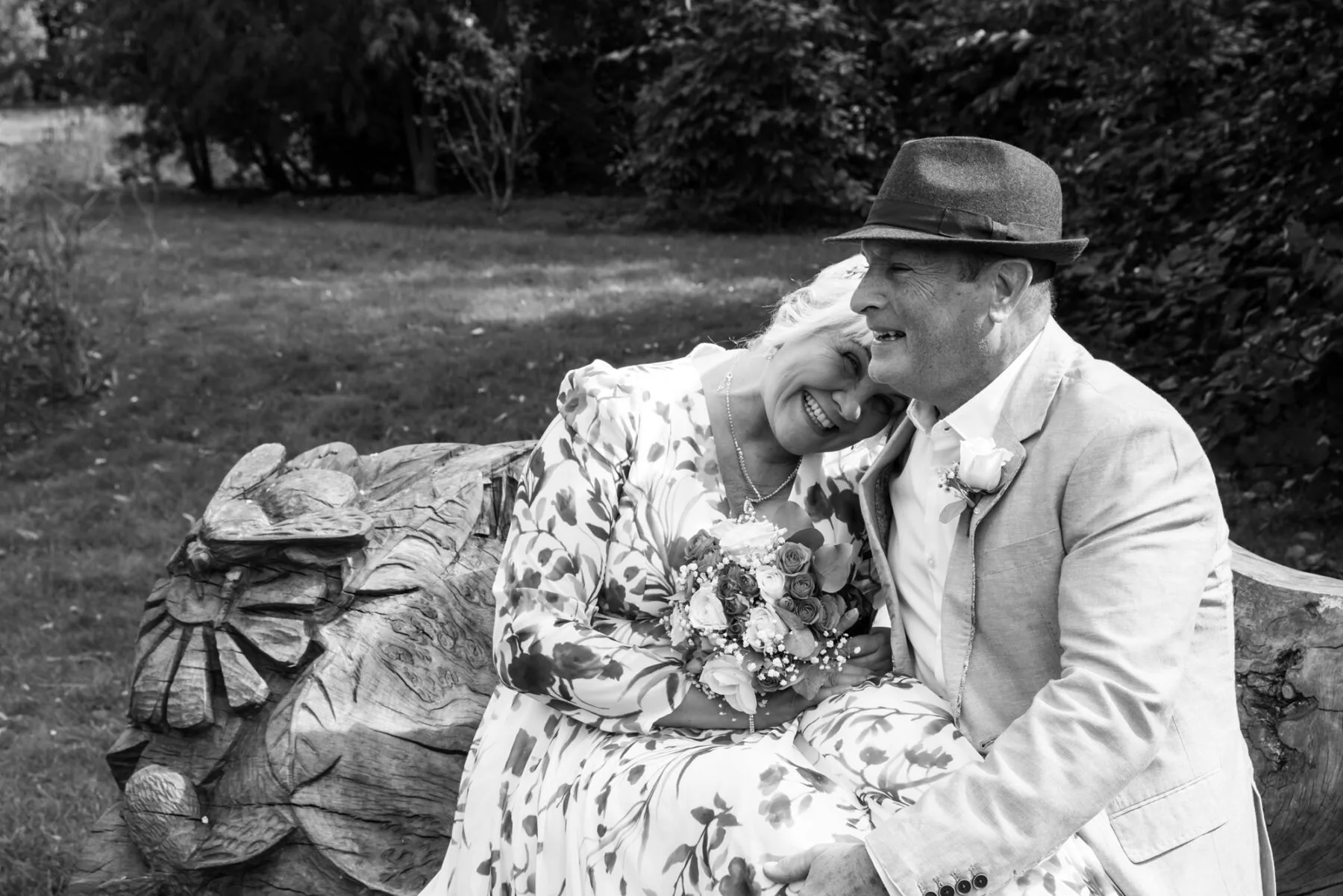
The implications of this for the client are significant. Having a consistent photographer across different life stages ensures a unified visual legacy. Furthermore, the familiarity already established during the wedding reduces the friction of future shoots, particularly with newborns or children who may be wary of strangers. From a business perspective, this model provides a stabilized revenue stream and reduces the cost of client acquisition, a strategy that is becoming increasingly common among high-end boutique photographers in the UK.
Analysis of Implications for the Wedding Industry
Hannah Larkin’s success points to a critical shift in the professional photography market. As artificial intelligence and advanced editing software become more accessible, the "technical" side of photography is becoming commoditized. In response, the value of a professional photographer is increasingly found in their "human" capabilities.
- The Rise of the ‘Empath-Photographer’: There is a growing recognition that the photographer’s temperament affects the wedding’s atmosphere. Professionals like Larkin, who offer "emotional intelligence" as a core part of their service, are setting a new standard for the industry.
- Quality Over Quantity: By limiting the number of weddings she shoots, Larkin challenges the "volume-based" business model. This approach suggests that the future of luxury wedding services lies in exclusivity and depth of connection rather than market saturation.
- Inclusivity as a Standard: Larkin’s explicit commitment to working with couples of any religion, ethnicity, gender, or sexuality reflects the evolving social fabric of the UK. Photographers who fail to demonstrate this level of inclusivity risk becoming obsolete in a modern market that prizes diversity.
- The Documentary Mandate: The move away from "perfect poses" toward "honest stories" indicates a cultural fatigue with curated, social-media-driven perfection. Couples are increasingly valuing the "imperfections"—the tears, the laughter, and the unscripted moments—as the true markers of their wedding day.
Official Responses and Professional Outlook
Industry peers and clients have noted that Larkin’s background in psychology provides her with a "unique competitive advantage." Professional photography associations in the UK have recently begun incorporating "client management and psychology" into their professional development modules, a move that validates the path Larkin has been treading for over a decade.
Looking ahead, the demand for story-led, psychologically-informed photography is expected to grow. As weddings become more about the "experience" and less about the "spectacle," the role of the photographer as a calming, observant presence will become even more vital. For couples navigating the complexities of modern celebrations—whether they are intimate elopements or large-scale multi-day events—the choice of photographer is increasingly seen as a choice of how they want to feel on their wedding day.
Hannah Larkin’s practice serves as a case study for the modern creative professional. By combining specialized academic knowledge with a decade of practical experience and a commitment to inclusive storytelling, she has carved out a niche that resonates with the emotional and cultural needs of today’s couples. As she continues to document the evolving landscape of British families and weddings, her work remains a testament to the power of human connection in the digital age. For those seeking a visual narrative that is as much about the "why" as the "what," Larkin’s approach offers a compelling blueprint for the future of the medium.