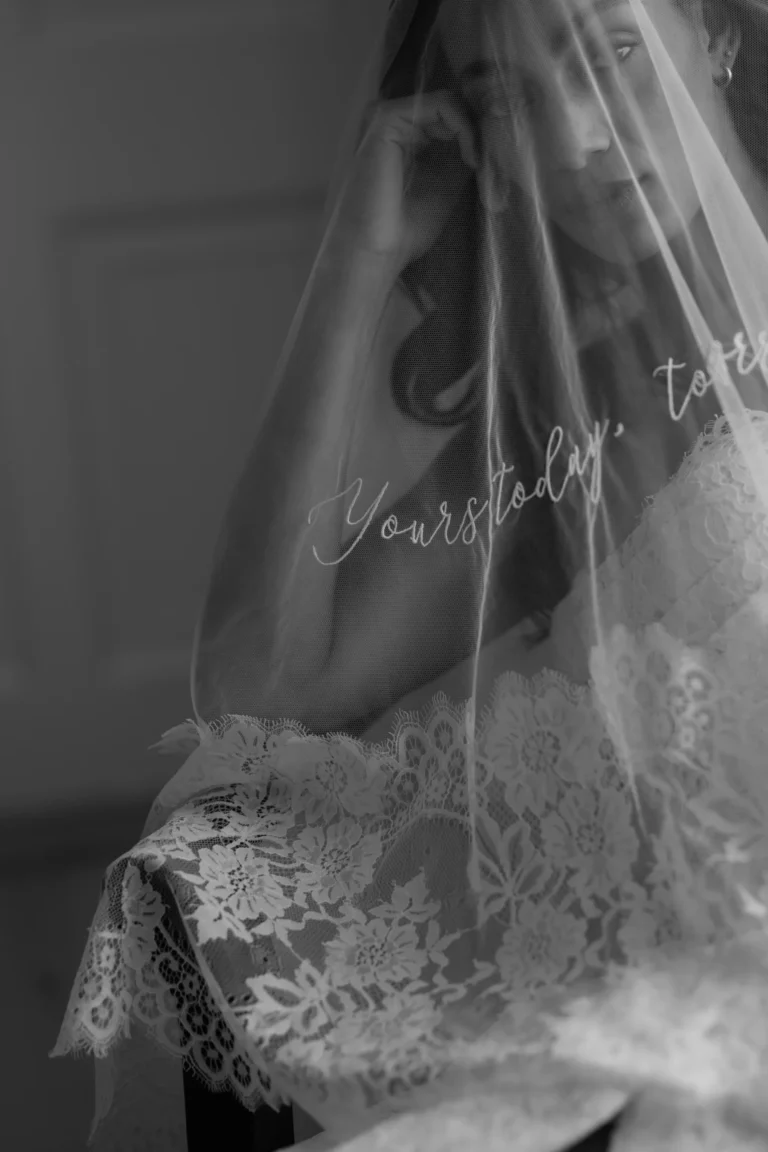











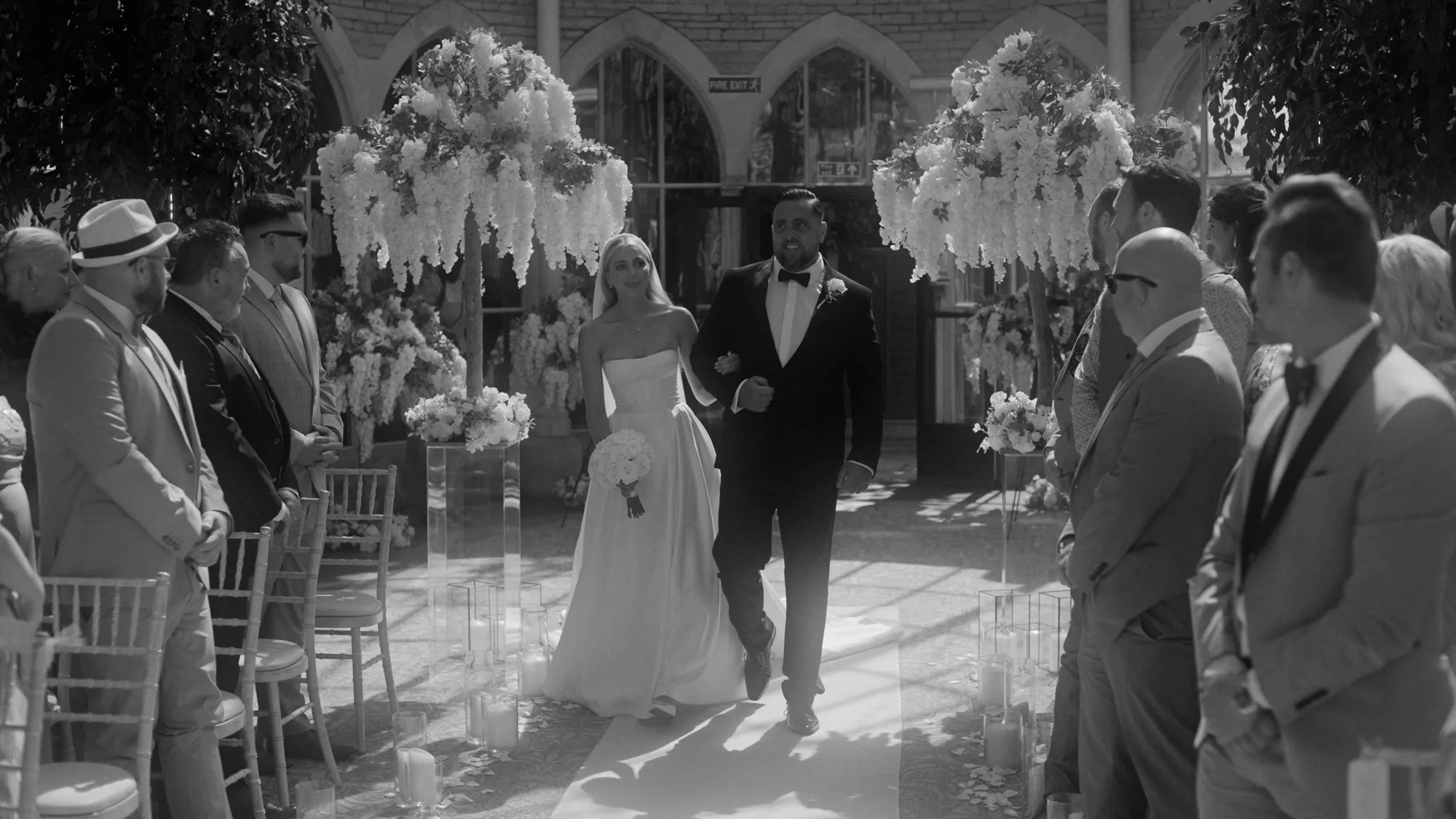
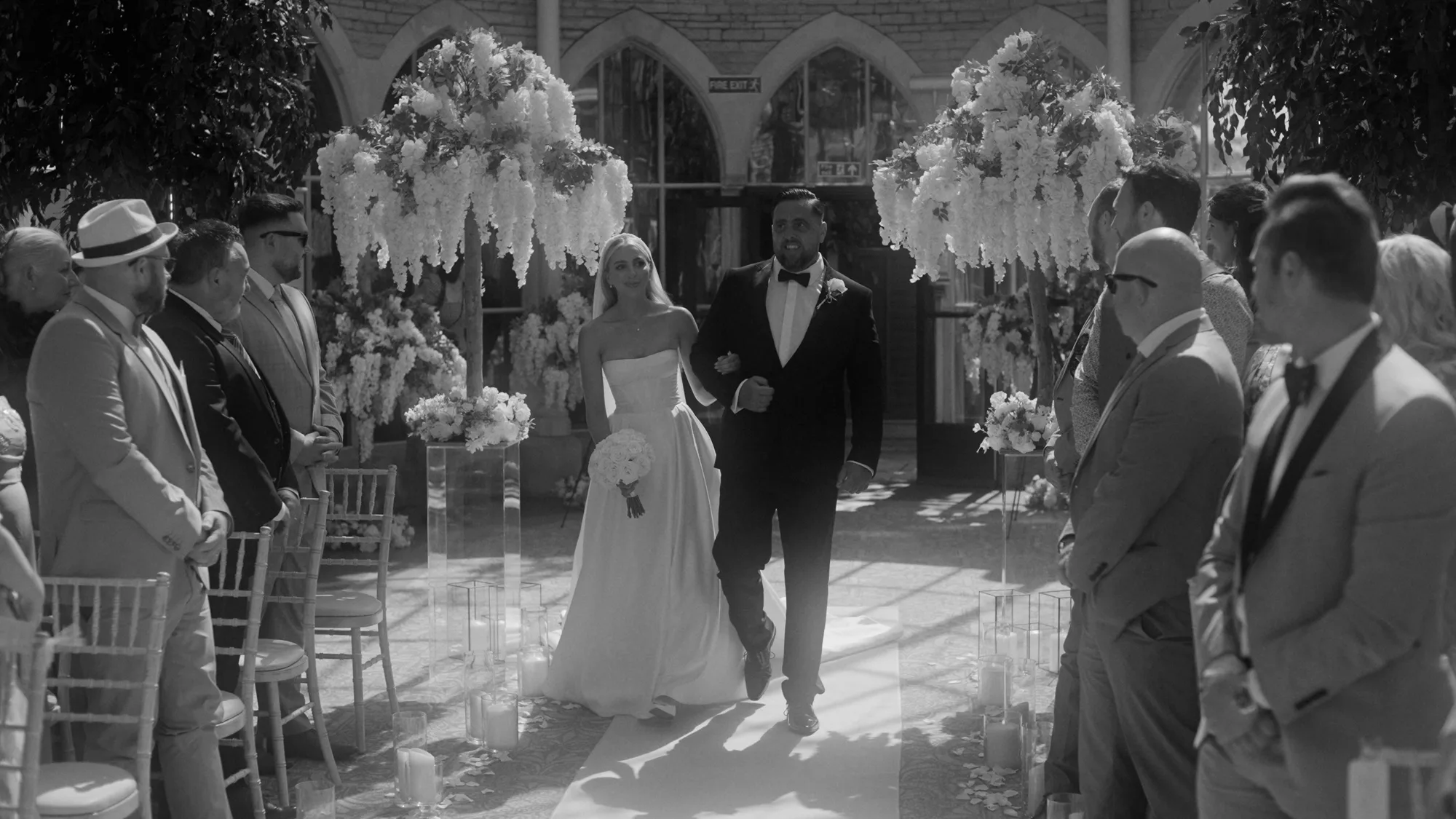
The landscape of the United Kingdom’s wedding industry, currently valued at approximately £14.7 billion annually, has undergone a significant transformation in recent years, moving away from traditional, staged photography toward immersive, documentary-style filmmaking. Central to this shift is the rise of cinematic videography that prioritizes emotional authenticity over choreographed sequences. Industry experts and long-term observers, including representatives from established bridal platforms such as Love My Dress, have noted a definitive trend: wedding films are no longer viewed as a luxury add-on but as a critical instrument for the preservation of familial legacy. Karl Mitchell, the founder of the Cheshire-based Mitchell Films, has emerged as a prominent figure in this movement, championing an unobtrusive, "without-fuss" approach that aligns with the modern demand for sincerity and timelessness in digital media.
The demand for high-quality wedding videography has seen a steady incline as couples increasingly prioritize the sensory experience of their celebrations. Data from various wedding industry reports suggests that while photography remains a staple, the "regret factor"—the feeling of loss experienced by couples who did not hire a videographer—is one of the most frequently cited post-wedding sentiments. This shift is driven by the unique capacity of film to capture the nuances of human interaction, including the cadence of a voice, the spontaneity of laughter, and the atmospheric tension of a ceremony, elements that static imagery cannot fully replicate.
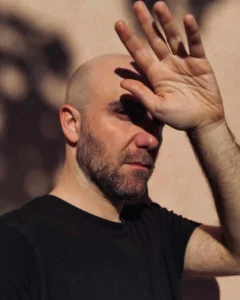
The Professional Trajectory of Karl Mitchell: From Television to Specialized Cinematography
The establishment of Mitchell Films was not the result of a predetermined business strategy but rather an organic transition from the commercial media sector. Karl Mitchell’s entry into the wedding industry occurred "by accident" following the completion of a degree in filmmaking. At the time, Mitchell was operating as a freelancer within the television industry, a background that provided him with a rigorous technical foundation in composition, lighting, and narrative structure. His first foray into wedding documentation was prompted by a family request, despite having never attended a wedding as a guest prior to that event.
This initial experience served as a catalyst for a career pivot. Mitchell observed that the impact of a wedding film was not merely a product of the footage captured but was deeply rooted in the editorial process. By transitioning from lighter, celebratory moments to more profound, emotional sequences, he realized that a film could alter a viewer’s emotional state and provide a more comprehensive reflection of the day’s significance. This realization led to the formal founding of Mitchell Films, which now operates across the United Kingdom and internationally, catering to a demographic that seeks an understated yet sophisticated visual record of their events.
The Influence of Media Pedagogy on Contemporary Filmmaking
A distinguishing factor in Mitchell’s professional profile is his dual role as a Media Production teacher. This pedagogical involvement provides a unique feedback loop that informs his commercial work. By engaging with young filmmakers who are unencumbered by industry traditions, Mitchell is exposed to experimental techniques and rule-breaking approaches that prevent creative stagnation.
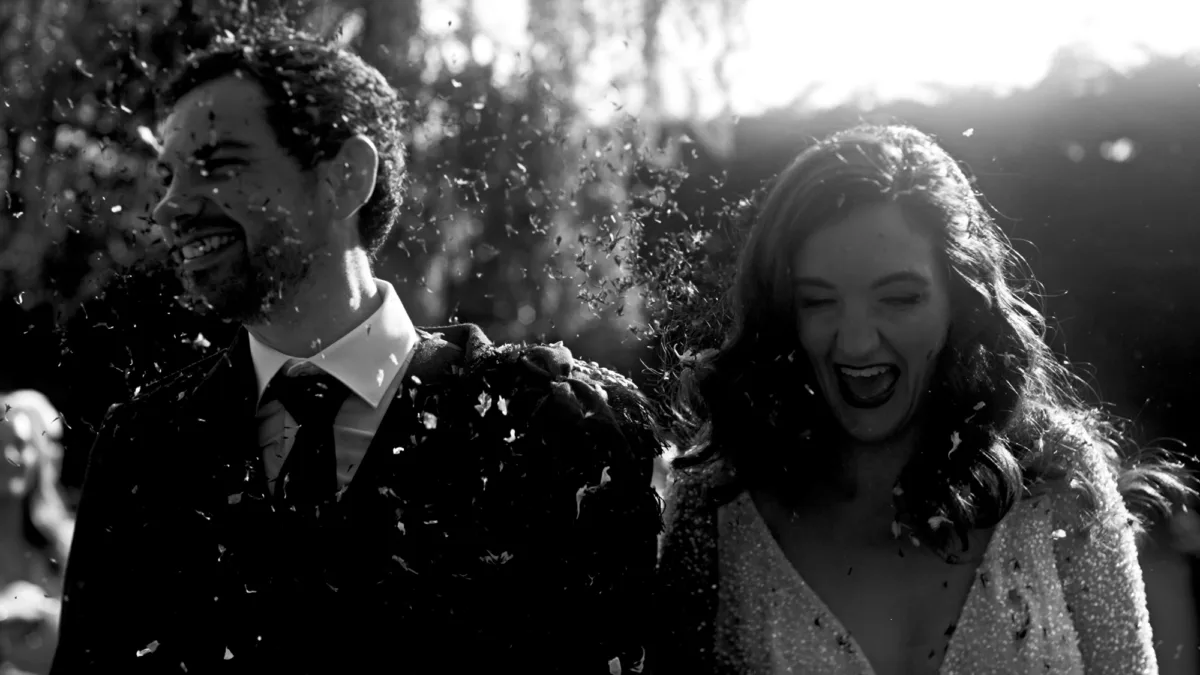
The academic environment requires a constant re-evaluation of technical choices. When students question the efficacy of a specific shot or the logic of a narrative arc, it forces a level of self-analysis that sharpens Mitchell’s own craft. This intersection of teaching and practice ensures that Mitchell Films avoids the "copy and paste" formula often seen in the wedding industry. Instead of relying on standardized templates—such as the ubiquitous opening drone shot or the chronological highlight reel—the editorial process is guided by the specific emotional flow and personality of the couple in question.
Technical Methodology: The Unobtrusive Approach to Documentation
In a sector often criticized for being overly intrusive, Mitchell Films has adopted a "light kit" philosophy. This methodology is centered on the use of compact, high-performance equipment that allows the filmmaker to remain a peripheral figure during the celebration. The objective is to minimize the "observer effect," a psychological phenomenon where individuals alter their behavior when they are conscious of being filmed.
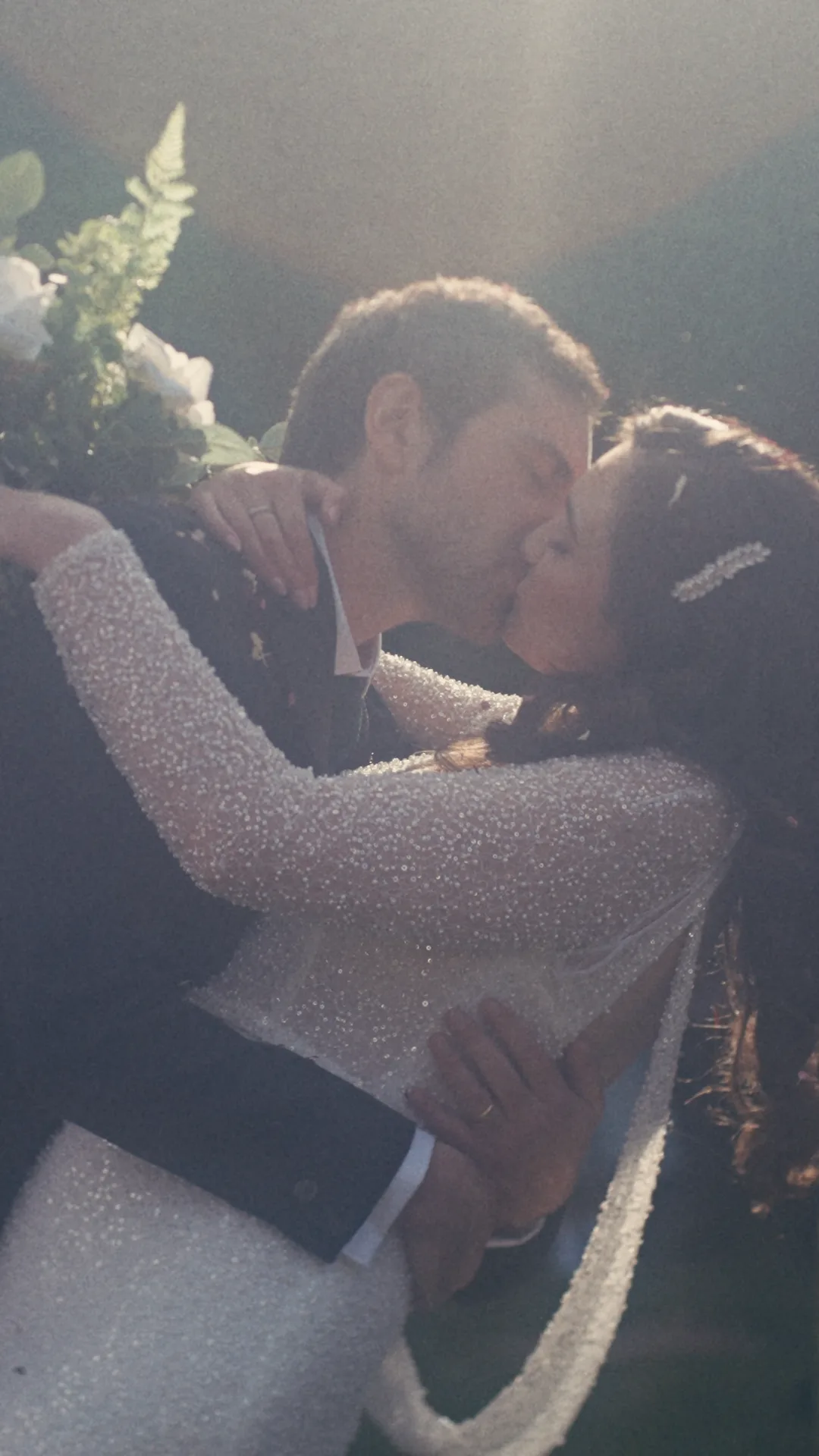
The technical setup typically involves minimal interference. Aside from essential audio recording equipment during the ceremony and speeches, the filming process is characterized by observation rather than direction. This allows for the capture of genuine connections and fleeting moments that would likely be lost if the subjects felt the need to "perform" for the camera. Mitchell’s strategy involves identifying key stakeholders—family members and close friends—early in the day and establishing a rapport that fosters comfort. By anticipating reactions rather than merely reacting to events, the filmmaker can maintain a compositionally sound and emotionally resonant narrative without disrupting the natural progression of the day.
The Economics and Value Proposition of Wedding Videography
The decision to invest in videography often presents a budgetary challenge for modern couples. With the average cost of a UK wedding hovering between £18,000 and £24,000, couples are frequently forced to make difficult choices regarding service prioritization. However, longitudinal data from bridal editorial platforms suggests that the perceived value of a wedding film increases significantly over time.
While other wedding expenses, such as floral arrangements or catering, are ephemeral, a film serves as a permanent archive. Industry analysts point out that as time passes, the "humanity" of the film—the ability to see and hear deceased relatives or to relive the specific atmosphere of a lost moment—becomes an invaluable family asset. For many, the film becomes a bridge between generations, offering children and grandchildren a window into a pivotal family event. This long-term utility is a primary factor in the shifting consumer behavior that now sees videography moving toward the top of the "essential" list alongside photography and venue selection.
Market Analysis: The Rise of the "Anti-Trend" Aesthetic
The current market for wedding films is increasingly rejecting "trend-led" or "overworked" aesthetics. In previous decades, wedding videos were often characterized by heavy special effects, slow-motion overlays, and highly stylized color grading that quickly became dated. The contemporary preference, exemplified by the work of Mitchell Films, is for a "timeless elegance" that focuses on natural light and realistic color palettes.
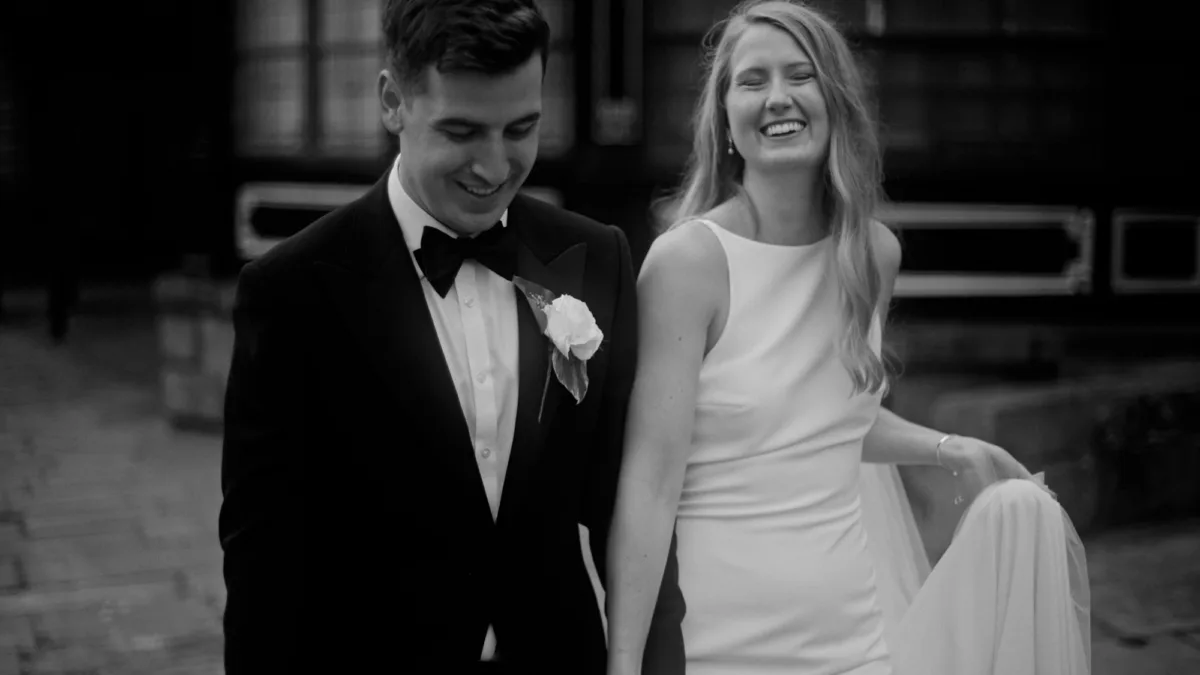
This "anti-trend" movement is reflective of a broader cultural shift toward slow media and authenticity. Consumers are looking for products that will remain aesthetically relevant for decades rather than years. This requires a sophisticated understanding of storytelling where the editor must find a unique "hook" for every film—perhaps starting with a quiet moment from the end of the night or a poignant exchange during the reception—to ensure the final product is a bespoke reflection of the couple’s identity.
Broader Implications for the Creative Economy in Cheshire and Beyond
The success of boutique filmmaking studios like Mitchell Films has broader implications for the regional creative economy in the North West of England. Cheshire has become a hub for high-end wedding services, attracting clients from across the country and contributing to a localized ecosystem of photographers, planners, and venues. The ability of local filmmakers to compete on a global stage, filming weddings worldwide, highlights the high standard of technical expertise present in the region.
Furthermore, the integration of professional filmmaking standards into the wedding industry has raised the bar for entry. The modern wedding videographer is expected to possess the skills of a documentarian, a cinematographer, and a sound engineer. This professionalization of the field has moved wedding filmmaking away from its "hobbyist" roots and into the realm of serious visual arts.
Conclusion: The Preservation of Human Connection
As digital media continues to saturate daily life, the role of the filmmaker in distilling meaningful narratives from the noise has never been more critical. The work of Karl Mitchell and Mitchell Films underscores a fundamental truth about the modern wedding: while the event itself lasts only a day, the responsibility of the filmmaker is to preserve the "beautiful humanity" of the occasion for a lifetime.
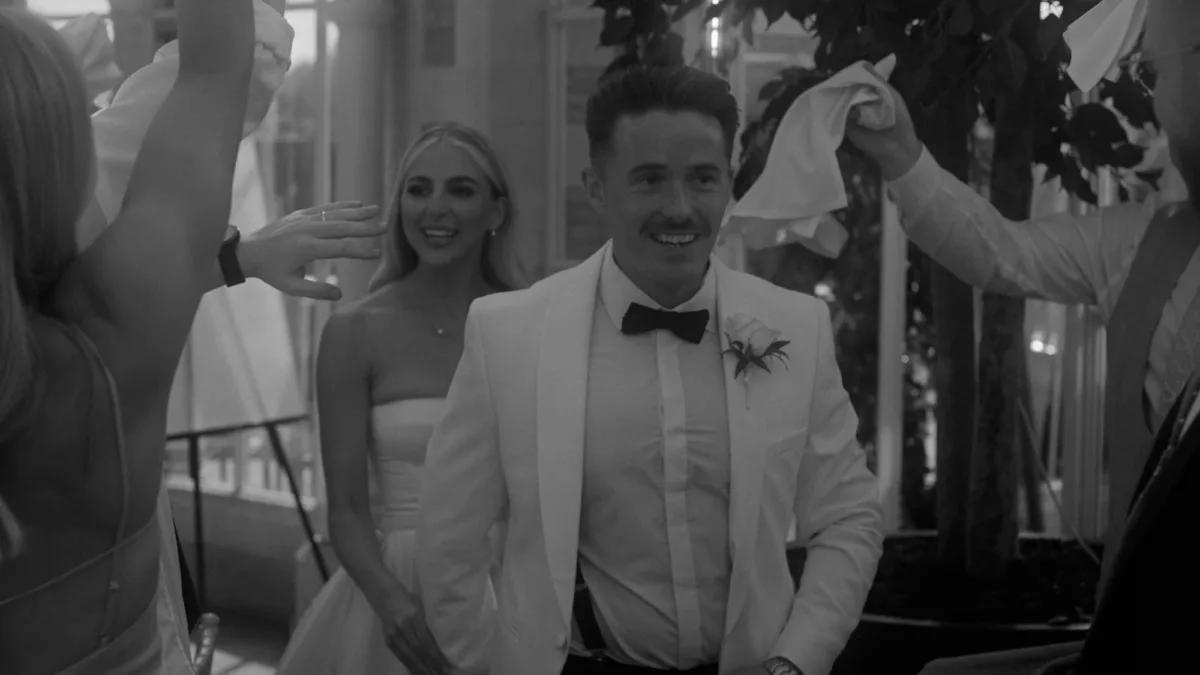
By prioritizing a relaxed, candid approach and rejecting formulaic structures, Mitchell Films provides a template for how the industry can evolve to meet the emotional needs of future generations. The enduring value of these films lies not in their technical perfection, but in their ability to return a couple to the feeling of their day—the nerves, the laughter, and the voices of those they love—long after the celebration has ended. In an era of fleeting digital content, the cinematic wedding film stands as a rare example of intentional, long-form storytelling designed to stand the test of time.