







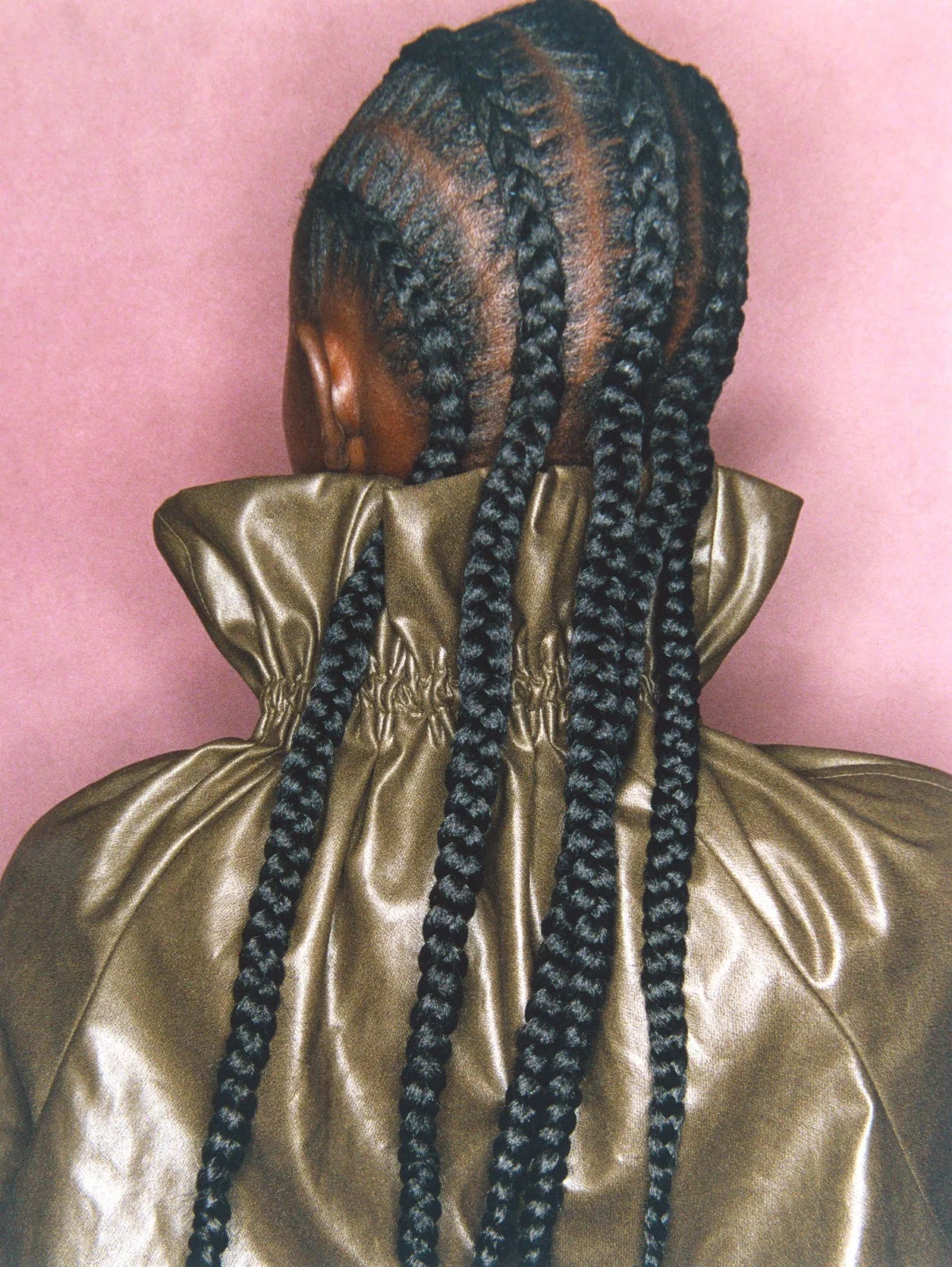
The moment you step out of the salon with freshly installed braids, you’re met with a wave of satisfaction. The intricate parts are sharp, your edges are laid to perfection, and you feel an undeniable sense of confidence. Beyond the aesthetic appeal, braids offer the allure of a low-maintenance style, often perceived as a respite from the demanding routine of wash days for several weeks. However, this common perception is a misconception that can potentially lead to adverse effects on your scalp and hair health. Dermatologists and hairstylists are emphasizing a critical truth: wearing braids does not exempt you from the necessity of washing your hair. In fact, neglecting proper cleansing while your hair is in a protective style can do more harm than good.
Understanding the Protective Power and Pitfalls of Braids
Braids, when executed correctly, are indeed a powerful tool for hair care. Dr. Zoë Indigo, a board-certified dermatologist based in Los Angeles, explains, "When done correctly, braids are an effective protective style that supports moisture retention and overall hair health." This protective quality is particularly beneficial during drier seasons, such as winter, when indoor heating systems can significantly deplete moisture from the air, leading to dry skin and hair. Braids act as a cocoon, helping to preserve the hair’s natural moisture balance and mitigate the harsh effects of environmental dryness.
However, the efficacy of braids as a protective style hinges on maintaining a clean and healthy scalp. The common oversight lies in neglecting the accumulation of product residue, natural oils, and environmental debris that can gather on the scalp during the period braids are worn. "The natural hair at the scalp needs to be washed while the braids are installed," states Dr. Ellen Marmur, a board-certified dermatologist in New York City. She further elaborates that this regular cleansing is crucial for maintaining a healthy scalp, reducing the risk of infections, and even mitigating the potential irritation from chemicals present in synthetic braiding hair.
The Crucial Cadence of Scalp Cleansing
The consensus among experts is that consistent scalp hygiene is paramount, even when your hair is braided. Dr. Naana Boakye, a board-certified dermatologist in New Jersey, recommends cleansing the scalp at least once a week. This frequency is essential for removing product buildup and allowing the scalp to breathe, which is vital for overall hair health. While spot cleansing can offer temporary relief, it is not a substitute for a thorough wash. Experts generally advise a full wash of the braided hair and scalp no later than every four weeks, with two weeks being the ideal interval for the first cleansing after installation.
A Step-by-Step Approach to Washing Braids
Understanding the importance of washing braided hair is the first step. The next is to know how to do it effectively without compromising the integrity of the style.
Step 1: The Essential Cleanse
When it’s time to wash, particularly if several weeks have passed and product has been applied liberally, a clarifying shampoo is your best ally. These formulas are designed to effectively remove stubborn buildup from gels, oils, and other styling products.
Dr. Whitney Tolpinrud, a board-certified dermatologist in San Diego, suggests incorporating shampoos containing active ingredients like ketoconazole, selenium sulfide, or zinc pyrithione. These ingredients are highly effective for a deep clean of the scalp. For a targeted approach, the Mizani Scalp Care Anti-Dandruff Shampoo, which contains zinc pyrithione along with soothing peppermint and cucumber oils, is a recommended option. Another excellent choice is the Carol’s Daughter Wash Day Delight Shampoo. Its precision nozzle allows for direct application to the scalp, ensuring thorough cleansing in the often-inaccessible areas between braids.
Product Spotlight:
- Mizani Scalp Care Anti-Dandruff Shampoo: This shampoo features zinc pyrithione to combat dandruff and is infused with skin-soothing peppermint and cucumber oils for a refreshing cleanse.
- Carol’s Daughter Wash Day Delight Shampoo: Designed with a nozzle applicator, this shampoo makes it easy to target the scalp directly, effectively reaching the roots of your braids for a comprehensive clean.
The Art of Gentle Scalp Massage
Hairstylists also offer practical techniques for washing braids. Brendnetta Ashley, a hairstylist in San Francisco, recommends using a clean edge brush with a small amount of shampoo applied. "Gently rub it on your scalp going between the parts to get a good cleanse," she advises. This method ensures that the shampoo reaches the scalp without causing undue friction or disruption to the braids themselves.
Minimizing Frizz During Washing
A common concern with washing braids is the potential for frizz. Ashley shares a clever technique to combat this: wearing a wig cap during the washing process. "I love this hack because when you use your hands or nails [to wash] you risk disrupting the braids too much," she explains. By placing a wig cap on your head, leaving only the length of the braids exposed, you can lather shampoo and gently work it over your scalp with your fingers. The wig cap acts as a protective barrier, reducing friction while remaining thin enough for the shampoo to effectively cleanse the scalp.
Focus on the Edges: Ashley particularly emphasizes the importance of cleansing the edges, as this is often where the most product buildup occurs, particularly from daily use of edge control products.
Rinsing for Clarity: A key indicator of a thorough cleansing is when the rinse water runs clear. Ashley notes that this signifies that all shampoo and loosened debris have been effectively removed from the scalp.

Managing Water and Drying
The fear of heavy, waterlogged braids that take an eternity to dry is a valid concern for many. Experts suggest a strategic approach to rinsing and drying to mitigate this.
Targeted Rinsing: To minimize the amount of water saturating the braid lengths, focus the water stream directly on the scalp and roots. A handheld shower attachment can be invaluable for this. By hanging your head upside down in the shower or tub, and holding your braids upwards, you can maneuver the handheld attachment to direct water precisely to the scalp. This method significantly reduces the water that reaches the lengths of the braids. An alternative method involves using a bucket of water in the same upside-down position.
Step 2: The Crucial Drying Process
Proper drying is as critical as cleansing to prevent potential issues like mold and bacterial growth.
The Threat of Dampness: Braids that remain damp for extended periods can become a breeding ground for mold and bacteria, leading to unpleasant odors and potential scalp infections. "Moldy box braids are definitely a thing," warns hairstylist T. Cooper of New York City, recounting a personal experience. "I found out the hard way."
Absorb, Don’t Rub: To prevent frizz during the drying phase, Cooper strongly advises against rubbing the hair with a conventional towel. Instead, she recommends gently placing the braids into the towel and wringing out excess water.
The Microfiber Advantage: Microfiber towels, such as the Volo Hero Towel, are highly effective in minimizing frizz. Their fine fibers and smooth surface are designed to absorb water rapidly, allowing for quicker drying with less friction.
Product Spotlight:
- Volo Hero Hair Towel: This premium microfiber hair towel is engineered for rapid water absorption, reducing drying time and minimizing frizz without excessive friction.
Accelerating the Dry: For the fastest and most thorough drying, using a blow-dryer on a cool or low-heat setting after towel-drying and applying a leave-in conditioner is recommended. While air-drying is an option, ensure you wring out as much excess water as possible post-wash and allow for ample airflow to ensure the scalp and roots dry completely.
Step 3: The Conditioning Touch
Once cleansing and drying are complete, the focus shifts to moisturizing. However, this doesn’t necessarily mean a traditional rinse-out conditioner is required for the braids themselves.
The Moisture-Retaining Nature of Braids: Dr. Indigo reiterates that braids inherently help hair retain moisture. "By grouping strands together, braids reduce the amount of hair exposed to air, which slows water loss," she explains. Therefore, the primary need for moisture is at the roots and scalp, which have just been cleansed.
The Efficacy of Leave-In Conditioners: A leave-in conditioner is often sufficient to moisturize the scalp and roots without the added friction of massaging in and rinsing out a heavier conditioner. This targeted approach helps maintain the neatness of the braids.
Product Spotlight:
- Dippity-do Girls with Curls De-Frizz Leave-In Detangling Conditioner: This leave-in conditioner is praised for its ability to detangle and combat frizz, making it ideal for maintaining the appearance of braids.
- Davines OI All In One Milk: Formulated with glycerin and sunflower seed oil, this leave-in treatment provides lightweight yet long-lasting moisture to the scalp and roots, leaving a pleasant citrus scent.
Special Care for Boho Braids: For styles like boho braids that incorporate loose, human hair strands, this is an opportune moment for extra nourishment. Ashley suggests using a curl foam or mousse to keep these loose pieces hydrated and fresh after washing. Applying the leave-in conditioner first, followed by working mousse through the loose strands with fingers or a detangling brush, can help maintain their texture and appearance.
Broader Implications for Hair Health
The practice of neglecting scalp hygiene while wearing braids can have long-term consequences. Persistent buildup can clog hair follicles, potentially leading to inflammation, slowed hair growth, and even hair loss in severe cases. Furthermore, the humid environment that can develop under unwashed braids can exacerbate scalp conditions like dandruff and seborrheic dermatitis.
The information provided by dermatologists and hairstylists underscores a shift in the understanding of protective styling. It is not about avoiding maintenance but rather adapting it. By integrating regular, albeit modified, cleansing and conditioning routines, individuals can ensure that their braids not only look good but also contribute positively to their overall hair and scalp health. This approach allows for the continued enjoyment of protective styles while safeguarding against potential detrimental effects, promoting a healthier relationship with one’s hair.