









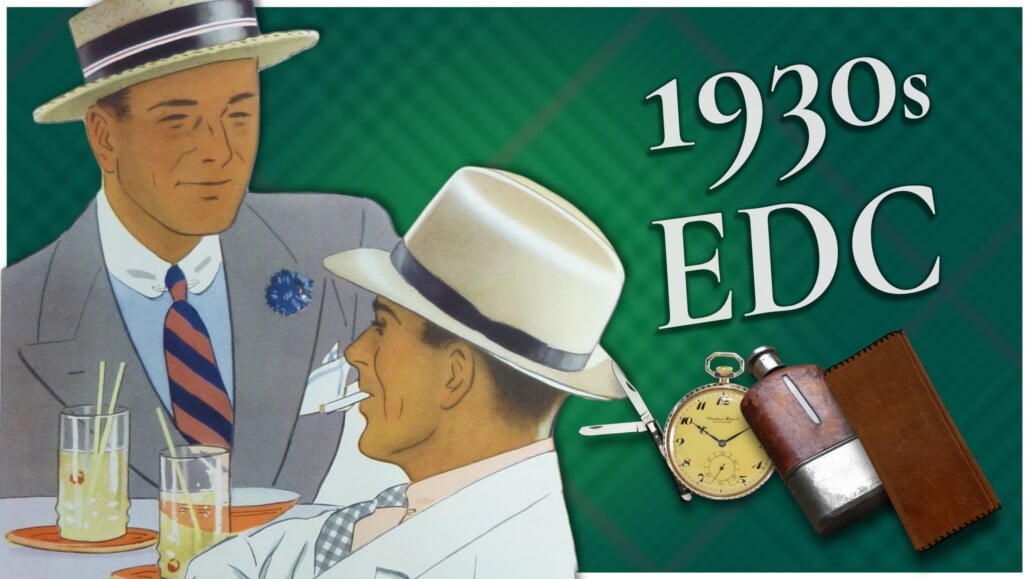
The 1930s, often hailed as the "Golden Age of Menswear," represented a pinnacle of sartorial elegance and disciplined personal style, yet a gentleman’s outward appearance was only one facet of his preparedness. What he carried within his pockets—his Everyday Carry (EDC)—was equally critical, serving as a testament to his functionality, readiness, and social standing in an era defined by profound economic challenges and shifting social norms. This meticulously curated collection of personal items provided practical utility, facilitated social interactions, and offered a measure of self-reliance, even amidst the widespread hardship of the Great Depression. The items that comprised a 1930s gentleman’s EDC reveal a compelling snapshot of a bygone era, underscoring values of durability, preparedness, and discreet sophistication that continue to resonate with the concept of a well-equipped man today.
The Economic Backdrop: Resilience Amidst the Great Depression
The decade of the 1930s was indelibly marked by the Great Depression, an economic crisis of unprecedented scale that began with the stock market crash of October 1929 and cast a long shadow over global economies for much of the decade. Millions faced unemployment, poverty, and uncertainty, profoundly influencing societal values and daily practices. In this environment, the concept of "waste not, want not" became a guiding principle. Possessions were cherished, maintained, and repaired rather than casually replaced. For the gentleman, this meant that his EDC items were not merely accessories but vital tools chosen for their durability, versatility, and long-term utility. Maintaining an air of composure and preparedness, even when facing personal or national economic strain, was a matter of quiet pride and resilience. This context elevated the significance of each item, transforming them from simple objects into symbols of a man’s ability to navigate a challenging world with grace and competence.

The 1930s EDC Arsenal: A Detailed Breakdown
The typical EDC of a 1930s gentleman was a carefully considered collection, each piece serving a distinct purpose while reflecting the prevailing standards of quality and design.
1. Monetary Implements: The Wallet and Its Contents
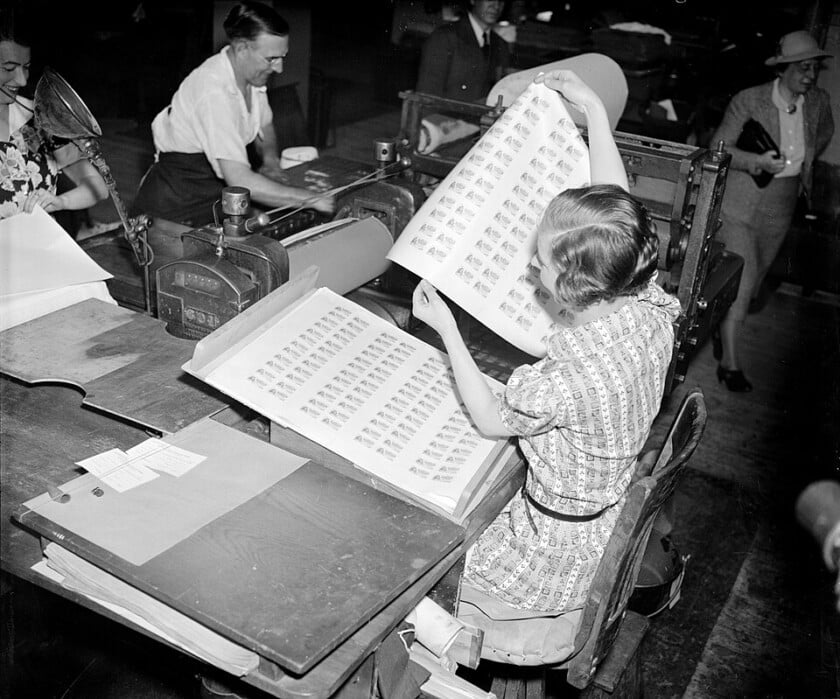
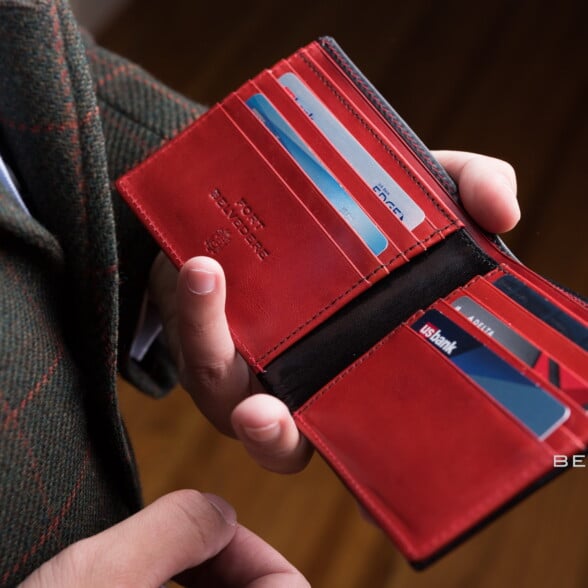
In an age predating widespread credit cards and digital transactions, cash reigned supreme. The wallet of the 1930s gentleman was primarily designed to hold paper currency, often neatly folded, alongside a limited number of essential cards. These cards, while fewer than today, were gaining importance due to the burgeoning administrative state and new government initiatives. Driver’s licenses, which had become more common with the rise of personal automobiles, were a standard inclusion. More significantly, the era saw the introduction of new government-issued identification cards linked to President Franklin D. Roosevelt’s New Deal programs. These included IDs for participants in the Civilian Conservation Corps (established 1933), a public work relief program for unemployed men, and Social Security cards (introduced with the Social Security Act of 1935), which laid the groundwork for modern social welfare. By 1939, early prototypes of food stamps also emerged, further highlighting the evolving role of government-issued identification in daily life. Wallets were typically crafted from fine leather, such as calfskin or even exotic skins for those who could afford them, reflecting a blend of practicality and understated luxury. Checkbooks, while not always "pocketed," were also critical for larger transactions, underscoring the reliance on physical forms of payment and record-keeping.
2. The Handkerchief: A Multifunctional Essential
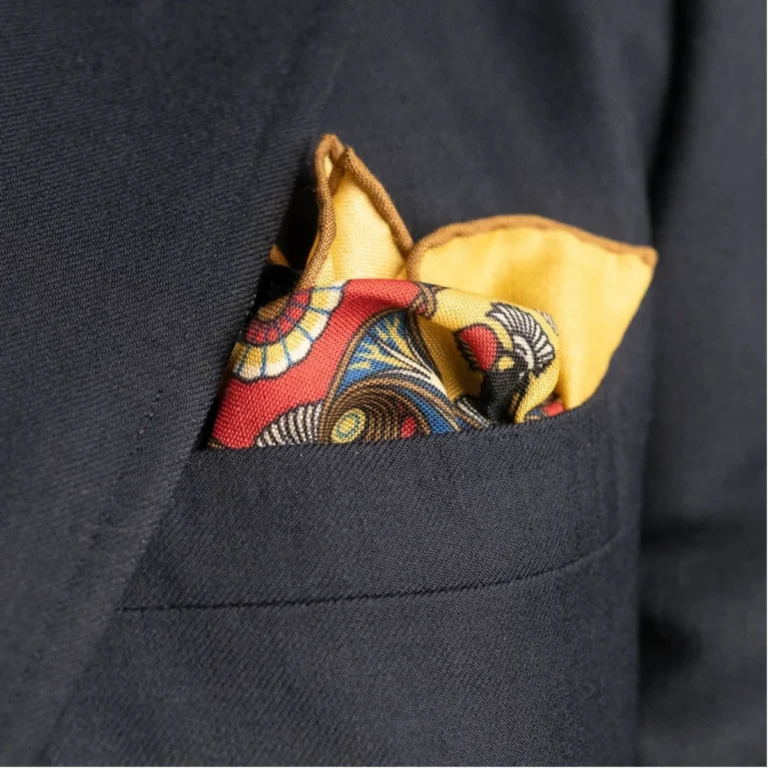
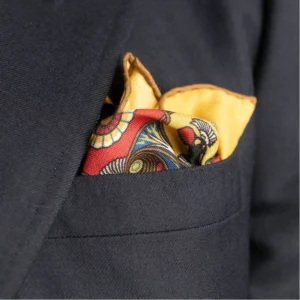
The handkerchief was a non-negotiable item for any gentleman of the 1930s, embodying principles of hygiene, etiquette, and readiness. Far from being a mere fashion accessory, it served a multitude of practical purposes. A clean handkerchief was indispensable for personal use—to wipe one’s brow on a warm day, clean spectacles, or discreetly attend to a cough or sneeze. It also played a role in social graces, offering assistance to a lady in distress or performing minor cleaning tasks. Typically made from washable cotton or linen, these handkerchiefs were often plain white or in solid, subdued colors. Personalization frequently came in the form of embroidered initials, adding a touch of bespoke elegance. For men engaged in more strenuous or dirtier occupations, such as farmers or factory laborers, a robust bandana served a similar, albeit more rugged, purpose, offering greater absorbency and durability for grimy conditions. This simple cloth epitomized a quiet dignity and preparedness.
3. The Pocket Knife: Discreet Utility
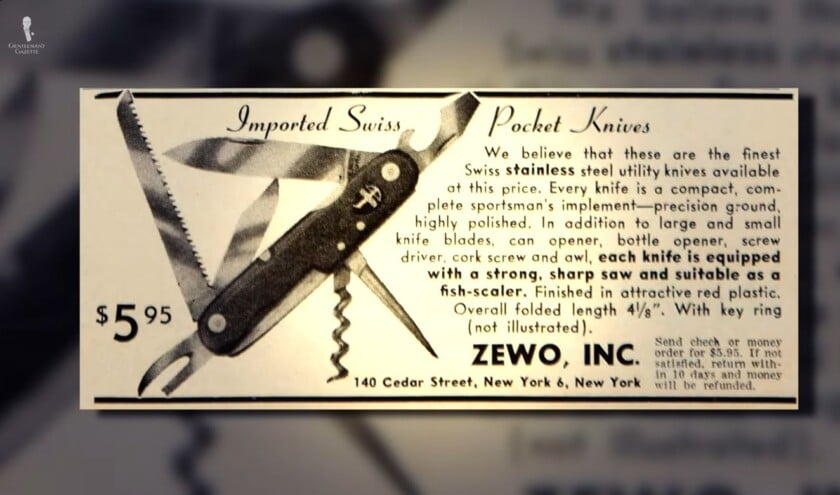
Long before the advent of modern multi-tools, the pocket knife was the quintessential instrument of daily utility for the 1930s gentleman. It was discreet, elegant, and surprisingly versatile. Simple one- or two-blade slipjoint knives were common, their blades crafted from durable steel and handles from materials like celluloid, Bakelite, bone, or even silver for more refined versions. Its uses were myriad: from opening mail and packages to sharpening a pencil, cutting a loose thread, or even whittling during moments of leisure. For tobacco users, a sharp blade was essential for shaving plug tobacco for a pipe. The pocket knife was a symbol of self-sufficiency, a quiet affirmation of a man’s ability to handle small, everyday challenges without needing external assistance. Its presence spoke to a culture that valued practical skills and thoughtful preparation.
4. Personal Maintenance: The Compact Sewing Kit (The "Housewife")
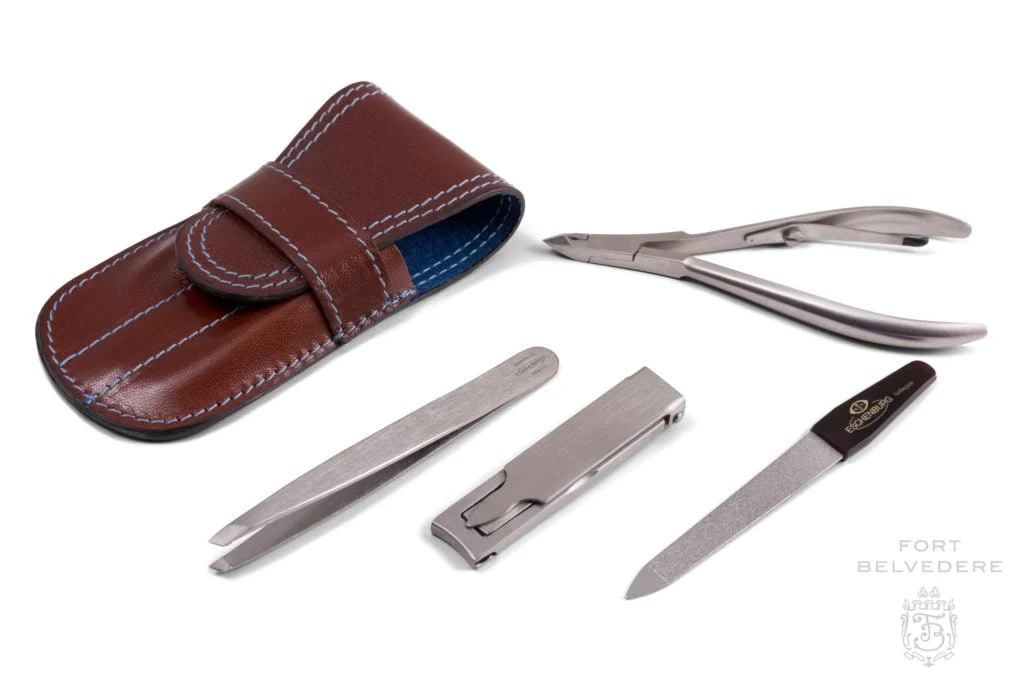
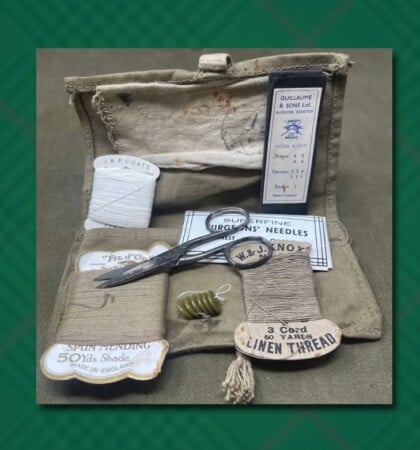
The concept of a portable sewing kit, historically known as a "housewife" (or "huswife" or "husif"), dates back centuries, with its first recorded use in 1749. These compact kits became standard issue for soldiers in conflicts like WWI and WWII, highlighting their critical utility. In the interwar years of the 1930s, with the Great Depression enforcing a "waste not, want not" mentality, these kits were indispensable for civilian men. Rather than discarding damaged clothing or incurring the expense of a tailor for minor repairs, a man could handle small mends himself. A typical "housewife" contained essential items: an assortment of needles, pins, spools of mending thread in common colors, spare buttons, a thimble, small scissors, and often a piece of wax for strengthening thread or making it waterproof. This kit was a testament to the era’s emphasis on thrift, resourcefulness, and personal responsibility in maintaining one’s appearance and possessions. (It is worth noting that the UK Ministry of Defense formally phased out the term "housewife" for its sewing kits in 2019, reflecting evolving language norms.)
5. Keys and Signet Rings: Access and Authentication
Organization and security were paramount, making keys an obvious everyday essential. Gentlemen carried keys for their homes, automobiles (increasingly common in the 1930s), offices, and even post office boxes. These were typically kept on a simple, sturdy brass ring for ease of access and management. Some men opted for more elaborate key chains, occasionally featuring a chain component similar to a pocket watch chain, which could be secured to a belt or waistcoat button to prevent loss. A brief fad during the era saw harmoniously decorated sets of chains, fobs, and buckles marketed as coordinated accessories. Alongside practical keys, signet rings held a place of both personal expression and historical function. While primarily worn as a mark of family lineage, club affiliation, or personal style, signet rings had historically been used to seal documents with wax, serving as a unique form of authentication. Even if not actively used for sealing in the 1930s, their legacy imbued them with an air of authority and tradition.

6. The Timepiece: A Shift in Preference
The 1930s represented a pivotal decade in the evolution of timekeeping, witnessing a significant shift in preference from pocket watches to wristwatches. By the middle of the decade, wristwatches were outselling their pocket-bound counterparts. This transition was driven by several factors. World War I veterans, having experienced the practical advantages of "trench watches" (early wristwatches) on the battlefield, continued to favor their convenience in civilian life. Concurrently, the gradual decline of the waistcoat as a staple of men’s formal and informal attire removed a traditional pocket for the pocket watch. Furthermore, a broader societal move away from ostentatious displays of wealth during the Depression, coupled with the increasing pace of modern life, favored the more discreet and accessible wristwatch.
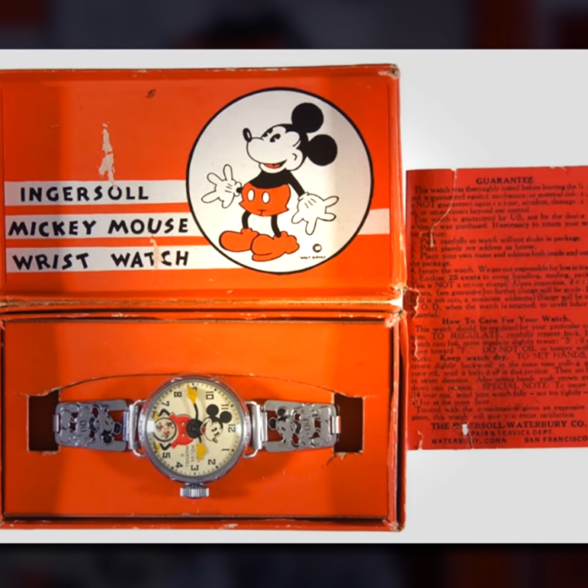
The market offered a wide spectrum of options. At the luxury end, iconic models like the Rolex Oyster Perpetual (1931), known for its self-winding and waterproof capabilities; the Jaeger-LeCoultre Reverso (1931), designed to protect its crystal during polo matches; and the elegant Patek Philippe Calatrava (1932) emerged as symbols of sophisticated engineering and timeless design. Simultaneously, more budget-friendly options, such as the Elgin Legionnaire and Bulova Banker, made personal timekeeping accessible to a broader demographic. A remarkable story from this era involves the Waterbury Clock Company (now Timex), which famously averted bankruptcy during the Depression through a legendary partnership with the struggling Walt Disney Studios. In 1933, they launched the world’s first Mickey Mouse character watch, selling an astonishing 11,000 units on its first day at Macy’s and over two million within 18 months. This iconic timepiece not only saved a historic American manufacturer but profoundly changed the trajectory of the wristwatch, demonstrating the power of popular culture and accessible design.
7. The Pocket/Hip Flask: A Discreet Companion
The hip flask, crafted from materials like pewter, silver, or leather-wrapped glass, was a highly utilized item during the 1930s, its popularity inextricably linked to the era of Prohibition. From 1920 to 1933, the 18th Amendment and the Volstead Act prohibited the manufacture and sale of alcoholic beverages in the United States. However, consumption itself was not explicitly illegal, leading to a widespread culture of clandestine drinking. Many American men consequently carried discreet flasks filled with their own "potent potables." This habit persisted even after the repeal of Prohibition in 1933, as flasks continued to offer a convenient way to carry one’s preferred spirits to social gatherings or establishments that might not serve them, reflecting a continued desire for personal autonomy and a touch of illicit charm.
8. Tobacco and Accouterments: A Ubiquitous Ritual
Tobacco use was a pervasive cultural element across much of the world in the 1930s, deeply integrated into social rituals and daily routines. For the gentleman, this often necessitated carrying a suite of related items:
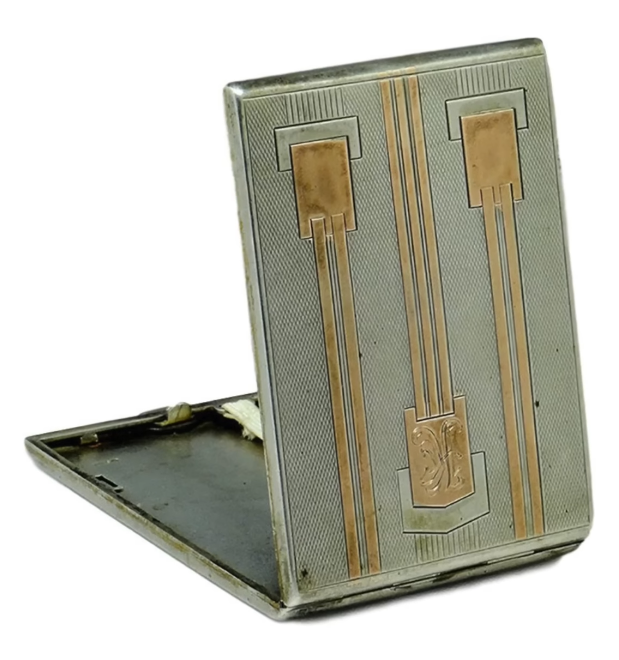
- Cigarette Cases: Men frequently transferred factory-made or hand-rolled cigarettes from their paper packs into elegant metal cases, which were then kept in a jacket or breast pocket. These cases ranged from utilitarian base metals to luxuriously engraved precious metals, often featuring intricate Art Deco designs. They protected cigarettes from crushing and moisture while adding a touch of refinement.
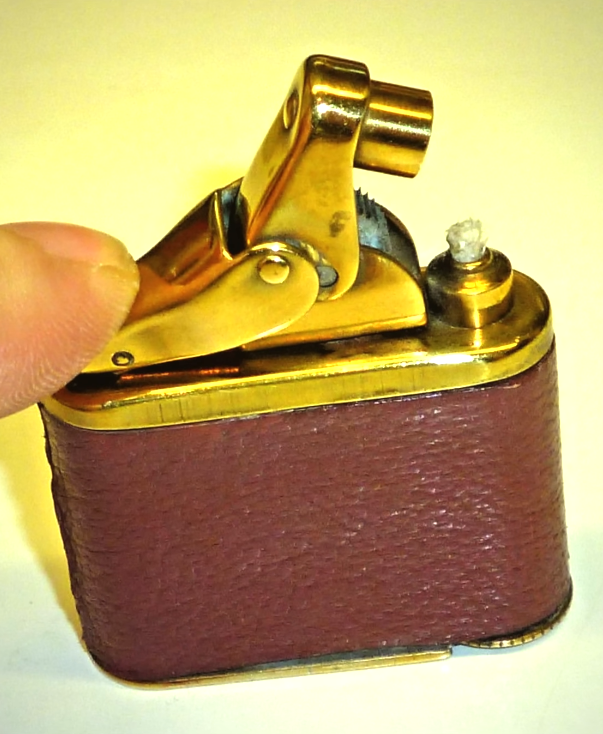
- Lighters: While matches remained common, portable lighters grew significantly in popularity following the development of ferrocerium (a spark-producing alloy) in the 1910s. The most iconic lighter of the era, the windproof Zippo, debuted in 1932. Utilizing petroleum naphtha lighter fluid and a wick, the Zippo quickly became a symbol of American ingenuity and reliability, its distinctive "click" becoming instantly recognizable.
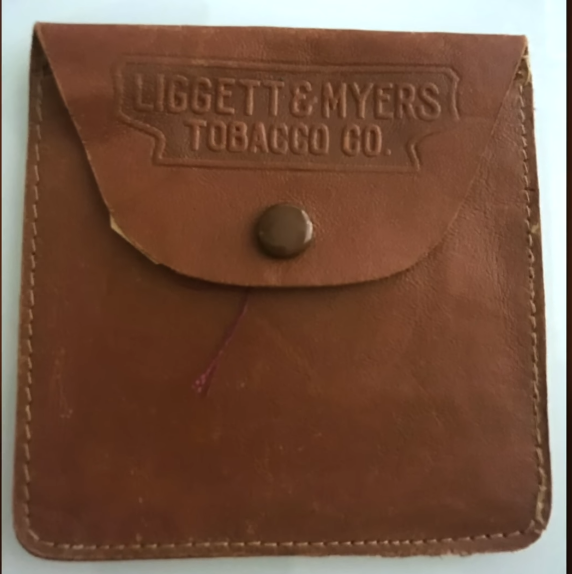
- Pipes: For pipe smokers, the EDC expanded to include a leather or canvas tobacco pouch to keep pipe tobacco fresh, a tamper to pack the bowl, and, of course, a reliable method for lighting. The pipe itself, often a symbol of contemplation and sophistication, might also be carried if not already in use.
9. Writing Instruments: Correspondence and Records
A true gentleman was always prepared to record a fleeting thought, jot down a phone number, or sign a check, making reliable writing instruments essential. In the 1930s, the fountain pen was the absolute standard for written communication. Brands like Parker, Waterman, and Sheaffer produced exquisite fountain pens with gold nibs, often encased in elegant materials such as Bakelite, celluloid, or even precious metals. These pens, typically filled from an inkwell, required a certain level of care and skill to use, distinguishing them as tools of refinement. Alongside the pen, a small, leather-bound notebook or a simple pad of paper was carried for notes, addresses, or impromptu correspondence. The widespread adoption of the modern ballpoint pen would not occur until the 1940s, cementing the fountain pen’s reign throughout the 1930s as the preferred instrument for legible and elegant script.
10. Grooming: The Pocket Comb

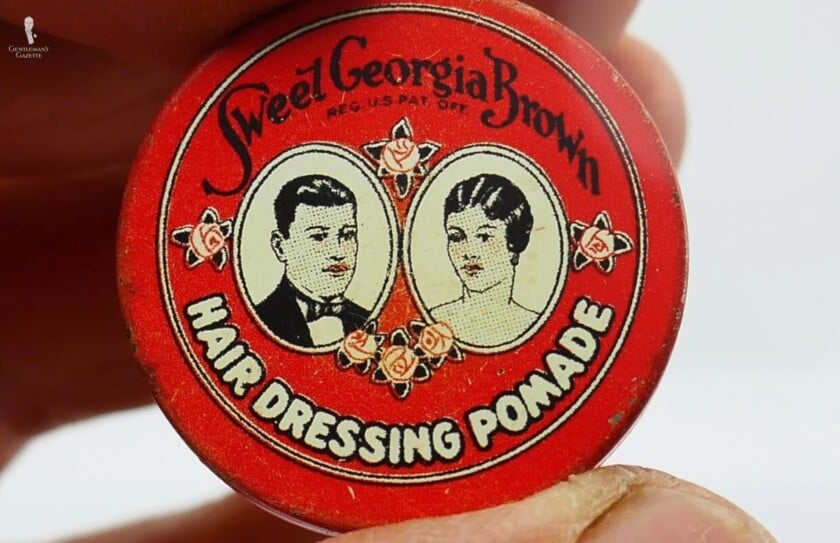
Despite the prevalence of hats in public—a matter of social convention and etiquette—proper grooming remained paramount. Men were frequently required to remove their hats, necessitating a quick way to restore their hairstyle. A lustrous, slicked-back coiffure, often maintained with pomade or brilliantine, was the prevailing fashion standard. To combat "hat hair" or simply refresh their appearance throughout the day, gentlemen carried pocket combs. These combs were typically made from durable and aesthetically pleasing materials such as horn, tortoiseshell, celluloid (an early plastic), or metal. While usually basic rectangular or oblong shapes, folding models also existed, offering greater portability and protection for the teeth. Small tins of pomade, like the popular Sweet Georgia Brown Hair Dressing Pomade, were also carried, allowing for quick touch-ups to maintain a flawless, well-groomed look.
Beyond the Essentials: Bonus Items Reflecting the Times
Beyond the core ten items, other objects frequently found their way into a gentleman’s pockets, reflecting the specific characteristics of 1930s life.
Bonus 1: Paper Ephemera
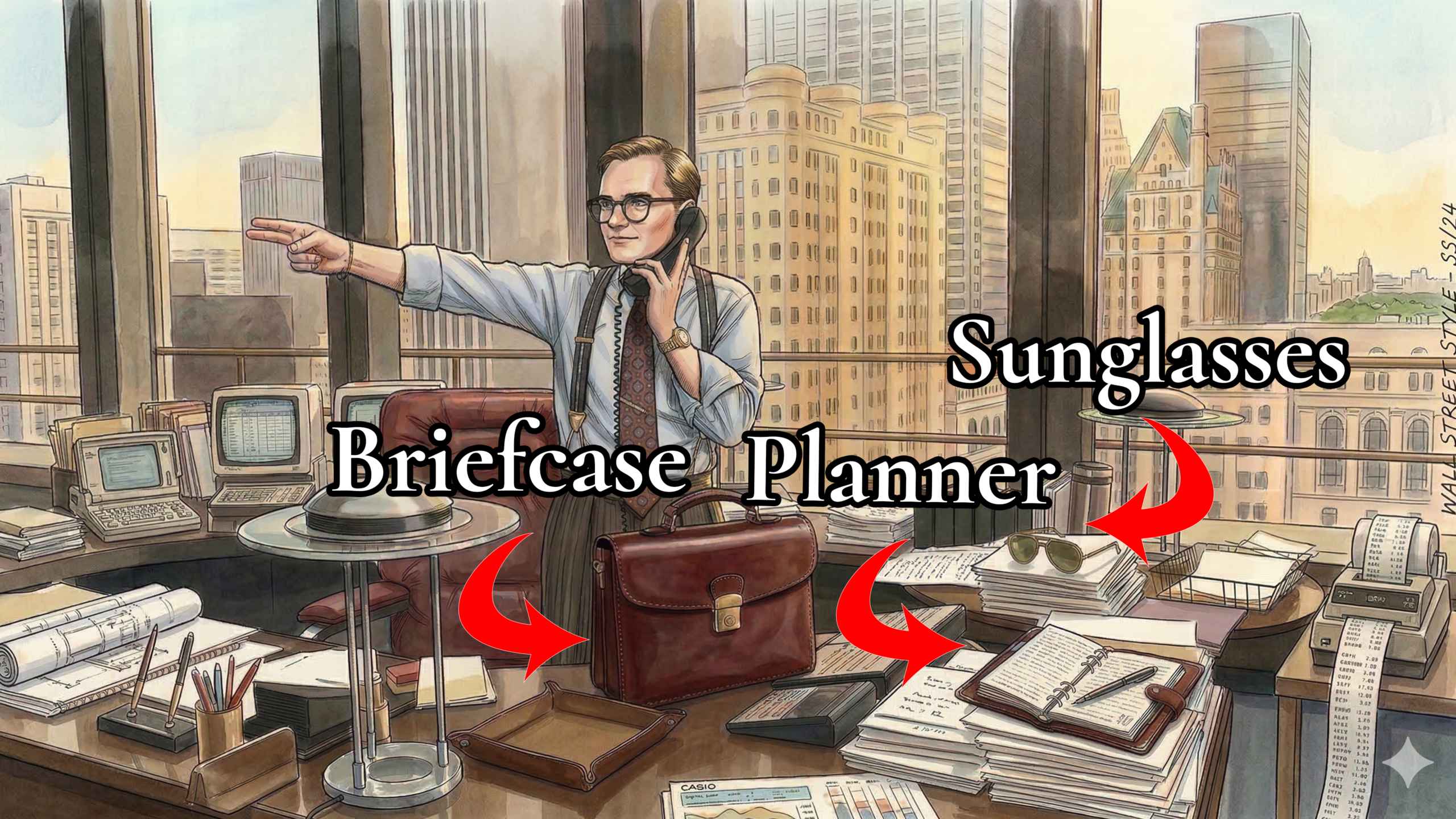
In a world far removed from today’s digital information streams, much of daily life’s information was conveyed on paper. Men frequently carried non-permanent items like newspapers for current events, ticket stubs from public transport or entertainment, public transit timetables for navigation, and maps for travel, especially as automobile ownership increased. These items were not just practical but also provided a connection to the broader world and aided in daily navigation and scheduling.
Bonus 2: Novelty Hand Games
To pass the time and alleviate the pervasive stress of the Great Depression, men often carried simple forms of entertainment. Decks of playing cards were common, allowing for solo games of solitaire or impromptu card games with companions. Handheld skill games, featuring small metal balls navigated through a maze or toward targets, somewhat akin to miniature pinball, also provided a portable diversion. These small items offered a welcome respite and a touch of levity during hard times.
Conclusion: An Enduring Legacy of Preparedness and Style
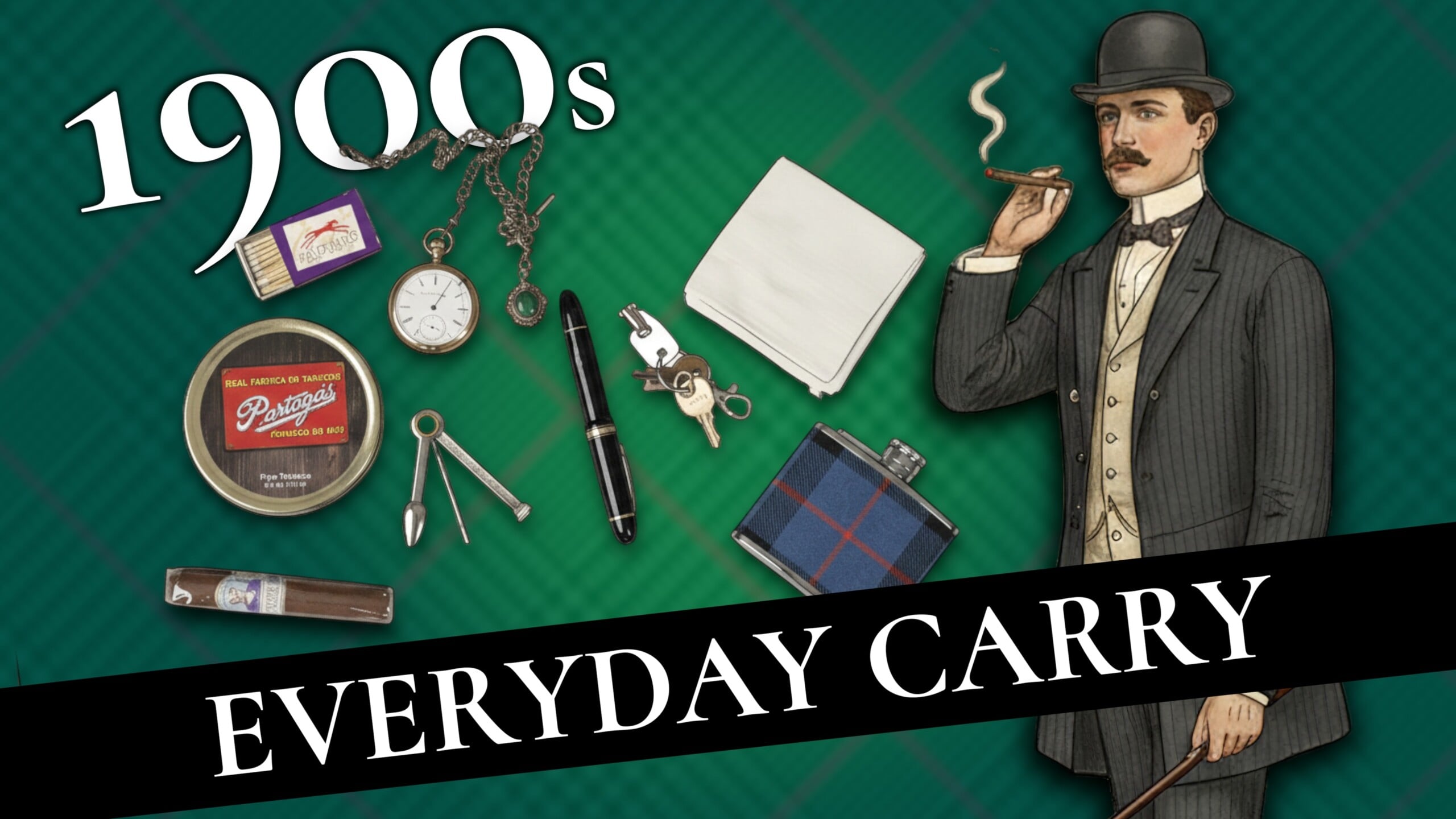
The 1930s gentleman’s Everyday Carry was more than just a collection of objects; it was a carefully curated extension of his persona, a silent declaration of his preparedness, self-reliance, and commitment to refined living, even in the face of profound adversity. Each item, from the robust leather wallet managing cash and new government IDs to the discreet pocket knife and the elegant fountain pen, spoke volumes about the values of the era: durability, utility, and a quiet adherence to standards. The shift from pocket watches to wristwatches highlighted adaptability, while the "housewife" sewing kit underscored a spirit of thrift and self-sufficiency.
Many of the underlying principles that guided the 1930s gentleman’s EDC remain relevant today. The desire for practical tools, reliable timekeeping, personal grooming essentials, and the means to communicate or record information are timeless. While the specific objects have evolved—smartphones have replaced many functions of notebooks, pens, and even timepieces, and digital payments dominate monetary transactions—the spirit of preparedness and intentional selection endures. The 1930s EDC stands as a benchmark, inspiring modern interpretations of what it means to be a well-equipped and thoughtfully prepared individual, reminding us that true style and capability extend far beyond what is visible on the surface.