








In an era increasingly defined by the convergence of comfort, style, and ethical consumption, the ubiquity of Birkenstock sandals, particularly the instantly recognizable ‘Arizona’ style, stands as a testament to the enduring “dad sandal” trend. Yet, despite its soaring popularity, propelled by social media virality, celebrity endorsements, a prominent appearance in the 2023 Barbie movie, and high-profile collaborations with luxury brands like Rick Owens and Valentino, the brand faces significant scrutiny over its sustainability practices. Leading ethical rating platform Good On You has notably classified Birkenstock as “Not Good Enough” across crucial metrics concerning people, the planet, and animal welfare, prompting a growing segment of conscious consumers and fashion enthusiasts to seek out more sustainable and ethically produced alternatives.
The Phenomenal Resurgence of Birkenstock
Birkenstock’s journey from humble orthopedic footwear to a global fashion phenomenon is a remarkable narrative spanning centuries. Founded in 1774 by German shoemaker Johann Adam Birkenstock, the brand initially focused on contoured insoles designed to promote foot health. It wasn’t until 1896 that Konrad Birkenstock developed the first flexible arch support, laying the groundwork for the modern Birkenstock sandal. The introduction of the iconic ‘Madrid’ model in 1963 and the ‘Arizona’ in 1973 marked pivotal moments, solidifying its place in counter-culture movements and holistic lifestyles, particularly in the United States.
For decades, Birkenstocks were associated with a bohemian aesthetic, often considered a fashion faux-pas by mainstream standards. However, the 21st century witnessed an extraordinary renaissance. The early 2010s saw the beginning of a gradual shift, as comfort gained precedence in fashion. By the mid-2010s, designers began incorporating the chunky, two-strap sandal into high fashion collections, transforming it from a niche item into a high-demand accessory. This trajectory accelerated dramatically in recent years. The brand’s strategic collaborations, such as those with Rick Owens and Valentino, elevated its status, while its cameo in Greta Gerwig’s blockbuster "Barbie" movie in 2023 cemented its cultural relevance, demonstrating its ability to transcend various style archetypes. Furthermore, the brand’s expansion into new product categories, including a bridal collection in collaboration with Danielle Frankel and even a foray into nail polish, underscores its ambition to become a comprehensive lifestyle brand. This commercial success culminated in a significant valuation, with the brand reporting robust growth figures and a successful public listing on the New York Stock Exchange in 2023, showcasing investor confidence in its global appeal.
The Uncomfortable Truth: Birkenstock’s Sustainability Scorecard
Despite its undisputed market success and cultural omnipresence, Birkenstock’s environmental and ethical record lags behind the expectations of an increasingly aware consumer base. Good On You, a globally recognized authority in ethical fashion ratings, has consistently rated Birkenstock as "Not Good Enough." This comprehensive assessment scrutinizes brands across three primary dimensions: their impact on the planet, their treatment of people, and their commitment to animal welfare.
Regarding its impact on the planet, Birkenstock faces criticism for its limited use of lower-impact materials. While the brand often highlights its natural cork footbeds, a renewable resource, the broader material composition of its products, including synthetic leathers, glues, and traditional leather, does not consistently meet the highest sustainability standards. The manufacturing processes involved, particularly in the production and dyeing of conventional leather, are often associated with high water consumption, chemical pollution, and significant carbon emissions. There is a perceived lack of transparency regarding supply chain emissions reduction targets or concrete steps towards circularity, such as robust take-back schemes or significant recycling initiatives for end-of-life products.
In terms of people, the "Not Good Enough" rating suggests concerns regarding fair labor practices and living wages throughout Birkenstock’s extensive supply chain. While the company is headquartered in Germany, its global manufacturing network can be complex, making comprehensive oversight challenging. Ethical labor practices demand transparency, adherence to international labor standards, and demonstrable efforts to ensure that all workers, from raw material extraction to final assembly, receive a living wage that covers basic needs and allows for discretionary income. The absence of clear, verifiable commitments and progress in these areas raises red flags for human rights advocates and ethical consumers.
For animal welfare, the reliance on conventional leather and wool in many of its products contributes to its lower rating. The production of traditional leather often involves practices that raise ethical questions about animal farming conditions, traceability, and the environmental footprint of livestock. While Birkenstock offers vegan options, these often utilize synthetic materials that may not be environmentally superior if they are petroleum-based and lack end-of-life solutions. A truly "Good" or "Great" rating would typically require comprehensive animal welfare policies that extend throughout the supply chain, ideally favoring certified cruelty-free materials and ensuring robust traceability for any animal-derived components.
This critical assessment from Good On You, last updated in May 2026, reflects a growing demand for transparency and accountability from all brands, regardless of their legacy or popularity. The disconnect between Birkenstock’s cultural cachet and its sustainability performance highlights a crucial challenge for legacy brands in the modern market.
The Rise of Conscious Consumerism and the Demand for Ethical Alternatives
The shift in consumer values towards sustainability and ethics is not a fleeting trend but a fundamental transformation of the retail landscape. Driven by increased awareness of climate change, social inequality, and animal welfare issues, consumers are actively seeking brands that align with their moral compass. Industry reports indicate that the global sustainable fashion market is projected to reach an estimated $15 billion by 2030, growing at a compound annual growth rate of over 9%. A significant portion of consumers, particularly younger demographics, express a willingness to pay more for products from brands committed to ethical practices.
This evolving consumer consciousness creates both a challenge for established brands like Birkenstock and a fertile ground for innovative, purpose-driven companies. The demand extends beyond mere product quality to encompass the entire lifecycle of a garment or accessory – from sourcing and manufacturing to labor practices and end-of-life disposal. Brands that can authentically demonstrate their commitment to environmental stewardship, fair labor, and animal-friendly practices are gaining significant market traction. This paradigm shift means that a brand’s "story" and its underlying values are becoming as important as its design or price point.
The German Sandal Legacy: A Design Philosophy Reimagined
The core design principle behind Birkenstock and many of its alternatives—a contoured footbed designed to support and mimic the natural shape of the foot—is deeply rooted in orthopedic tradition. This style, often referred to as a "footbed sandal," contrasts sharply with flat insoles by providing arch support, a deep heel cup, and a roomy toe box. This ergonomic approach, which has been perfected over centuries in Germany, aims to distribute weight evenly, improve posture, and enhance comfort.
It is this foundational design philosophy that ethical brands have adopted and reimagined, infusing it with their own commitments to sustainability. They aim to replicate the comfort and distinctive aesthetic of the "dad sandal" while addressing the environmental and social shortcomings identified in conventional production. These brands understand that consumers no longer want to compromise between comfort, style, and their values.
Spotlight on Sustainable and Ethical Alternatives to Birkenstocks
The market now offers a compelling array of brands that embody the comfort and style of Birkenstocks while upholding stringent ethical and sustainable standards. These brands represent the vanguard of conscious footwear, proving that fashion can be both responsible and desirable.
ESSÄN: Founded in 2016 by Marre Muijs, ESSÄN emerged as a direct response to the wasteful cycles of fast fashion. Muijs articulated her vision, stating, “I founded ESSÄN in 2016 as a response to a fashion cycle that overproduces more than it carefully crafts, chases trends more than it determines classics, and wastes more than it sustains.” This ethos translates into a business model that eschews seasonal fashion calendars in favor of a single, permanent collection. ESSÄN champions limited production runs, ensuring that demand dictates supply, thereby minimizing surplus and waste. Their commitment extends to employing low-waste cutting techniques, maximizing fabric utilization, and reducing textile scrap. The brand’s focus on timeless design and durable materials further encourages longevity, aligning with principles of circularity and reduced consumption.
Elk: As a pioneer of independent Australian design, Elk has been a beacon of ethical fashion since its inception in Melbourne in 2004. The brand’s bi-annual collections are meticulously crafted, embodying a design philosophy where simplicity, sustainability, and innovation converge. Elk distinguishes itself through its transparent supply chain, working closely with audited factories to ensure fair labor practices and safe working conditions. They prioritize the use of environmentally responsible materials, including organic cotton, recycled polyester, and vegetable-tanned leathers, continually seeking ways to reduce their environmental footprint. Elk’s commitment to durability and timeless design ensures that their products are built to last, counteracting the disposable nature of fast fashion.
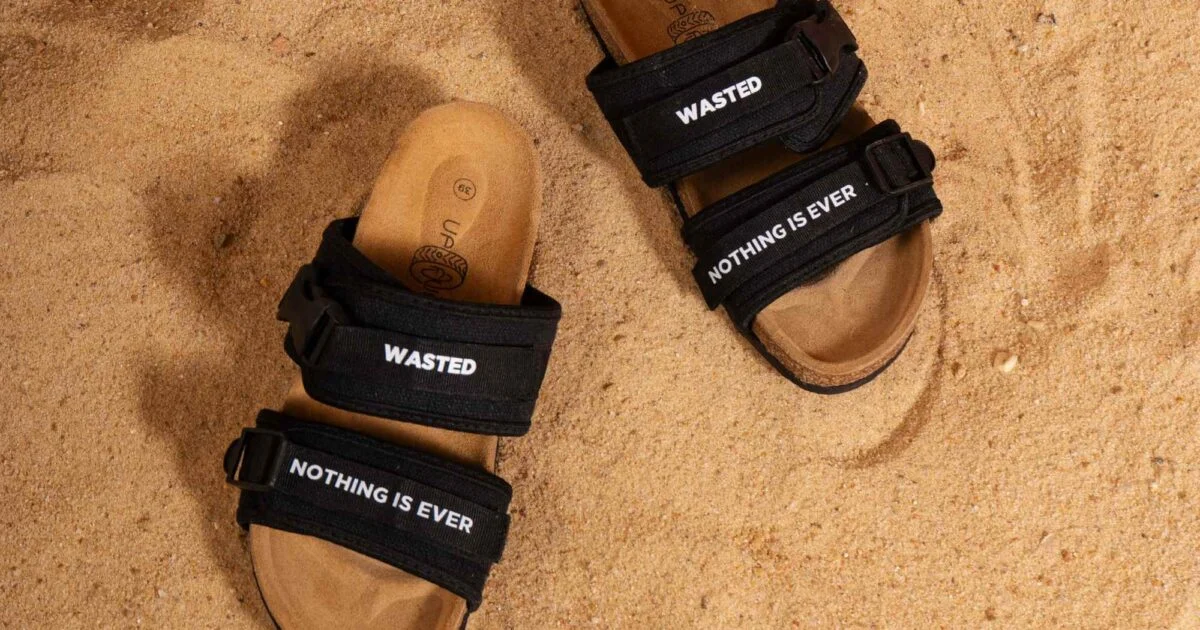
Up-Fuse: Hailing from Cairo, Egypt, Up-Fuse is a compelling social enterprise that epitomizes the principle of "one’s trash is another’s fabric." The brand is built on an innovative model of upcycling, transforming plastic waste into unique and durable products, including sandals that echo the Birkenstock aesthetic. Beyond its environmental mission, Up-Fuse boasts a profound social impact, collaborating with Syrian, Ethiopian, and Sudanese female refugees in Egypt. This initiative provides meaningful employment, fair wages, and skill development opportunities, empowering vulnerable communities and fostering economic independence. Their sandals, crafted from repurposed materials, are not just sustainable but also carry a powerful narrative of resilience and transformation.
Spell: This Australian fashion brand, known for its bohemian aesthetic, draws inspiration from far-off places, vintage treasures, and nostalgic childhood memories. While Spell is celebrated for its distinctive clothing, its foray into footwear, including sandal styles, adheres to its overarching commitment to responsible production. Proudly designed and sampled in Byron Bay, Spell ensures that its garments and accessories are produced responsibly in factories globally. The brand maintains a robust ethical sourcing program, focusing on fair wages, safe working conditions, and environmental stewardship throughout its supply chain. Spell’s transparency and ongoing efforts to reduce its impact on the planet and its people underscore its position as a conscious choice for consumers.
Vesica Piscis: As a vegan footwear brand based in Spain, Vesica Piscis offers a compelling alternative for those seeking animal-free options without compromising on ethics or style. The brand demonstrates a strong commitment to environmental responsibility by utilizing a high proportion of lower-impact materials, including recycled components and innovative plant-based leathers. A standout feature of Vesica Piscis is its dedication to reducing waste through a made-to-order production model. This approach minimizes overproduction and inventory waste, ensuring that resources are only used for confirmed customer orders. Furthermore, the brand powers its manufacturing processes with renewable energy, significantly reducing its carbon footprint.
Agazi: From Poland, Agazi is another vegan footwear brand that offers a diverse range of styles, including sneakers, heels, and flats, alongside its comfortable sandals. Agazi’s commitment to animal welfare is absolute, with all its products made using non-animal-derived materials. The brand is at the forefront of material innovation, incorporating sustainable alternatives such as hemp and cutting-edge apple skin and grape-based leathers. These materials not only provide a cruelty-free option but also boast a significantly lower environmental impact compared to traditional animal leathers. Agazi’s dedication to ethical sourcing and innovative materials positions it as a leader in the vegan footwear space.
Editor’s Note and Broader Implications
The editorial mission of platforms like Good On You is to empower consumers with transparent, fact-based information, enabling them to make informed purchasing decisions that align with their values. The rigorous ratings system, which assesses brands on their impact on people, the planet, and animals, serves as a vital tool in navigating the complex landscape of ethical fashion. The commission earned through affiliate links directly supports this independent research, reinforcing the integrity and objectivity of the ratings.
It is crucial for consumers to understand that the most sustainable fashion choice is often the one already residing in their closets. The advice to use existing Birkenstocks until they are beyond repair, and to explore second-hand options before buying new, encapsulates a fundamental principle of sustainable consumption: reducing overall demand for new products. When new purchases are necessary, opting for brands with strong ethical and environmental credentials becomes a powerful act of consumer advocacy.
The scrutiny faced by Birkenstock is not an isolated incident but part of a broader trend where major brands are being held accountable for their entire supply chain. This pressure encourages established players to re-evaluate their practices, invest in sustainable innovations, and increase transparency. Conversely, it provides a fertile ground for smaller, purpose-driven brands to thrive, offering consumers genuinely ethical alternatives. The market is slowly but surely shifting towards a future where sustainability is not just a niche concern but a fundamental expectation, driving innovation and demanding greater responsibility from the entire fashion industry. This dynamic interplay between consumer demand, rigorous ethical assessment, and brand response is shaping a more conscious and equitable future for footwear and fashion at large.