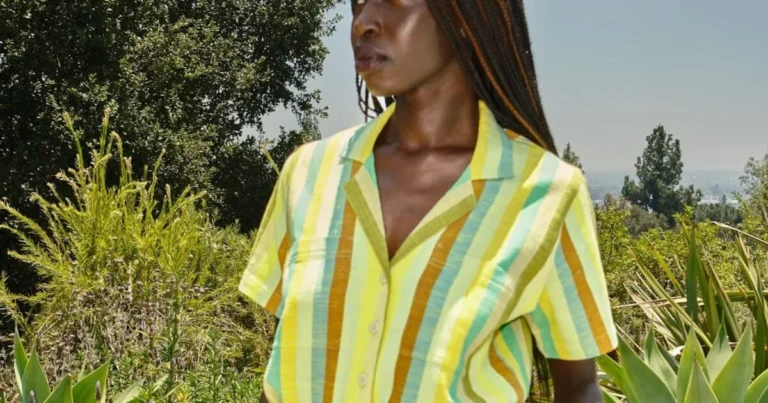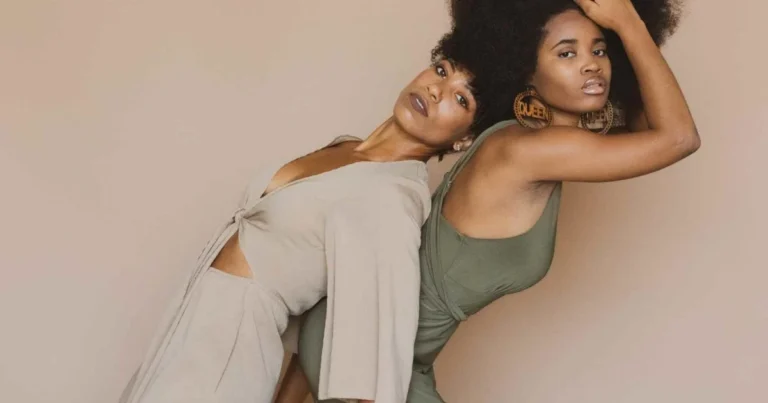









Matching two-piece sets, universally known as co-ords and suits, represent a timeless sartorial choice, offering an immediate sense of polish and versatility whether worn together or as separates. In an era increasingly defined by conscious consumption, the fashion industry is witnessing a significant pivot towards sustainability, prompting both brands and consumers to re-evaluate production methods and purchasing habits. This article explores the enduring relevance of co-ords and suits through the lens of environmental and social responsibility, highlighting how these classic garments are being reimagined by brands committed to ethical practices and how consumers can make informed choices to build a more sustainable wardrobe.
The Timeless Allure and Versatility of Matching Sets
Co-ords and suits have cemented their place in fashion history, transcending fleeting trends to become foundational elements of a well-curated wardrobe. Their inherent design, intended for harmonious pairing, offers an unparalleled ease in dressing, instantly conveying a put-together aesthetic. Beyond their combined power, the individual components — a sharp blazer, tailored trousers, a chic skirt, or a complementary top — unlock a myriad of styling possibilities. A blazer can elevate a casual dress, while a co-ord skirt can be paired with a different top for a fresh look, exemplifying the core principle of versatility that underpins sustainable fashion: maximizing wear from fewer, higher-quality pieces. This adaptability makes them a strategic investment for capsule wardrobes, designed to be worn repeatedly and mixed with existing items, thereby extending the lifecycle of each garment.
A Historical Perspective on Co-ords and Suits
The concept of matching sets dates back centuries, evolving from elaborate court attire to the structured suiting of the 19th and 20th centuries. For women, the suit became a powerful symbol of liberation and professional ambition, notably gaining traction in the early 20th century with designers like Coco Chanel, who revolutionized women’s wear with practical yet elegant ensembles. Post-war eras saw the rise of leisurewear co-ords, reflecting a shift towards more relaxed yet coordinated dressing. From the bold patterns of the 1960s to the power suits of the 1980s and the minimalist co-ords of the 1990s, these sets have consistently reappeared on runways and in street style, demonstrating their intrinsic appeal and capacity for reinvention. Their cyclical resurgence underscores a fundamental truth about fashion: true style often prioritizes enduring design over ephemeral trends, a principle perfectly aligned with sustainable consumption.
The Environmental and Social Imperative for Sustainable Fashion
The fashion industry, particularly the fast fashion sector, is recognized as one of the most polluting industries globally. Its colossal environmental footprint encompasses extensive water consumption, chemical pollution from dyeing and finishing processes, significant greenhouse gas emissions, and the generation of immense textile waste. Socially, the industry is frequently marred by issues such as exploitative labor practices, unsafe working conditions, and inadequate wages in supply chains predominantly located in developing countries.
In response to these critical challenges, the sustainable fashion movement has gained considerable momentum. This movement advocates for a systemic shift towards environmentally sound practices, ethical labor conditions, and a circular economy model that prioritizes longevity, repair, reuse, and recycling. Choosing sustainable co-ords and suits directly contributes to mitigating these negative impacts by supporting brands that are committed to transparency, responsible sourcing, and fair treatment of workers.
Navigating Sustainability: Ratings, Materials, and Practices
For consumers seeking to make informed sustainable choices, platforms like Good On You provide invaluable guidance by assessing brands’ impact on people, the planet, and animals. Brands rated "Good" or "Great" typically adhere to stringent criteria across various dimensions of sustainability:
- Planet: This includes using eco-friendly materials such as organic cotton (reducing pesticide use), recycled polyester (diverting plastic waste from landfills), Tencel™ Lyocell (a closed-loop process producing biodegradable fibers), linen and hemp (requiring less water and pesticides than conventional cotton), Bemberg™ (a regenerated cellulose fiber made from cotton linter), and incorporating deadstock or upcycled fabrics (minimizing new resource extraction). Brands also focus on reducing water and energy consumption, managing chemical use, and minimizing waste throughout their production cycles.
- People: Ethical labor practices are paramount. This involves ensuring fair wages, safe working conditions, prohibiting child labor, respecting workers’ rights, and maintaining transparency across the entire supply chain. Audits and certifications from organizations like Fair Trade or SA8000 are often indicative of a strong commitment in this area.
- Animals: For brands incorporating animal-derived materials, sustainable ratings consider animal welfare standards, traceability of materials, and avoidance of practices deemed cruel (e.g., mulesing, fur, exotic skins). Many sustainable brands opt for vegan alternatives or responsibly sourced materials.
The increasing demand for transparency has pushed brands to disclose more about their supply chains and environmental initiatives. This allows consumers to scrutinize claims and verify commitments, fostering a more accountable industry.
The Rise of Conscious Consumerism and Market Dynamics
The shift towards sustainable fashion is not merely a niche trend but a significant market force. Reports from organizations like McKinsey & Company consistently highlight a growing segment of consumers who prioritize sustainability in their purchasing decisions. For instance, surveys often reveal that a substantial percentage of consumers are willing to pay more for products that are ethically and environmentally sound. This consumer demand acts as a powerful catalyst, compelling fashion brands to integrate sustainability into their core business strategies.
The market for sustainable apparel is projected to grow substantially in the coming years, driven by increased awareness, evolving consumer values, and regulatory pressures. This growth extends to all categories, including co-ords and suits, as consumers seek to align their entire wardrobe with their ethical principles. The burgeoning second-hand market further exemplifies this trend, with platforms for pre-owned clothing experiencing exponential growth. Buying second-hand suits and co-ords is arguably the most sustainable option, offering a significant reduction in environmental impact while often providing access to high-quality, sometimes vintage, garments at a fraction of their original cost. The added benefit of tailoring services ensures a perfect fit, breathing new life into pre-loved pieces and extending their utility.
Innovations in Sustainable Co-ords and Suits: A Brand Showcase
The landscape of sustainable fashion is rich with innovative brands that are reimagining co-ords and suits through responsible design and production. Here are examples of brands making strides, categorized by their primary sustainable contributions, often reflecting the specific items highlighted in the original article:
-
Customisation and Made-to-Measure for Longevity:
- Dressarte Paris exemplifies the ultimate in sustainable luxury with its Made-to-Measure Blazers and Trousers. By producing garments only upon order, they drastically reduce waste associated with overproduction. This approach ensures a perfect fit, enhancing comfort and wearability, which in turn encourages customers to keep and wear their garments for longer, aligning perfectly with the principles of slow fashion and investment dressing. The emphasis on high-quality materials further solidifies their commitment to durability.
- WILDA.ECO offers Personalisable Blazers and Trousers, focusing on individual expression and a tailored fit. Customization options often lead to a stronger emotional connection with the garment, increasing its perceived value and lifespan, a critical factor in combating disposable fashion.
-
Pioneering Sustainable Materials and Circularity:
- ZEROBARRACENTO stands out for its commitment to zero-waste design and innovative materials. Their Bemberg Blouse and Trousers showcase Bemberg, a regenerated cellulose fiber made from cotton linter, which is a by-product of cotton production. This material is known for its luxurious feel and biodegradability, demonstrating a commitment to circular principles from material sourcing to end-of-life.
- WE-AR4 focuses on utilizing recycled and upcycled materials. Their Blazer and Shorts are likely crafted from such resources, diverting textiles from landfills and reducing the demand for virgin materials. This approach directly tackles textile waste, a major environmental concern.
- E.L.V Denim (East London Vintage Denim) is renowned for its transformative approach to denim. Their Contrast Denim Shirt and Jeans are made from pre-loved, post-consumer denim, deconstructed and reassembled into new, unique garments. This upcycling process dramatically reduces water and energy consumption associated with new denim production.
- Triarchy also champions sustainable denim, offering pieces like their Western Denim Jacket and Mini Skirt made with significantly less water and eco-friendly dyes, demonstrating an commitment to minimizing environmental impact in a notoriously resource-intensive sector.
-
Ethical Production and Versatile Design:
- SeamsFriendly provides innovative solutions like their Convertible Dress/Skirt/Top, which offers multiple styling options in one garment. This inherent versatility promotes conscious consumption by reducing the need for multiple items, thereby minimizing environmental footprint and maximizing wardrobe efficiency.
- 1 People focuses on ethically made Blazers and Shorts, often using sustainable materials and ensuring fair labor practices throughout their supply chain. Their commitment to transparency is a cornerstone of their brand ethos.
- Facettes Studio creates timeless pieces such as their Cotton-Canvas Vest and Trousers, emphasizing durable materials and quality craftsmanship designed to last. Their focus on classic designs resists fast fashion cycles.
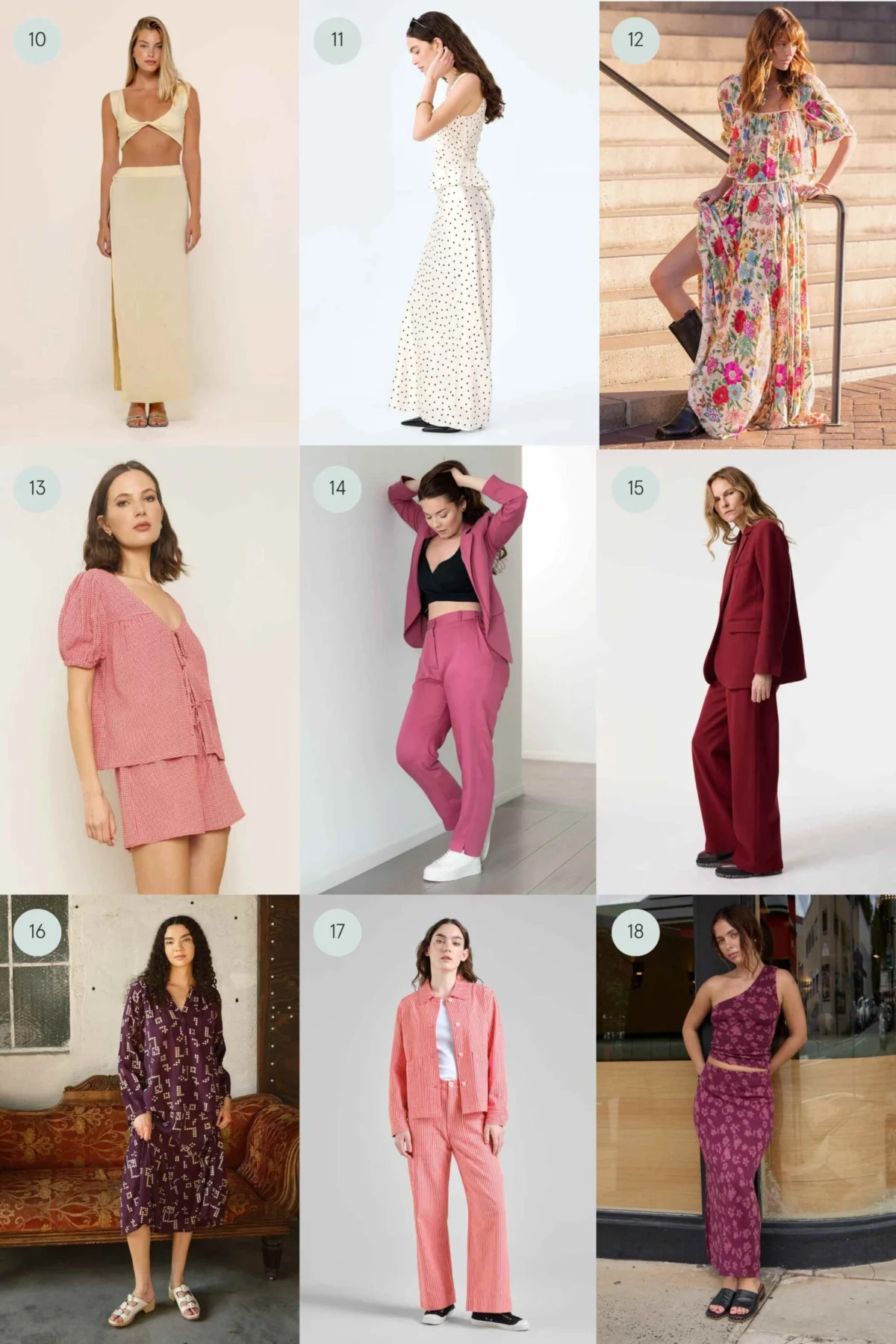
- The Summer House with its Pomelo Tunic Set, Coco & Kandy with their Top and Skirt, and OMNES with their Polka Dot Top and Skirt, all contribute to the sustainable co-ords market by prioritizing natural fibers, ethical production, and timeless aesthetics.
- Spell offers bohemian-inspired pieces like the Valley of the Dolls Blouse and Maxi Skirt, often using organic cotton or other eco-friendly fibers and adhering to ethical manufacturing standards.
- Whimsy & Row provides charming options such as the Birdie Gingham Top and Marissa Boxer Short, crafted from deadstock fabrics or sustainable materials, highlighting a commitment to waste reduction and ethical production.
- Akyn presents sophisticated pieces like the Noor Jacket and Perla Trousers, designed with a focus on longevity and often using responsibly sourced materials.
- Ace & Jig is celebrated for its unique, handcrafted textiles, seen in their Daryl Blouse and Rara Flounce Skirt. Their commitment to traditional weaving techniques and fair wages for artisans exemplifies a holistic approach to sustainability.
- Dedicated offers items like their Striped Jacket and Trousers, emphasizing organic cotton and fair-trade certified production, ensuring both environmental and social responsibility.
- Afends showcases sustainable options like the Marin Top and Skirt, often utilizing recycled or organic materials in their collections, aligning with a surf and skate culture that increasingly values environmental stewardship.
These brands represent a growing movement that proves style and sustainability are not mutually exclusive but can, in fact, enhance each other. They offer tangible choices for consumers who wish to invest in fashion that looks good, feels good, and does good.
The Indispensable Role of Second-Hand and Circularity
While new sustainable offerings are vital, the most impactful choice a consumer can make is to extend the life of existing garments. This is where the second-hand market for co-ords and suits truly shines. Thrift stores, consignment shops, and online resale platforms are treasure troves for high-quality, often impeccably constructed two-piece sets that can be acquired at a fraction of their original price. The environmental benefits are substantial: every second-hand purchase reduces the demand for new production, conserving resources like water and energy, and diverting textiles from landfills.
Furthermore, the practice of tailoring plays a crucial role in the circular economy of fashion. A well-fitting garment is more likely to be cherished and worn repeatedly. A simple adjustment by a local tailor can transform a thrift store find into a custom-fit piece, significantly extending its wearable life and personalizing it to the wearer’s style. This investment in repair and alteration is a powerful act of resistance against the disposable culture of fast fashion, fostering a deeper connection with one’s wardrobe.
Future Outlook: Policy, Innovation, and Empowered Consumers
The trajectory of sustainable fashion suggests a future where ethical and environmental considerations become standard rather than exceptional. This will be driven by continued innovation in material science, leading to the development of new, high-performance sustainable fabrics and more efficient, less polluting production processes. Policy and regulation are also expected to play an increasingly significant role, with governments and international bodies implementing stricter guidelines on textile waste, chemical use, and labor practices. The European Union, for instance, has outlined ambitious strategies for a circular textile industry.
Ultimately, the power lies with the consumer. By consciously choosing to support brands rated "Good" or "Great," prioritizing second-hand options, embracing tailoring and repair, and advocating for greater transparency, individuals collectively contribute to shaping a more responsible and equitable fashion industry. Co-ords and suits, with their inherent versatility and timeless appeal, serve as a perfect example of how classic style can seamlessly integrate with modern sustainability principles, proving that looking effortlessly put together can also mean making a profound positive impact. The journey towards a fully sustainable fashion ecosystem is ongoing, but with informed choices and continuous innovation, a stylish and responsible wardrobe is within reach for everyone.