




The pursuit of active lifestyles increasingly intersects with a growing demand for ethical consumption, extending now to the specialized realm of men’s activewear. As consumers become more attuned to the environmental and social footprint of their purchases, the need for transparent, sustainable options in performance apparel has intensified. This article, guided by Good On You’s rigorous ratings system, delves into the current state of sustainable activewear for men, highlighting innovative brands that prioritize people, the planet, and animals, while addressing the unique challenges and evolving dynamics of this market segment. Our editors curate highly rated brands that are first assessed by our rigorous ratings system. Buying through our links may earn us a commission—supporting the work we do. Learn more.
The Evolution of Ethical Fashion and the Activewear Challenge
The broader ethical fashion movement has historically seen a stronger focus on womenswear, with a wealth of brands emerging to cater to female consumers seeking sustainable alternatives across various categories. However, the landscape is gradually shifting, acknowledging the significant and expanding male consumer base that also prioritizes responsible purchasing. This evolution, while encouraging, faces particular hurdles within the activewear sector. Sports gear often demands specific performance characteristics such as durability, stretch, moisture-wicking properties, and resistance to water and wind. Traditionally, these attributes have been achieved through the extensive use of synthetic fibres like polyester, nylon, and spandex, often treated with an array of chemicals.
The environmental impact of conventional activewear is substantial. Synthetic fibres are predominantly derived from fossil fuels, contributing to greenhouse gas emissions during production. Furthermore, these materials are a significant source of microplastic pollution, shedding tiny plastic particles with every wash, which then enter waterways and ecosystems. The chemical treatments applied for performance enhancement can also be harmful to factory workers, local environments, and even the end-user. According to a 2021 report by the Ellen MacArthur Foundation, less than 1% of clothing is recycled into new clothing, highlighting a massive waste problem, especially for complex garments like activewear. The global activewear market, valued at over $300 billion in 2022, is projected to grow significantly, making the shift towards sustainable practices within this segment critically important.
Pioneering Sustainable Materials and Practices
In response to these challenges, a new generation of brands is redefining activewear by integrating lower-impact materials and responsible manufacturing processes. These innovators are demonstrating that high performance does not have to come at the expense of environmental and social responsibility. Key material innovations include:
- Bamboo: Known for its rapid growth, minimal water requirements, and natural antimicrobial properties, bamboo fabric offers exceptional softness, breathability, and moisture-wicking capabilities, making it ideal for activewear.
- TENCEL™ Lyocell and Modal: These cellulosic fibres, derived from sustainably sourced wood pulp, are produced in a closed-loop system that recycles water and solvents, significantly reducing environmental impact. They offer excellent breathability, drape, and moisture management.
- Organic Cotton: Cultivated without harmful pesticides, synthetic fertilizers, or genetically modified organisms, organic cotton reduces water pollution and promotes soil health. While not always suitable for high-intensity, moisture-wicking needs, it’s excellent for yoga, casual activewear, and layering.
- Ethically Sourced Merino Wool: A natural, renewable, and biodegradable fibre, merino wool offers superior temperature regulation, odour resistance, and moisture management. When sourced ethically, it ensures animal welfare and sustainable land management practices.
- Recycled Polyester (rPET): By repurposing post-consumer plastic bottles or textile waste, rPET reduces reliance on virgin fossil fuels and diverts waste from landfills. While still a synthetic, its use represents a significant step towards circularity in the industry.
Beyond materials, these brands often employ responsible labour practices, ensure fair wages, and prioritize transparency across their supply chains. Many also engage in initiatives such as carbon offsetting, water conservation, and end-of-life recycling programs, demonstrating a holistic commitment to sustainability.
Good On You’s Role in Consumer Empowerment
In this complex landscape, platforms like Good On You serve as crucial guides for consumers. By curating brands based on a comprehensive rating system that evaluates impact on people, the planet, and animals, Good On You empowers individuals to make informed choices. The system assesses factors ranging from supply chain transparency, labour conditions, and material choices to water usage, waste management, and animal welfare policies. This objective, fact-based approach cuts through marketing claims, offering a reliable benchmark for truly sustainable options.
The Degendering of Fashion: A Broader Cultural Shift
An important aspect highlighted by Good On You is the concept of degendering fashion. While this article may address keywords related to men’s sports and activewear to meet specific search demands, the fundamental belief is that clothes themselves do not inherently possess gender. The industry’s historical practice of rigidly gendering garments, such as t-shirts or socks, often seems arbitrary and limiting. Good On You advocates for a more inclusive approach, believing that individuals of all genders should be able to express themselves authentically, unconstrained by binary marketing categories. When users search on their directory, results are delivered without gender consideration by default, though filters remain available for those who prefer traditional categories. This stance reflects a broader cultural movement towards gender fluidity and inclusivity, challenging conventional norms and promoting a more diverse and accepting fashion landscape.
Leading the Charge: Brands Defining Sustainable Men’s Activewear
The following brands exemplify the commitment to ethical and sustainable practices within men’s activewear, each bringing unique approaches and innovations to the market:
Outerknown
Founded by legendary surf champion Kelly Slater, Outerknown embodies a philosophy that seamlessly blends style and function with environmental stewardship. The brand’s commitment to protecting natural resources is evident in its practices. Outerknown is Bluesign certified, indicating its adherence to stringent environmental, health, and safety standards in textile manufacturing. Furthermore, its partnership with the Fair Labor Association underscores a dedication to ethical labour practices throughout its supply chain. Outerknown offers a versatile range of activewear, including boardshorts, tees, and hoodies, crafted from materials like organic cotton and recycled polyester, ensuring durability and comfort for active pursuits. Their collection is available in sizes XS-2XL, catering to a broad demographic seeking performance with a conscience. See the rating. Shop Outerknown.
Colorful Standard
Hailing from Denmark, Colorful Standard distinguishes itself by focusing on timeless, organic fashion essentials rather than chasing fleeting trends. The brand’s philosophy directly counters the prevalent issue of over-consumption in the fashion industry by creating durable, long-lasting products designed to remain relevant across seasons. Their activewear collection, though minimalist, features high-quality organic cotton pieces suitable for light exercise, layering, or casual wear. By prioritizing longevity and classic design, Colorful Standard encourages a more thoughtful approach to wardrobe building. Most items are available in sizes XS-2XL. See the rating. Shop Colorful Standard.
tentree
The Canadian brand tentree makes an extraordinary environmental pledge: planting ten trees for every item purchased. This initiative has led to the planting of over 65 million trees globally, contributing significantly to ecosystem regeneration and creating planting jobs in communities worldwide. tentree’s products are designed with an "Earth-first" approach, meaning they are manufactured under fair and safe working conditions and constructed using lower-impact and recycled materials such as organic cotton, recycled polyester, and TENCEL. Their activewear range includes performance tees, shorts, and hoodies, all embodying their commitment to environmental restoration. tentree’s clothes are typically available from XS-XL. See the rating. Shop tentree.
Patagonia
A venerable name in outdoor apparel, Patagonia has long been a pioneer in environmental activism and sustainable manufacturing. The brand’s deep connection to the outdoors is reflected in its durable, high-performance clothing designed for a wide array of activities including trail running, climbing, mountain biking, surfing, skiing, and snowboarding. Patagonia is renowned for its "Good" labour practices, ensuring fair treatment and safe conditions for workers. Critically, the brand extensively utilizes recycled polyester, diverting plastic waste from landfills and reducing reliance on virgin materials. They have also made significant commitments to reducing their energy consumption and greenhouse gas emissions across their operations. Beyond new products, Patagonia actively promotes circularity through its Worn Wear program, encouraging repair and resale to extend garment lifecycles. The brand stocks sizes 2XS-3XL. See the rating. Shop Patagonia second hand @ Retykle. Shop Patagonia.
Tripulse
Tripulse is a Swedish activewear brand driven by a clear mission: to create high-performing activewear that simultaneously protects the planet and its inhabitants. The brand posits that physical and mental fitness is foundational for a healthy life, empowering individuals to pursue their dreams and effect positive change. Tripulse focuses on innovative, natural-based materials that offer the technical performance traditionally associated with synthetics, but without the environmental burden. Their products are designed for durability and comfort, reflecting a holistic view of well-being that extends to the planet. Most items are available in sizes XS-6XL, demonstrating a commitment to inclusivity. See the rating. Shop Tripulse.
BAM (Bamboo Clothing)
UK-based BAM specializes in creating menswear and womenswear basics, including a robust activewear line, primarily from bamboo. The brand consistently rates "Good" across people, planet, and animals, a testament to its comprehensive ethical framework. In line with their "kindness-first" ethos, BAM traces most of its supply chain to ensure responsible sourcing and manufacturing. A standout initiative is their clothing recycling program for consumers, which actively addresses end-of-life textile waste and promotes a circular economy. Their bamboo fabrics are naturally soft, breathable, and moisture-wicking, making them excellent for various active pursuits. Most items are available in sizes XS-L. See the rating. Shop BAM.
Threads 4 Thought
Threads 4 Thought is committed to using a range of lower-impact materials in its collections. A prime example is TENCEL™ Modal, harvested from the limbs of beech trees. This sustainable process ensures that trees are never cut down, and an impressive 95% of the production materials used to create the yarn are recovered and reused. The brand’s manufacturing partners are rigorously certified by organizations such as Fair Trade USA and Worldwide Responsible Accredited Production (WRAP), guaranteeing ethical labour standards. Threads 4 Thought offers a versatile array of activewear and casual pieces designed for both performance and everyday comfort, reflecting their dedication to sustainability without compromising style. The range is available in sizes XS-XL, with an extended sizing range up to 3XL. See the rating. Shop Threads 4 Thought.
Loop Swim
Co-founded by two women from the US and India and headquartered in Shanghai, Loop Swim is dedicated to closing the loop on waste through circular design principles, particularly in swimwear. The brand ingeniously transforms post-consumer plastic bottles into high-quality, REPREVE UPF50+ sun protective swimwear for men, women, and children. Loop Swim’s designs are intentionally trendless, focusing on timeless aesthetics and superior quality engineered to retain shape and colour through countless swims. This approach directly combats fast fashion’s disposability, offering durable and environmentally conscious options for aquatic activities. Most items are available in sizes XS-XL. See the rating. Shop Loop Swim.
NIKIN
For those who wish to outwardly express their commitment to ethical values, Swiss brand NIKIN offers a compelling proposition. Beyond creating stylish and comfortable activewear and casual apparel, NIKIN plants a tree for every product purchased. This direct action provides consumers with a tangible link to environmental restoration and allows them to proudly display their "tree pride" through their clothing. NIKIN’s commitment to sustainability extends to its material choices and production practices, ensuring that their products are as kind to the planet as they are comfortable to wear. Products are available in sizes XS-2XL. See the rating. Shop NIKIN.
ISTO.
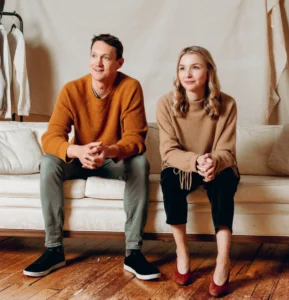
The Portuguese brand ISTO. operates on a refreshingly simple mandate: to create foundational wardrobe pieces that transcend seasonal trends and remain permanently available. Eschewing the fast-paced, disposable model of fashion, ISTO. prioritizes quality over quantity, offering a single, enduring collection. Their commitment to sustainability is evident in their exclusive use of organic materials and their radical transparency. ISTO. openly discloses the true cost of their garments, empowering consumers with full insight into the value chain behind their purchases. While not exclusively activewear, their high-quality organic basics are well-suited for light activities and offer exceptional durability. The range is available in XS-XL. See the rating. Shop ISTO.
Boody
Founded by two best friends in Australia, Boody centers its brand around comfort, style, and health. They specialize in creating comfortable, thoughtfully made everyday essentials from organically grown bamboo. Boody actively minimizes waste through lower-waste cutting techniques and implements a closed-loop system within its supply chain, reinforcing its dedication to the green and ethical movement. Their bamboo-based activewear offers natural breathability, softness, and stretch, making it ideal for yoga, lounging, and everyday movement. Boody’s commitment to sustainability is woven into every aspect of its operations, from sourcing to production. The range is available in sizes XS-4XL, promoting broad accessibility. See the rating. Shop Boody.
The Broader Impact and Future Implications
The growing selection of sustainable activewear for men signifies more than just a niche market trend; it reflects a fundamental shift in consumer values and industry practices. This movement is fostering:
- Consumer Empowerment: With resources like Good On You, consumers are increasingly empowered to demand transparency and accountability from brands, driving a race to the top in sustainability efforts.
- Innovation in Materials and Production: The demand for sustainable activewear is accelerating research and development into new, high-performance, and eco-friendly materials, as well as more efficient and less resource-intensive manufacturing processes. This includes advancements in bio-based synthetics, solvent-free dyeing, and waterless production techniques.
- Industry-Wide Transformation: As sustainable brands gain market share and influence, larger, more conventional activewear companies are increasingly compelled to re-evaluate their supply chains and adopt more responsible practices to remain competitive. This trickle-down effect can lead to systemic change across the global textile industry.
- Shifting Perceptions of Performance: The notion that sustainable activewear must compromise on performance is being steadily dismantled. The brands highlighted demonstrate that eco-conscious materials can indeed meet the rigorous demands of various sports and activities.
As the awareness of climate change and social inequality continues to grow, the market for ethical and sustainable products will only expand. The activewear segment, with its unique technical requirements and high consumption rates, presents both a significant challenge and a powerful opportunity for positive change. The brands listed here are not just selling clothes; they are offering a blueprint for a more responsible future in fashion.
Editor’s note: Feature image via ISTO., all other images via brands mentioned. Good On You publishes the world’s most comprehensive ratings of fashion and beauty brands’ impact on people, the planet, and animals. Use our directory to search thousands of rated brands.
We updated this article on 13 April 2026. Our editors frequently make updates to articles to ensure they’re up to date. We updated this article to include brands with recent ratings and products.