











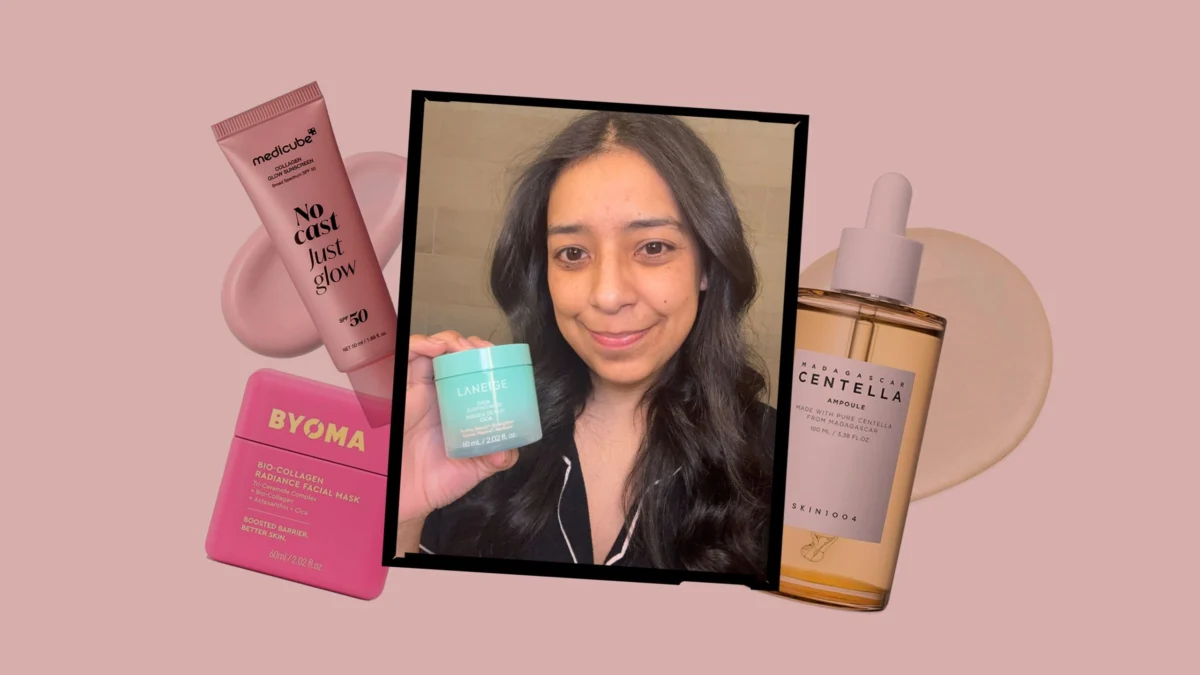
The burgeoning popularity of skincare ingredients has brought many to the forefront, but few have garnered the widespread attention and positive reception of Centella Asiatica, commonly known as cica. This botanical extract, derived from a perennial herb native to Asia, has become a staple in formulations aimed at soothing, repairing, and fortifying the skin barrier. While its efficacy is widely acknowledged, a comprehensive understanding of which skin types benefit most from cica, and how it functions in addressing specific concerns like acne, is crucial for consumers navigating the complex skincare landscape. Experts in dermatology emphasize that cica’s versatility extends beyond a singular skin type, positioning it as a beneficial ingredient for a broad spectrum of individual needs and momentary skin conditions.
Understanding Cica’s Broad Applicability
The notion that skincare ingredients are exclusively for a particular "skin type"—be it oily, dry, or combination—is often an oversimplification. Cica exemplifies this, demonstrating that its true value lies in its ability to address the skin’s current state and challenges. Dr. Yoo, a dermatologist consulted for this analysis, articulates this perspective, stating, "Most skin types can benefit from cica—it’s less about your ‘type’ and more about what your skin is dealing with at the moment." This nuanced view suggests that individuals should consider their skin’s immediate needs rather than rigidly adhering to predefined classifications.
The ingredient’s inherent calming properties make it particularly advantageous for those with sensitive or reactive skin. Symptoms such as stinging, redness, and a propensity for easy irritation can be significantly alleviated by cica’s soothing compounds, including madecassoside, asiaticoside, madecassic acid, and asiatic acid. These components are renowned for their anti-inflammatory and antioxidant effects, which work synergistically to reduce the visible signs of distress on the skin.
Furthermore, cica has emerged as a supportive element for individuals managing rosacea-prone skin. While not a primary treatment for the underlying condition, its ability to mitigate inflammation and strengthen the skin’s protective barrier can contribute to a more comfortable and resilient complexion. This supportive role is invaluable for individuals seeking to manage the chronic redness and sensitivity associated with rosacea.
The benefits of cica extend to those experiencing dryness or a compromised skin barrier. When the skin’s natural defenses are weakened, it becomes more susceptible to environmental aggressors and moisture loss, leading to flakiness, tightness, and increased sensitivity. Cica’s reparative qualities help to replenish and fortify this barrier, promoting hydration and restoring a healthy, supple feel to the skin.
A significant segment of the skincare-aware population, particularly those incorporating potent active ingredients into their routines, finds cica to be an indispensable recovery agent. Individuals using retinoids or exfoliating acids, such as alpha-hydroxy acids (AHAs) and beta-hydroxy acids (BHAs), often experience side effects like redness, peeling, and irritation. Cica acts as a crucial buffer in these instances, helping to mitigate the potential for over-exfoliation and allowing the skin to recover more effectively. "It’s also a great fallback for ‘dry or barrier-compromised skin’ and for ‘people using retinoids or acids who need a recovery step’," Dr. Yoo explains. The strategy involves integrating cica products into a routine, perhaps by applying a cica serum or cream post-retinol application or designating "recovery nights" between exfoliation sessions. This strategic use ensures that the skin can tolerate and benefit from powerful actives without enduring excessive discomfort.
For those with exceptionally sensitive skin, Dr. Yoo offers a practical recommendation: introduce cica products one at a time and conduct a patch test before full application. This precautionary measure helps to identify any potential sensitivities and ensures a smoother integration of new products into an existing regimen.
Cica’s Role in Acne Management
The question of whether cica can directly "treat" acne often leads to nuanced discussions among dermatologists and skincare experts. It’s essential to distinguish cica’s function from that of traditional acne-fighting ingredients like benzoyl peroxide, salicylic acid, or prescription retinoids. These ingredients are designed to directly target acne-causing bacteria, unclog pores, and regulate sebum production.
Cica, on the other hand, operates through an indirect mechanism, primarily by addressing inflammation and supporting the skin’s natural healing processes. Dr. Kanwal, another expert consulted, clarifies, "Cica isn’t an acne treatment in the same way benzoyl peroxide, salicylic acid, or retinoids are—but ‘it can help indirectly by calming irritation and supporting the barrier’." This distinction is vital. When skin is inflamed or excessively dry, often a consequence of using harsh acne treatments, it becomes more susceptible to breakouts and less capable of tolerating the very products meant to combat them.
The inflammatory cascade that often accompanies acne can exacerbate breakouts. Cica’s anti-inflammatory properties can help to quell this redness and irritation, creating a more balanced environment on the skin’s surface. Furthermore, a compromised skin barrier, which can occur with aggressive acne treatments or underlying skin conditions, can lead to increased moisture loss and a heightened inflammatory response, paradoxically leading to more acne. By fortifying the skin barrier, cica helps to retain essential moisture and protect the skin from external irritants, thereby reducing the likelihood of further breakouts.
Therefore, for acne-prone skin, cica is best utilized as a complementary ingredient rather than a standalone solution. "For acne-prone skin, Dr. Kanwal recommends using cica alongside proven actives—not instead of them—so you’re treating breakouts while also keeping your skin calm enough to handle it," the analysis states. This integrated approach ensures that active treatments are effectively addressing the root causes of acne while cica provides the necessary support to maintain skin health and tolerance, preventing the cycle of irritation and exacerbation.
Rigorous Testing and Expert Endorsement
The efficacy and safety of skincare ingredients and products are paramount, especially for a publication like Allure, which is dedicated to providing consumers with reliable and thoroughly vetted recommendations. The brand’s commitment to rigorous testing and expert consultation underpins its product reviews, including those pertaining to cica-based formulations.
When Allure evaluates a skincare product, its editorial team undertakes a comprehensive assessment. This process involves meticulously examining ingredient lists, scrutinizing claims made by brands, and, when appropriate, delving into peer-reviewed scientific and medical studies. The goal is to ensure that the products recommended are not only effective but also backed by scientific evidence and expert knowledge.
In their evaluation of cica skin-care products, Allure‘s methodology prioritizes five key categories: ingredient efficacy, packaging, fragrance, texture, and product wear. Each product is subjected to testing that reflects real-world usage, allowing editors and contributors to assess its performance across these dimensions. The editorial team, comprised of in-house writers and editors alongside external contributors, works in conjunction with specialists in dermatology, cosmetic chemistry, and medicine. These experts play a crucial role in vetting ingredients and validating product formulations, ensuring that the recommendations provided are both scientifically sound and aligned with dermatological best practices.
The "How we test and review products" section of the provided content highlights this dedication. It emphasizes a holistic approach, where "each product was determined to have excelled in each category by our editorial team, which is composed of in-house writers and editors as well as contributors—along with special consideration from dermatologists." This multi-faceted approach ensures that the final recommendations are robust and trustworthy.
A Commitment to Inclusivity in Testing
Beyond the scientific evaluation of ingredients and formulations, Allure places a significant emphasis on the diversity of its testing staff. The understanding that beauty products are personal purchases, catering to a wide array of individual needs and concerns, drives this commitment. Whether a consumer is seeking relief from persistent dryness, looking for a new self-care ritual, or exploring the latest product launches, Allure aims to ensure satisfaction with its recommendations.
The brand believes that a diverse team of writers, editors, and external testers is essential for achieving this goal. This inclusivity spans a broad spectrum of ages, skin tones, hair textures, genders, and backgrounds. The rationale behind this approach is clearly articulated: "can we really say a skin-care product is the ‘best’ for people over 50 if the only testers we’ve solicited opinions from folks who have yet to hit 30? Can we honestly deem a high-end diffuser worthy of your hard-earned cash if it’s never been tested on curls?"
This commitment to diversity ensures that Allure‘s recommendations are not limited to a narrow demographic but are fairly assessed across a wide range of users. By having staff and testers that mirror the varied experiences of their readership, Allure aims to provide genuinely helpful and universally applicable advice on skincare and beauty products, including those featuring cica. This thorough and inclusive testing process solidifies cica’s reputation as a beneficial ingredient, validated by both scientific expertise and diverse consumer experiences.