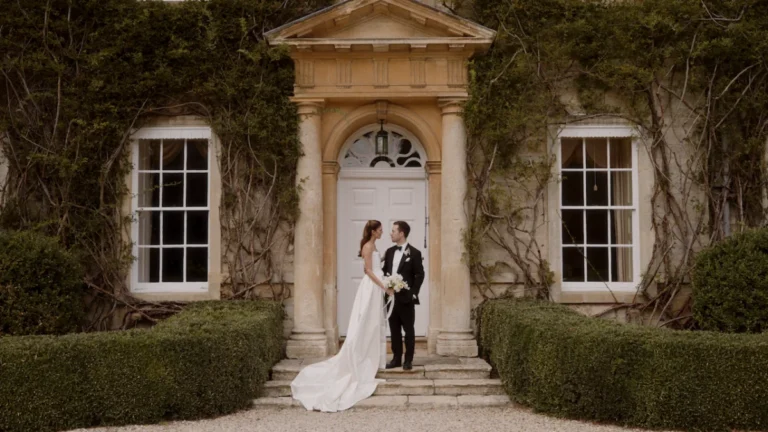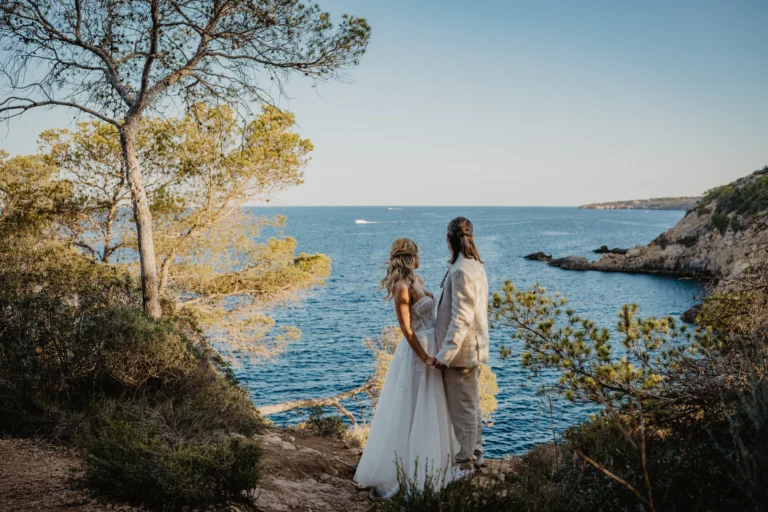

The release of the Pinterest 2026 Wedding Trends Report has signaled a profound transformation in the global wedding industry, moving away from standardized aesthetic perfection toward a paradigm of emotional resonance and personalized ritual. As a primary engine for visual discovery, Pinterest reported over 7 billion wedding-related searches and 16.7 billion wedding ideas saved globally in the last year, positioning the platform as a critical barometer for the $160 billion global wedding market. The latest data suggests that the upcoming wedding cycle will be defined not by a single visual style, but by a "reclamation of ritual," where couples prioritize atmosphere, connection, and real-life authenticity over digital performance.
The Strategic Role of Trend Forecasting in the Wedding Economy
Trend reports serve as more than mere inspiration; they are essential tools for maintaining cultural relevance within digital platforms. For Pinterest, these reports reinforce the platform’s status as the central hub for the wedding planning lifecycle. By analyzing massive datasets of user behavior, the platform identifies emerging consumer desires long before they manifest in physical ceremonies. The 2026 report highlights a clear departure from "one-size-fits-all" traditions, suggesting that modern couples are increasingly confident in reshaping historical rituals to better reflect their individual identities and values.
This shift is characterized by a move away from "visual content" created for social media speed and toward "immersive experiences" designed for those physically present in the room. This transition reflects a broader cultural exhaustion with the "polished" digital aesthetic, leading to a renewed interest in the "unpolished," the candid, and the emotionally true.
Chronology of the Wedding Experience: The Before I Do Movement
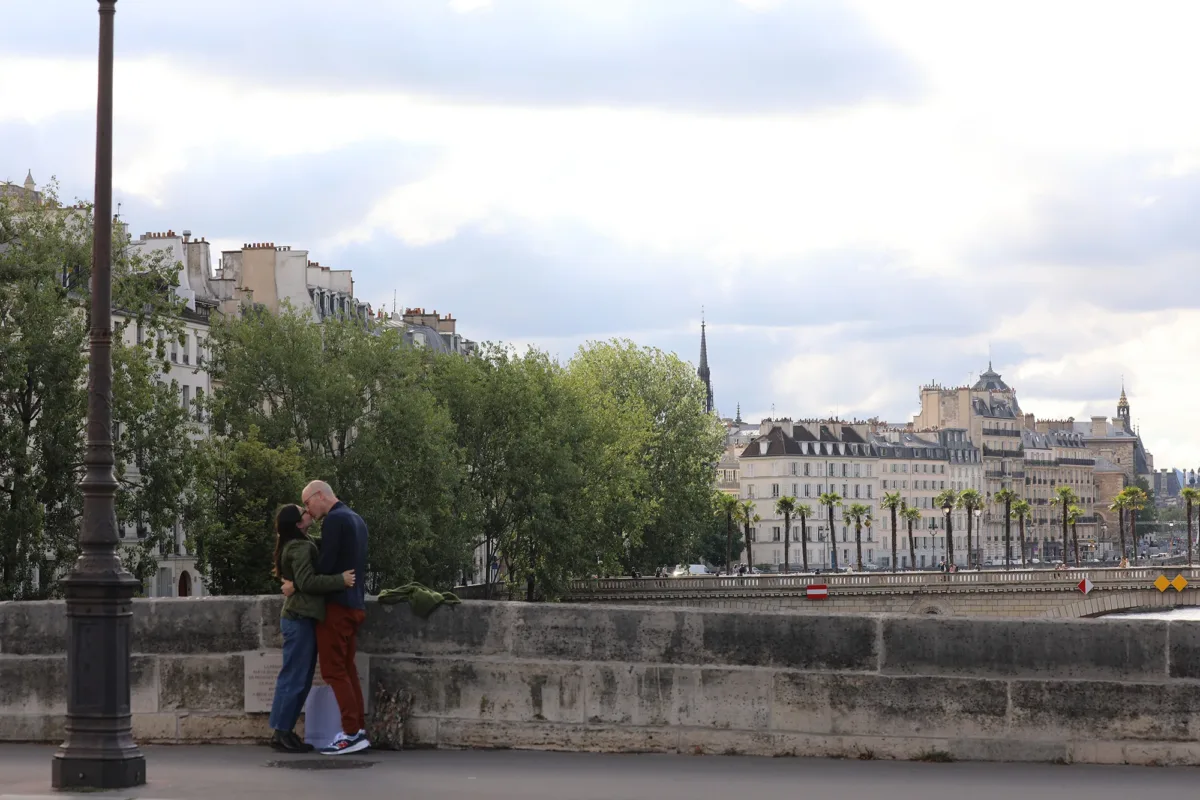
A significant finding in the 2026 report is the expansion of the wedding timeline. Pinterest has identified a growing trend titled the "Before I Do" movement, which suggests that the wedding experience now begins significantly earlier than the ceremony itself. Data indicates that couples are increasingly documenting and ritualizing the engagement period through candid shoots, "date night" celebrations, and visits to familiar, sentimental locations.
This extension of the wedding narrative represents a strategic shift in the industry. Where previously the focus was on the "big day," vendors are now seeing increased demand for services during the planning phase. This includes specialized photography for low-key engagement moments and the creation of "wish cards" and rituals that integrate the planning process into the couple’s daily lives. The report suggests that this movement is a reaction to the high-pressure nature of modern event planning, offering couples a way to maintain emotional connectivity throughout the logistical demands of the engagement.
The Reclamation of Ritual and the Analogue Experience
The report highlights a resurgence in the importance of the ceremony as a distinct, analogue event. This trend is corroborated by industry experts such as Chelsea Eileen Jackson, author of The Ceremony Index, who observes that weddings are becoming one of the few remaining spaces for collective, real-time witness in an increasingly digitized world.
Search data reveals a growing appetite for elements that invite guest participation and sensory engagement. Handwritten vows, the use of candlelight to create atmosphere, and the integration of live music are all seeing increased interest. This "Ceremony Renaissance" focuses on the "fuller, more human sense" of the event—something to be felt physically rather than just viewed through a screen. The analysis suggests that as AI and digital filters become more pervasive, the value of the "unfiltered" and "unrepeatable" moment increases, leading couples to seek out rituals that cannot be easily replicated or synthesized by technology.
Quantitative Analysis of Fashion and Adornment Trends
The 2026 fashion data provides some of the most striking statistics in the report, illustrating a return to character-driven bridal wear. Notable search increases include:
- Drop waist corset wedding dresses: Up 1,405%
- 1980s-inspired wedding dresses: Significant upward trajectory
- Opalite and iridescent finishes: Up 2,710%
- Plum and olive palettes: Up 1,380%
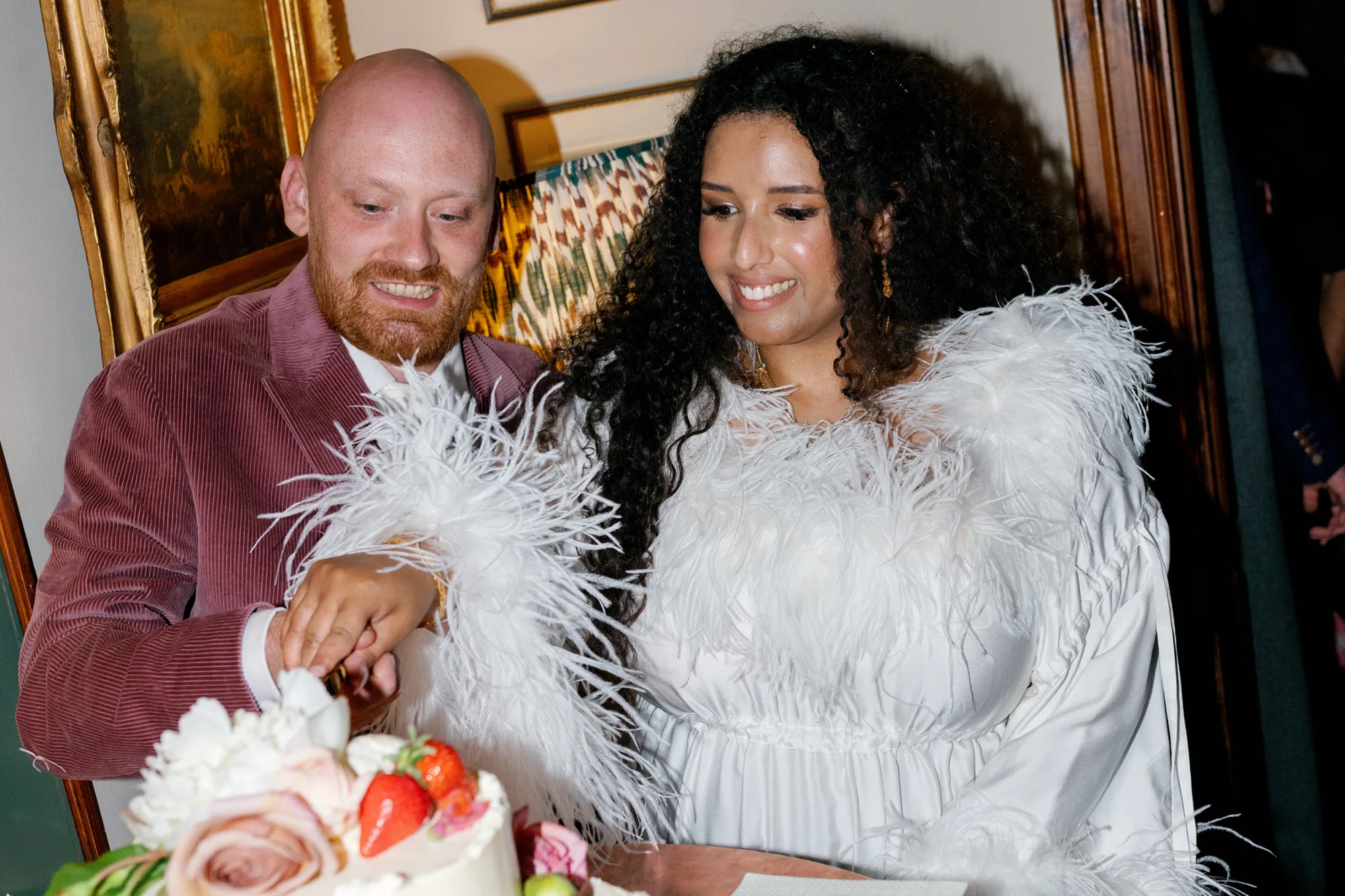
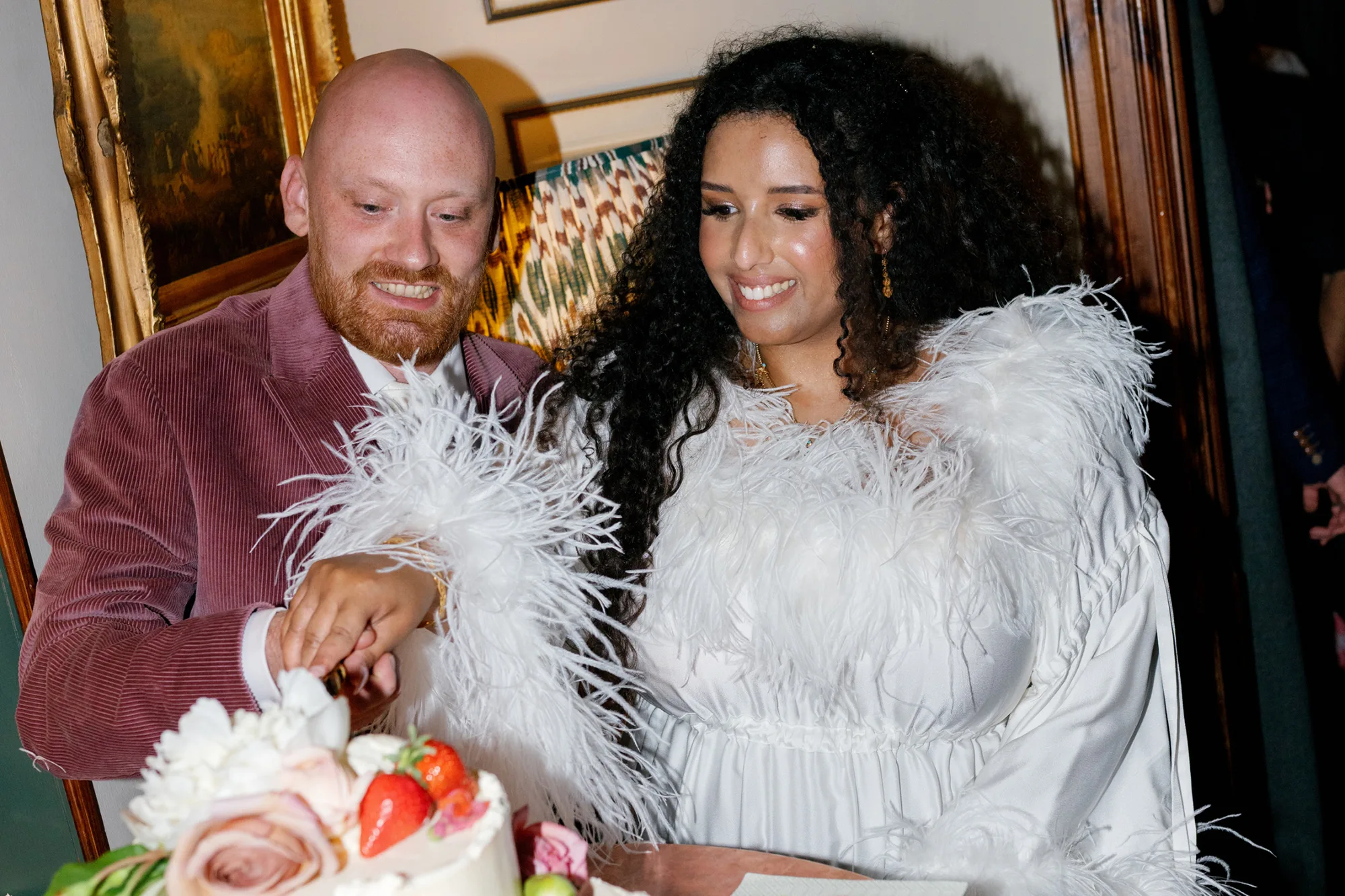
Beyond specific silhouettes, the report identifies a movement toward "Modular Romance." This concept involves bridal wardrobes consisting of layers and transitions—such as removable sleeves, boleros, and cape veils—allowing the attire to evolve throughout the day. This shift suggests that brides are viewing their wedding day clothing as a shifting part of the experience rather than a static "reveal." The rise of accessories such as lace gloves, tiaras, and pearl corsetry further emphasizes a desire for bridal styling that carries historical or personal symbolism.
The Evolution of Masculine Styling and the Return of Peacocking
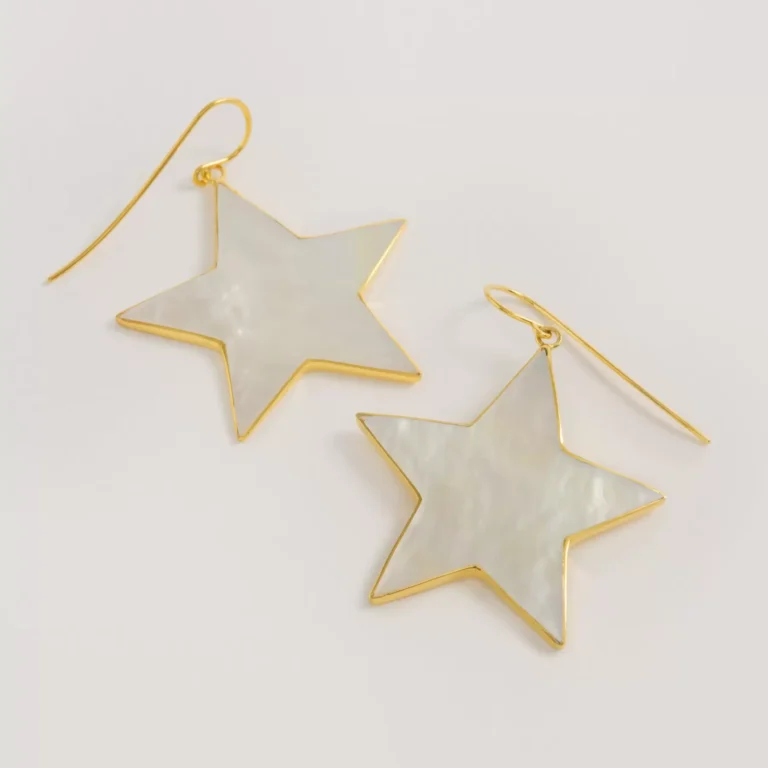
In a departure from traditional wedding norms, the 2026 report highlights a significant surge in expressive menswear. Searches for "men’s jewellery aesthetics" have risen by 890%, with specific interest in pinky rings, groom brooches, silver earrings, and statement bracelets. This trend, often referred to as "peacocking," marks a return to historical periods where men used ornamentation to express status and individuality.
The data suggests that jewelry is becoming "the new boutonnière" for grooms. This movement is also reflective of a broader cultural shift toward gender-expansive fashion. Pinterest reports increased searches for wedding dresses for men and halter-neck suiting, indicating a growing demand for the freedom to dress with personal meaning rather than adhering to rigid gendered expectations. This segment of the market represents a burgeoning opportunity for luxury jewelers and bespoke tailors to cater to a more fashion-forward male demographic.
Aesthetic Shifts: Grounded Tones versus Fantasy Glow
The 2026 color and culinary trends reveal a dichotomy between the grounded and the escapist. On one hand, there is a strong preference for nature-led, "lived-in" tones such as merlot, fig, muted terracotta, and dusty rose. On the other hand, there is a rise in "fantasy" aesthetics, characterized by chrome accents, midnight teal, and opalescent textures.
The culinary sector reflects this same desire for personality. The report notes a move away from the formal, tiered centerpiece toward "kitsch cakes," "tarot cakes," and "lyric cakes." These designs often incorporate humor, nostalgia, and creative freedom, treating the wedding cake as a canvas for the couple’s specific interests rather than a standard requirement. The rise of "oil-pastel" finishes and "flower pot" cakes suggests a broader trend toward tactile, artisanal craftsmanship in wedding catering.
Venue Selection and the "Lived-In" Aesthetic
Venue searches have shifted toward spaces that possess inherent character and history. Jazz clubs, speakeasies, cinemas, and glasshouses are climbing in popularity, with "jazz club weddings" seeing an 1,115% increase in searches. This data aligns with observations made by industry professionals like Emma Deeley of Tythe, who notes a craving for a "sense of home" and emotional connection within event spaces.
Couples are increasingly avoiding "blank-canvas" venues in favor of interiors that feel layered and evocative. This choice reduces the need for excessive external styling, as the venue itself contributes to the mood and narrative of the celebration. The preference for historic or specialized interiors suggests that the venue is being treated as a co-author of the wedding’s atmosphere.
Guest Experience and the Rise of Nostalgic Tech
A central theme of the 2026 report is the prioritization of the guest experience through analogue and lo-fi interactions. Searches for unique wedding activities have risen by 720%, while requests for commissioned songs for couples have increased by 1,975%. There is a notable trend toward "Nostalgic Tech," including the use of analogue camcorders, vinyl details, and newspaper-style photobooths.
This move toward retro visual formats is interpreted as a pushback against the "polished" nature of modern digital content. By using formats that capture the "softness and imperfection" of a home movie, couples are seeking documentation that feels intimate and truthful. Interactive elements such as printable games, dance-offs, and photobooth stickers are designed to transform guests from passive observers into active participants, fostering a sense of community and shared memory.
Broader Implications for the Wedding Industry
The findings of the Pinterest 2026 Wedding Trends Report suggest that the industry is entering a phase where "emotional intelligence" is as important as aesthetic expertise. For vendors—ranging from photographers and florists to venue managers—the data indicates a need for services that are considered, personal, and immersive.
The move away from purely visual trends toward "feeling-led" planning suggests that the most successful businesses in the coming years will be those that can facilitate authentic connection and create spaces for meaningful ritual. The high growth in alternative bouquets (such as "fuzzy-wire" or "book flower" arrangements) and the rise of "modular" fashion further point to a consumer base that values sustainability, longevity, and personal significance over temporary trends.
Ultimately, the 2026 report serves as a reminder that while digital platforms like Pinterest drive inspiration, the core of the wedding experience remains deeply human. The data points toward a future where weddings are defined not by their "Instagrammability," but by their ability to create a lasting sense of belonging and presence for those involved. For the global wedding market, this shift represents a move toward a more diversified, creative, and emotionally resonant economy.