







The global fashion industry continues its complex journey towards sustainability, characterized by a persistent tension between the relentless cycle of newness and trends, and the determined efforts of smaller, more ethical brands striving for a better future. As April 2026 unfolds, the landscape presents a dichotomy: on one hand, visible struggles for key sustainable fashion advocates and businesses; on the other, a burgeoning wave of innovation and dedication from brands committed to responsible practices. This period of challenge and adaptation is underscored by expert analysis suggesting that while setbacks are real, the overarching trajectory for sustainable fashion remains positive, with a potential rebound anticipated in the coming year.
The Shifting Sands of Sustainable Fashion: Challenges and the Broader Economic Context
Recent months have cast a shadow over the sustainable fashion movement, with several high-profile organizations and brands facing significant operational difficulties. The announcement by Fashion Revolution, a leading advocacy group, that it would close its UK headquarters, along with the cessation of operations for the highly-rated sustainable brand Mila.Vert, serve as stark indicators of the pressures currently impacting the sector. Both entities cited formidable financial hurdles, primarily stemming from a confluence of economic and geopolitical factors.
The global economic climate, marked by persistent inflation and a cost-of-living crisis across many regions, has significantly dampened consumer spending on non-essential items, including higher-priced sustainable fashion. Data from market research firms indicates a tightening of household budgets, with discretionary spending experiencing a notable decline in recent quarters. This directly impacts smaller, sustainable brands that often operate on slimmer margins due to their commitment to ethical sourcing, fair labor, and advanced sustainable materials, which typically incur higher production costs than conventional fast fashion.
Beyond consumer spending, the broader macroeconomic environment poses substantial challenges. Governments worldwide have shown varying degrees of commitment to climate goals, with some observed shifts away from ambitious environmental policies or a reduction in direct funding for green initiatives. This legislative uncertainty can destabilize investment in sustainable technologies and infrastructure, making it harder for eco-conscious businesses to thrive. Simultaneously, ongoing geopolitical crises have triggered sharp increases in the cost of raw materials, energy, and international shipping. Supply chains, already strained by recent global events, face elevated export tariffs and logistical complexities, all of which directly inflate the operational expenses for fashion makers, particularly those sourcing materials globally or engaged in international trade. The cumulative effect is a challenging environment where even well-intentioned and highly-rated sustainable brands struggle to maintain viability against a backdrop of rising costs and constrained consumer budgets.
A Historical Perspective on Progress: Riding the Waves of Change
While the current climate may evoke discouragement, a recent report by the think tank Futerra offers a vital historical perspective, suggesting that the journey towards sustainability has always been characterized by periods of ebb and flow. The report, titled "Ride the Waves," posits that "There’s always been upwaves and downwaves, and the current slump of media coverage will track back up again we suspect in early 2027." This analysis draws parallels with historical cycles of environmental and ethical consumer movements. For instance, the environmental awakening of the 1960s and 70s, spurred by works like Rachel Carson’s "Silent Spring," saw a surge in ecological awareness and grassroots activism, followed by periods of lesser public and political focus. Similarly, the fair trade movement gained significant traction in the 1990s and early 2000s, only to face new challenges as globalization intensified and consumer attention fragmented.
Futerra’s research implies that the current downturn in media attention and perceived progress for sustainable fashion is not an anomaly but rather part of a larger, cyclical pattern. The prediction for an upswing in early 2027 is based on various indicators, including anticipated shifts in global economic stability, renewed legislative focus on climate action, and the inherent, growing demand for ethical products among a segment of the population. This long-term view provides a crucial antidote to short-term pessimism, reminding stakeholders that dedication to systemic change often involves navigating periods of intense resistance and quiet perseverance.
Spotlight on Innovation and Resilience: Five Developments Shaping Sustainable Fashion
Despite the broader challenges, April 2026 is also a month of notable advancements and dedicated efforts from brands committed to embedding sustainability deep within their operations. These initiatives not only offer hope but also provide tangible examples for consumers seeking to align their purchases with their values.
1. Triarchy’s "Great" Western-Inspired Ranchero Denim: A New Frontier in Sustainable Denim
Triarchy, a brand consistently lauded for its pioneering work in plastic-free stretch denim and holding a "Great" rating from our rigorous assessment system, has unveiled its new Western-inspired Ranchero collection. This line exemplifies innovation in a notoriously resource-intensive segment of fashion: denim. The collection features 100% organic cotton, a choice that significantly reduces the environmental footprint compared to conventional cotton, which is often associated with heavy pesticide use and extensive water consumption. The most striking innovation lies in the creation of its cool plaid pattern, achieved through advanced laser technology rather than traditional chemical treatments. This method drastically cuts down on water usage, chemical discharge, and energy consumption typically associated with denim finishing processes.
The collection, comprising a skirt, jacket, and jeans with intricate appliqué detailing, resonates with a growing consumer demand for durable, well-crafted pieces that transcend fleeting trends. Its aesthetic appeal, easily imagined on style icons like Kacey Musgraves, demonstrates that sustainable fashion can be both desirable and ethically produced. Triarchy’s commitment to plastic-free stretch denim further addresses the microplastic pollution crisis, a critical concern as synthetic fibers shed tiny plastic particles into waterways during washing. This collection represents a significant stride in redefining denim production, proving that style and environmental responsibility can be inextricably linked.
2. Pangaia’s Rain-Fed European Linen: A Foundation for Sustainable Summer Wear
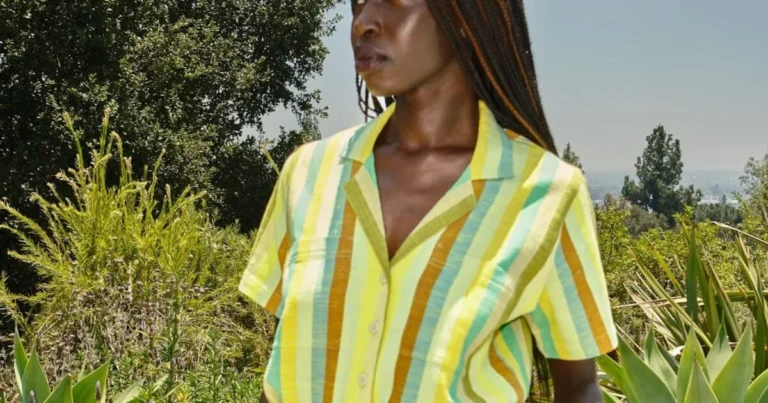
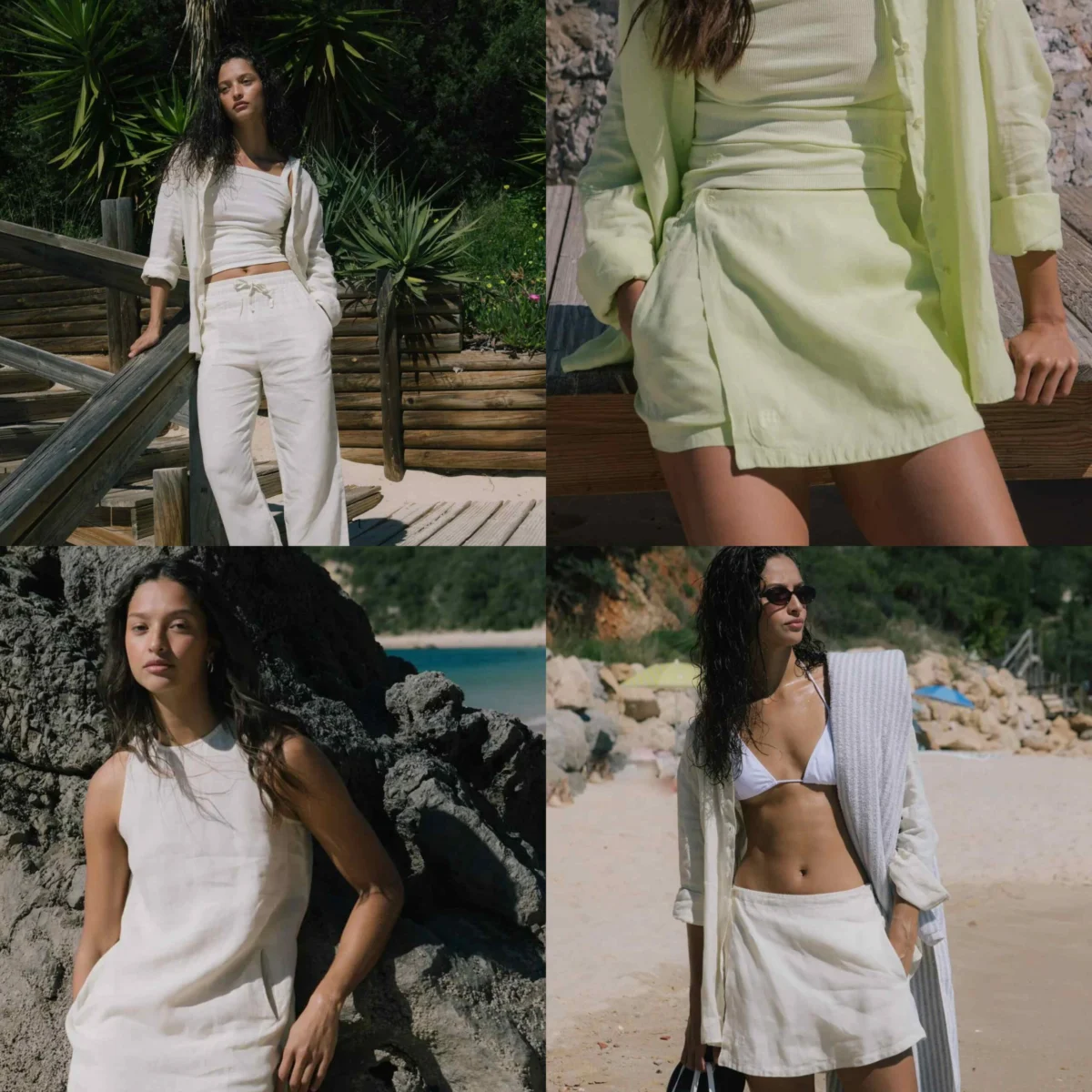
Pangaia, another "Great" rated brand known for its material science innovations, has introduced a summer line-up prominently featuring rain-fed European linen. Linen stands as one of the most environmentally benign fibers available, derived from the flax plant. Its inherent sustainability stems from several key characteristics: flax requires significantly less water than cotton to grow, can thrive in poor soil conditions, and typically needs fewer pesticides and fertilizers. Furthermore, the entire flax plant can be utilized, leaving minimal waste.
Beyond its environmental benefits during cultivation, linen offers exceptional properties for the wearer. It is naturally breathable, highly absorbent, quick-drying, and helps regulate body temperature, making it ideal for warm climates. Pangaia’s decision to source its linen fibers from Europe, where cultivation often adheres to stringent environmental regulations, and specifically to highlight its rain-fed nature, underscores a commitment to minimizing water footprint. The new collection focuses on comfortable, minimally detailed basics. This design philosophy aligns with the principles of a capsule wardrobe and longevity, encouraging consumers to invest in versatile pieces that can be worn for many seasons, thereby counteracting the disposable nature of fast fashion. Pangaia’s move reinforces the importance of fiber choice and regional sourcing in building a truly sustainable garment.
3. Bario Neal Co-Owner Page Neal Demystifies Jewellery Industry Greenwashing
On the occasion of Earth Day this April, Page Neal, co-owner and designer of the "Great" rated jewellery brand Bario Neal, provided invaluable insights into the ethical complexities and pervasive greenwashing within the jewellery industry. Her interview serves as essential reading for conscious consumers and industry professionals alike, shedding light on the nuanced differences between truly ethical practices and misleading marketing claims. Neal’s discussion highlighted how smaller, independent labels often possess greater agility and direct oversight to implement genuinely ethical sourcing and production methods compared to larger, publicly owned corporations driven by quarterly profit mandates.
A central theme of her demystification effort revolved around common misconceptions. For instance, Neal delved into the debate surrounding lab-grown diamonds versus traditionally mined diamonds. While lab-grown diamonds are often touted as inherently "ethical," her analysis pointed to the significant energy consumption involved in their creation, urging consumers to inquire about the energy source (renewable vs. fossil fuels) used in their production. Similarly, she addressed the ethical credentials of recycled metal, explaining that while it reduces the demand for new mining, the recycling process itself must be transparent and responsibly managed to ensure it doesn’t inadvertently perpetuate exploitative practices or contribute to pollution if not handled correctly. Neal’s expertise underscores the necessity for critical inquiry beyond surface-level claims, advocating for deep supply chain transparency and comprehensive ethical considerations across material sourcing, labor practices, and environmental impact in the fine jewellery sector.
4. Jiwya’s Plant-Based-Fibres Runway Collection: A Vision for Vegan and Sustainable Fashion
Jiwya, a "Great" rated brand that first caught the attention of Good On You’s editors through its distinctive woven jackets, made a significant statement at Paris Fashion Week in March with its new, entirely plant-based clothing collection. Now available online, this gender-neutral line represents a holistic approach to sustainable fashion, eschewing all synthetic dyes, threads, and fibers, as well as any animal-derived materials. This commitment positions Jiwya at the forefront of the vegan fashion movement, demonstrating that high fashion can be entirely free from animal exploitation and petrochemicals.
The collection showcases the artistry of plant-based dyes, intricate hand-embroidered detailing, and materials that are both hand-spun and hand-woven. These traditional techniques not only minimize energy consumption compared to industrial processes but also support artisan communities and preserve valuable craft skills. The emphasis on craftsmanship and natural materials results in garments that are designed to be investment pieces, intended to be cherished and worn for years, directly counteracting the disposable culture of fast fashion. Jiwya’s runway presence in Paris signifies a growing acceptance and demand for truly sustainable, ethically produced, and aesthetically sophisticated vegan fashion on a global stage, providing a blueprint for the industry’s future direction.
5. Dilli Grey’s Handmade Dresses: Preserving Craft and Upholding Labour Justice
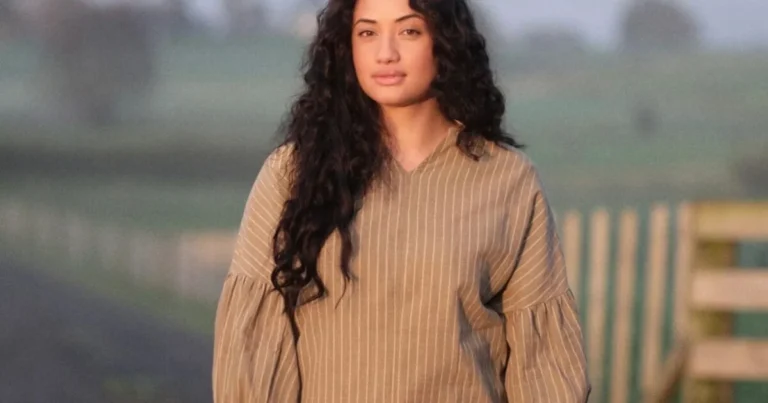
Dilli Grey’s latest collection of dresses offers a vibrant example of how fashion can serve as a vehicle for cultural preservation and social justice. Each dress is beautifully patterned using traditional block printing techniques, a craft deeply rooted in India’s rich textile heritage. The brand’s commitment extends beyond aesthetics, as these garments are produced in small batches by skilled artisans across Jaipur, Lucknow, and Delhi. Dilli Grey’s practice of visiting its artisan partners every season ensures direct engagement, fostering strong relationships and enabling oversight of labor conditions.
This model of production is critical for upholding labor justice in an industry often plagued by exploitation. By supporting small-batch production and traditional craftsmanship, Dilli Grey not only ensures fair wages and safe working conditions for its artisans but also helps to preserve invaluable cultural techniques that might otherwise be lost to mass industrialization. The dresses, with their unique patterns and handcrafted quality, become more than just clothing; they are conversation pieces that highlight the importance of conscious consumption, the value of human skill, and the economic empowerment of artisan communities. Dilli Grey’s approach exemplifies how businesses can intentionally design their supply chains to foster positive social and environmental impacts, moving beyond mere compliance to genuine advocacy for people and planet.
Broader Impact and Future Implications
The developments in April 2026, viewed through the lens of Futerra’s "pendulum of progress," offer a complex but ultimately hopeful outlook for sustainable fashion. While the immediate future presents undeniable economic headwinds and a challenging operational environment for many, the unwavering commitment of innovative brands and the growing awareness among consumers suggest an irreversible shift in industry values.
The struggles of organizations like Fashion Revolution UK and brands like Mila.Vert underscore the urgent need for systemic change, including robust governmental policies that incentivize sustainable practices, provide financial support to ethical businesses, and hold large corporations accountable for their environmental and social impacts. Legislative frameworks, such as Extended Producer Responsibility (EPR) schemes and mandatory due diligence laws for supply chains, are critical to leveling the playing field and internalizing the true costs of production.
However, the continued innovation from brands like Triarchy, Pangaia, Bario Neal, Jiwya, and Dilli Grey demonstrates the powerful potential of market-driven solutions. These brands are not just creating products; they are pioneering new materials, refining production processes, championing transparency, educating consumers, and preserving traditional crafts. Their success, even amidst adversity, proves that a business model centered on ethical principles and environmental stewardship is viable and increasingly attractive to a discerning consumer base.
The trajectory towards a more sustainable fashion industry is not linear, but rather a dynamic process of evolution, adaptation, and occasional retrenchment. The resilience of small, sustainable brands, coupled with the growing demand for transparency and ethical products, suggests that the "upwave" predicted for early 2027 is not just an optimistic forecast, but a reflection of deep-seated societal values slowly but surely reshaping one of the world’s largest industries. The ongoing dialogue between challenges and innovations defines this pivotal moment, urging collective action from consumers, businesses, and policymakers alike to steer fashion towards a truly sustainable future.
Editor’s note: Feature image via Dilli Grey, all other images via brands mentioned. Good On You publishes the world’s most comprehensive ratings of fashion and beauty brands’ impact on people, the planet and animals. Use the directory to search thousands of rated brands.