







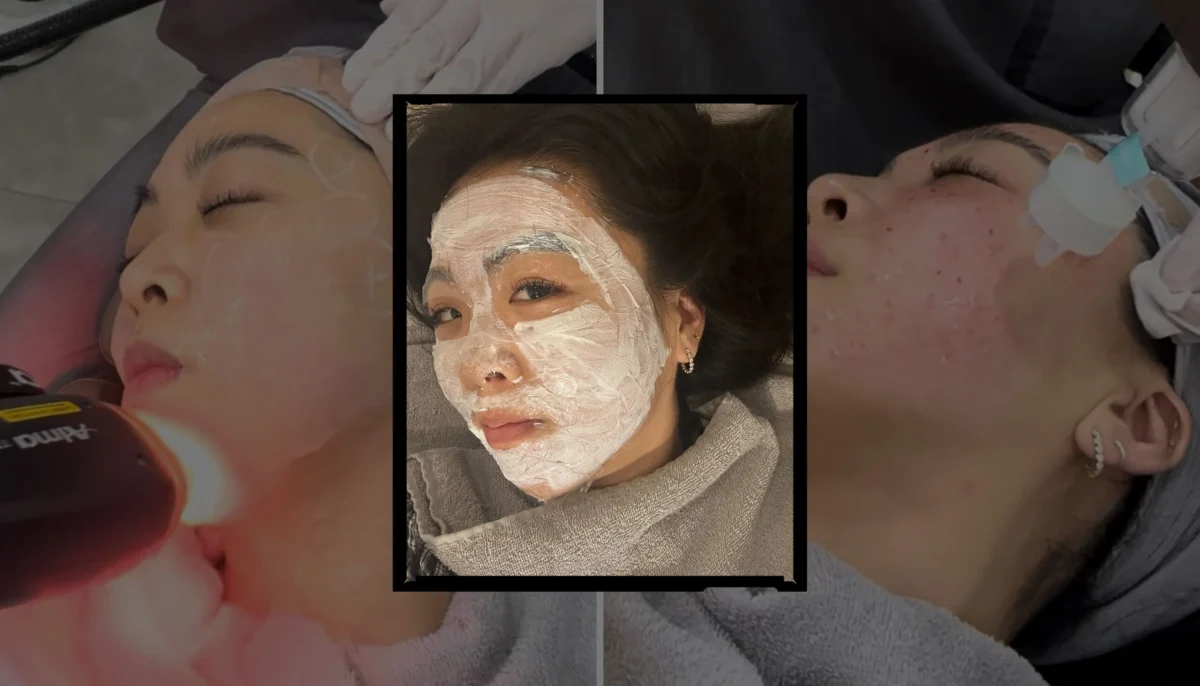
When a seasoned beauty editor, accustomed to the relentless pace of deadlines and product launches, seeks refuge and reinvention, where does she turn? For one former beauty editor, the answer was Seoul, South Korea. Arriving last fall with a singular goal of rest, she unexpectedly found herself immersed once again in the world of beauty, a testament to Seoul’s undisputed status as a global mecca for aesthetic innovation. This article delves into the intricacies of navigating Seoul’s vibrant beauty landscape, offering an in-depth exploration of its most sought-after treatments, practical booking advice, and the compelling reasons behind its unparalleled allure.
Seoul’s dominance in the beauty sector is not a recent phenomenon. For years, the country has been at the forefront of cosmetic advancements, driven by a potent trifecta of relentless innovation, widespread accessibility, and remarkably competitive pricing. Treatments that command exorbitant sums in Western metropolises, such as skin-tightening procedures like Thermage, are available in Seoul for a fraction of the cost, often half or less than their New York or Los Angeles counterparts. This hyper-competitive market fosters an environment of exceptional care standards and a constant influx of novel treatments, making it an irresistible destination for beauty enthusiasts worldwide.
Navigating the Seoul Beauty Scene: A Strategic Approach
For newcomers, the sheer volume of clinics and the breadth of available treatments in Seoul can be overwhelming. While many establishments offer on-site translators, understanding the subtle nuances of consultations and procedures can still present a challenge. Having spent a year immersed in this dynamic environment and assisting friends and family, invaluable insights have been gathered on how to best approach Seoul’s beauty offerings.
Leveraging Digital Platforms for Initial Exploration
The initial step for many exploring Seoul’s beauty offerings involves utilizing specialized mobile applications. Three prominent platforms stand out: Gangnam Unni, Yeoshin Ticket, and Babitalk. These apps function as comprehensive directories, allowing users to browse clinics, compare pricing structures, and read client reviews. Gangnam Unni and Yeoshin Ticket offer direct appointment booking capabilities, streamlining the process for international visitors. Babitalk, while more of a consultation forum, provides valuable insights into client experiences and treatment discussions.
"These apps are an excellent starting point, providing a clear overview of available treatments and their associated costs," explains Jeon In, a manager at Baid Clinic in Gangnam. "However, it’s crucial to remember that not every clinic, particularly some of the most reputable ones, is listed on these platforms. Therefore, they should be used as a guide rather than an exclusive resource."
The Role of Medical Concierge Services
For those seeking a more curated and seamless experience, particularly when juggling multiple treatments within a limited travel itinerary, medical concierge services offer significant advantages. These services extend beyond simple appointment scheduling, encompassing assistance with travel logistics, overcoming language barriers, and ensuring pre- and post-treatment care align with travel plans.
"International patients often aim to undergo several procedures during a single visit," notes Donkyo Seo, CEO of HiMedi, a leading medical concierge service. "A concierge can strategically plan the sequence of treatments, advise on necessary preparations and recovery protocols, and ensure these are integrated without disrupting the patient’s travel schedule."
When selecting a concierge service, Seo advises prospective clients to scrutinize how partner clinics are vetted, a process that should be transparently detailed on the company’s website. Equally important are clear pricing policies. "Pricing should always be unambiguous. The rates offered by a concierge should be on par with, or even better than, direct booking with the clinic," Seo emphasizes. Jeon adds a crucial point regarding direct bookings: "It’s advisable to verify that pricing for local and international clients remains consistent, as this is not always the case." Furthermore, comprehensive language support, from initial inquiry to post-treatment follow-up, should be considered a standard offering, not an optional add-on, from any reputable concierge.
Strategic Neighborhood Selection
Understanding Seoul’s diverse clinic landscape also involves recognizing the unique characteristics of its various districts:
- Myeongdong: This area is highly recommended for first-time visitors due to its exceptional foreigner-friendliness. English-speaking staff are more readily available here than in other parts of the city.
- Sinsa and Apgujeong: These districts are favored by those seeking natural-looking results. Practitioners in these areas are known for their highly skilled techniques and a more considered, less aggressive approach to treatments.
- Gangnam: For individuals eager to access the latest trends and cutting-edge technology, Gangnam is the prime destination. Its intense market competition ensures high standards of care and a continuously evolving menu of treatments.
- Cheongdam: Representing the premium tier, Cheongdam offers a more private and exclusive atmosphere. Its discerning clientele values discretion, and it’s not uncommon to encounter celebrities. For those prioritizing an exclusive experience and with no budget constraints, Cheongdam is the ultimate choice.
Addressing Complications and Ensuring Safety
While most beauty treatments in Seoul are associated with minimal to no adverse effects, understanding potential post-procedure reactions is crucial. Temporary discomforts such as mild bruising, swelling, or "embossing" (small raised bumps after injections) are common and typically resolve within a few days.
"However, if symptoms like dermatitis, persistent itching, blistering, or significant irritation extend beyond this period, or if they impact daily life, immediate re-evaluation at the clinic is recommended," advises Jeon. For travelers unable to return to their clinic promptly, proactive consultation with medical staff prior to treatment is paramount, especially for individuals with sensitive skin or pre-existing conditions. This allows for the potential procurement of necessary prescriptions for ointments, recovery creams, or oral medications to manage any unforeseen post-procedure irritation.
Premier Beauty Treatments in Seoul
Seoul’s clinics offer a vast array of treatments, but several stand out for their efficacy, innovation, and value.
Advanced Skin Boosters: Enhancing Skin Quality
Skin boosters have long been a staple of Korean aesthetic medicine, continuously evolving with new formulations and applications. These injectable treatments are designed to improve overall skin quality, focusing on hydration, texture, and radiance rather than altering facial structure. A standard initial step at reputable clinics involves an AI-powered skin analysis. This advanced diagnostic tool captures high-resolution images of the skin under various lighting conditions, revealing subtle issues like pore size and hidden UV damage, thereby enabling practitioners to tailor booster recommendations precisely.
Skin Botox (Micro-Botox)
A nuanced application of botulinum toxin, "Skin Botox" or micro-Botox involves injecting highly diluted doses just beneath the skin’s surface, rather than into muscles. This superficial administration helps to minimize the appearance of pores, reduce oiliness, soften fine lines, and achieve a smoother skin finish without compromising natural facial expressions.
The efficacy of Skin Botox is often amplified when combined with other skin boosters. For instance, pairing it with Rejuran or hyaluronic acid-based boosters like Skinvive creates a synergistic effect, delivering refined texture and enhanced hydration that surpasses the benefits of either treatment alone.
While remarkably effective, the procedure can be uncomfortable. "The injections involve sharp, rapid sensations across the entire face," notes the beauty editor’s account. "Even individuals with a high pain tolerance may experience discomfort." Pre-treatment numbing cream helps, but for those particularly anxious, requesting additional numbing injections can significantly improve tolerability.
A key aspect of treatment cost is the choice of botulinum toxin brand. Domestic Korean brands such as Meditoxin, Botulax, Hugel, and Nabota (which is FDA-approved in the U.S. as Jeuveau) are considerably more affordable than internationally recognized names like Botox, Dysport, or Xeomin. Patients are encouraged to inquire about available brands and discuss their budget and preferences during the consultation.
What to Expect: Appointments typically range from 40 to 60 minutes, including the numbing cream application time. Redness and minor swelling at injection sites are common and usually subside within 24 hours. Bruising may take a few days longer to fade.
Pricing: The price disparity between domestic and imported brands is substantial. For example, a premium South Korean product like Medytox’s Coretox can cost approximately ₩60,000–₩200,000 (around $40–$135 USD), whereas Allergan’s Botox products can range from ₩200,000 to ₩600,000 ($135–$405 USD). These estimates are typical for Gangnam clinics and can vary by location.
Rejuran Healer
Rejuran, often sensationally described as a "salmon sperm facial," is an advanced skin treatment derived from salmon DNA fragments, specifically purified polynucleotides (PDRN). These are injected into the skin to promote cellular regeneration, leading to improved elasticity, firmness, and texture. The treatment is not comprised of live sperm; rather, it utilizes the regenerative properties of purified DNA.
Results are cumulative, with most clinics recommending a series of three treatments spaced three to four weeks apart. The procedure can be painful, and a common side effect is "embossing," temporary raised bumps at injection sites, which typically resolve within six to ten days. Despite the initial investment and potential discomfort, many find the resulting skin radiance and improved texture well worth the effort.
For short-term visitors, even a single Rejuran session can provide benefits. "Rejuran is a cumulative treatment, not one that yields dramatic changes in a single session," explains Jeon. "However, even one treatment can enhance skin moisture and hydration, promoting regeneration that subtly brightens skin tone and softens fine lines."
What to Expect: The procedure itself lasts 20 to 30 minutes. Numbing cream is applied to minimize discomfort, and the injection depth and placement are customized. Redness and small bumps are normal post-treatment. Downtime can range from three to ten days, and avoiding excessive heat during this period is advised.
Pricing: A single session typically costs between ₩200,000–₩400,000 ($148–$296 USD), with a three-session package ranging from ₩650,000–₩900,000 ($481–$666 USD).
Re2O
Emerging as a next-generation skin booster, Re2O utilizes purified extracellular matrix (ECM) derived from donor skin. Unlike traditional boosters that focus on a single ingredient, Re2O offers a comprehensive approach by delivering collagen and elastin in one treatment. Upon injection, ECM reinforces the skin’s structure and signals fibroblasts to rebuild collagen and elastin from within, resulting in firmer, more resilient skin over time.
While clinical data is still developing, Re2O’s potential lies in its ability to promote natural collagen and elastin production. Similar to Rejuran, a series of three monthly treatments is often recommended, though this can vary by clinic.
What to Expect: Treatments last 20 to 40 minutes with numbing cream. Patients often notice immediate plumping, with more visible improvements appearing in the subsequent weeks. Mild swelling or bruising is possible but typically short-lived, allowing most individuals to resume their routines within one to two days.
Pricing: A single session costs approximately ₩600,000–₩1,000,000 ($444–$740 USD). Package discounts for multiple sessions are commonly available.
Non-Surgical Firming Treatments: Lifting and Tightening
Seoul’s clinics are particularly renowned for their non-surgical lifting and tightening treatments, where the value proposition is exceptionally strong compared to Western markets. Technologies like Ultherapy are widely available at significantly lower price points.
Ultherapy
Ultherapy is a well-established non-surgical treatment that uses microfocused ultrasound energy to penetrate deep into the skin, targeting the SMAS layer (the same layer addressed in surgical facelifts). This energy stimulates collagen production, leading to a subtly lifted appearance.
The key differentiator in Seoul lies in the precision of application. Practitioners meticulously use the device’s real-time imaging to assess individual skin thickness and structure, customizing energy depth and intensity. This level of personalization is not always standard elsewhere.
What to Expect: After a 30-minute numbing cream application, the treatment itself takes 30 to 90 minutes. Patients experience heat and a pulling sensation, which is generally manageable. Mild redness, swelling, or tightness may occur post-treatment, but most can resume normal activities the same day. Results appear gradually over one to 18 months.
Pricing: Approximately ₩250,000–₩500,000 ($185–$370 USD) per 100 shots. Full-face treatments typically require 300–600 shots.
Shurink
Shurink is a popular South Korean high-intensity focused ultrasound (HIFU) system. It delivers energy to deeper skin layers to stimulate collagen and lift sagging tissue. It is generally more affordable than Ultherapy and offers shorter, more comfortable sessions. However, most Shurink models lack real-time ultrasound imaging, which can impact precision. It is best suited for mild to moderate skin laxity.
What to Expect: Treatments last 20 to 40 minutes. Discomfort is mild, and downtime is minimal, with any redness resolving within a day or two.
Pricing: Approximately ₩150,000–₩300,000 ($111–$222 USD) per session for standard areas.
Radiofrequency Tightening
Radiofrequency (RF) treatments work within the dermis, delivering controlled heat to stimulate collagen and elastin production, resulting in firmer, smoother skin. RF treatments can be effectively combined with HIFU for a comprehensive lifting protocol, with HIFU addressing deeper structures and RF refining surface concerns like fine lines.
-
Thermage: A gold standard in RF tightening, Thermage FLX uses monopolar radiofrequency to deliver energy deeper into the skin. It stimulates a wound-healing response that leads to new collagen production over months, offering progressive firmness. Pricing varies significantly based on clinic, practitioner, device generation, and shot count, requiring careful comparison.
What to Expect: Numbing cream is applied. Treatments last 45 to 90 minutes, with a moderate heat sensation. Minimal downtime, with redness resolving within a day or two. Full effects appear between three to six months and can last one to two years.
Pricing: Full face (600 shots): ₩1,000,000–₩2,800,000 ($770–$2,150 USD). Full face and neck (900 shots): ₩2,000,000–₩3,800,000 ($1,540–$2,900 USD). -
Oligio: Developed in Korea, Oligio uses the same monopolar RF technology as Thermage but at a lower price point. It is a popular choice for maintaining skin firmness and is considered a great starting option for those new to tightening treatments. While Thermage benefits from extensive clinical data, Oligio is a newer device. It is often recommended for early to moderate laxity.
What to Expect: Sessions last 30 to 60 minutes with mild heat sensation. Minimal downtime, with redness resolving within a day.
Pricing: Full face: ₩400,000–₩900,000 ($296–$666 USD). -
Titanium Lifting: This treatment uses multi-wavelength laser energy to stimulate collagen regeneration in the dermis, improving skin tone and texture while providing a lifting effect. It is often paired with skin boosters for enhanced results.
What to Expect: Sessions are around 30 minutes, with little to no numbing required. Minimal discomfort. Redness or flushing may occur but resolves quickly, with no real downtime.
Pricing: Per session: ₩200,000–₩400,000 ($148–$296 USD). Full face/extended package: ₩700,000–₩1,200,000 ($518–$888 USD). -
XERF: This newer technology uses dual-frequency RF energy to target both the dermis and SMAS, minimizing surface damage while maximizing collagen and elastin response in deeper layers. Its built-in cooling system enhances patient comfort. XERF is often combined with HIFU for a comprehensive lifting regimen.
What to Expect: Sessions last 30 to 60 minutes with numbing cream. Mild redness and potential swelling may occur, resolving within three to five days. Avoid sun exposure and heat for 48 to 72 hours post-treatment.
Pricing: Per session: ₩800,000–₩1,500,000 ($535–$1,004 USD).
Skin Tone & Brightening Lasers
Consistency with laser treatments in Seoul has yielded noticeable improvements in skin brightness, clarity, and smoothness for many. Treatments targeting sunspots and post-inflammatory hyperpigmentation are particularly effective. A combination approach using various lasers, such as V-Beam, Genesis, and Pico, spaced over several months, is often recommended.
-
V-Beam: This pulsed dye laser targets redness and vascular concerns like rosacea, red acne marks, and broken capillaries. It uses concentrated light energy to break down blood vessels beneath the skin. A series of sessions is typically recommended for progressive results.
What to Expect: Sessions are 15 to 30 minutes. Mild stinging sensation. Redness and light bruising are normal and resolve within days. A series of three to five sessions every three to four weeks is advised.
Pricing: Per session: ₩100,000–₩300,000 ($74–$222 USD). -
Genesis: A gentle, non-ablative laser that stimulates collagen production, evens redness, refines pores, and improves overall tone and texture. Often referred to as a "lunchtime laser" due to its quick sessions and minimal downtime. Consistency leads to progressively smoother and more luminous skin.
What to Expect: Treatments are 20 to 30 minutes. Mild heat sensation. A series of four to six sessions every two to four weeks is recommended.
Pricing: Per session: ₩80,000–₩200,000 ($59–$148 USD). -
Pico Laser: Pico lasers deliver ultra-short energy bursts to break up pigment, such as sunspots and acne marks, into tiny fragments for the body to clear. This gentler approach reduces the risk of post-inflammatory hyperpigmentation. While effective for melasma, a series of treatments is needed for significant improvement. Even one or two treatments can offer noticeable brightening.
What to Expect: Sessions are 20 to 30 minutes with numbing cream. A mild snapping sensation. Redness and light peeling are normal and resolve within two to five days. Consistent SPF use is crucial post-treatment.
Pricing: Per session: ₩100,000–₩400,000 ($74–$296 USD).
Essential Add-Ons and Specialized Treatments
Beyond core aesthetic procedures, Seoul offers several valuable add-on treatments and specialized services.
-
LDM Facial (Local Dynamic Micro-Massage): This treatment utilizes dual-frequency ultrasound energy to stimulate skin, calm inflammation, support recovery, and improve circulation with zero downtime. It is an excellent option for immediate post-flight recovery or before special events.
What to Expect: Facials last 20 to 30 minutes. It feels relaxing and pampering. No downtime.
Pricing: As a standalone treatment: ₩50,000–₩150,000 ($37–$111 USD). Often included as a complimentary service. -
Cortisone Shots: For quick resolution of inflamed pimples, cortisone shots are remarkably affordable and accessible in Seoul. What might cost $150 or more in the U.S. can be obtained for under $10 at almost any dermatology clinic. Combining a cortisone shot with an LDM facial can be highly effective for calming inflamed skin.
What to Expect: Injections are under 10 minutes with minimal discomfort. Results are typically visible within 24 to 48 hours.
Pricing: Approximately ₩5,000–₩15,000 ($4–$11 USD) per injection. -
Medical Pedicure: Unlike standard pedicures, medical pedicures address chronic foot issues such as thickened nails, ingrown toenails, calluses, and cracked heels. Specialized clinics like REFUSS offer corrective and aesthetic foot care.
What to Expect: Sessions last 30 to 60 minutes, depending on the condition of the feet. Mild discomfort may occur.
Pricing: Clinical foot care treatments range from ₩30,000–₩100,000 ($22–$74 USD) per session. -
Vision Care (LASIK/SMILE): South Korea has emerged as a premier destination for advanced vision correction procedures, including LASIK and the newer, less invasive SMILE procedure. High-end technology, experienced surgeons, and competitive pricing make it an attractive option for international visitors. SMILE offers a lower risk of dry eye and a quicker visual recovery.
What to Expect: An initial consultation and eye exam are required. The procedures are quick, typically 10 to 20 minutes per eye. Light sensitivity and blurry vision may occur for the first 24 to 48 hours. Avoid rubbing eyes and strenuous activities for at least one to two weeks.
Pricing: Standard LASIK: ₩1,500,000–₩2,500,000 ($1,110–$1,850 USD) per eye. SMILE: ₩1,800,000–₩3,000,000 ($1,333–$2,220 USD) per eye. -
Dental Whitening: In-office teeth whitening is highly efficient in Seoul, with noticeable results achieved in approximately 60 to 90 minutes. The effects can last six months to a year or more with proper maintenance.
What to Expect: Low to mild sensitivity during treatment. Immediate results.
Pricing: Approximately ₩150,000–₩400,000 ($111–$296 USD) for in-office whitening.
Seoul’s beauty industry is a testament to its dedication to innovation, accessibility, and value. For those seeking to enhance their appearance or simply indulge in the latest aesthetic advancements, the city offers an unparalleled experience, merging cutting-edge technology with exceptional care at prices that redefine the global beauty market.