

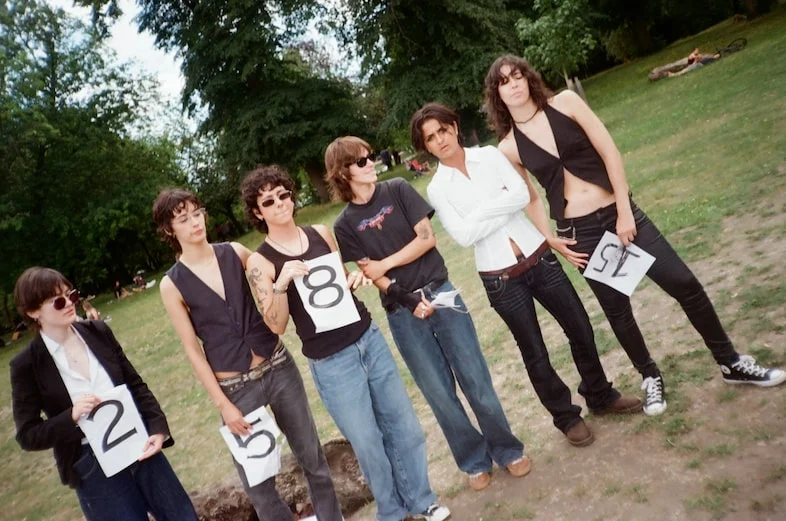
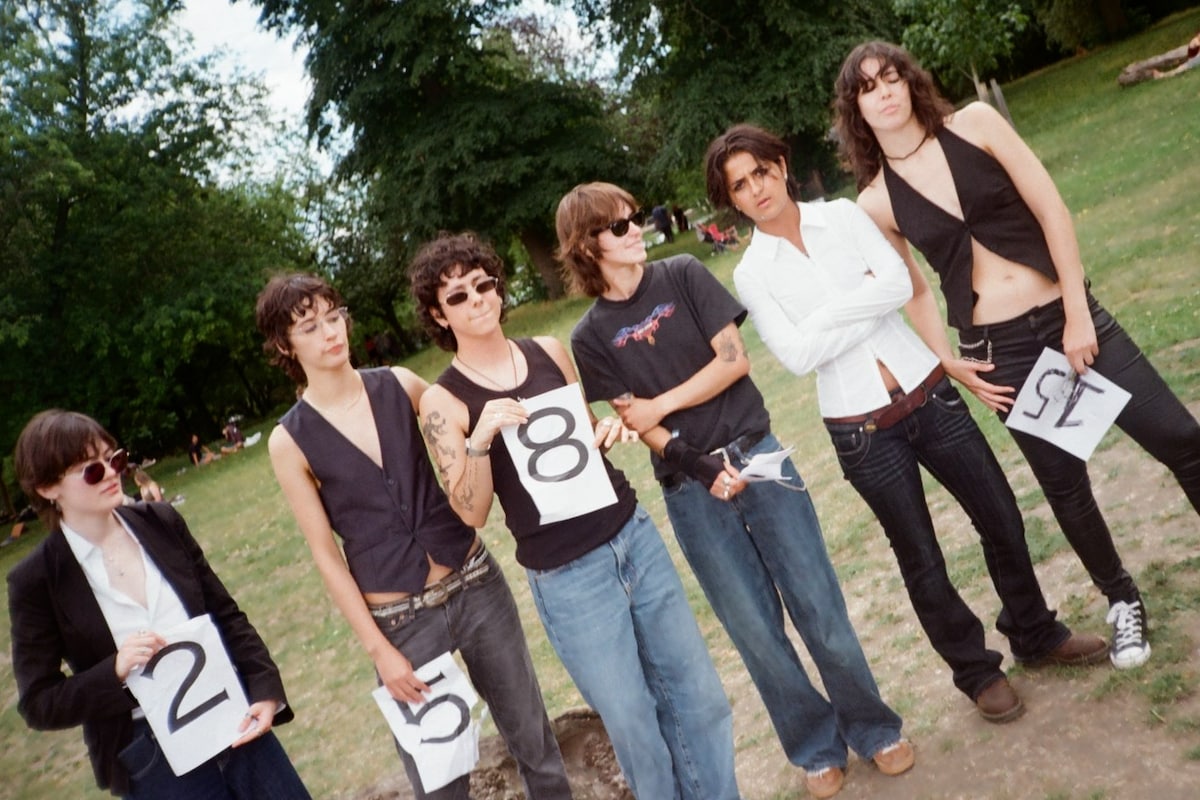
On June 29, 2026, Victoria Park in East London became the vibrant epicenter of queer culture as hundreds of lesbians converged for a unique and spirited celebration: the Shane McCutcheon lookalike contest. This highly anticipated event, organized by the prominent queer events collective Sapphic Nights, saw participants embodying the iconic character from Showtime’s groundbreaking series The L Word, transforming a Sunday afternoon into a powerful demonstration of community, identity, and collective joy. Unlike other recent lookalike contests centered on male celebrities such as Harry Styles, Timothée Chalamet, and Dev Patel, this gathering marked a significant moment for the Women Loving Women (WLW) community, providing a dedicated platform to honor one of its most enduring and influential figures.
A Cultural Phenomenon: The Enduring Legacy of The L Word and its Iconic Heartthrob
The L Word, which originally premiered in 2004, carved out an unprecedented space in mainstream television by exclusively focusing on the lives, loves, and struggles of a group of lesbian and bisexual women in Los Angeles. Over its initial six-season run, and later with its reboot The L Word: Generation Q, the series became a crucial touchstone for queer women globally, offering representation that was largely absent from media landscapes. It provided a shared narrative, fostering a sense of recognition and belonging for countless individuals navigating their own identities and relationships.
Central to the show’s enduring appeal was Shane McCutcheon, portrayed by Katherine Moennig. Shane quickly transcended her role as a fictional character to become a bona fide queer icon. Her signature androgynous style—characterized by sharp haircuts, tailored vests, casual streetwear, and an undeniable aura of effortless cool—redefined fashion sensibilities within the lesbian community. Beyond aesthetics, Shane’s character embodied a complex blend of rebellious independence, emotional vulnerability, and an undeniable magnetism that resonated deeply with viewers. Her journey as a charming but commitment-phobic hairstylist, navigating a string of passionate relationships and personal challenges, captivated audiences and became a catalyst for many queer awakenings. The phrase "looking very Shane today" became shorthand within the community for a specific, desirable aesthetic and an attitude of confident, unbothered allure. This widespread recognition underscores the profound cultural impact Shane McCutcheon has had, solidifying her status as arguably the most famous lesbian heartthrob in television history.
Sapphic Nights: Cultivating Community Through Playful Activism
The Shane McCutcheon lookalike contest was the brainchild of Sapphic Nights, a dynamic queer events collective founded by Lucy Hilton, Teya Marazzi, and Pippa Palmer. Established with a clear mission to create inclusive and welcoming spaces for queer women, Sapphic Nights has quickly become a vital force in London’s LGBTQ+ scene. Their events are designed to be more than just social gatherings; they are intentional spaces for connection, friendship, and authentic self-expression, often serving as a counter-narrative to the sometimes-commercialized aspects of broader Pride celebrations.
Pippa Palmer, co-founder of Sapphic Nights and a recent participant in season two of the queer dating show I Kissed A Girl, articulated the collective’s philosophy behind the event. "The Shane competition was a silly way to get a bunch of dykes together on a random Sunday!" Palmer stated, emphasizing the lighthearted yet profoundly impactful nature of their initiative. She elaborated on the deeper motivation: "All Sapphic Nights wants to do is create a space where people can come alone and leave with friends. We want all dykes in whichever form they come to feel welcome and accepted." This statement highlights the collective’s commitment to fostering genuine community, particularly in an era where digital connections often replace physical ones, and dedicated lesbian spaces can be scarce. The choice of Shane McCutcheon as the focus for a lookalike contest was a strategic one, tapping into a universally recognized and beloved figure within the WLW community, ensuring immediate resonance and broad appeal. It also playfully subverted the trend of celebrity lookalike contests, asserting queer women’s cultural icons into the mainstream conversation.
Victoria Park Transformed: A Day of Camaraderie and Queer Style
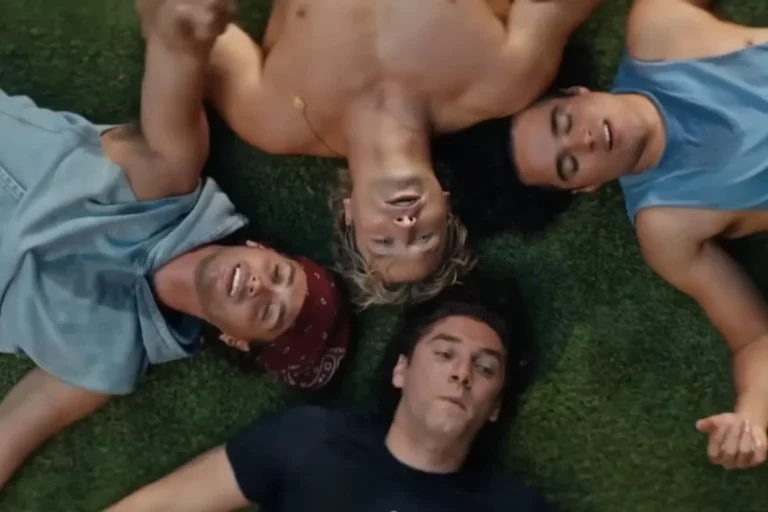
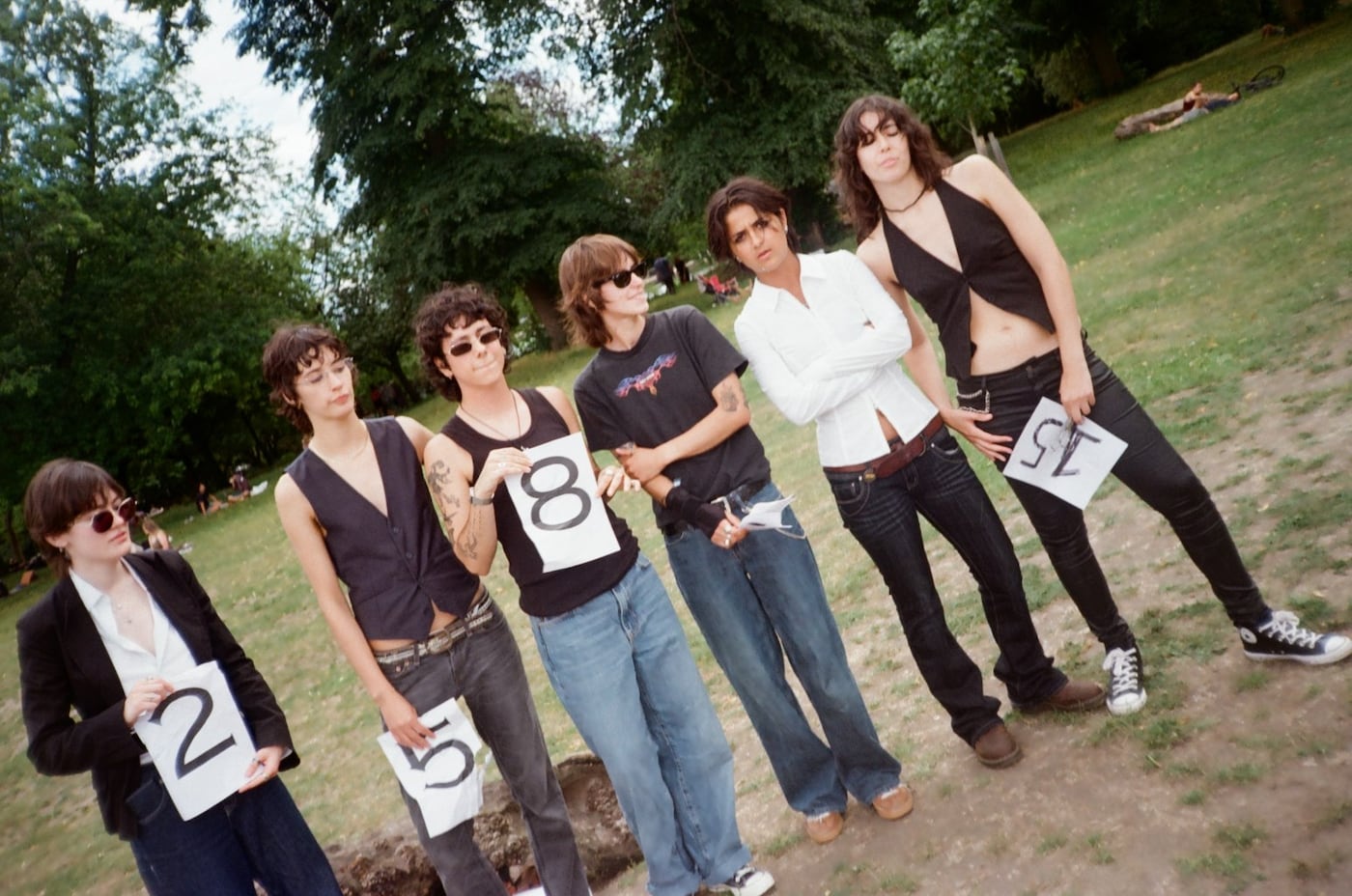
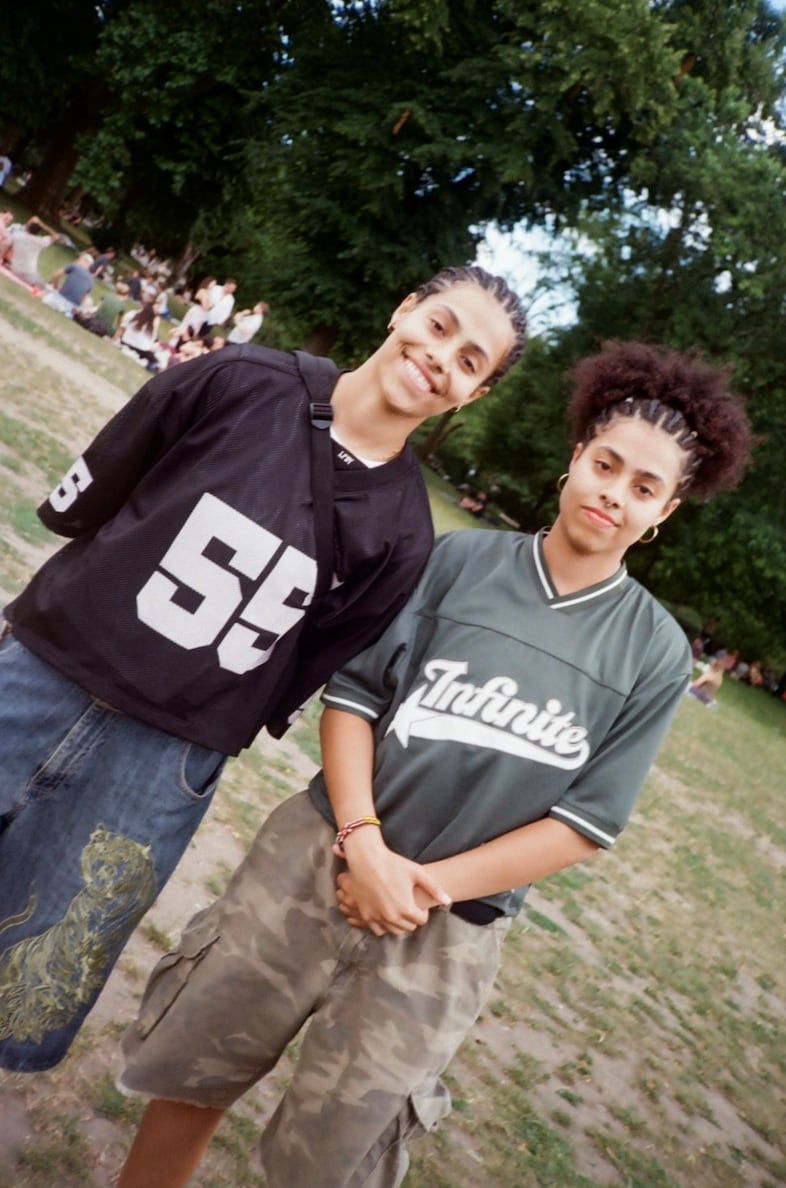
Victoria Park, a sprawling green oasis in East London, provided the perfect backdrop for this vibrant gathering. Known for its historical significance as a venue for public assemblies and cultural events, the park transformed into a bustling hub of queer energy. The atmosphere was palpable with excitement and a deep sense of camaraderie. Attendees, many of whom meticulously styled themselves to emulate Shane’s distinct aesthetic, arrived sporting a diverse array of her signature looks. The sartorial landscape was dominated by "carabiners, camo, and a countless number of long shorts," as noted by observers, alongside carefully coiffed haircuts, leather jackets, and an overall vibe of effortless, gender-nonconforming cool. This collective embrace of Shane’s style created a visually striking tableau, a living homage to a character who has left an indelible mark on queer fashion.
The event was expertly hosted by Leo Bloomfield, whose engaging presence kept the energy high throughout the afternoon. The judging process, a blend of crowd enthusiasm and expert opinion, added to the festive competitive spirit. Notable figures from the queer cultural landscape were in attendance, adding to the excitement. These included Almayra Shah, a cast member from the latest season of I Kissed A Girl and a familiar face from previous Dazed Beauty features, alongside Dazed friends and family such as photographer Elif Gonen, renowned for her recent Dyke March coverage; writer Isabella Greenwood; stylist Clara Mary Joy; and photographer Nora Nord. Their presence underscored the event’s significance within both queer media and the broader London creative scene. The informal setting allowed for easy mingling, and conversations flowed freely among attendees, many of whom recognized each other from dating apps like Hinge or previous social encounters within "the lesbian capital that is east London." This created a unique blend of friendly competition and spontaneous community building, embodying Sapphic Nights’ core mission.
Crowning the Ultimate Shane: Jules Brugnerotti’s Unexpected Victory
As the day progressed, the anticipation for the announcement of the ultimate Shane lookalike grew. After a spirited showcase of meticulously crafted interpretations of the iconic character, the moment arrived. Jules Brugnerotti was officially crowned the #1 Shane lookalike, a title met with enthusiastic applause and cheers from the assembled crowd. Their victory was a testament to their successful embodiment of Shane’s distinctive style and attitude, capturing the essence of the character that resonated so strongly with the community.
Reacting to their win, Jules Brugnerotti expressed genuine surprise and delight. "I’m shocked that I won, I was not expecting to be this big!" they told Dazed, conveying a humble disbelief at the recognition. Their statement also touched upon a relatable experience for many queer individuals who identify with Shane’s archetype: "At last, something good has come from being compared to Shane all my life." This sentiment highlights the widespread influence of the character and how her persona has become a recognized template within queer culture. Brugnerotti’s celebratory remark concluded with a playful nod to a long-standing inside joke among The L Word fandom: "PS: Justice for Jenny!" This reference to Jenny Schecter, a polarizing character from the series whose ambiguous fate has fueled years of fan speculation, further solidified the event’s connection to the show’s dedicated audience and its rich internal lore.
Beyond the Lookalike: Celebrating Queer Joy in Challenging Times
The Shane McCutcheon lookalike contest was far more than a simple costume competition; it was a profound act of community building and resistance in a socio-political climate that often challenges the rights and visibility of LGBTQ+ individuals. As the article rightly points out, "While our community continues to be stripped of its rights, and Pride month coverage dwindles globally, there’s something beautiful about still finding the opportunity to celebrate lesbian joy." This statement encapsulates the deeper significance of events like the contest. In many parts of the world, LGBTQ+ communities face legislative setbacks, rising hostility, and a commercialization of Pride month that sometimes overshadows its grassroots, activist origins. In this context, Sapphic Nights’ event served as a vital reminder of the power of authentic, community-led celebrations of queer identity.
Such gatherings reinforce the importance of safe and affirming spaces where queer individuals can connect, celebrate their shared culture, and find solidarity. The act of collectively honoring a queer icon like Shane McCutcheon strengthens a sense of collective identity and pride, countering narratives that seek to diminish or erase LGBTQ+ experiences. It demonstrated that even amidst broader societal challenges, the spirit of queer joy and resilience remains vibrant and undiminished. The organizers extended gratitude to Katherine Moennig, the actress who brought Shane to life, acknowledging her two decades as a "hot and a lesbian icon," and expressed appreciation to The L Word creators for providing such a foundational text for queer women. Most importantly, thanks were extended to the community itself, for "continuing to show up and show out," proving the enduring strength and vitality of lesbian culture.
The Future of Queer Spaces: Sustaining Connection and Visibility
The success of the Shane McCutcheon lookalike contest in Victoria Park underscores a growing demand for diverse and authentic queer spaces. In an increasingly digital world, and amidst the commercial pressures often associated with mainstream LGBTQ+ events, grassroots initiatives like those by Sapphic Nights play a crucial role in fostering genuine connections and celebrating specific facets of queer identity. These events provide opportunities for individuals to find belonging, forge new friendships, and reinforce their collective power.
The event’s playful yet impactful nature serves as a model for future community-building efforts. By tapping into popular culture and beloved icons, organizers can create accessible and engaging platforms that draw in a wide array of participants, from long-time fans of The L Word to newcomers seeking connection within the queer community. The question posed at the article’s close, "Same time next June? Let’s go lesbians!" is not merely an invitation but a rallying cry, signaling a commitment to sustaining these vital spaces and continuing the celebration of lesbian joy and identity for years to come. Such gatherings are essential for fostering resilience, visibility, and a vibrant future for queer women in London and beyond, proving that community, creativity, and a touch of Shane McCutcheon’s iconic cool are powerful forces for positive change.