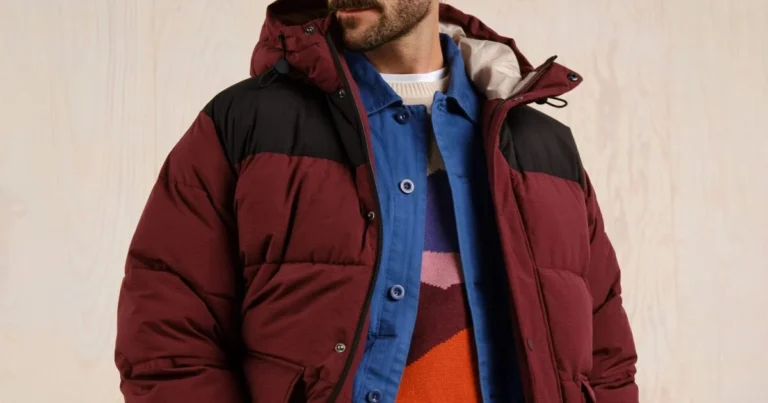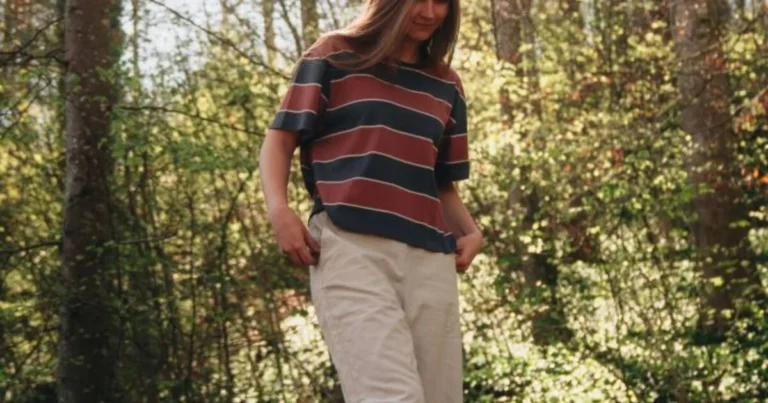





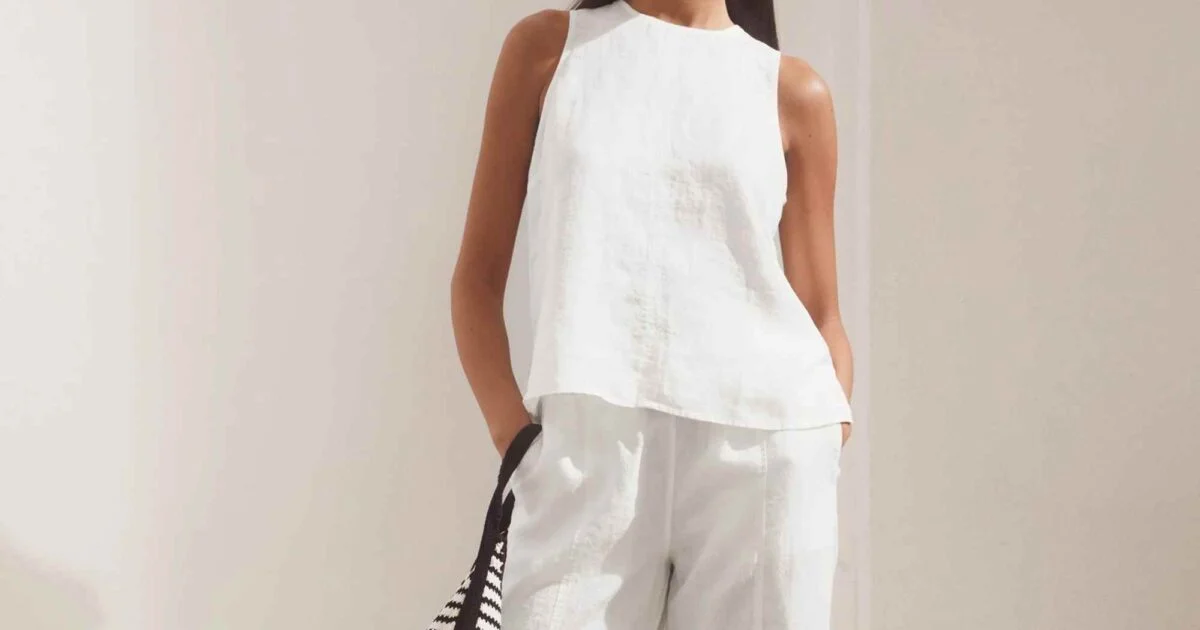
In an era defined by rapid fashion cycles and increasing environmental consciousness, the humble pair of trousers has emerged as a focal point for sustainable consumption. From the fluid drape of culottes to the structured elegance of wide-legs, the contemporary wardrobe staple comes in an astonishing array of shapes and forms. However, the true distinction in today’s market lies not just in cut or fabric, but in the ethical journey of its creation. As consumers increasingly seek to align their purchasing power with their values, our editors at Good On You have meticulously curated a selection of highly-rated brands, each rigorously assessed by our comprehensive ratings system, to guide those looking to invest in more ethical and sustainable trousers. Buying through our links may earn us a commission—supporting the vital work we do to promote transparency and responsibility in the fashion industry.
Trousers are, without doubt, a fundamental building block of most modern wardrobes. Their versatility spans from the casual comfort of jersey culottes to the professional polish of pleated office trousers, embracing trend-driven shapes like the popular barrel leg and the ultra-wide cut. This ubiquity, however, belies a significant challenge within the broader fashion landscape. The prevailing fast fashion model, characterized by rapid production cycles, low costs, and transient trends, has normalized a culture of disposability that carries severe environmental and social repercussions.
The Hidden Costs of Conventional Trousers: A Deeper Look
For decades, the fashion industry has operated under a linear model: design, produce, sell, discard. This approach is particularly problematic when it comes to high-volume items like trousers. Fast fashion options are frequently produced with minimal concern for longevity or environmental impact. Materials often lean heavily on synthetic fibres such as polyester and nylon, derived from fossil fuels. The production of these materials is energy-intensive, and their non-biodegradable nature means they persist in landfills for centuries. Furthermore, washing synthetic garments releases microplastic particles into waterways, contributing to ocean pollution and entering the food chain. Beyond the environmental footprint, these materials often lack breathability, diminishing the wearer’s comfort.
The social cost is equally concerning. The drive for ever-cheaper production leads to exploitative labor practices, with garment workers in many parts of the world enduring low wages, unsafe working conditions, and excessive hours. Transparency in supply chains remains a significant hurdle, making it difficult for consumers to ascertain the true human cost behind their purchases. Stitching and elastic are often of inferior quality, designed for seasonal wear rather than lasting years, compelling consumers into a cycle of constant repurchase. This stark contrast underscores the imperative to seek out alternatives that prioritize durability, ethical production, and environmental stewardship.
The Emergence of Conscious Consumption: A Timeline of Change
The shift towards more sustainable fashion has been a gradual yet accelerating process. While concerns about environmental pollution and labor rights have existed for decades, a confluence of factors in the 21st century has brought these issues to the forefront. The early 2000s saw a growing awareness of organic cotton and fair trade principles. However, the pivotal moment for many was the 2013 Rana Plaza factory collapse in Bangladesh, which tragically killed over 1,100 garment workers. This catastrophe served as a stark awakening, exposing the horrific human cost of fast fashion and galvanizing a global movement for greater accountability and transparency.
In the years that followed, consumer demand for ethical alternatives steadily grew. Organizations like Good On You emerged as critical tools, providing comprehensive, evidence-based ratings that empower consumers to make informed choices. These platforms assess brands across multiple dimensions—planet, people, and animals—using a rigorous methodology that considers everything from material sourcing and water usage to labor conditions and animal welfare policies. This systematic approach allows for an objective evaluation, moving beyond vague "greenwashing" claims and offering a reliable guide for navigating the complex world of sustainable fashion. The curated options presented here represent businesses actively working to be transparent about their practices and improve their overall impact, embodying a commitment to responsible production.
Defining "Better Brands": What to Look For in Ethical Trousers
When our editors curate brands for ethical trousers, they look for businesses that excel in several key areas, reflecting the comprehensive criteria of the Good On You rating system. These pillars of sustainability ensure that a brand’s commitment extends beyond mere rhetoric to tangible action:
-
Material Innovation and Sourcing: A primary focus is on lower-impact materials. This includes organic cotton, which avoids harmful pesticides and uses less water than conventional cotton; recycled materials (like recycled polyester or nylon) that divert waste from landfills; and innovative natural fibres such as hemp and TENCEL™ Lyocell, known for their minimal environmental footprint and durability. Brands are assessed on their efforts to reduce reliance on virgin synthetic materials and embrace circularity, often by utilizing deadstock fabrics or designing for end-of-life recyclability. For instance, organic cotton production can reduce water consumption by up to 91% compared to conventional cotton, and significantly lowers greenhouse gas emissions.
-
Labor Justice and Transparency: Ethical brands prioritize the well-being of their workers. This means ensuring fair wages, safe working conditions, reasonable working hours, and the right to collective bargaining. Transparency in the supply chain is crucial, allowing consumers to trace the journey of their garment from raw material to finished product. Certifications like Fair Trade are strong indicators of a brand’s commitment to these principles. Brands that demonstrate strong relationships with their manufacturers and conduct regular audits score highly in this area.
-
Resource Efficiency and Waste Reduction: Responsible brands implement strategies to minimize their environmental footprint throughout the production process. This includes efficient water management, reducing chemical use, minimizing textile waste through smart design and cutting techniques, and utilizing renewable energy sources in their factories. Brands embracing circular design principles—where products are designed to be reused, repaired, or recycled—are particularly commendable.
-
Animal Welfare: For brands that use animal-derived materials (though less common in trousers than other apparel categories), ethical sourcing is paramount. This includes ensuring animals are treated humanely, avoiding practices like mulesing in wool production, and opting for certified responsible animal products. Many ethical brands also offer entirely vegan collections, catering to consumers who wish to avoid all animal products.
By focusing on these multifaceted criteria, our curation offers a pathway to making purchases that are not only stylish but also contribute positively to people and the planet.
Spotlight on Exemplary Brands: Investing in Sustainable Trousers
Here, we delve into the practices and philosophies of the brands selected by our editors, each offering a distinct approach to ethical and sustainable trouser production.
Afends: Born in Byron Bay, Australia, Afends is a trailblazer in hemp fashion, deeply inspired by surf culture, streetwear, and the natural environment. Their mission extends beyond mere clothing production; it’s about igniting a "hemp revolution" through innovation and positive change. A testament to this commitment, Afends purchased 100 acres of farmland, dubbed Sleepy Hollow, specifically to grow their own hemp crops. Hemp is a remarkably sustainable fibre: it requires significantly less water and no pesticides to grow compared to cotton, regenerates soil, and is incredibly durable, making it an ideal choice for long-lasting trousers. Their range, typically found in sizes XS-XL, reflects a dedication to both style and ecological responsibility. See the rating. Shop Afends.
ISTO.: The Portuguese brand ISTO. operates on a refreshingly simple yet profound mandate: to create timeless wardrobe staples that transcend seasonal trends. Eschewing the fast fashion cycle, ISTO. offers a single, permanent collection, prioritizing quality over quantity. Their commitment to transparency is a cornerstone of their brand, openly detailing the true cost of each garment—from materials and labor to transportation—allowing consumers to understand the value proposition. By focusing on organic materials and enduring design, ISTO. ensures their trousers are not just purchases, but investments. The range is available in XS-XL. See the rating. Shop ISTO.
IRO IRO: Hailing from Jaipur, India, IRO IRO is a circular design collective that embodies low-waste principles and champions lower-impact materials. Their unique approach focuses on traditional crafts local to India, weaving cultural heritage into sustainable practices. By minimizing fabric waste through clever pattern cutting and design, and utilizing materials that have a reduced environmental footprint, IRO IRO offers trousers that are both ethically made and culturally rich. Their commitment to zero-waste design makes them a beacon for future-forward fashion. Find its range in sizes XS – XXL. See the rating. Shop IRO IRO.
WE-AR4: This US-based brand, founded by fashion industry veterans, redefines sustainability by "thrifting" high-quality leathers and luxury textiles that are leftovers from other brands. Rather than contributing to the demand for new material production, WE-AR4 rescues existing resources, giving them new life in their effortlessly stylish designs. This innovative approach to upcycling significantly reduces waste and the environmental impact associated with new material creation. Complementing this, they also integrate certified lower-impact materials, solidifying their commitment to circularity. Find the range in sizes XS-L. See the rating. Shop WE-AR4.
SANTICLER: As a US-based label, SANTICLER specializes in timeless collector’s pieces, curating modern silhouettes in womenswear. Founded by an early advocate of slow fashion, the brand’s collections are designed and produced with intention, aiming to reduce waste at every stage. They meticulously select lower-impact materials, including GOTS-certified cotton and responsibly sourced wool, ensuring that both the environmental and ethical integrity of their trousers are maintained. Their focus on classic designs ensures longevity, encouraging consumers to cherish their garments for years. Most items offered in sizes XS-L. See the rating. Shop SANTICLER.
Opera Campi: Founded in Italy in 2017, Opera Campi crafts premium quality garments from locally-sourced raw materials, embodying a balanced approach to sustainability. Their conscious choices extend throughout their entire supply chain, from fibre cultivation to final production, minimizing environmental impact and supporting local economies. Beyond their ecological commitments, Opera Campi dedicates 4% of its profits to social causes, demonstrating a holistic view of corporate responsibility. The brand is inclusively sized from 3XS-3XL, reflecting a commitment to accessibility alongside ethics. See the rating. Shop Opera Campi.
OhSevenDays: Australian-Canadian Megan Mummery founded OhSevenDays in Istanbul with a clear mission: to promote slow fashion and the "power of circularity." This innovative brand tackles textile waste head-on by reclaiming end-of-roll fabrics from Istanbul’s bustling garment factories. These high-quality "leftovers" from fast fashion production are then transformed into sharp, everyday womenswear. Essentially, OhSevenDays turns the waste of the conventional fashion industry into responsible, wearable designs, proving that circularity can be both stylish and impactful. OhSevenDays’ garments are available in sizes XS-XL, or in custom sizing. See the rating. Shop OhSevenDays.
Näz: A Portuguese brand, Näz focuses on creating timeless womenswear using lower-impact materials. Their design philosophy centers on classic aesthetics and enduring quality, ensuring that their trousers remain relevant and cherished beyond fleeting trends. By carefully selecting sustainable fabrics and maintaining transparent production practices, Näz contributes to a more responsible fashion ecosystem. Most garments available in sizes S-L. See the rating. Shop Näz.
tentree: The Canadian brand tentree distinguishes itself with a bold commitment: planting ten trees for every item purchased. This initiative has led to the planting of over 65 million trees worldwide, regenerating ecosystems and providing vital planting jobs in communities. This "Earth-first" approach permeates all aspects of tentree’s operations, from ensuring fair and safe working conditions to utilizing lower-impact and recycled materials in their products. Their trousers are not just clothing; they are a direct contribution to global reforestation efforts. tentree’s clothes are typically available from XS-XL. See the rating. Shop tentree.
Jyoti – Fair Works: Based in Germany, Jyoti – Fair Works creates GOTS-certified cotton products with a profound social mission. The brand provides meaningful employment opportunities for marginalized or disadvantaged groups in India, fostering economic empowerment and social justice. Their adherence to GOTS (Global Organic Textile Standard) certification ensures that their cotton is organically grown and processed, meeting stringent environmental and social criteria throughout the supply chain. Sizes available are S-XL. See the rating. Shop Jyoti.
Toad&Co: This US brand is renowned for its socially and environmentally minded approach, crafting women’s and menswear equally suited for outdoor adventures and casual urban settings. Toad&Co’s commitment to sustainability is woven into their brand identity, focusing on durable materials and ethical manufacturing. Their trousers are designed for versatility and longevity, reflecting a philosophy that encourages mindful consumption and appreciation for well-made clothing that can withstand the rigors of both the trail and the tavern. Most items are available in sizes XS-2XL. See the rating. Shop Toad&Co.
Seek Collective: A US brand with a global outlook, Seek Collective is dedicated to creating thoughtfully made items grounded in transparency, authenticity, craft, and sustainability. They are focused on establishing profound connections between art, product, consumers, process, and makers. Their garments, including trousers, are produced in India through partnerships with like-minded communities, often involving traditional artisan techniques. This commitment supports cultural preservation and ensures ethical production practices. Find most products in XS-L, with an extended sizing range up to 4XL. See the rating. Shop Seek Collective.
LA Relaxed: With the motto "Simplicity, sustainability, style," LA Relaxed, a US brand, is committed to reducing its climate impact by integrating renewable energy into its supply chain. They prioritize lower-impact materials, including organic cotton and TENCEL™ Lyocell, known for their sustainable production processes and inherent comfort. LA Relaxed’s trousers embody an effortless style that doesn’t compromise on environmental responsibility, offering a blend of modern aesthetics and conscious manufacturing. Find the collection in sizes XS-XL. See the rating. Shop LA Relaxed.
Broader Impact and the Future of Fashion
The shift towards ethical trousers and sustainable fashion is more than a trend; it represents a fundamental rethinking of how clothes are made, consumed, and valued. By choosing brands like those highlighted here, consumers directly support businesses that are actively working to mitigate the environmental degradation and social injustices rampant in the conventional fashion industry. This collective consumer power is a potent force, compelling larger industry players to re-evaluate their practices and invest in more sustainable solutions.
Investing in a good pair of trousers from an ethical brand means acquiring a garment made well and from quality materials, designed to last years of regular wear. This longevity not only offers better value for money in the long run but also significantly reduces the environmental footprint associated with frequent repurchasing. Proper care, including following washing instructions and mending when needed, further extends the lifespan of these garments, cementing their place as truly sustainable wardrobe essentials. The continued growth of the ethical fashion market indicates a promising future where style and conscience can coexist harmoniously, leading to a more responsible and resilient industry for all.
Editor’s note: Feature image via Armedangels, all other images via brands mentioned. Good On You publishes the world’s most comprehensive ratings of fashion and beauty brands’ impact on people, the planet, and animals. Use our directory to search thousands of rated brands.
We updated this article on 11 May 2026. Our editors frequently make updates to articles to ensure they’re up to date. We refreshed our round-up of brands and products.