








The vibrant energy of a New York City summer, usually defined by its relentless pace and iconic glamour, has taken on an unprecedented dynamism. This season, the city has witnessed extraordinary cultural and sporting milestones: the beloved Knicks securing their first NBA championship in over half a century, the global fervor of the World Cup drawing international fans to its screens, and the anticipation building for the upcoming US Open. Even pop icon Madonna has made a notable return to the dance floor, further cementing the city’s status as a global cultural nexus. Against this backdrop of outdoor concerts, communal screenings of intense matches, public displays of affection, and the playfully defiant chant of "My bagel is Jewish and my mayor is Muslim," an underlying current of introspection and artistic re-evaluation is emerging. It is within this pulsating urban symphony that acclaimed photographer Ryan McGinley makes a poignant return to his artistic origins, unveiling "Night Shift" at SoHo’s prestigious Jeffrey Deitch gallery.
A Return to Transgressive Roots
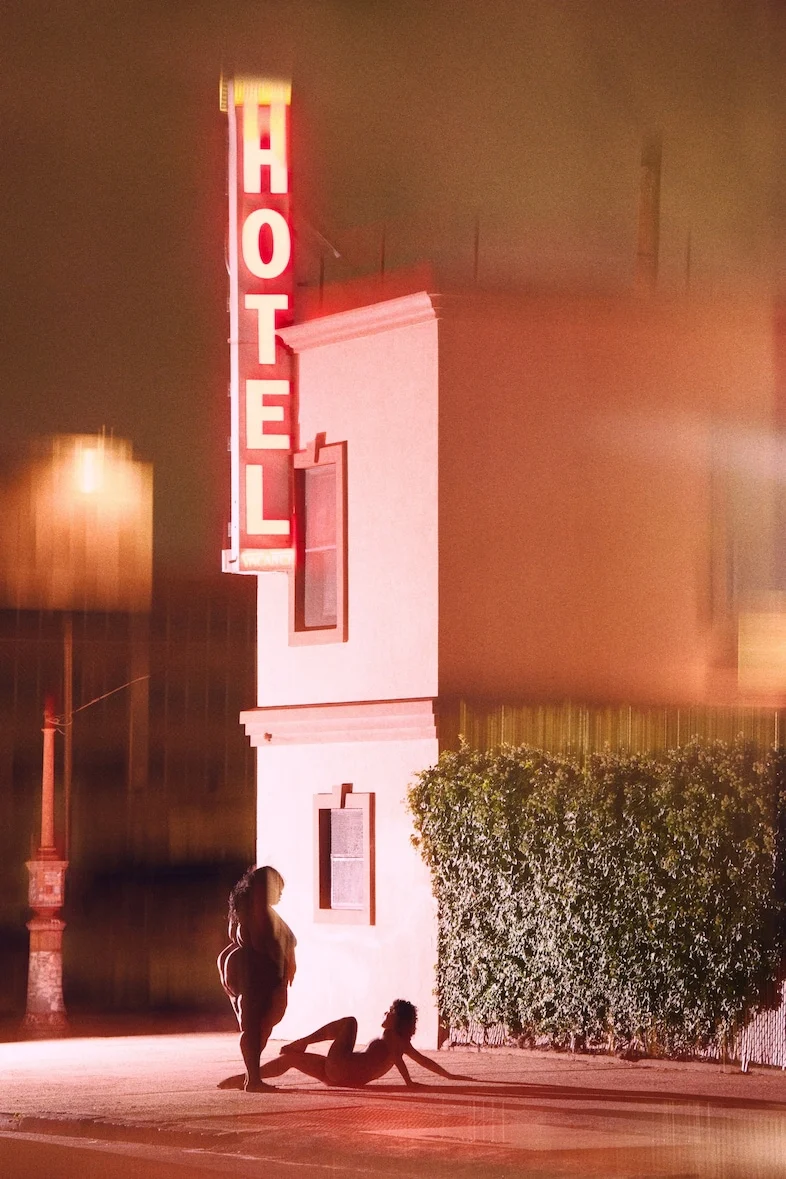
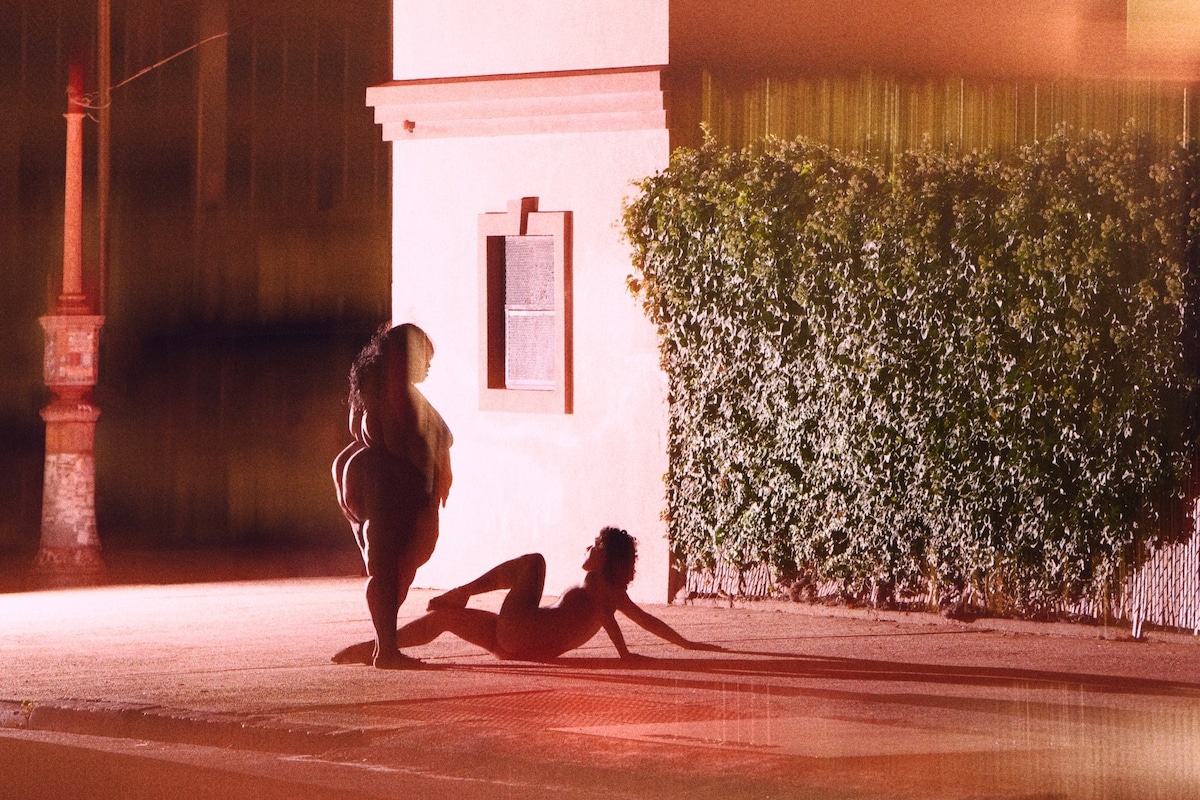
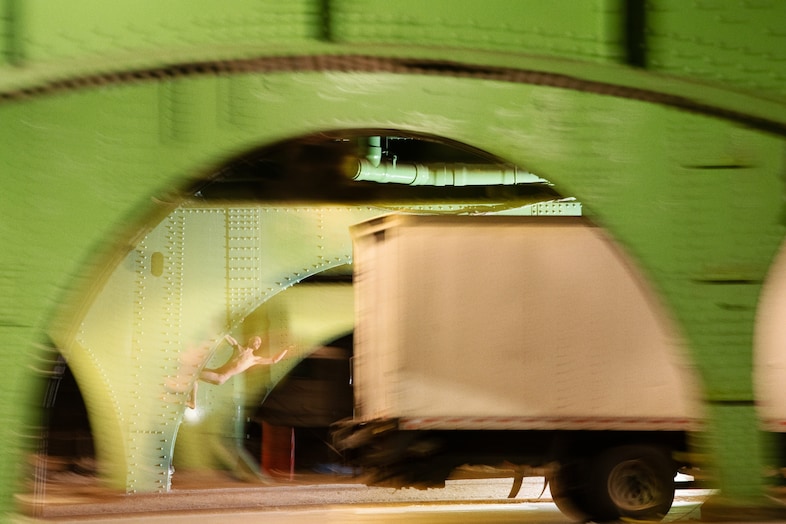
After two decades characterized by what McGinley himself described to Dazed as "crisscrossing the entirety of America," capturing the effervescent spirit of youth and freedom in expansive landscapes, "Night Shift" marks a significant pivot. The exhibition signals a reclamation of his corporeal image repertoire, shifting focus from the sun-drenched, open-road adventures that defined much of his earlier work to an intimate, nocturnal exploration of his home city. Comprising approximately 40 arresting images, "Night Shift" plunges viewers into an unfamiliar New York, where nude figures drift through the darkness like ethereal, playful ghosts. All five boroughs are enveloped in the deep shroud of night, yet McGinley’s masterful use of a long lens and slow shutter speed allows these figures to shimmer and assert their presence in the city’s most unexpected corners.
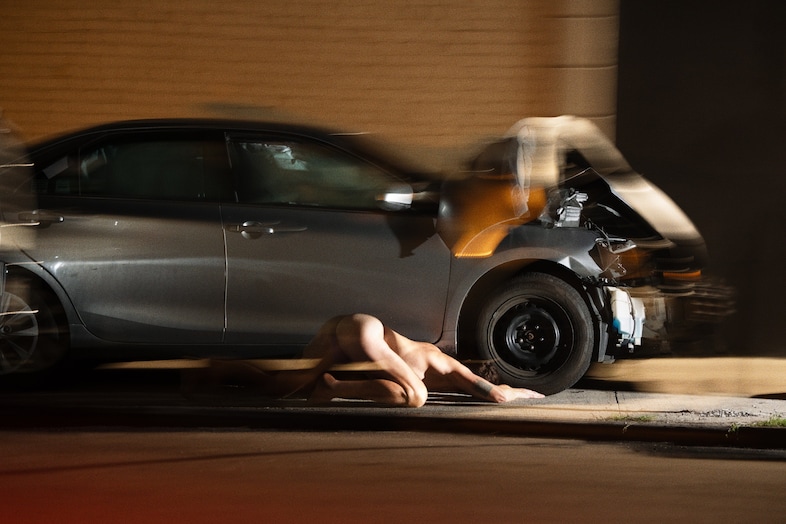
The photographs eschew the typical postcard views of New York, instead presenting desolate streets stretching into the inky sky, industrial remnants dwarfing human subjects as they scale sanitation trucks, or run through foreboding, hungry tunnels. Dilapidated cars, foggy manholes emitting plumes of steam, and chipped, weathered boards convey a city stripped of its polished veneer, revealing a grittier, more vulnerable urban landscape that feels profoundly remote from its usual glittering portrayal. This deliberate aesthetic choice invites viewers to contemplate the hidden narratives and forgotten corners of a metropolis often defined by its ceaseless daylight activity.
The Genesis of "Night Shift": A Nocturnal Chronology
The extensive body of work presented in "Night Shift" was meticulously captured over an intense period stretching from the spring of 2025 through the preceding winter. McGinley and his team embarked on their photographic excursions primarily between 9 PM and 5 AM, leveraging the hours when the city’s relentless daytime pulse subsided. This specific timeframe was chosen for its unique quietude, allowing the artists to transform the bustling streets into a sprawling, intimate studio. "Nobody was out, so we had the streets to ourselves, which made us feel like anything was possible," McGinley recounts, highlighting the profound sense of freedom and creative possibility afforded by the city’s nocturnal lull. The sessions concluded as early commuters and joggers began to re-dot the otherwise unoccupied streets, marking a cyclical transition from the private world of the shoot back into the public awakening of the city.
The demanding schedule, involving shoots three nights a week—specifically Sundays, Mondays, and Tuesdays, chosen for their relative quietness—required McGinley to fundamentally alter his circadian rhythm. This immersion into a nocturnal existence, sleeping as the sun rose and birds chirped, resonated deeply with his formative years. He describes it as a return to his "roots of being a young photographer, skateboarding and creating graffiti," activities predominantly undertaken under the cover of darkness, often on rooftops or within the labyrinthine subway tunnels. This personal challenge, stepping "out of my comfort zone," was not merely logistical but also a profound re-engagement with the transgressive spirit that fueled his earliest artistic explorations. The remaining days of the week were dedicated to intensive location scouting, meticulously identifying the urban backdrops that would lend themselves to the unique aesthetic vision of "Night Shift."
Technique and Vision: Crafting the Otherworldly
McGinley’s distinct photographic approach in "Night Shift" is central to its evocative power. He employed a combination of a slow shutter speed and a radio flash, a technique that allows for the simultaneous capture of ambient light and a sharp, often ethereal, illumination of the subject. This method results in images where the nude bodies appear to "twinkle" or glow against the dark, often blurred backdrop of the city, creating the illusion of "playful ghosts." The subjects, though illuminated, often maintain a degree of mystery, their forms rendered with a soft luminescence that contrasts with the stark, gritty urban environment.
Adding another layer of artistic distance and control, McGinley frequently positioned himself "one or two blocks away from the model," utilizing a very long lens. This physical separation necessitated the use of walkie-talkies or phone calls to direct his subjects, allowing him to orchestrate their movements and expressions remotely. This unique setup facilitated a dynamic range of emotional and physical portrayals, enabling McGinley to "really ramp it up or, at other times, really slow things down for a moody feeling." The deliberate distance, ironically, fosters a sense of intimate observation, as if catching fleeting, private moments unfolding within the vast, indifferent city.
The Unseen City: Architecture, Industry, and Hidden Beauty
A core ambition of "Night Shift" is to highlight the seldom-seen architectural and industrial facets of New York City. McGinley expresses a profound desire to feature "the bridges, the sanitation trucks, the buildings," not as iconic landmarks, but as integral, often overlooked, components of the urban fabric. While monumental structures like the Freedom Tower and the Empire State Building occasionally appear, they are relegated to background elements, serving as subtle anchors rather than focal points. This deliberate de-centering of traditional landmarks forces the viewer to confront the city’s utilitarian and often decaying infrastructure.
McGinley’s chosen locations underscore this commitment to the unglamorous. He speaks with affection for the Calvary Cemetery in Queens, one of his "favourite graveyards," and the Long Island City train yard, which he admires for its "post-apocalyptic" feel. These sites, along with motifs like smoking manholes and fire hydrants, become central characters in his narrative. The constant plumes of steam from manholes, typically mundane, are transformed into "gorgeous smoke," imbued with a natural, almost mystical energy. Similarly, the classic summertime spectacle of fire hydrants gushing water is re-imagined through McGinley’s lens, gaining an "otherworldly feel." This recontextualization elevates the ordinary, revealing a profound beauty in the city’s overlooked industrial heartland.
The series includes images of a motel or a gas station, elements more commonly associated with Americana than with the quintessential New York experience. This deliberate inclusion blurs geographical lines, suggesting a universal underbelly to urban existence. By presenting New York in ways "not associated with your previous work or the images of it that we are all used to," McGinley challenges preconceived notions of the city, inviting a fresh, often disquieting, perspective.
Inspirations and Artistic Lineage
McGinley openly acknowledges his artistic lineage, drawing inspiration from photographers who similarly engaged with the urban landscape. He cites Bernice Abbott, an "amazing photographer who captured New York as it was being built with a lot of industrial architecture," as a significant influence. Abbott’s meticulous documentation of the city’s evolving form resonates with McGinley’s desire to reveal the structural bones of New York. While noting that street photographers like Garry Winogrand are not entirely "his style," he nonetheless holds their work in high regard, recognizing their profound ability to capture the raw, unscripted moments of urban life.
Beyond these formal influences, McGinley also connects "Night Shift" to a deeper, more personal history, particularly concerning queer identity and the city’s counter-cultural past. Growing up across the Hudson River in New Jersey, the river itself became a symbolic boundary and a gateway to the city’s hidden worlds. He explicitly references "the old piers and amazing photographers like Alvin Balthrop or David Wojnarowicz," whose powerful images documented the queer community amidst industrial decay. This historical awareness informs his own photograph of a "nude queer man waiting by the water on a piece of steel," a direct echo of a rich, often marginalized, artistic and social history. The inclusion of the illuminated Cape Bridge as a backdrop and the Bushwick Hotel, a known haunt for many artists, further ground the series in specific cultural and social narratives.
The Human Element: Models as Collaborators
Crucial to the success of "Night Shift" is the intimate collaboration between McGinley and his subjects. The models are not professional, but rather artists, writers, and photographers drawn from his personal community. This choice is deliberate, allowing for a dynamic interplay where their "own spirit" and personality imbue each photograph with authenticity. McGinley explains, "I worked with people whom I didn’t really need to tell much, because their own spirit was shining through."
While the movements of the models appear organic and effortless, McGinley reveals his active role in guiding them, describing himself as bringing out his "inner choreographer." Whether standing on a crashed car or a dumpster, the experimental nature of the poses was paramount. The fluidity of the shoots, often involving hopping on bikes and riding through the city, fostered a sense of spontaneity that is palpable in the final images. This collaborative ethos transforms the models from passive subjects into active participants, contributing their unique energy to McGinley’s vision.
Broader Implications: The Art Market and the Future of NYC’s Creative Class
"Night Shift" opens at a time when New York City faces increasing scrutiny regarding its accessibility for young artists. McGinley candidly addresses the "wealth gap" as a significant problem, arguing that the city’s inherent coolness and beauty stem directly from its creative inhabitants. The rising cost of living and working space poses a substantial threat to the experimental soul that has long defined New York’s artistic landscape.
In response, McGinley advocates for a renewed sense of community and mentorship among artists. He emphasizes the importance of established artists "to look after somebody who is trying to make it as an artist here," suggesting practical advice on finding affordable housing or navigating the city’s challenges. Reflecting on his own formative years, he recalls sharing a three-room apartment in the East Village with "seven or eight of us," a communal living arrangement that provided him with both a means to exist and a constant stream of subjects for his early Polaroid work. This personal anecdote serves as a powerful reminder of the "silver lining" found in collective struggle and shared resources, echoing the spirit of collaboration that defines "Night Shift."
The exhibition’s themes of exploring the city’s overlooked spaces and challenging conventional beauty standards resonate with current discussions about urban development, gentrification, and the preservation of artistic subcultures. By focusing on the nocturnal and the industrial, McGinley indirectly comments on the changing face of New York, a city that, despite its relentless evolution, still harbors pockets of raw authenticity.
Jeffrey Deitch and the Legacy of Contemporary Art
The choice of Jeffrey Deitch gallery in SoHo for "Night Shift" is significant. Deitch, a gallerist renowned for his pioneering exhibitions and his long-standing commitment to contemporary and often boundary-pushing art, provides an ideal platform for McGinley’s latest work. With a history of showcasing artists who challenge conventions and explore youth culture, Deitch’s space offers a receptive environment for "Night Shift"’s transgressive spirit and its engagement with the raw realities of urban life. The gallery’s presence in SoHo, a neighborhood steeped in artistic history and transformation, further contextualizes the exhibition within a broader narrative of New York’s evolving art scene.
"Night Shift" not only extends McGinley’s own artistic journey but also contributes to the rich tradition of photographers who have sought to capture the elusive essence of New York City. From the pioneering efforts of Jacob Riis documenting tenement life to the gritty street photography of Diane Arbus, the city has long served as an inexhaustible muse for artists exploring social realities and hidden psychologies. McGinley’s work, with its unique blend of ethereal beauty and urban grit, carves out a distinct space within this lineage, offering a contemporary vision that is both deeply personal and universally resonant.
Conclusion
Ryan McGinley’s "Night Shift," on view at Jeffrey Deitch in New York until August 8, 2026, is more than just an exhibition of photographs; it is a profound meditation on urban identity, artistic evolution, and the enduring power of New York City as a crucible for creative expression. Through his nocturnal lens, McGinley invites viewers to shed preconceived notions and delve into a hidden city, one populated by playful specters and imbued with an otherworldly glow. It is a testament to the artist’s willingness to revisit his roots, embrace new challenges, and, in doing so, reveal the unseen heart of a city that truly never sleeps, even in its quietest hours. The exhibition serves as a powerful reminder that beneath the dazzling surface of global events and cultural fanfare, the soul of New York continues to thrive in its most unexpected, and often, most vulnerable, corners.