









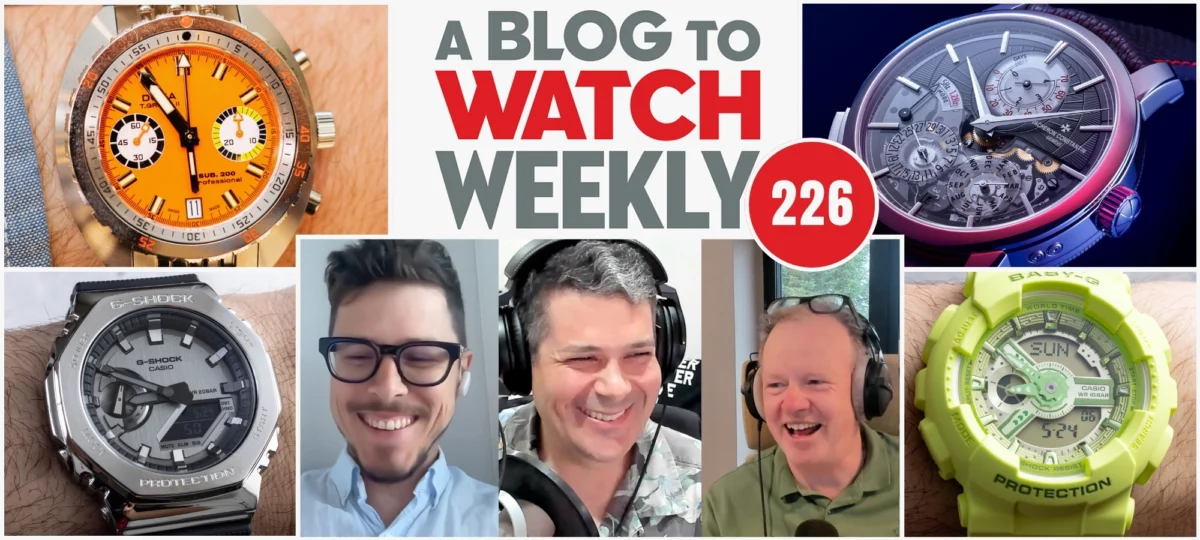
The latest installment of aBlogtoWatch Weekly, a popular video series hosted on the aBlogtoWatch YouTube channel, has returned with its signature blend of in-depth watch discussions and spirited debate. Premiering every Friday, this week’s episode delves into a diverse range of topics, from niche enthusiast collaborations like Star Wars-themed G-Shocks and the seemingly unending influx of Doxa dive watches to the reintroduction of complex horological achievements such as Vacheron Constantin’s Twin Beat Perpetual Calendar. Beyond these specific releases, the aBlogtoWatch team engages in a critical examination of the current luxury watch market, questioning the accessibility of high-end timepieces and the increasing prevalence of "price on request" policies.
The episode opens with a lively discussion on the proliferation of Doxa dive watches. Known for their distinctive orange dials and robust build, Doxa has seen a significant expansion of its product line in recent years. While this caters to a dedicated fanbase, the aBlogtoWatch hosts ponder the saturation of the market and the practical implications for collectors. "How many Doxas does one person truly need?" a recurring question in the watch community, is implicitly addressed as the team navigates the brand’s prolific output. This discussion is particularly relevant in an era where watch brands are increasingly segmenting their offerings to appeal to diverse sub-niches within the collector base.
Further expanding on the theme of brand accessibility, the conversation pivots to a broader critique of how luxury watch brands manage their sales and distribution channels. The hosts express concern over the perceived deliberate complexity in the purchasing process for high-end timepieces. This sentiment is amplified by Ariel’s recent in-depth article, which explored the intricate relationship between the Swiss watch industry and its most significant market: the United States. His analysis highlights critical issues such as extended waitlists for iconic models from brands like Rolex, logistical challenges at authorized dealerships, and stark cultural differences in the perception and acquisition of luxury goods. The team dissects why certain manufacturers appear to favor an approach that can be perceived as intentionally making the buying experience more arduous than necessary, potentially alienating potential customers who are eager to engage with the brands.
The US Market: A Complex Ecosystem for Luxury Watches
Ariel’s investigation into the US market for Swiss watches underscores a dynamic that has been evolving for years. The United States represents a substantial portion of the global luxury watch market, driven by a strong economy, a culture that values status symbols, and a growing appreciation for mechanical watchmaking. However, the infrastructure to support this demand has not always kept pace.
Key Challenges Identified in the US Market:
- Supply Chain Constraints: The inherent limitations in producing high-complication mechanical watches mean that supply will always lag behind demand for the most sought-after models. This is exacerbated by production bottlenecks and the intricate manufacturing processes involved.
- Dealer Network Limitations: Many authorized dealers face strict allocation systems from the brands, leading to limited inventory and long waiting lists. This scarcity, while potentially driving desirability, can also lead to frustration and a sense of exclusion for consumers.
- Secondary Market Influence: The robust and often speculative secondary market plays a significant role. Prices on the pre-owned market can far exceed retail, creating an artificial inflation and a disconnect between the intended retail price and the actual cost of acquisition for many. This can also lead to brand-authorized dealers being hesitant to sell to individuals perceived as "flippers," further complicating the retail experience.
- Cultural Nuances in Consumption: The article and subsequent discussion touch upon differing approaches to luxury consumption between the US and other markets. While some European markets may have a more ingrained, historical appreciation for horology as an art form, the US market often exhibits a stronger emphasis on brand prestige and investment potential. This can influence how brands position themselves and interact with consumers.
The debate surrounding "price on request" is a prime example of this complexity. While some argue it maintains an air of exclusivity and allows for personalized client interactions, it can also be seen as a barrier to entry, preventing price-conscious enthusiasts from even initiating inquiries. This lack of transparency stands in contrast to the digital age, where consumers are accustomed to readily available information.

The Brand Wheel of Death: A Controversial Reckoning
Adding a layer of interactive entertainment and critical assessment, the segment known as the "Brand Wheel of Death" makes its anticipated return. This segment subjects various watch brands to a rigorous and often humorous evaluation. In this episode, Nomos, Ferdinand Berthoud, and Voutilainen are put under the microscope. These brands represent different facets of the watchmaking spectrum: Nomos, a German brand known for its modern design and in-house movements at accessible luxury price points; Ferdinand Berthoud, a historically significant independent brand revived to produce exceptionally complex and exclusive timepieces; and Voutilainen, widely regarded as one of the most esteemed independent watchmakers for his meticulous craftsmanship and unique aesthetic. The "judgment" they face in this segment likely involves discussions on their market positioning, design language, innovation, and overall value proposition, offering a unique perspective from the aBlogtoWatch team.
Star Wars G-Shocks: A Testament to Niche Collaboration
The mention of Star Wars-themed G-Shocks highlights a growing trend in the watch industry: the power of intellectual property collaborations. Casio’s G-Shock line, renowned for its durability and often bold designs, has proven to be a fertile ground for partnerships with popular culture franchises. The Star Wars collaboration taps into a massive and passionate fanbase, offering collectors a tangible connection to a beloved universe. These limited-edition releases often sell out quickly, demonstrating the significant commercial appeal of such cross-promotional efforts. While seemingly a departure from the high-end discussions, these collaborations are indicative of how brands are diversifying their appeal and engaging with consumers on multiple levels, from accessible pop culture tie-ins to ultra-exclusive haute horlogerie.
Vacheron Constantin’s Twin Beat Perpetual Calendar: A Return to Horological Excellence
The reintroduction of Vacheron Constantin’s Twin Beat Perpetual Calendar represents a significant moment in haute horlogerie. This exceptional complication, which features a variable-frequency balance wheel allowing the watch to run for up to 65 days on a full power reserve, is a testament to the enduring pursuit of mechanical innovation by one of the world’s oldest watch manufacturers. The original Twin Beat, launched in 2019, was a groundbreaking achievement. Its return in subsequent iterations signifies Vacheron Constantin’s commitment to pushing the boundaries of traditional watchmaking. The ability to extend the power reserve of a perpetual calendar to such a degree is not merely a technical feat; it addresses a practical concern for owners of such complex watches, who often need to reset them after periods of non-wear. This focus on user experience, even within the realm of ultra-luxury, is a key differentiator for brands at the pinnacle of the industry.
The Broader Implications for the Watch Market
The discussions within this episode of aBlogtoWatch Weekly offer a microcosm of the broader trends shaping the watch industry:
- The Democratization vs. Exclusivity Debate: While brands like G-Shock offer accessible entry points through pop culture collaborations, the core luxury market grapples with maintaining exclusivity while navigating increased global demand. The tension between making watches accessible and preserving their inherent value and desirability is a constant balancing act.
- The Importance of Brand Narrative: The success of both niche collaborations and ultra-high-end complications relies heavily on a compelling brand narrative. Whether it’s the legacy of Vacheron Constantin, the rugged appeal of Doxa, or the cinematic universe of Star Wars, storytelling is paramount in connecting with consumers.
- The Evolving Role of Digital Platforms: The aBlogtoWatch YouTube channel itself is a testament to the growing importance of digital platforms for watch media and community building. These platforms allow for in-depth discussions, direct engagement with audiences, and the dissemination of complex information in an accessible format.
- The Future of Luxury Retail: The challenges highlighted regarding US market access suggest a potential need for Swiss watch brands to reassess their retail strategies. Innovations in direct-to-consumer models, enhanced online experiences, and more transparent communication could be crucial for future growth and customer satisfaction.
The episode concludes with a reminder for viewers to engage with the content by subscribing, rating, and reviewing the show on their preferred platforms. The inclusion of social media links further emphasizes aBlogtoWatch’s commitment to fostering an active and engaged watch community online. As the watch world continues to evolve, aBlogtoWatch Weekly remains a vital platform for understanding its complexities, celebrating its achievements, and critically examining its direction.
Contact Information for aBlogtoWatch:
- Instagram: @ablogtowatch
- Website: www.ablogtowatch.com
- Facebook: @aBlogtoWatch