










Polyurethane (PU), a material celebrated for its versatility and durability, has become an omnipresent component in modern life, from critical industrial applications to everyday consumer goods. In the fashion industry, it has notably risen as a popular coating for fabrics and as a purported alternative to animal-derived leather. However, despite its widespread adoption and marketing as a "vegan" or "sustainable" option, polyurethane is fundamentally a plastic, and its lifecycle carries profound implications for planetary health and human well-being. This article delves into the intricate nature of polyurethane, examining its origins, applications, environmental footprint, health concerns, and critically assessing whether it can ever truly align with sustainable practices.
The Genesis and Ubiquity of Polyurethane
The story of polyurethane began in 1937 when German scientist Otto Bayer and his team at IG Farben in Leverkusen, Germany, first synthesized it. Bayer’s pioneering work led to the discovery of polyaddition, a reaction that forms polymers without the production of by-products. Initially developed as an alternative to nylon, PU’s unique properties were quickly recognized, especially its ability to exist in both rigid and flexible forms. Its commercial viability surged following World War II, playing a crucial role in post-war reconstruction and industrial expansion, particularly in aircraft construction, insulation, and protective coatings.
Today, polyurethane’s applications are staggering in their breadth. It is an indispensable material in countless sectors, ranging from automotive parts (seating, dashboards, tires) and construction (insulation foams, sealants, coatings) to medical implants, electronics (phone cases, circuit boards), and even sports equipment (surfboards, athletic shoes). Its adaptability stems from its customizable chemical structure, allowing manufacturers to engineer specific properties such as elasticity, rigidity, abrasion resistance, thermal insulation, and waterproofing. Global production of polyurethane has seen consistent growth, driven by its diverse utility. By 2022, the global polyurethane market size was estimated at over $70 billion, with projections indicating continued expansion, underscoring its deep integration into the global economy.
The Chemical Foundation and Manufacturing Complexities
At its core, polyurethane is a polymer composed of organic units joined by urethane (carbamate) links. Its synthesis involves a chemical reaction between two primary liquid components: a di-isocyanate and a polyol. These components react to form a polymer chain, and the specific properties of the resulting PU material can be precisely controlled by altering the types of isocyanates and polyols used, as well as by incorporating various additives.
The manufacturing process is sophisticated and often involves specific catalysts, blowing agents (for foams), flame retardants, UV stabilizers, pigments, and other modifiers to achieve desired end-product characteristics. For instance, rigid foams used in insulation require different formulations than the flexible elastomers found in shoe soles or textiles. This ability to tailor its properties is a significant factor in PU’s widespread adoption.
However, the production process is not without its hazards. A critical concern revolves around isocyanates, particularly methylene diphenyl diisocyanate (MDI) and toluene diisocyanate (TDI). These chemicals are highly reactive and are classified as hazardous substances. During the manufacturing phase, workers can be exposed to isocyanate vapors, which can lead to severe health issues. The Occupational Safety and Health Administration (OSHA) in the United States and similar regulatory bodies globally have stringent guidelines for handling isocyanates due to their known capacity to cause respiratory sensitization, asthma, skin irritation, and other adverse health effects, including, in severe cases, liver and kidney dysfunction. While isocyanates become chemically inert and non-toxic once fully reacted and cured into solid polyurethane, the risk re-emerges if the material is heated, burned, or processed in ways that can break down the polymer and release unreacted monomers or hazardous pyrolysis products. This poses environmental and health risks during improper disposal or accidental fires.
Polyurethane’s Pervasive Role in Fashion: The "Vegan Leather" Paradox
In the fashion industry, polyurethane serves multiple functions. Its abrasion resistance and waterproofing capabilities make it an excellent coating for various fabrics, enhancing durability and performance in outerwear, accessories, and footwear. Its elasticity is crucial for swimwear and activewear, often blended with other fibers to create stretchable materials like spandex (which contains PU). It is also used as lamination for lower-quality leather, creating what is known as "bicast leather," which provides a uniform, glossy finish.
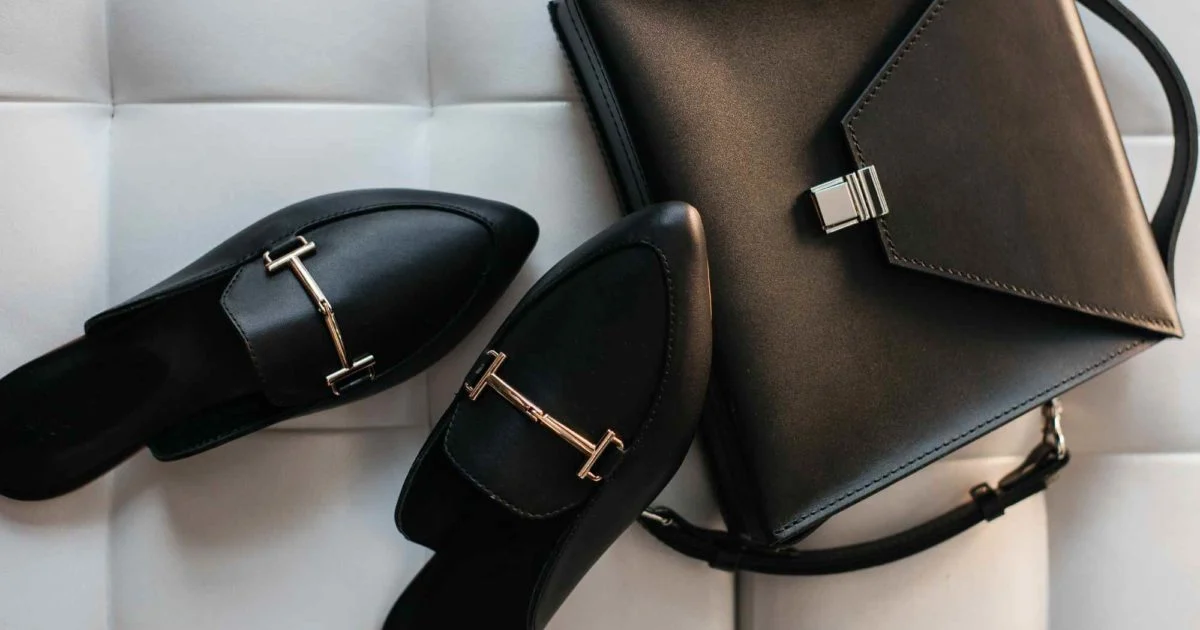
However, perhaps its most prominent and increasingly debated role in contemporary fashion is as an alternative to animal leather. The rise of ethical consumerism, driven by concerns over animal welfare and the environmental impact of livestock farming, has fueled a significant demand for "vegan leather," also known as pleather, leatherette, or faux leather. Polyurethane, alongside polyvinyl chloride (PVC), became the go-to material for these alternatives due to its ability to mimic the look and feel of genuine leather at a relatively low cost.
Initially, vegan leather made from PU was often lauded as a more ethical and even sustainable choice compared to its animal counterpart. As Kate Hobson-Lloyd, fashion ratings manager at Good On You, explains, "It’s common for polyurethane to crop up in so-called ‘sustainable’ vegan leather as it’s usually needed to impart durability to materials, but it should be remembered that it’s still a kind of plastic at the end of the day." While PVC has historically been flagged as the more toxic of the two due to its use of phthalates and release of dioxins during production and incineration, polyurethane, despite being considered a "better" alternative by some, still shares many of the environmental shortcomings inherent to plastics.
The marketing landscape for vegan leather has become increasingly complex. Many innovative "plant-based" or "natural" leather alternatives, derived from materials like pineapple leaves (e.g., Piñatex), apple peel, mushroom mycelium (e.g., Mylo), or cactus, still frequently incorporate a polyurethane coating or binder. This is often necessary to provide the required durability, water resistance, flexibility, and longevity that consumers expect from leather-like products. Without PU, many of these novel materials would lack the structural integrity and performance attributes to withstand everyday wear and tear. This reliance on a plastic coating complicates the sustainability narrative, making it challenging for consumers to ascertain the true composition and environmental footprint of products labeled as "plant-based" or "eco-friendly." Transparency from brands regarding the full material composition is crucial but often lacking, forcing diligent consumers to scrutinize labels or directly contact manufacturers for detailed information.
The Environmental Footprint: A Deep Dive into Polyurethane’s Impact
The environmental implications of polyurethane are multifaceted and extend across its entire lifecycle, from raw material extraction to end-of-life disposal.
1. Fossil Fuel Dependence: The vast majority of polyurethane production relies on petrochemicals derived from crude oil and natural gas – finite fossil fuels. The extraction and processing of these resources are inherently energy-intensive, contributing significantly to greenhouse gas emissions, air and water pollution, and habitat destruction. The global plastics industry, including PU production, accounts for a substantial portion of global oil consumption, exacerbating climate change and depleting Earth’s finite resources. The energy required for synthesizing the complex polymers further adds to its carbon footprint.
2. End-of-Life: Landfills, Leaching, and Microplastics:
- Persistence in Landfills: As a plastic, polyurethane is designed for durability, which unfortunately translates to extreme persistence in the environment. It does not readily biodegrade, meaning PU products discarded in landfills can remain intact for hundreds to potentially thousands of years. This contributes to the ever-growing global waste crisis, with landfills overflowing and occupying vast tracts of land.
- Chemical Leaching: Over time, PU products in landfills or exposed to environmental conditions can leach chemicals into the surrounding soil and groundwater. While the cured polymer itself is stable, additives like flame retardants, plasticizers, and other processing aids can slowly migrate out, potentially contaminating ecosystems and affecting human health.
- Microplastic Release: A growing body of scientific evidence highlights the pervasive issue of microplastic pollution. Polyurethane, through friction, wear, washing, and environmental degradation, fragments into tiny plastic particles less than 5 millimeters in size. These microplastics are now found virtually everywhere: in oceans, freshwater systems, soil, air, and even within human and animal bodies. Studies have shown that synthetic textiles, many of which contain or are coated with PU, are significant contributors to microplastic release during laundering. The long-term ecological and health impacts of microplastics are still being researched, but concerns include physical harm to organisms, transfer of toxins, and potential disruption of endocrine systems.
3. Recycling Challenges: Despite growing global efforts to improve plastic recycling, polyurethane is notoriously difficult to recycle effectively, especially when used in fashion products. Most PU in consumer goods is a thermoset plastic, meaning it cannot be melted down and reshaped like thermoplastics (e.g., PET bottles). Once cured, its chemical structure is permanently set. Furthermore, PU is often integrated into composite materials (e.g., fabric coatings, shoe soles with multiple layers), making separation and reprocessing economically and technically challenging. Consequently, polyurethane leather alternatives and even plant-based versions mixed with PU are rarely recycled, with the vast majority ending up in landfills or incinerators. Incineration, while reducing landfill volume, can release toxic gases if not performed under highly controlled conditions.
The Nuance of "Bio-based" Polyurethane: A Critical Assessment
In response to the environmental concerns surrounding conventional, fossil fuel-derived PU, researchers and manufacturers have developed "bio-based" polyurethanes. These materials are derived, at least in part, from renewable biological resources such as vegetable oils (e.g., castor, soybean), corn starch, or algae, rather than solely from petrochemicals. The primary advantage touted for bio-based PU is a reduced reliance on finite fossil fuels and potentially a lower carbon footprint associated with raw material sourcing.
However, the term "bio-based" can be misleading and does not automatically equate to "sustainable." A critical examination reveals several complexities:
- Partial Bio-content: Many "bio-based" PUs are not 100% bio-derived; they often still contain a significant proportion of petrochemical components. The percentage of bio-content can vary widely, and consumers often lack clear information.
- Chemical Processing: Even with bio-derived feedstocks, the production of bio-based PU still involves complex chemical synthesis and processing, which can carry their own environmental impacts, including energy consumption and potential use of hazardous chemicals.
- Biodegradability Varies: While some bio-based PUs are designed to be more biodegradable than their fossil fuel counterparts, this property is highly dependent on the specific chemical formulation and the environmental conditions (e.g., temperature, moisture, microbial activity) under which they are disposed. Many will only degrade under specific industrial composting conditions, which are not widely available. In conventional landfills, their degradation rate may still be very slow.
- Microplastic Release: Disturbingly, emerging research indicates that even bio-based polyurethanes can release microplastics. A study published in Nature Scientific Reports in 2024 found that polyether polyurethanes derived from renewable resources still fragmented into small particles through wear and degradation processes, contributing to the broader microplastic problem. This underscores that simply changing the feedstock does not resolve the issue of plastic pollution if the material’s fundamental physical properties lead to fragmentation.
- Land Use and Resource Competition: The cultivation of crops for bio-based feedstock raises concerns about land use, deforestation, pesticide use, water consumption, and potential competition with food production, particularly if scaled up significantly.
Therefore, while bio-based PU represents a step towards reducing fossil fuel dependence, it is not a silver bullet for sustainability. It still presents challenges related to end-of-life management, microplastic pollution, and the broader environmental footprint of its production.
Industry Perspectives and the Regulatory Landscape
The fashion industry is increasingly under pressure from consumers, advocacy groups, and regulatory bodies to adopt more sustainable practices. Major brands are investing in material innovation and striving for greater transparency in their supply chains. Organizations like the Material Innovation Initiative and the Sustainable Apparel Coalition (which developed the Higg Index) are working to accelerate the development and adoption of next-generation materials and to provide standardized tools for measuring environmental performance.
However, the widespread reliance on materials like PU highlights a significant hurdle in achieving true sustainability. While brands may market "vegan leather" as an ethical choice, the environmental cost of its plastic content is becoming undeniable. There is a growing call for clearer labeling and more rigorous standards for materials claiming to be "sustainable" or "eco-friendly" to prevent greenwashing. Regulatory bodies in various countries are beginning to explore policies related to plastic waste, microplastic pollution, and extended producer responsibility (EPR) schemes, which could significantly impact how polyurethane products are managed at their end-of-life. These policies aim to shift the burden of waste management from municipalities to producers, incentivizing the design of more recyclable or biodegradable products.
Charting a Course Towards Truly Sustainable Alternatives
Given the significant drawbacks of polyurethane, particularly its fossil fuel origin, persistence, and microplastic shedding, avoiding it where possible is increasingly seen as the most responsible choice for both consumers and manufacturers. Fortunately, innovation in material science is yielding genuinely plastic-free alternatives that offer similar performance characteristics without the environmental burden.
- MIRUM: Developed by Natural Fiber Welding (NFW), MIRUM is a truly plastic-free, plant-based material that mimics the properties of leather. It is made from natural rubber, plant oils, and minerals, and is designed to be circular – either mechanically recycled or safely returned to the soil as nutrients at the end of its life. Its robust nature makes it suitable for footwear, accessories, and upholstery.
- Cork: Harvested from the bark of cork oak trees, cork is a naturally renewable, biodegradable, and recyclable material. Its extraction does not harm the tree, which continues to grow new bark. Cork is lightweight, water-resistant, durable, and offers a unique aesthetic, making it an excellent choice for bags, wallets, and even footwear components.
- Washable Paper: Made from cellulose fibers, often mixed with latex for durability, washable paper offers a unique, leather-like texture. It is lightweight, strong, and can be washed, making it a versatile material for bags, accessories, and home goods. Crucially, it is biodegradable and often sourced from responsibly managed forests.
- Other Emerging Innovations (with caveats): While materials like mycelium-based leathers (e.g., Mylo by Bolt Threads) and some cactus leathers show immense promise, consumers must remain vigilant. Many of these exciting new materials are still in their early stages of development or may, for commercial viability and performance, still incorporate a polyurethane coating or binder. It is paramount to verify the full composition and end-of-life potential of any "next-generation" material before making assumptions about its sustainability.
Beyond specific materials, the broader shift towards a circular economy in fashion is crucial. This involves designing products for longevity, repairability, and ultimately, for their materials to be reused or safely returned to biological cycles. Investment in green chemistry, advanced recycling technologies for complex materials, and infrastructure for industrial composting are all vital components of this future.
Conclusion: The Imperative for Informed Choices
Polyurethane, while undeniably a marvel of modern chemistry and a cornerstone of numerous industries, carries a heavy environmental and health burden. Its reliance on fossil fuels, resistance to degradation, contribution to microplastic pollution, and the hazardous nature of its manufacturing components position it squarely outside the realm of true sustainability. The marketing of PU-based "vegan leather" as an inherently eco-friendly alternative warrants critical scrutiny, particularly as many "plant-based" options still depend on PU for functionality.
For consumers, the path forward involves informed decision-making: prioritizing durability and longevity in purchases, exploring genuinely plastic-free alternatives like MIRUM, cork, and washable paper, and demanding greater transparency from brands about material composition. For the industry, the imperative is clear: accelerate research and development into truly circular, non-toxic materials, invest in robust recycling and composting infrastructure, and embrace radical transparency to build consumer trust. The narrative around polyurethane underscores a broader lesson in sustainability: that solutions must address the entire lifecycle of a product, from its origins to its ultimate disposal, to truly mitigate its impact on our planet and its inhabitants.