





Last week, Paris Fashion Week Men’s (PFW Men’s) concluded its Spring/Summer 2027 season, delivering a potent blend of innovative design, audacious aesthetics, and a vibrant social calendar that extended far beyond the traditional runway. Set against the backdrop of a scorching heatwave that enveloped the French capital, the event showcased not only the future of menswear but also underscored the evolving role of fashion weeks as cultural touchstones, complete with an exhilarating array of after-dark celebrations that captured global attention.
The Enduring Significance of Paris Fashion Week Men’s
Paris Fashion Week Men’s stands as a pivotal event in the global fashion calendar, a biannual convergence where established luxury houses and emerging designers present their forthcoming collections to an international audience of buyers, press, stylists, and celebrities. Historically, Paris has been synonymous with haute couture and high fashion, a legacy that extends powerfully into menswear. The SS27 season, typically held in June, dictates the trends that will define men’s wardrobes for the following spring and summer, influencing everything from fabrication and silhouette to color palettes and accessories. Its economic impact on Paris is substantial, drawing thousands of visitors and generating significant revenue for the city’s hospitality, retail, and entertainment sectors. Beyond commerce, PFW Men’s serves as a crucial platform for artistic expression, often pushing boundaries and challenging conventional notions of masculinity and style.
Runway Highlights: A Week of Subversion and Sensuality
The SS27 collections, presented over several intense days, were marked by a distinct departure from traditional menswear norms, embracing themes of liberation, sensuality, and an exploration of gender fluidity. Designers seized the opportunity to reinterpret classic silhouettes and introduce provocative elements, setting a tone for a season that promises both comfort and daring.
One of the most notable presentations came from Dries Van Noten, the Belgian maestro known for his intellectual approach to fashion and masterful use of color and print. For SS27, Van Noten presented a collection that famously saw male models strip down to their underwear, recontextualizing elements traditionally associated with women’s lingerie. This bold move was not merely for shock value but served as a sophisticated commentary on softness, vulnerability, and the blurring lines of gendered attire. The silky fabrics, delicate lace details, and structured yet revealing pieces suggested a new dialogue around male sensuality and comfort, challenging the often rigid archetypes of menswear. This collection resonated with a broader cultural movement towards inclusivity and self-expression, inviting men to embrace a more expansive definition of their own style.
Similarly, LGN (Louis Gabriel Nouchi) made headlines with models walking the catwalk in "budgie smugglers" – tight, brief-style swimwear. Nouchi, celebrated for his literary inspirations and his commitment to crafting narratives through clothing, often explores themes of masculinity and vulnerability. This particular presentation pushed the boundaries of male body representation in fashion, advocating for confidence and an uninhibited approach to dressing. The choice of swimwear, typically reserved for beaches or pools, on a high-fashion runway underscored a playful subversion of expectations and a celebration of the male form in its unadorned state, aligning with contemporary discussions on body positivity and self-acceptance.
The Saint Laurent show, under the creative direction of Anthony Vaccarello, maintained its signature sultry and sophisticated aesthetic. Known for its sharp tailoring, luxurious fabrics, and an enduring rock-and-roll edge, Saint Laurent’s SS27 collection continued to explore a dark glamour, often playing with transparency, sharp lines, and an understated sex appeal. The front row, a crucial component of any major show, further amplified the brand’s message. Among the notable attendees was Connor Storrie, whose "fetish-coded" attire drew significant attention. Storrie’s styling, often characterized by elements of subversion and unconventional silhouettes, perfectly complemented Saint Laurent’s provocative vision, highlighting the symbiotic relationship between brand identity, celebrity endorsement, and the curated spectacle of fashion week. This synergy between runway and front-row commentary underscored how personal style, particularly among influential figures, becomes an integral part of a brand’s narrative.
Beyond these standout moments, the week saw a diverse array of presentations from other major houses. Dior Men, under Kim Jones, typically offers a blend of couture craftsmanship and contemporary streetwear influences, often collaborating with prominent artists. Loewe, guided by Jonathan Anderson, consistently delivers collections that challenge perceptions of luxury and craft with a unique blend of surrealism and wearability. Hermès presented its usual understated elegance, focusing on exquisite materials and timeless design, while Rick Owens continued to push his distinctive avant-garde aesthetic, characterized by dramatic silhouettes and a minimalist palette. These shows, collectively, painted a comprehensive picture of the varied directions menswear is heading, from the deeply conceptual to the commercially viable.
The Heatwave and Its Unforeseen Impact
Adding an unexpected layer to the week’s proceedings was the intense heatwave that gripped Paris. Temperatures soared, impacting everything from show logistics to attendee comfort. Designers had to contend with the practicalities of presenting collections designed for warmer weather in already sweltering conditions, while guests navigated the city’s cobblestone streets under a relentless sun. This environmental factor, though challenging, inadvertently amplified the "heat" on the runways, creating a visceral experience that underscored the often-unpredictable nature of live events. The oppressive warmth perhaps even contributed to the desire for escape and uninhibited celebration that characterized the after-parties.
The After-Dark Scene: A Crucible of Culture and Connection
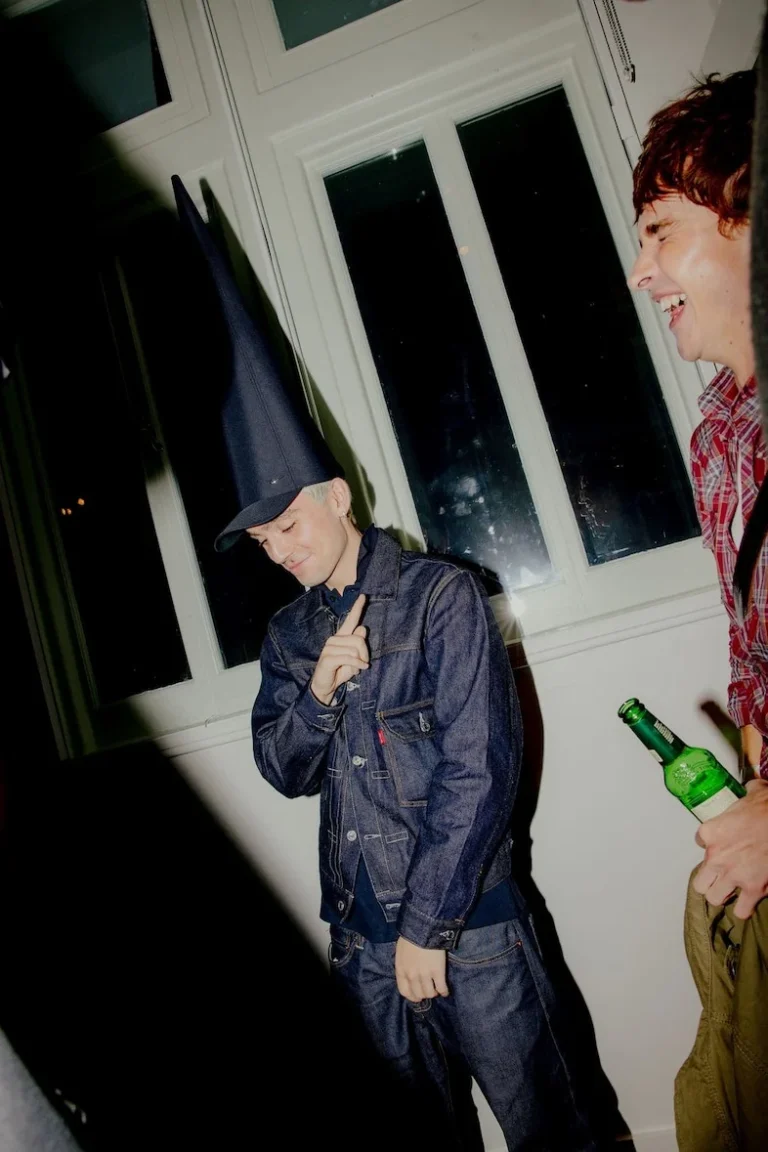
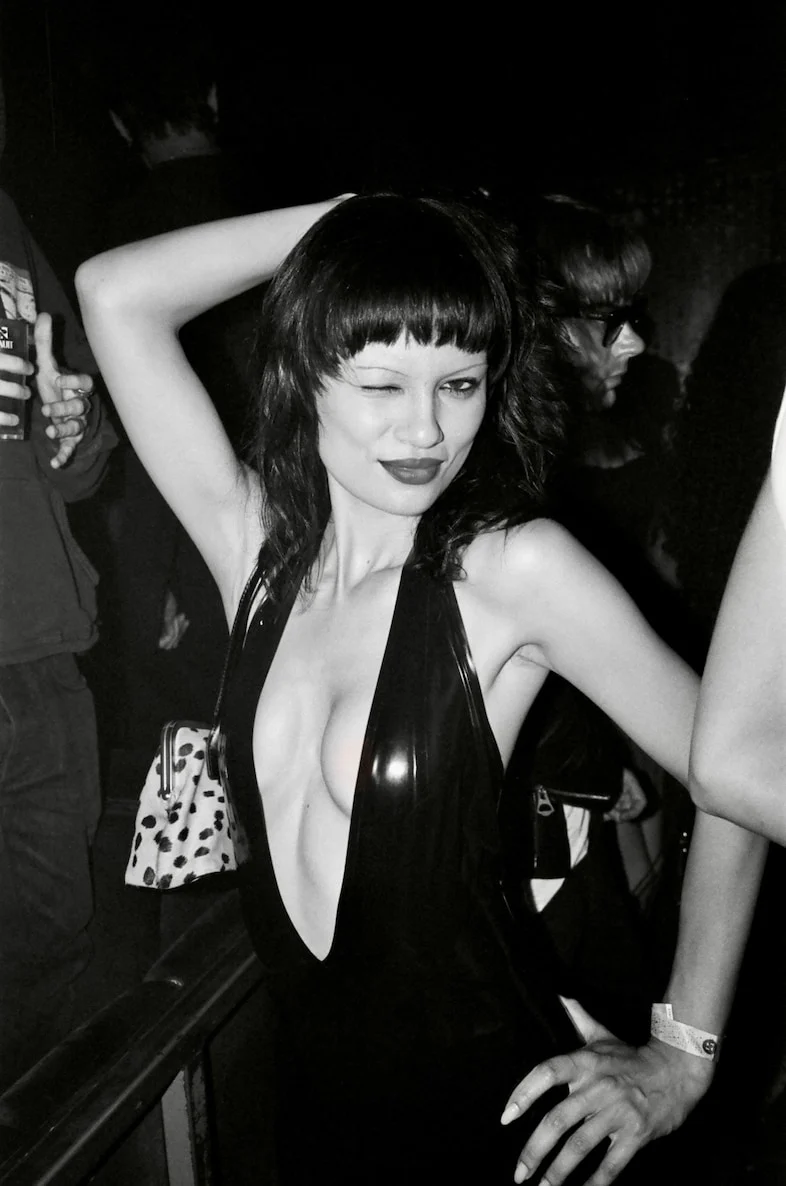
While the runways showcased the sartorial future, the after-dark parties of PFW Men’s SS27 proved to be equally, if not more, defining moments of the week. These events are far more than mere social gatherings; they are critical extensions of the fashion ecosystem, serving as vital networking hubs, platforms for emerging talent, and stages for brand activation. They foster a sense of community, allow for informal connections to be forged, and often become the breeding ground for future collaborations and trends, solidifying Paris Fashion Week’s reputation as a cultural melting pot.
The original article noted that "PFW’s wildest moments take place" at these parties, and for SS27, this sentiment rang particularly true. The energy was palpable, reflecting a collective release and a desire for authentic, uninhibited experiences after the structured formality of the shows.
A Chronology of Nocturnal Euphoria:
-
Wednesday Night: Post Party and the1989’s Street Takeover
One of the week’s most talked-about events was the Wednesday night collaboration between Post Party and the1989. Hosted in an underground bar, the event quickly became a testament to the sheer magnetic pull of PFW’s nightlife. As the hundreds-strong crowd swelled and the internal temperatures became unbearable, attendees spontaneously spilled onto the streets, transforming the pavement into an impromptu dancefloor. This unsanctioned street party, while a vibrant display of collective euphoria, inevitably led to the "chagrin of surrounding neighbours." Such occurrences highlight the perennial challenge faced by event organizers and city authorities in balancing the dynamic energy of cultural festivals with the need for public order and resident tranquility. Noise complaints and potential disruptions are common byproducts of these high-energy, late-night events, prompting ongoing discussions about urban event management and community relations in major fashion capitals. -
Thursday Night: Danceh0le’s Artistic Nexus
Thursday night brought Danceh0le, an event that drew a diverse and influential crowd, further cementing the intersection of fashion with film, music, and art. The evening saw renowned figures such as controversial French filmmaker Gaspar Noé and the enigmatic artist Lyas letting loose to a captivating DJ set by Lux Gillespie. Also spotted mingling was the iconic photographer The Cobrasnake, known for his raw, candid documentation of youth culture and nightlife. The presence of such a diverse array of creative luminaries underscored the multifaceted appeal of PFW’s after-parties, functioning as informal salons where different artistic disciplines converge and inspire. Gillespie’s set, likely a blend of electronic and experimental sounds, provided the pulsating soundtrack to an evening of creative exchange and spontaneous revelry. -
The High-Profile Fusion: Charli XCX and Madonna at Bus Palladium
Perhaps the pinnacle of celebrity-driven after-parties was the event featuring pop superstars Charli XCX and Madonna at the iconic Bus Palladium. This historic venue, with its rich musical legacy, became the backdrop for a convergence of music and fashion royalty. Such high-profile collaborations are strategic, amplifying brand visibility and blurring the lines between different cultural industries. The presence of these artists, alongside figures like model and influencer Gabbriette, transforms an industry event into a global pop-culture moment, generating immense social media buzz and extending the reach of PFW far beyond traditional fashion circles. These parties are not merely celebrations but carefully curated experiences designed to create lasting impressions and reinforce the cultural relevance of the fashion week. -
The All-Night Rager: Welcome.jpg and Grailed
The collaboration between Welcome.jpg (likely a creative agency or platform) and Grailed (a prominent online marketplace for luxury and streetwear) resulted in an "all-night rager" that celebrated the vibrant intersection of fashion, music, and digital culture. The performance by rising rapper Pz* provided a focal point, showcasing the increasing trend of integrating live music acts into fashion events. This pairing highlights the industry’s continuous effort to tap into youth culture and engage new audiences, demonstrating how fashion week extends its influence into contemporary music and online communities. These events serve as crucial platforms for emerging artists to gain exposure within influential circles, further cementing the symbiotic relationship between creative industries.
The collective atmosphere across these events was one of unbridled energy and genuine connection. Descriptions of "young Parisians snogging on the sticky dancefloor of a basement club" painted a vivid picture of the raw, unpretentious joy that permeated the city’s nightlife during PFW. The sentiment that "the SS27 after parties were some of the messiest yet" suggests a powerful release, perhaps indicative of a broader cultural moment seeking authentic, uninhibited experiences. This intensity sets a high bar, with the challenge explicitly laid down that "next season will have its work cut out if it wants to go even harder."
Broader Impact and Implications
The SS27 season of Paris Fashion Week Men’s underscored several significant implications for the fashion industry and its broader cultural context.
- Fashion as a Cultural Nexus: The blurring of lines between fashion, music, art, and nightlife solidifies PFW’s role as a major cultural festival, not just an industry trade show. The integration of diverse creative talents, from filmmakers to DJs and musicians, enriches the experience and expands the event’s appeal to a wider audience. This multidisciplinary approach reflects a contemporary understanding of luxury and lifestyle, where fashion is just one facet of a broader cultural identity.
- Economic Ripple Effects: Beyond the direct sales generated by collections, the after-parties themselves contribute significantly to the local economy. Sponsored events, brand activations, and the sheer volume of attendees boost revenue for bars, clubs, restaurants, and hospitality services in Paris. This ecosystem of events creates a powerful economic engine that extends far beyond the duration of the official shows.
- Challenges of Urban Integration: The "chagrin of surrounding neighbours" at events like the Post Party street takeover highlights the ongoing tension between large-scale cultural events and urban living. As fashion weeks become more expansive and experiential, city planners and event organizers face increasing pressure to manage noise levels, public safety, and community relations. This often leads to stricter regulations and a greater emphasis on sustainable event practices that consider local communities.
- The Future of Experiential Fashion: The competitive spirit to "go even harder" next season suggests a continued push towards more immersive and memorable experiences. Fashion weeks are evolving from mere presentations to comprehensive spectacles that engage all senses and foster deep emotional connections. This trend indicates that future seasons will likely feature even more innovative venues, interactive elements, and unexpected collaborations, cementing the experiential aspect as a core component of the fashion week model. Designers and brands are increasingly recognizing that the narrative built around their collections, particularly in the social sphere, is as important as the garments themselves.
In conclusion, Paris Fashion Week Men’s SS27 was a dynamic and multifaceted event that transcended the traditional boundaries of a fashion showcase. From the bold, gender-fluid statements on the runways of Dries Van Noten and LGN to the star-studded, uninhibited after-parties that ignited the Parisian nights, the week offered a compelling glimpse into the evolving landscape of menswear and its profound connection to broader cultural currents. It solidified Paris’s status not just as a fashion capital, but as a vibrant hub where creativity, commerce, and exhilarating nightlife converge, setting a high bar for future seasons to surpass.