








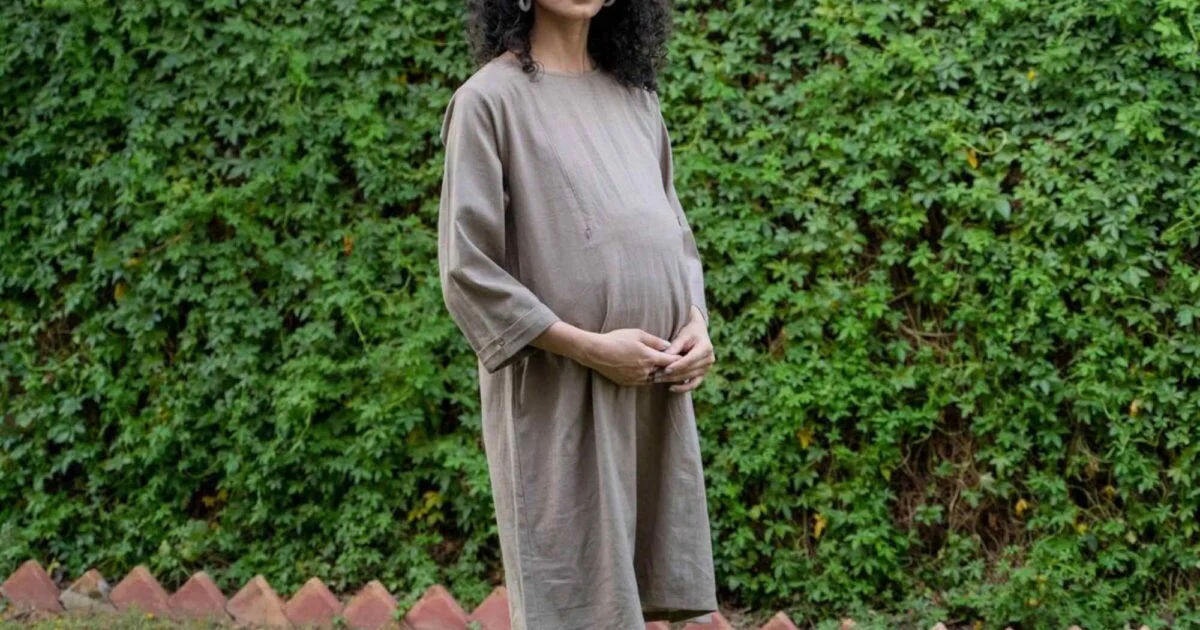
The journey through pregnancy and postpartum is transformative, demanding comfort, support, and practicality from one’s wardrobe. However, for a growing number of expectant and new parents, this period also presents a unique challenge: finding maternity and nursing clothing that aligns with deeply held ethical and sustainable values. As awareness of the fashion industry’s environmental and social footprint continues to grow, the demand for conscious consumption extends increasingly to specialized segments like maternity wear. This article delves into the evolving landscape of ethical and sustainable maternity brands, exploring the criteria that define them, highlighting leading examples, and outlining broader strategies for building a responsible and comfortable pregnancy wardrobe.
The Evolving Landscape of Maternity Fashion and Sustainability
Historically, maternity wear prioritized functionality and comfort above all else, often at the expense of environmental considerations or ethical production practices. The temporary nature of maternity clothing, typically worn for a relatively short period, often led to a "fast fashion" approach where affordability and disposability overshadowed durability and sustainability. This model contributed to significant textile waste and often relied on supply chains lacking transparency regarding labor conditions and environmental impact.
However, the broader shift towards sustainable fashion, driven by heightened consumer awareness and a global push for corporate social responsibility, has begun to reshape this niche market. Consumers are increasingly scrutinizing how their clothes are made, demanding transparency, fair labor practices, and the use of eco-friendly materials. For parents-to-be, this concern is amplified by a desire to ensure a healthier planet for their children, alongside a personal preference for garments free from harmful chemicals against their changing bodies. Industry analysts report a steady increase in consumer preference for sustainable products across various sectors, with projections indicating continued growth in the ethical fashion market. While specific data for the ethical maternity sector remains emerging, it mirrors the wider trend of conscious consumerism.
The challenge in maternity fashion is multifaceted. It requires garments that not only accommodate significant bodily changes but also offer versatility for nursing and post-pregnancy wear. Balancing these functional demands with strict ethical and environmental standards has been a complex undertaking for brands. Yet, a dedicated movement of designers and entrepreneurs is demonstrating that style, comfort, ethics, and sustainability can coexist, offering solutions for conscious parents.
Building a Sustainable Maternity Wardrobe: A Phased Approach
Before investing in new items, a strategic approach to maternity wear can significantly reduce environmental impact and cost. This involves a thoughtful consideration of existing resources and alternative acquisition methods.
Phase 1: Maximize Your Existing Wardrobe
Many garments already owned can serve effectively during the earlier months of pregnancy and even into later stages. Items such as:
- Stretchy Leggings and Jeggings: Adaptable to a growing belly, especially when paired with longer tops or tunics.
- Oversized Sweaters and Cardigans: Provide warmth and coverage without being maternity-specific.
- Wrap Dresses and Empire Waist Silhouettes: Designed to be adjustable, these styles naturally accommodate a bump and can be worn post-pregnancy.
- Flowy Tunics and Blouses: Offer room and comfort.
- Adjustable Waistbands: Skirts or trousers with elasticated or drawstring waists can be comfortable for longer than rigid alternatives.
By creatively utilizing existing pieces, parents can delay the need for specialized maternity clothing, reducing overall consumption.
Phase 2: Explore Pre-Loved and Borrowed Options
The temporary nature of maternity wear makes it an ideal category for circular fashion practices.
- Secondhand Marketplaces: Online platforms and local consignment stores are rich sources for pre-loved maternity clothing. Websites like Retykle, for instance, curate pre-owned maternity items, offering quality garments at a fraction of their original cost. This approach significantly extends the lifecycle of clothing, diverting textiles from landfills.
- Borrowing Networks: Engaging with friends, family, or community groups who have recently been pregnant can provide a wealth of suitable garments. This fosters a sense of community and dramatically reduces individual consumption.
- Maternity Rental Services: An emerging trend, fashion rental services are increasingly offering specialized maternity wardrobes. This allows access to a variety of styles for the duration of pregnancy and nursing without the commitment of purchase, further promoting circularity.
Phase 3: Invest Wisely in New Ethical Pieces
When new purchases become necessary, prioritizing brands committed to ethical and sustainable practices ensures that these investments support a healthier industry and planet. The criteria for identifying such brands typically include:
- Material Sourcing: Preference for lower-impact materials such as organic cotton, linen, hemp, Tencel, recycled polyester, and modal. These materials often require less water, fewer pesticides, and are generally more biodegradable.
- Manufacturing Ethics: Adherence to fair labor practices, including living wages, safe working conditions, and no child labor. Certifications like Fairtrade and GOTS (Global Organic Textile Standard) provide independent verification.
- Design for Longevity and Versatility: Garments designed to be worn before, during, and after pregnancy, often featuring adaptable cuts, nursing access, and durable construction.
- Transparency: Brands openly sharing information about their supply chains, material origins, and manufacturing partners.
- Waste Reduction: Practices like made-to-order production, utilizing deadstock fabrics, and offering recycling programs for worn-out garments.
- Animal Welfare: Brands committed to avoiding animal-derived materials or ensuring ethical sourcing for any animal products used.
Spotlight on Leading Ethical and Sustainable Maternity Brands
Several brands have emerged as leaders in the ethical maternity space, meticulously curated by platforms like Good On You for their commitment to people, the planet, and animals.
Dedicated Maternity & Nursing Brands:
-
SeamsFriendly: This brand exemplifies customizability and conscious craftsmanship. SeamsFriendly creates tailored pieces using lower-impact materials like organic cotton and linen. Their unique selling proposition is the ability for shoppers to customize designs to their exact preferences—from neck style and depth to sleeve and garment length, and even fabric choice. This made-to-order model significantly reduces waste associated with mass production and caters to an inclusive range of body types, offering extensive sizing from bust 26"-70" and waist 19"-63" for womenswear, including petite, regular, and tall heights. They also cater to menswear and children’s sizes, ensuring a perfect fit for every family member. The emphasis on natural fabrics and artisanal production ensures comfort and a reduced environmental footprint.
-
Underprotection: Hailing from Denmark, Underprotection seamlessly blends ethics with aesthetics, specializing in underwear, loungewear, and swimwear. For expectant and nursing parents, their comfortable and stylish pieces, crafted from lower-impact materials like organic cotton, are ideal. The brand’s commitment extends to its entire supply chain: all packaging, paper, and polybags are either recycled or biodegradable. They exclusively partner with certified factories, upholding the belief that "fair working conditions and fair wages are human rights." Underprotection celebrates women of all kinds, aiming to provide comfort and beauty, with products available in sizes XS-XL.
-
Sorella Organics: This Australian brand offers a certified organic sleepwear range that includes tops, pants, wraps, nighties, and dedicated maternity wear. Founder Anna McGregor’s background in international human rights work is evident in the brand’s commitment to Fairtrade certified cotton. This ensures strict social standards are met throughout production and trading, guaranteeing fair wages and safe conditions for workers. Sorella Organics proves that ethical production doesn’t have to come with an exorbitant price tag, making sustainable comfort accessible in sizes S-XL.
-
Subset (Knickey): Formerly Knickey, Subset is a US-based brand renowned for its organic cotton underwear. Manufactured in Fairtrade certified factories, their products are celebrated for their quality and ethical credentials. Going beyond production, Subset has innovated a unique recycling program: they partner with an NYC non-profit to recycle old undergarments, transforming the fibers into insulation and rug pads. This initiative tackles textile waste head-on, offering consumers a responsible way to dispose of old items while making space for new, ethically produced sets. Their inclusive sizing ranges from 2XS-4XL.
-
Eco Intimates: Another Australian brand, Eco Intimates focuses on organic cotton lingerie, intimates, and sleepwear. Designed for women who prioritize both their bodies and the Earth, their range offers gentle, breathable options. The loungewear is available in XS-2XL, with some lingerie extending up to 4XL.
-
BJ’s PJs: This Australia-based brand was founded on the mission to create minimal, comfortable, and supportive lounge and sleepwear using lower-impact materials. They prioritize local manufacturing to reduce shipping impacts and trace most of their supply chain, offering sizes XS-4XL. Their focus on comfort and responsible production makes them a strong choice for maternity and post-maternity lounging.
-
Q for Quinn: While not exclusively maternity, Q for Quinn offers sustainable, non-toxic, and eczema-friendly clothing for all ages, using organic, responsibly sourced materials. Their gentle fabrics and commitment to health make them suitable for sensitive skin during pregnancy and nursing.
Adaptable Non-Maternity Brands:
Several ethical brands, while not having dedicated maternity lines, offer styles and materials that are inherently adaptable to a changing body.
-
Christy Dawn: This US brand is a minimalist showroom for vintage-inspired women’s clothing and footwear, locally made with surplus (deadstock) fabric. Their flowy, relaxed silhouettes, such as "The Dawn Dress," are often suitable for various stages of pregnancy and can be easily worn postpartum. The use of deadstock fabric is a significant sustainability practice, reducing textile waste. Christy Dawn offers standard sizes XS-XL, alongside Extended and Petite collections.
-
Indilisi: With a strong focus on heritage crafts and handweaving, Indilisi creates clothing using surplus fabrics sourced from deadstock material. Their artisanal approach and commitment to transparency and waste reduction result in unique, thoughtfully made garments that can often be comfortably worn during pregnancy due to their generous cuts and natural fabrics.
-
Oobi: Primarily an Australian brand for girls’ fashion, swimwear, and homewares, Oobi also offers some women’s pieces. Their commitment to low-impact, non-toxic dyes, avoidance of animal products, and use of sea freight for transport highlights their environmental consciousness. While their women’s collection might not be explicitly maternity, their often loose and comfortable designs, like resort dresses, can be adaptable.
-
Seek Collective: This US brand is dedicated to transparency, authenticity, craft, and sustainability. Their items are made in India through partnerships with like-minded communities, focusing on thoughtful production. Many of their designs, characterized by relaxed fits and natural fabrics, can accommodate a growing bump. They offer most products in XS-L, with an extended sizing range up to 4XL.
-
Petit Pli: While focused on children’s clothing, Petit Pli’s innovative approach to design is worth noting. They create award-winning clothes engineered to grow with children, blending aerospace innovation with ethical manufacturing. This philosophy of longevity and adaptability, even if for a different demographic, underscores a core principle of sustainable fashion: making items that last and adapt, reducing the need for constant replacement.
Broader Implications and the Future of Ethical Maternity Wear
The growth of ethical and sustainable options in maternity wear carries significant implications.
Environmental Impact: By choosing brands committed to lower-impact materials and waste reduction, consumers directly contribute to reducing textile pollution, water consumption, and carbon emissions. The emphasis on durability and versatility extends garment lifespans, combating the throwaway culture of fast fashion.
Social Impact: Supporting brands with transparent supply chains and fair labor practices empowers workers in the garment industry, ensuring they receive living wages and work in safe conditions. Many of these brands also champion artisanal crafts, preserving traditional skills and supporting local economies.
Economic Impact: While ethical and sustainable items may sometimes have a higher initial price point, their durability, versatility, and potential for resale or donation often make them a more cost-effective choice in the long run. Investing in fewer, higher-quality pieces reduces the need for frequent replacements.
Consumer Empowerment: Platforms like Good On You play a crucial role in empowering consumers by providing comprehensive ratings of fashion and beauty brands’ impact on people, the planet, and animals. This transparency enables parents to make informed choices that align with their values, fostering a sense of agency in their purchasing decisions.
The future of ethical maternity wear appears promising. As consumer demand continues to rise, more brands are expected to enter this space, bringing further innovation in sustainable materials, production methods, and circular economy initiatives. Challenges remain, particularly in making ethical options universally affordable and accessible, but the momentum towards a more responsible fashion industry, including its specialized segments, is undeniable. Expectant and new parents are increasingly able to curate wardrobes that not only provide comfort and style during a special time but also reflect a deep commitment to the well-being of the planet their children will inherit.