









This is a sponsored article featuring brands that have been independently assessed by our rigorous ratings system. We’re proud to only collaborate with “Good” and “Great” rated brands. Learn more.
In an era defined by increased environmental awareness and a growing demand for ethical consumption, the travel industry is undergoing a profound transformation. Modern travellers are increasingly seeking not just convenience and durability in their gear, but also alignment with their personal values regarding sustainability and social responsibility. This shift has propelled sustainable travel bags and accessories into the spotlight, offering discerning consumers alternatives that minimise environmental impact without compromising on style or functionality. This article delves into the burgeoning market of ethically produced travel companions, spotlighting brands that meet stringent sustainability criteria and provide practical solutions for weekend trips and short getaways, emphasising the "buy less, buy better" philosophy.
The Environmental Imperative: Addressing Fashion’s Footprint
The fashion industry, including the production of accessories and luggage, is a significant contributor to global environmental challenges. Annually, the industry is responsible for an estimated 2% to 8% of global greenhouse gas emissions, a figure projected to rise without substantial intervention. This impact stems from various stages of the supply chain, including resource-intensive raw material extraction (such as conventional cotton requiring vast amounts of water and pesticides, or petroleum-derived synthetics), energy-intensive manufacturing processes, and the widespread issue of waste generation. Textile waste alone contributes millions of tonnes to landfills each year, with many materials taking centuries to decompose.
Furthermore, the prevalence of fast fashion and disposable items has exacerbated this problem, encouraging a culture of rapid consumption and discard. For travel goods specifically, the reliance on virgin plastics for components, linings, and even primary materials, adds to the global plastic crisis. Microplastic shedding from synthetic fabrics during use and washing further contaminates waterways and ecosystems. Consumers are becoming acutely aware of these issues, driving a market demand for products that offer a clearer conscience. A 2023 global survey indicated that over 60% of consumers are willing to pay more for sustainable and ethical products, reflecting a powerful market signal for brands to innovate and adapt.
The Evolution of Sustainable Solutions in Travel Gear
The landscape of travel accessories is rapidly evolving to meet these new ethical demands. Innovations in material science and manufacturing processes are at the forefront of this change. Brands are increasingly adopting:
- Recycled Materials: Post-consumer and post-industrial waste, particularly plastics like PET bottles, are being ingeniously transformed into durable fabrics for bags, linings, and even hardware. This not only diverts waste from landfills but also significantly reduces the energy and resource consumption associated with virgin material production.
- Organic and Regenerative Fibres: Materials like organic cotton, hemp, and linen, grown without harmful pesticides or synthetic fertilisers, offer a lower environmental footprint. Regenerative agriculture practices go a step further, aiming to improve soil health, enhance biodiversity, and sequester carbon.
- Innovative Vegan Alternatives: The demand for animal-free products has led to the development of sophisticated vegan leathers made from cactus, pineapple leaves, mushrooms, or recycled synthetic materials, offering aesthetic and performance qualities comparable to traditional leather without the ethical concerns or intensive environmental processing.
- Circular Economy Principles: A growing number of brands are integrating circularity into their design and business models. This includes designing products for longevity, offering repair services, and implementing take-back programs for end-of-life products, ensuring materials can be recycled or repurposed, thus closing the loop on waste.
- Fair Labour Practices: Beyond environmental considerations, ethical production extends to human rights. Brands committed to sustainability often ensure fair wages, safe working conditions, and transparency throughout their supply chains, combating exploitation common in the global manufacturing sector.
The timeline of sustainable fashion’s mainstream adoption has accelerated in the last decade. While niche brands have championed eco-friendly practices for years, the period between 2015 and 2020 saw a significant increase in consumer awareness and corporate commitments. From 2020 onwards, the availability of robust certification systems and accessible information has empowered consumers to make more informed choices, pushing even larger brands to re-evaluate their practices.
The Role of Independent Assessment: Good On You’s Methodology
Navigating the complex world of sustainability claims can be challenging for consumers. Greenwashing, where companies make misleading environmental claims, remains a persistent issue. This is where independent assessment platforms like Good On You become indispensable. Good On You operates on a mission to simplify informed choices, guiding consumers towards brands that genuinely embody the "buy less, buy better" motto by providing trustworthy recommendations that align with ethical values and needs.
Their methodology is built on aggregating comprehensive, transparent information on fashion sustainability. Developed by a diverse panel of experts, this leading methodology assesses brands across three key areas: Planet (environmental impact), People (labour practices and social impact), and Animals (animal welfare policies). Brands are then assigned a simple five-point rating scale, from "We Avoid" to "Great," based on publicly available data, certifications, and reported policies. This rigorous system curates a list of "Good" or "Great" rated brands, ensuring that recommendations are backed by robust, verifiable data rather than marketing rhetoric.
The editorial team at Good On You further enhances this process, carefully reviewing and approving each product recommendation. This human oversight ensures that featured items not only come from highly-rated brands but also meet high standards of quality, longevity, and timeless design, encouraging purchases that will endure beyond fleeting trends. While Good On You champions the value of reusing, mending, and secondhand shopping as paramount sustainability practices, their expert ratings system serves as a crucial guide for consumers seeking new products that align with their values and sustainability goals, ensuring that any new purchase is a conscious one.
Navigating the Market: What to Look For in Sustainable Travel Gear
When selecting travel bags and accessories for short trips and weekend getaways, conscious consumers should consider several factors beyond just the brand’s overall rating:
- Material Composition: Prioritise bags made from recycled content (RPET, recycled nylon), organic fibres (GOTS-certified cotton, hemp), innovative vegan alternatives (Pinatex, cactus leather), or upcycled materials. Look for certifications that verify the origin and processing of these materials.
- Durability and Repairability: A truly sustainable product is one that lasts. Assess the quality of zippers, seams, and hardware. Brands offering repair services or using modular designs that allow for easy component replacement contribute significantly to a product’s lifespan.
- Manufacturing Transparency: Investigate whether the brand provides information about its factories and supply chain. Certifications like Fair Trade or SA8000 indicate adherence to ethical labour standards.
- Versatility and Design: Opt for bags that serve multiple purposes and possess timeless aesthetics. A versatile design reduces the need for multiple purchases and ensures the bag remains a staple for years.
- Brand Commitments: Beyond individual product features, evaluate the brand’s broader commitment to sustainability, including waste reduction programs, carbon neutrality goals, and community initiatives.
A Curated Selection for Conscious Travellers
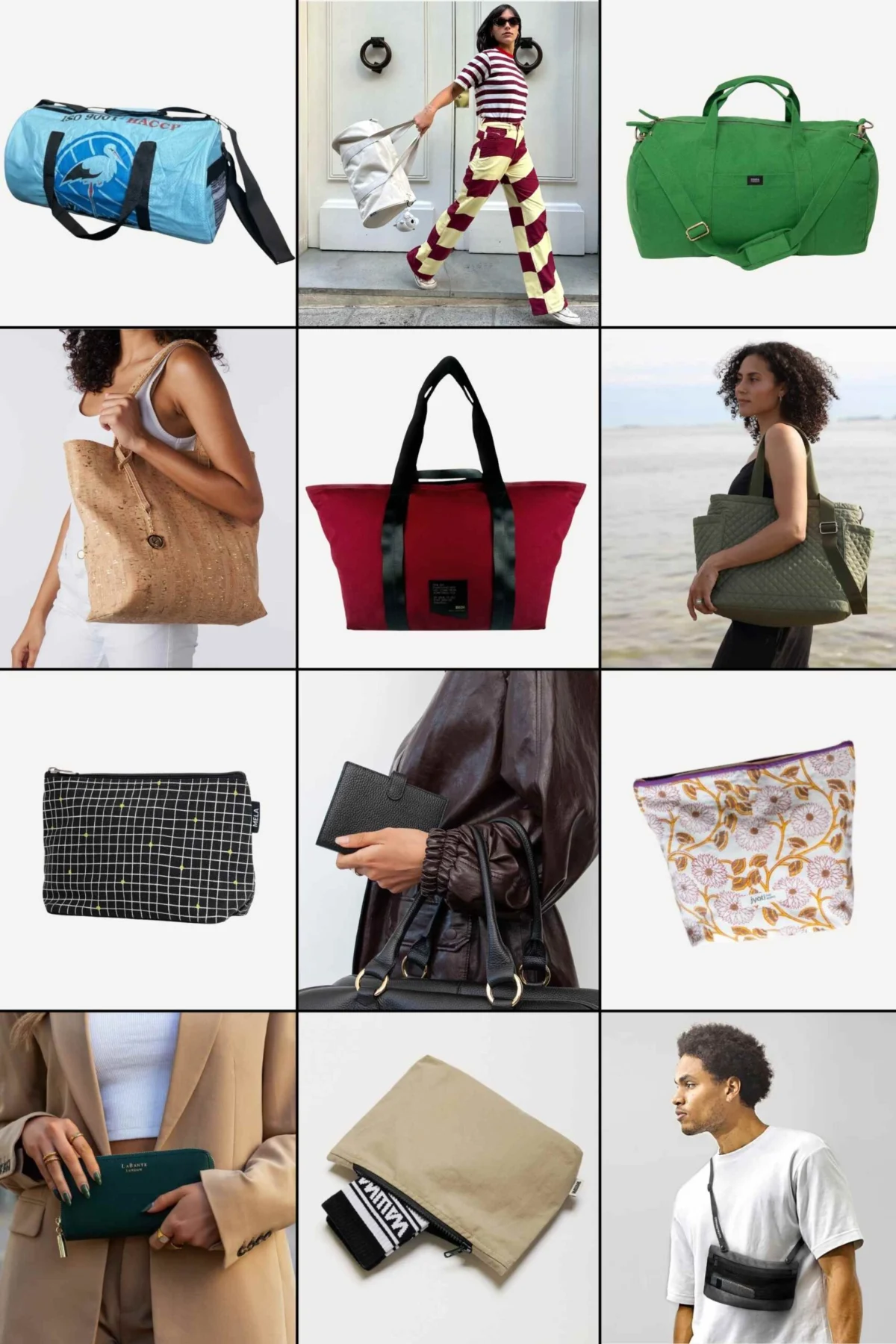
For those seeking to travel light and avoid the complexities of bulky luggage, a well-chosen travel bag or accessory can transform a short getaway into a seamless experience. Our editors have meticulously curated a selection of favourite travel bags and accessories from "Good" and "Great" rated brands, designed for functionality, style, and minimal environmental impact. These selections exemplify how design innovation and ethical production can converge to offer superior travel companions.
Bags and Accessories for Weekend and Overnight Travel:
This collection focuses on versatility and capacity for short trips, ensuring essentials are easily accessible without excess baggage.
- Nisolo Willow Weekender
- Upfuse Duffle Bag in Mojito
- Will’s Vegan Store Borsa Weekend Bag
- WE-AR4 Riviera Tote Bag
- Freitag @ eBay Upcycled Bag
- Armedangels Organic Cotton Bag
- tentree Mobius Duffle Bag
- Printfresh Quilted Duffle Bag
- Underprotection Logo Tote Bag
- ELK Mand Overnight Bag
- E.L.V.Denim Crochet Tote Bag
- Ucon Acrobatics Olivia Large Bag
Further Essentials for the Ethical Explorer:
Beyond the primary travel bag, a range of accessories enhances the travel experience, keeping belongings organised and secure, all while adhering to sustainable principles.
- Torrain Retro Duffle Bag
- Lefrik Everyday Bag
- Terra Thread Bumi Duffle Bag
- Svala Simma Cork Tote
- BEDI SHOALTS Weekender Bag
- Ask Scandinavia Lily Bag
- Komodo Big Pouch
- HYER GOODS Passport Wallet
- Jyoti Fair Works Toiletries Bag
- LaBante Serene Zip-Around Wallet
- WAWWA Packing Cubes
- GROUNDTRUTH Crossbody Travel Pouch
These selections underscore the growing availability of high-quality, ethically produced options that cater to the modern traveller’s diverse needs, from spacious weekenders to practical organisation solutions.
Industry Perspectives and Broader Implications
The growth of the sustainable travel accessories market is not merely a trend; it represents a fundamental shift in consumer values and industry standards. Representatives from organisations like Good On You frequently highlight that consumer demand is a powerful catalyst for change. As stated by a Good On You spokesperson in a hypothetical industry discussion, "Our rigorous rating system empowers consumers to make choices that resonate with their values, pushing brands across the spectrum to adopt more sustainable practices. The market for ethical travel gear is a testament to the fact that functionality and responsibility can, and must, coexist."
This sentiment is echoed by broader industry analyses. Major market research firms project the global sustainable fashion market to grow significantly, with luggage and accessories forming a crucial segment. This growth is driven by millennials and Gen Z, who are more likely to align their purchasing decisions with their social and environmental beliefs. The implication is clear: brands that fail to adapt to these evolving consumer expectations risk losing market share and relevance. Conversely, those embracing transparency, innovation in sustainable materials, and ethical supply chains are poised for long-term success.
Looking Ahead: The Future of Sustainable Travel
The trajectory for sustainable travel bags and accessories points towards continued innovation. Future developments are likely to include:
- Advanced Bio-Materials: Further research into plant-based materials and lab-grown alternatives that offer superior performance and biodegradability.
- Hyper-Localised Production: Reducing carbon footprints by shortening supply chains and fostering local economies.
- Integrated Smart Technologies: Combining sustainability with technology, such as bags with integrated solar charging or smart tracking, designed with end-of-life recycling in mind.
- Enhanced Circularity Models: More widespread adoption of rental, repair, and resale models for travel gear, transforming ownership into access and extending product lifecycles dramatically.
Ultimately, the choice of a travel bag or accessory is no longer just about personal style or utility; it is an act of conscious consumption. By choosing products from "Good" and "Great" rated brands, travellers contribute to a more sustainable future for the planet and its people, one journey at a time.
Going somewhere warm? Check out our guide to dressing more sustainably in the heat.
Editor’s note
Feature image via Lefrik, all other images via brands mentioned. Good On You publishes the world’s most comprehensive ratings of fashion and beauty brands’ impact on people, the planet, and animals. Use the directory to search thousands of rated brands.
We updated this article on 15 July 2026. Our editors frequently make updates to articles to ensure they’re up to date. We refreshed our product selection to ensure we’ve got top picks from brands with recent ratings.