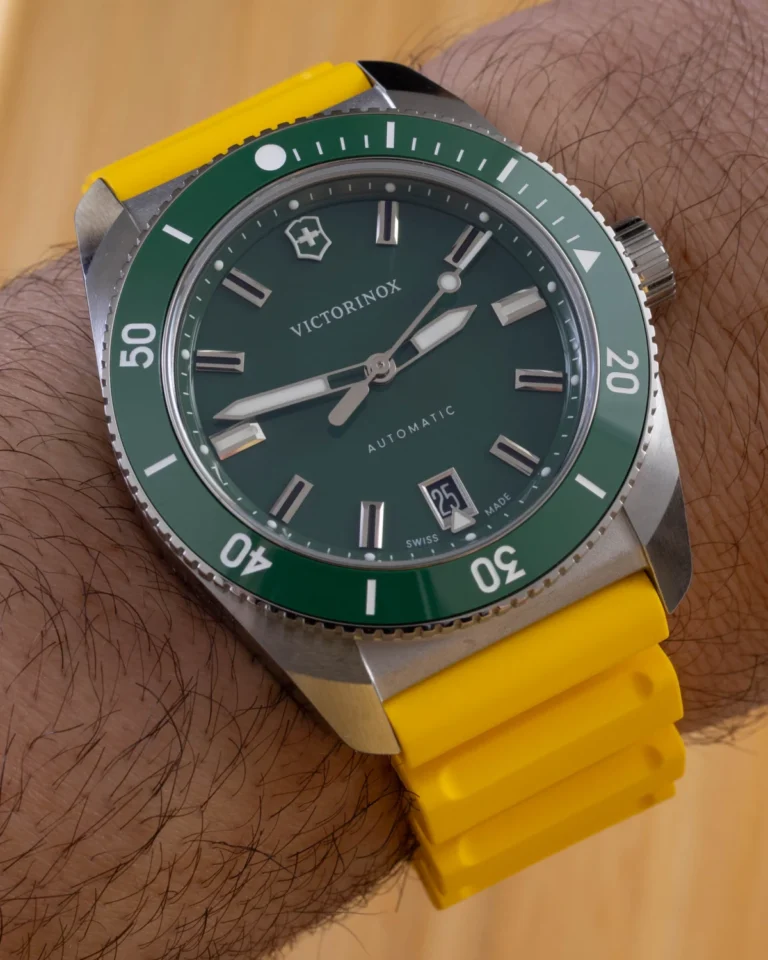












The modern watch auction industry is undergoing a structural transformation, driven by a shift in collector demographics, the integration of digital-first sales platforms, and an increasing emphasis on lifestyle-oriented curation. This transition was the primary focus of a recent episode of the Superlative Podcast, featuring Ariel Adams and Nate Borgelt, the current Head of Watches at Joopiter. Borgelt, whose career spans two decades at the industry’s most prestigious traditional auction houses, provided a detailed look at how the secondary market is moving away from purely institutional models toward more dynamic, community-driven commerce.
A Career Forged in Legacy Auction Houses
To understand the current state of the watch market, one must examine the institutional foundations upon which it was built. Nate Borgelt’s professional trajectory offers a microcosm of the auction industry’s evolution over the last twenty years. His career began within the established hierarchy of traditional auction houses, serving in roles at Christie’s, Patrizzi & Co., Antiquorum, and Sotheby’s.
During the late 2000s and early 2010s, these firms served as the gatekeepers of the horological world. The business model was predominantly physical, relying on prestigious salerooms in Geneva, Hong Kong, and New York. Collectors were generally limited to a small circle of high-net-worth individuals who relied on catalogs and specialized experts to navigate the provenance of rare timepieces. Borgelt noted that his formative years were spent under the mentorship of industry veterans who prioritized the technical specifications and historical rarity of watches above all else. This era established the benchmarks for "investment-grade" horology, centered almost exclusively on a handful of blue-chip manufacturers, most notably Patek Philippe and Rolex.
The Rise of Joopiter and the Pharrell Williams Influence
In recent years, the market has seen the emergence of "digital-native" auction houses that challenge the traditional, often opaque, auction process. Joopiter, founded by visionary polymath Pharrell Williams, represents a departure from the historical auction model. Unlike heritage houses, which often separate luxury categories into silos, Joopiter integrates watches into a broader cultural conversation that includes contemporary art, fashion, and design.
Borgelt’s transition to Joopiter signals a pivot toward accessibility. The house utilizes a high-tech, online-first platform that removes the intimidation factor often associated with traditional auction environments. By leveraging Pharrell Williams’ brand equity, Joopiter successfully attracts a younger, globally distributed generation of collectors who are more interested in the narrative and aesthetic appeal of a piece than solely its movement architecture or historical production numbers. This approach reflects a broader trend in luxury goods, where the "storytelling" aspect of an object is increasingly as valuable as its technical merit.
Shifting Collector Demographics and Market Data
Data from the secondary watch market indicates a significant migration of buying power. According to industry reports from organizations such as Deloitte and various market research firms, the secondary watch market is projected to reach approximately $30 billion by 2025. A substantial portion of this growth is driven by millennials and Gen Z collectors who prioritize "liquidity, transparency, and social connectivity."
Social media platforms, particularly Instagram, have become the primary discovery engines for these collectors. Unlike previous generations that relied on specialized publications, today’s buyers engage with peer-to-peer forums, influencer-led content, and digital watch communities. Borgelt emphasized that this shift requires auction houses to change how they present their inventory. It is no longer sufficient to merely list a reference number and a condition report; auctioneers must now provide extensive context, lifestyle photography, and digital-first experiences that mirror the speed and visual quality of social media.

The Challenge of Diversification
One of the most pressing challenges identified in the discussion is the over-concentration of market interest in a few specific brands. For decades, the "Big Two"—Rolex and Patek Philippe—have dominated auction results, often accounting for the majority of top-tier sales. While these watches are objectively significant, this narrow focus risks stagnating the market and pricing out new collectors.
Borgelt highlighted the difficulty and necessity of "narrative curation." By placing less-heralded brands—such as independent watchmakers or neo-vintage pieces from the 1990s—alongside iconic objects, auction houses can help broaden the scope of what is considered "collectible." This strategy aims to educate buyers on the merits of watches that do not carry the traditional brand recognition but offer high artistic value. By curating sales that prioritize the "curiosity" of the piece over its brand status, Joopiter and similar platforms are attempting to stabilize the market and prevent the volatility associated with speculative bubbles.
The Role of Provenance in Private Sales
Provenance has always been the currency of the auction world, but its definition is expanding. Traditionally, provenance meant a record of ownership or technical history. Today, it increasingly encompasses the "cultural biography" of the object. Watches owned by significant figures in sports, music, or film carry a premium that transcends the item’s intrinsic value.
Borgelt noted that Joopiter’s success is largely tied to its ability to secure private consignments that come with a strong personal story. The intimacy of these sales creates a different dynamic compared to large-scale, impersonal auctions. When a collector understands the personal history of a piece—who wore it, where it was worn, and why it mattered to the owner—the emotional connection increases, often leading to more robust bidding activity. This focus on the "human element" is a strategic move to differentiate from larger houses that may lack the agility to manage such specialized, story-driven consignments.
Future Implications for the Auction Industry
The implications of this shift are profound for the broader horological industry. Traditional houses are already responding by digitizing their platforms and hiring experts with broader cultural backgrounds. However, the move toward a more "approachable" market is not without its risks. Increased accessibility can sometimes lead to lower barriers to entry, which may result in less rigorous vetting processes if not managed correctly.
Furthermore, the industry is balancing the tension between digital efficiency and the necessity of physical inspection. Even in a world of high-definition imagery and AI-driven authentication, the tactile experience of holding a watch remains a cornerstone of the collecting hobby. Joopiter and its competitors must bridge the gap between digital convenience and the physical reality of horology.
As Nate Borgelt continues his work at Joopiter, the broader market will likely continue to evolve toward a more fragmented, diverse, and tech-heavy ecosystem. The era of the "gatekeeper" auction house is being replaced by the era of the "curator," where the value proposition is defined not just by the object, but by the community, the narrative, and the cultural context surrounding it. For the modern collector, this represents a new frontier, one that favors those who look beyond the status quo and embrace the multifaceted nature of contemporary watch collecting.
The integration of watch sales into the wider luxury lifestyle—as evidenced by the success of platforms that blend music, art, and timepieces—suggests that the future of the watch market will be increasingly intertwined with global popular culture. As these boundaries blur, the traditional distinctions between a luxury item and a cultural artifact will continue to fade, fundamentally altering the way the next generation of collectors interacts with the history of timekeeping.