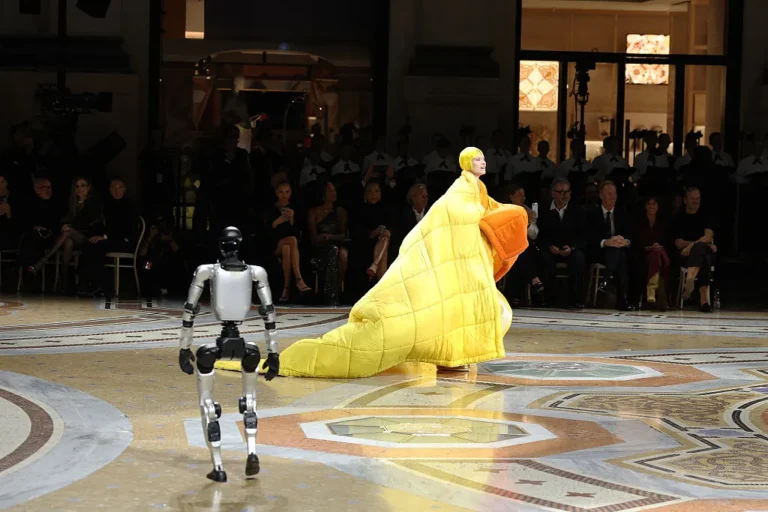











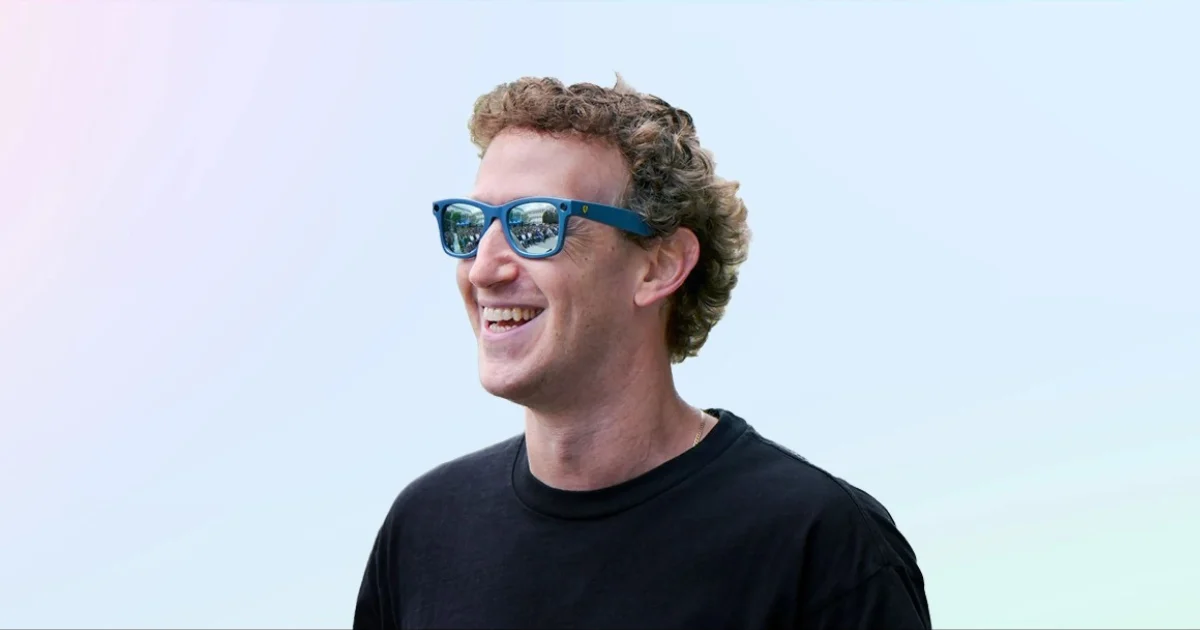
The intersection of Silicon Valley technology and European high fashion reached a new focal point this week as Meta Platforms Inc. CEO Mark Zuckerberg and his wife, Priscilla Chan, were observed in the front row of Prada’s Fall/Winter 2026 Fashion Week show in Milan. The appearance has intensified industry speculation that Meta is preparing to unveil a luxury tier of its artificial intelligence-integrated smart glasses in partnership with the iconic Italian fashion house. During the event, Zuckerberg was seen in close conversation with Lorenzo Bertelli, Prada’s Chief Merchandising Officer and the son of head designer Miuccia Prada, suggesting a high-level strategic alignment between the social media giant and the luxury brand.
While Meta has historically focused on the functional and athletic segments of the wearable market, the presence of its chief executive at a premier fashion event underscores a broader shift in the company’s hardware strategy. Analysts suggest that the move toward a Prada-branded device is not merely an aesthetic choice but a calculated effort to embed Meta’s AI ecosystem into the lucrative luxury goods sector.
A Strategic Shift: The Milan Appearance and Brand Reimagining
Mark Zuckerberg’s presence in Milan marks a significant milestone in what many observers describe as a multi-year effort to rebrand both his personal image and Meta’s corporate identity. In recent years, Zuckerberg has transitioned from the utilitarian "hoodie and jeans" aesthetic associated with early Facebook to a more curated, fashion-conscious persona. This shift coincides with Meta’s attempts to position its hardware products as lifestyle accessories rather than just technical peripherals.
The interaction with Lorenzo Bertelli is particularly noteworthy. Bertelli has been instrumental in Prada’s digital transformation and its focus on sustainability and innovation. A collaboration between Meta and Prada would represent a marriage of Meta’s advanced AI software and EssilorLuxottica’s manufacturing prowess with Prada’s global prestige. Although Meta has not officially confirmed the partnership, the groundwork for such a deal has been visible for several months. In the summer of 2025, reports first surfaced indicating that Prada-branded AI glasses were in development, following the successful integration of Meta’s technology into the Ray-Ban and Oakley lines.
The Evolution of Meta’s Wearable Hardware
The trajectory of Meta’s smart glasses began with the 2021 launch of "Ray-Ban Stories," a first-generation device that focused primarily on photography and audio. While the initial reception was modest, the partnership with EssilorLuxottica—the French-Italian eyewear conglomerate that owns Ray-Ban, Oakley, and holds the licenses for Prada eyewear—provided Meta with the retail infrastructure and design expertise necessary to scale.
By 2023 and 2024, the product evolved into the "Ray-Ban Meta" collection, which integrated Meta AI, allowing users to interact with a voice assistant and broadcast live video to social platforms. The commercial momentum of these devices saw a dramatic upswing in 2025. According to recent data released by EssilorLuxottica, the company sold over 7 million units of Meta AI-integrated glasses in 2025, a nearly fourfold increase from the 2 million units sold in 2024.
This sales growth was bolstered by the introduction of Oakley Meta glasses, which targeted the "athleisure" and performance sports markets. However, the high-fashion segment remains an untapped frontier for Meta. A Prada collaboration would allow Meta to command higher price points and appeal to a demographic that prioritizes brand heritage and exclusivity over raw technical specifications.
Chronology of the Meta-EssilorLuxottica Partnership
The relationship between Meta and the world’s largest eyewear company has solidified through a series of strategic extensions:
- September 2021: Launch of Ray-Ban Stories, marking Meta’s first major foray into branded consumer eyewear.
- October 2023: Release of the second-generation Ray-Ban Meta glasses, featuring improved cameras and integrated Meta AI.
- June 2025: Initial reports emerge suggesting that Meta is expanding its partnership with EssilorLuxottica to include luxury brands like Prada.
- September 2025: Launch of Oakley Meta glasses, diversifying the portfolio into the athletic sector.
- February 2026: Mark Zuckerberg’s high-profile attendance at Prada’s Milan show, coinciding with the renewal of Prada’s licensing deal with EssilorLuxottica.
The current licensing agreement between the Prada Group and EssilorLuxottica, which includes the Prada and Miu Miu brands, was recently extended through December 31, 2030, with an option for further renewal until 2035. This long-term stability provides a secure foundation for the multi-year development cycles required for AI-integrated hardware.
Market Analysis: Why High Fashion Matters for AI
For Meta, the move into the luxury market is a response to the "glass-hole" stigma that plagued earlier attempts at smart eyewear, such as Google Glass. By partnering with established fashion houses, Meta ensures that the hardware is socially acceptable—and even desirable—as a fashion statement.
Industry analysts point out that the luxury market is less sensitive to economic volatility and more focused on the "experience" of a product. A Prada version of Meta’s glasses would likely feature premium materials, exclusive finishes, and perhaps specialized AI features tailored to the luxury consumer, such as concierge-style assistance or fashion-focused computer vision.
Furthermore, the "halo effect" of a Prada partnership could elevate the perception of Meta’s more affordable Ray-Ban and Oakley lines. If the world’s fashion elite are seen wearing Meta-powered frames, it validates the technology as a standard component of modern eyewear rather than a niche gadget for tech enthusiasts.
Privacy Concerns and the "Surveillance" Backlash
Despite the commercial success and the glamour of Milan Fashion Week, Meta’s expansion of smart glasses faces significant societal and regulatory headwinds. As these devices become more ubiquitous, a growing segment of the population has expressed concerns regarding privacy and the normalization of constant surveillance.
Recent months have seen a documented increase in consumer backlash against connected devices. Incidents of citizens disabling or destroying surveillance infrastructure, such as Ring doorbells and Flock license-plate recognition cameras, have become more frequent. In this climate, the prospect of millions of people wearing cameras on their faces has drawn scrutiny from privacy advocates.
The controversy was further ignited by reports that Meta is considering adding facial-recognition capabilities to its smart glasses. While such a feature would offer significant utility—such as identifying people at a networking event—it raises profound ethical questions regarding consent. Critics argue that smart glasses turn every wearer into a mobile surveillance hub, potentially infringing on the privacy of individuals in public spaces who have no way of knowing if they are being recorded or identified.
In response to these concerns, the developer community has begun creating counter-technologies. One recently released application claims to warn users if a pair of active smart glasses is detected in their immediate vicinity by scanning for specific Bluetooth or Wi-Fi signatures associated with the devices.
The Path to October 2026
The timing of Zuckerberg’s Milan visit suggests that an official announcement could be on the horizon, potentially coinciding with Meta’s major autumn product cycles. TechCrunch is scheduled to host its flagship event in San Francisco from October 13-15, 2026, which has historically served as a platform for significant industry updates.
As Meta continues to refine its AI capabilities, the integration of multimodal AI—where the glasses can "see" what the wearer sees and provide real-time context—will be the primary selling point. Whether the luxury consumer is willing to trade privacy for the convenience of a Prada-branded AI assistant remains the central question for the project’s long-term viability.
Conclusion
The potential launch of Prada Meta AI glasses represents more than just a new product line; it is a testament to the convergence of diverse industries in the age of artificial intelligence. By aligning with EssilorLuxottica and Prada, Meta is attempting to navigate the complex waters of consumer electronics, high fashion, and social ethics.
If successful, Meta could establish a dominant position in the next generation of personal computing, moving the interface from the pocket to the face. However, the company must balance its hardware ambitions with the increasing public demand for privacy and the ethical use of AI. As Zuckerberg departs Milan, the tech and fashion worlds alike await the next move in a partnership that could redefine the "look" of intelligence.