









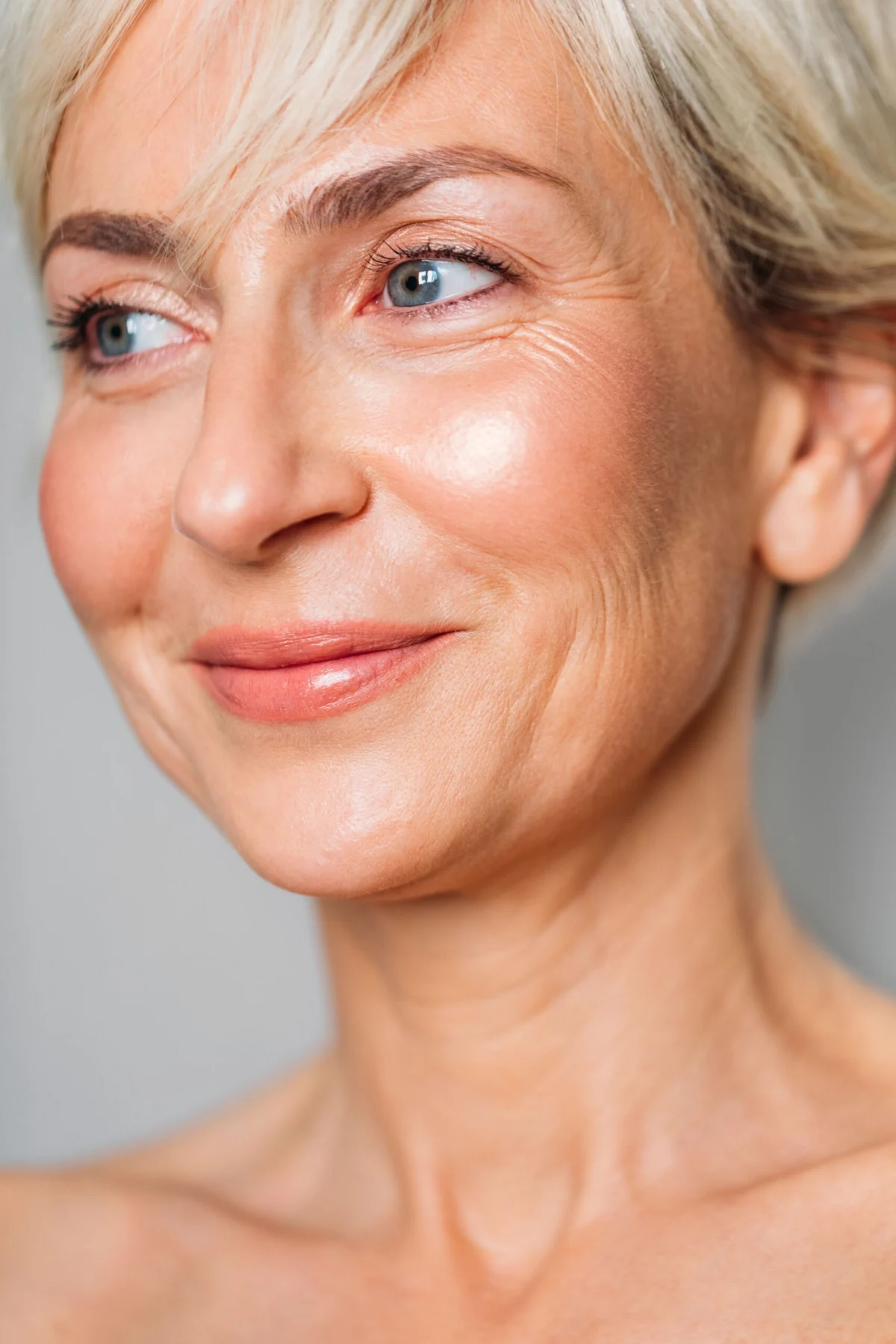
The quest for a smooth, even complexion often encounters a common adversary: the tendency of base makeup, particularly concealer, to settle into fine lines. This phenomenon is a source of frustration for many, especially in the delicate under-eye area, which is prone to accentuating the natural signs of aging. Dr. Aegean Chan, a board-certified dermatologist based in Santa Barbara, explains the physiological reasons behind this challenge. "It’s the thinnest and most delicate skin on the body," Dr. Chan notes. She elaborates that as individuals age, the natural decline in collagen and elastin levels, coupled with a slower cell turnover rate and a weakened skin barrier, leads to increased dryness. This inherent dryness makes it notoriously difficult for makeup to adhere smoothly, often resulting in the very lines makeup aims to conceal becoming more prominent.
While embracing the natural evolution of one’s skin is a valid personal choice, for those seeking to refine their makeup application techniques, particularly around fine lines, a strategic approach is essential. Leading makeup artists have shared their insights and proven methods to achieve a seamless concealer application that avoids emphasizing these natural facial contours. This comprehensive guide delves into their expert advice, offering actionable steps and product recommendations to navigate the complexities of makeup application on mature or line-prone skin.
The Crucial First Step: Prepping Your Undereyes for Concealer
Before any color cosmetic is applied, makeup artists universally underscore the paramount importance of skin preparation. The principle is simple yet effective: adequately hydrated and primed skin provides a smoother canvas for concealer, preventing it from clinging to dry patches and settling into existing lines. This is particularly critical for the under-eye region. Joseph Carrillo, a New York City-based makeup artist, emphasizes the efficacy of a lightweight eye cream. "Tapping on a lightweight eye cream and letting it absorb fully is key," he advises. The goal is to provide a layer of hydration without creating a slick surface that could interfere with makeup adhesion.
However, not all eye creams are created equal when it comes to their compatibility with base makeup. Some formulations can lead to "pilling" – the undesirable clumping of product – or create a surface that is too slippery for concealer to grip effectively. Amanda Lam, a cosmetic chemist in Los Angeles, offers a crucial insight: "Look for eye creams without silicones." She explains that silicones, such as dimethicone, can create a barrier that doesn’t always play well with concealer formulations, potentially leading to the aforementioned pilling. Lam also cautions against eye creams that are excessively emollient or oil-heavy, as these can render the under-eye area too "slippery," hindering proper concealer application and longevity. The selection of an appropriate eye cream, therefore, becomes a foundational element in achieving a smooth under-eye finish.
Selecting the Right Formula: Lightweight, Hydrating Concealers
When it comes to choosing a concealer, makeup artists advocate for a shift in focus from high coverage to formula texture. Carrillo posits that "texture matters more than coverage" when dealing with fine lines. He further elaborates, "For fine lines, I usually look for formulas that are hydrating and flexible rather than thick or overly matte." Concealers with heavier, more opaque formulas tend to sit on top of the skin, making them more susceptible to creasing and exaggerating the appearance of lines.
Conversely, "thin, serum-like formulas move with the skin and tend to look more natural throughout the day," Carrillo explains. This fluidity allows the concealer to adapt to the skin’s natural movements, minimizing the risk of settling into creases. Recommended products that embody these characteristics include the Kosas Revealer Super Creamy + Brightening Concealer and the Armani Luminous Silk Concealer. Both are lauded for their lightweight, fluid textures that blend effortlessly and are less prone to emphasizing fine lines.
Caroline Barnes, a London-based makeup artist, also expresses a strong preference for the Glossier Stretch Concealer, citing its "really hydrating formula." For individuals who find traditional liquid or cream concealers challenging to blend without causing displacement, Barnes suggests the Jones Road Face Pencil. This product is particularly beneficial for targeted application and is noted for its ability to effectively address darkness or discoloration under the eyes without excessive movement.
The Art of Restraint: Using Less Concealer Than You Think
A common misconception in makeup application, often perpetuated by online tutorials, involves applying a generous amount of concealer in a broad sweeping motion. However, makeup artists specializing in mature skin strongly advise against this technique when fine lines are a concern. Barnes explains that while this "windshield-wiper" method might appear flattering on firmer skin, "for fine lines, it [the amount and placement] is too heavy."
Instead, both Carrillo and Barnes recommend a more precise and restrained approach. The strategy involves applying a minimal amount of concealer directly to the darkest areas of the under-eye region. Carrillo advises, "You can always build up if you need to, but less product is almost always the trick." Barnes suggests starting with a single dot of product if using a wand applicator. For concealers housed in pots, a single dip of a finger or brush is often sufficient to begin. This controlled application ensures that the product is used only where needed, thereby minimizing the potential for creasing and accentuating lines.
Harnessing Natural Warmth: The Power of Finger Application
When it comes to seamlessly blending concealer, the most accessible and often most effective tool is the human finger. Carrillo highlights the inherent advantage: "The warmth of the fingers helps melt the product into the skin so it becomes part of the complexion rather than sitting on top." This gentle integration ensures that the concealer looks like a natural extension of the skin, rather than a mask that sits atop it.
For those who prefer not to use their fingers directly, a densely packed concealer brush can be a suitable alternative. The Hourglass Vanish Concealer Brush is often cited as an effective tool for this purpose. If opting for a brush, Carrillo stresses the importance of a stippling or tapping motion, rather than a swiping one. He cautions that swiping can "drag the product directly into lines," whereas "tapping keeps the coverage soft and diffused." This controlled application technique ensures that the concealer is pressed into the skin, blending harmoniously with the natural texture.
Rethinking Setting: The Case Against Under-Eye Powder
In a move that might surprise many beauty enthusiasts, makeup professionals are increasingly advising against the liberal use of powder under the eyes, especially for those with fine lines. While setting powder has long been a staple in many makeup routines to increase longevity and mattify the skin, its application in the delicate under-eye area can be counterproductive. Donni Davy, the lead makeup artist for the acclaimed series Euphoria and founder of Half Magic, states emphatically, "You do not have to use powder." She elaborates that powder "can make your skin look dry and older. Use powder only if you want a matte look." The fine particles of powder can adhere to dry patches and settle into creases, making lines appear more pronounced.
Carrillo offers a nuanced perspective, suggesting that if powder is to be used, it should be applied with an "extremely light hand." He personally favors a fine mist of setting spray as a more advantageous alternative. "I actually prefer a fine mist of setting spray, which helps lock in everything without adding extra texture that can emphasize fine lines," he explains. The Maybelline FaceStudio Lasting Setting Spray is a recommended option for its ability to provide a matte finish without adding unwanted texture. This approach helps to set the makeup and improve its wear time without the risk of exacerbating the appearance of fine lines.
Expert-Approved Product Essentials for Concealer Application Over Fine Lines
The consensus among makeup artists points towards a combination of intelligent product selection and refined application techniques to achieve a flawless concealer finish over fine lines. The following product categories, as highlighted by industry professionals, are crucial for success:
-
Hydrating Eye Creams (Silicone-Free): Essential for pre-concealer skin preparation. These creams should provide ample moisture without a greasy or overly slick residue. Products like the Cocokind Revitalizing Eye Cream are often recommended for their lightweight, hydrating properties and the added benefit of a cooling metal applicator, which can help to de-puff the under-eye area.
-
Lightweight, Flexible Concealers: Formulas that are fluid and hydrating are preferred over thick, matte, or full-coverage options. These concealers move with the skin, reducing the likelihood of creasing. Examples include the Kosas Revealer Super Creamy + Brightening Concealer and the Armani Luminous Silk Concealer, both celebrated for their blendable, serum-like textures. The Glossier Stretch Concealer is another highly regarded option for its hydrating qualities.
-
Targeted Application Tools: While fingers are often the preferred tool due to their natural warmth for blending, a densely packed concealer brush can be effective. The Hourglass Vanish Seamless Finish Concealer Brush is an example of a tool designed for precise application.
-
Hydrating Setting Sprays: As an alternative to powder, a fine mist of setting spray can help to meld the concealer into the skin and improve its longevity without adding texture that can emphasize fine lines. The Maybelline FaceStudio Lasting Setting Spray is a practical and effective choice for this purpose.
By integrating these expert-approved strategies and product recommendations, individuals can effectively navigate the challenges of applying concealer over fine lines, achieving a smoother, more radiant, and natural-looking under-eye area. The focus remains on preparation, strategic product selection, and a mindful application process that prioritizes skin’s natural movement and texture.