

The global fashion landscape has entered a period of significant transformation, characterized by shifting creative leadership at heritage houses and a heightened strategic focus on celebrity brand ambassadorships. As the international circuit of film festivals, gala events, and fashion weeks concludes its most recent cycle, the intersection of high-end couture and public-facing entertainment has become a primary driver of brand equity. Recent appearances by high-profile figures, ranging from members of the British Royal Family to Academy Award-winning actors and musical icons, underscore a broader trend: the red carpet is no longer merely a promotional tool for cinema, but a sophisticated commercial platform where the narratives of luxury houses are meticulously constructed and disseminated to a global audience.
The Strategic Shift in Creative Direction: Sarah Burton at Givenchy
One of the most notable developments in the current fashion calendar is the appointment and subsequent debut influence of Sarah Burton at the house of Givenchy. The transition has drawn intense scrutiny from industry analysts, particularly following Burton’s storied tenure at Alexander McQueen. The impact of this shift was exemplified by the recent public appearance of Catherine, Princess of Wales, in a custom Givenchy ensemble designed by Burton. This pairing represents a continuation of a decade-long professional relationship that began with the Princess’s wedding gown in 2011.
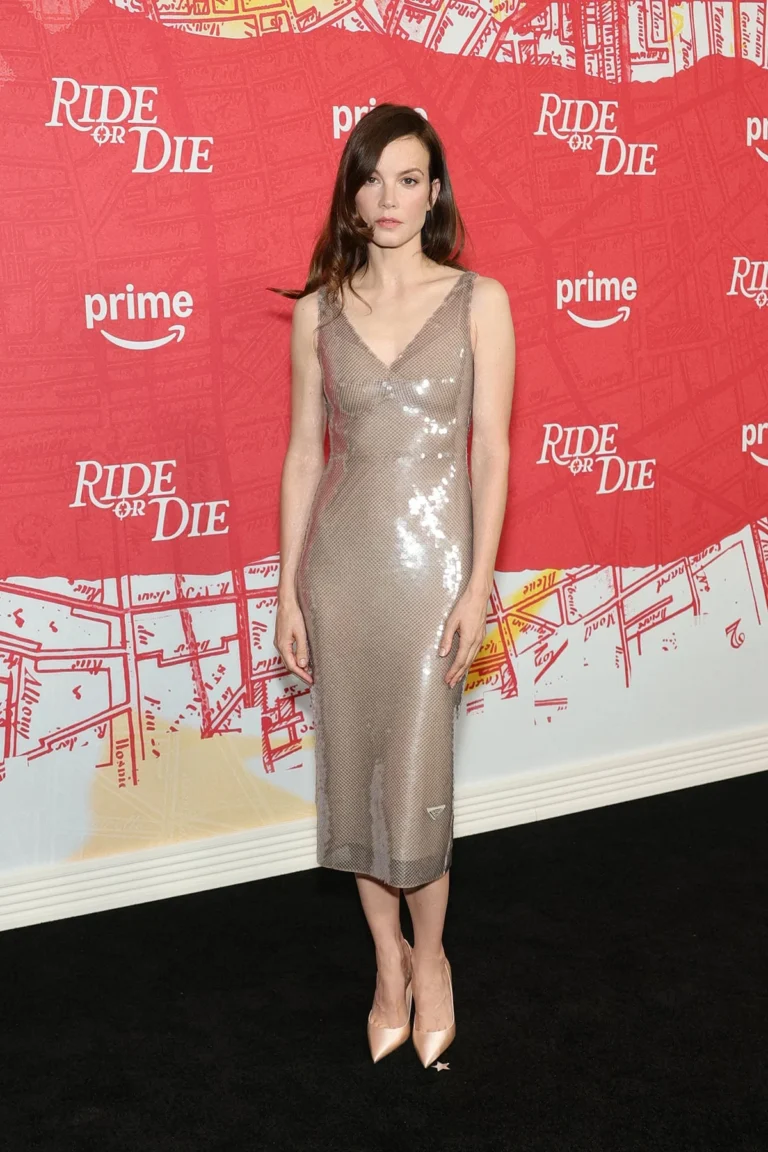
The choice of Givenchy by the Princess of Wales signifies a strategic pivot for the LVMH-owned brand, moving toward a more structured, regal aesthetic that balances modern tailoring with traditional elegance. This sentiment was echoed in the appearance of rising star Sarah Pidgeon, who also opted for Givenchy by Sarah Burton, suggesting that the brand is targeting a multi-generational demographic. Market data suggests that "royal endorsement" can increase a brand’s digital search volume by up to 400% within 48 hours of an appearance, providing Givenchy with a robust entry into the new fiscal quarter.
Heritage and Modernity: The Dominance of Chanel and Louis Vuitton
The current season has also reaffirmed the market dominance of legacy brands like Chanel and Louis Vuitton, both of which have utilized their extensive rosters of global ambassadors to maintain visibility across diverse geographical markets.
The Chanel Aesthetic: Kidman and Coel
Nicole Kidman and Michaela Coel recently showcased the enduring appeal of Chanel, albeit through different stylistic lenses. Kidman, a long-standing collaborator with the house, appeared in a silhouette that paid homage to the brand’s mid-century couture roots, while Coel represented the house’s push toward more avant-garde, texture-heavy designs. According to industry reports, Chanel’s strategy focuses on "iconography preservation," ensuring that even as creative directors change, the core visual identifiers—tweed, pearls, and structured monochrome—remain central to the celebrity narrative.
Louis Vuitton’s Global Ambassadorship Program
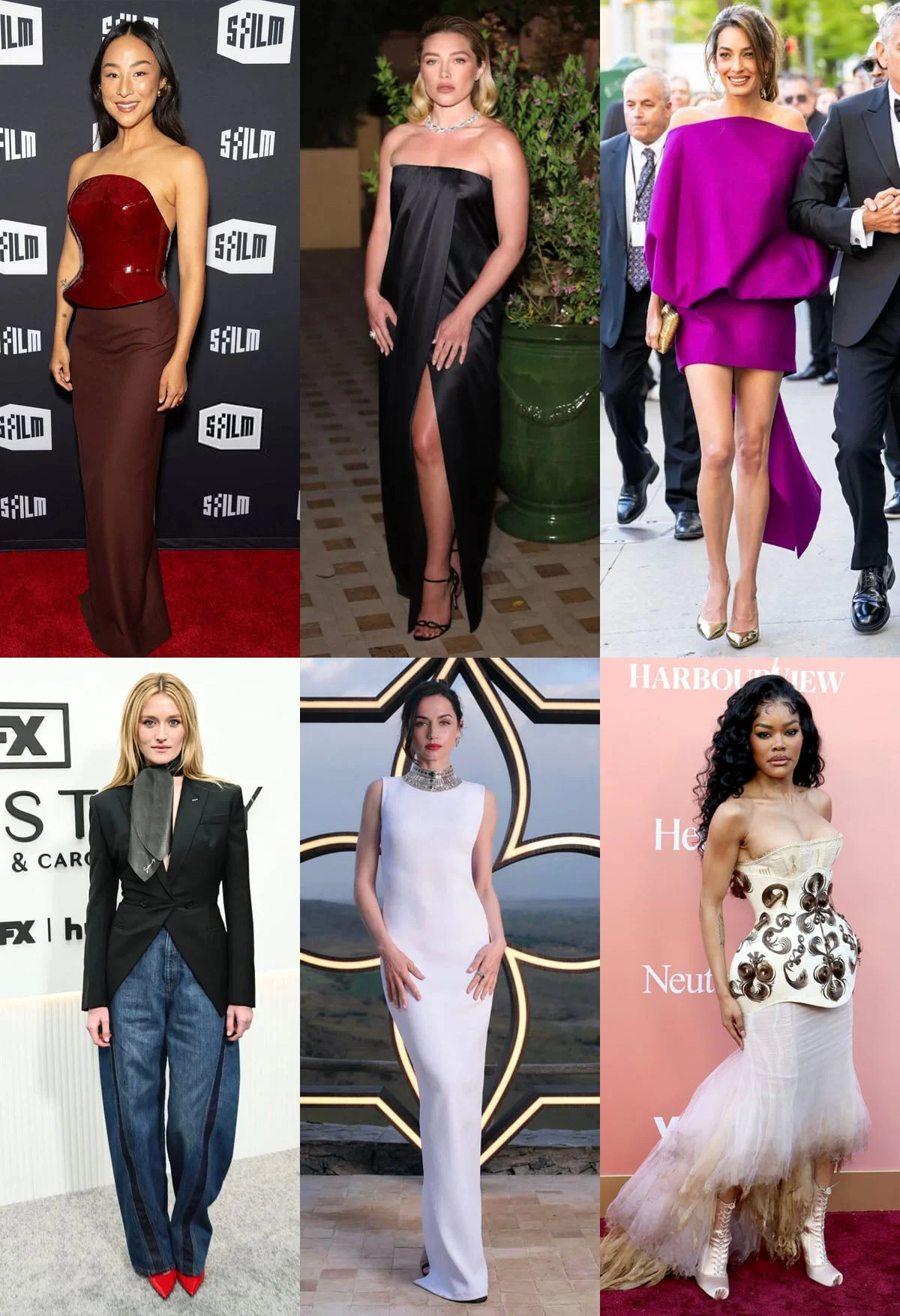
Louis Vuitton continues to lead the industry in terms of the sheer volume of high-profile placements. The recent appearances of Ana de Armas, Mina Shin, and Kōki in custom Louis Vuitton ensembles highlight the brand’s successful "Global Icon" strategy. By dressing a Spanish-Cuban actress, a South Korean star, and a Japanese model-songwriter, the house effectively secures its presence in three major luxury markets simultaneously. Financial analysts note that Louis Vuitton’s parent company, LVMH, has increased its marketing spend on celebrity-led activations by an estimated 12% year-over-year, prioritizing "earned media value" (EMV) over traditional print advertising.
Architectural Innovation and the Avant-Garde
While heritage houses focus on tradition, brands like Issey Miyake and Mugler are utilizing red carpet opportunities to showcase architectural innovation. Greta Lee’s appearance in Issey Miyake served as a masterclass in sculptural fashion, utilizing the brand’s signature pleating techniques to create a silhouette that defied traditional evening wear norms. Similarly, Rihanna’s choice of Mugler reinforced the brand’s reputation for provocative, high-octane glamour. These choices are often viewed as "high-risk, high-reward" strategies that cater to a fashion-forward audience and generate significant social media engagement.
Chronology of Key Fashion Events and Placements
The current cycle of celebrity fashion placements followed a rigorous timeline, beginning with the international film festival circuit and culminating in the seasonal fashion weeks in New York, London, Milan, and Paris.
- Late August – Early September: The Venice Film Festival served as the launchpad for several key looks, including Nicole Kidman’s Chanel ensemble and Cate Blanchett’s continued advocacy for sustainable high fashion.
- Mid-September: The transition to the Toronto International Film Festival (TIFF) saw a shift toward North American designers, with Anne Hathaway appearing in Michael Kors Collection and Lily James showcasing the understated luxury of Max Mara.
- Late September – October: The global "Fashion Month" saw celebrities taking front-row positions. It was during this period that the Givenchy by Sarah Burton narrative began to gain momentum, and brands like Saint Laurent (worn by Florence Pugh) and Valentino (worn by Rose Byrne and Grace Gummer) solidified their seasonal themes.
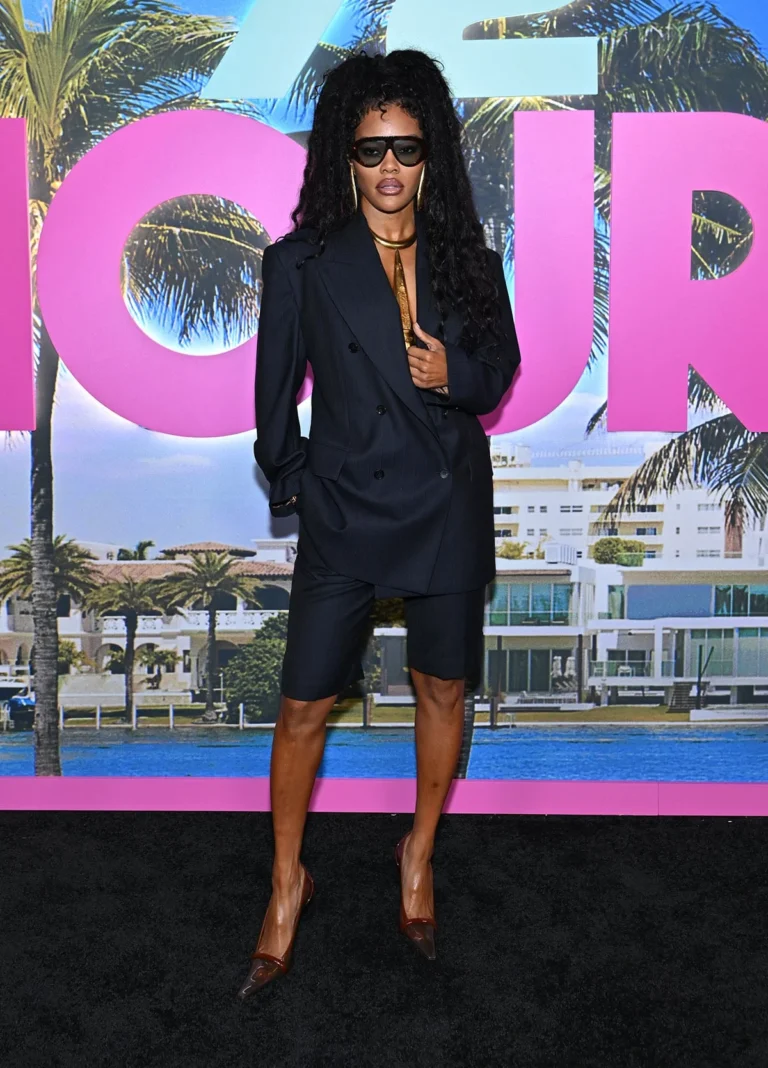
- Quarterly Galas: Recent high-society events in New York and London provided a backdrop for more experimental couture, such as Teyana Taylor in Ashi Studio Couture and Chase Infiniti in Cong Tri.
Supporting Data: The Economic Impact of Celebrity Dressing
The financial implications of these fashion choices are substantial. According to data from Launchmetrics, a single high-profile red carpet appearance can generate an Earned Media Value (EMV) ranging from $1.5 million to $10 million, depending on the celebrity’s social media reach and the prestige of the event.
- Valentino: The brand saw a 22% increase in social media mentions following Rose Byrne and Grace Gummer’s recent appearances, coinciding with the house’s transition under new creative leadership.
- Michael Kors Collection: Anne Hathaway’s continued partnership has been credited with a "brand rejuvenation" effect, appealing to a younger, fashion-conscious demographic that previously viewed the brand as purely commercial.
- Ashi Studio and Cong Tri: For independent couture houses, a single placement on a star like Teyana Taylor or Chase Infiniti can result in a 50% increase in private client inquiries for the following season.
Industry Reactions and Official Statements
While luxury houses rarely comment on the specific financial terms of celebrity contracts, several brand representatives have issued statements regarding their current creative directions. A spokesperson for Givenchy noted that the house is "entering a chapter of refined femininity that honors the legacy of Hubert de Givenchy while embracing the modern technical mastery of Sarah Burton."
Similarly, representatives for Nina Ricci expressed satisfaction with the reception of Zoe Saldana’s recent appearance, stating that the collaboration reflects the brand’s "new vision of effortless Parisian chic." Analysts within the fashion industry, such as those from the Business of Fashion (BoF), have observed that the current trend is moving away from "temporary trend-chasing" and toward "long-term brand-ambassador synergy."
Broader Implications for the Luxury Market
The current landscape suggests that the "celebrity-designer" relationship is becoming more formalized. We are seeing fewer one-off loaner agreements and more multi-year contracts that require celebrities to wear a specific brand for all public appearances. This "exclusivity era" has several implications:
- Brand Identity: A brand’s identity is now inextricably linked to the personal brand of its lead ambassador. For instance, the "Louis Vuitton woman" is currently defined by the sophisticated, international persona of Ana de Armas.
- Market Concentration: Large conglomerates (LVMH, Kering, Richemont) continue to dominate the red carpet, making it increasingly difficult for independent designers to secure high-profile placements without significant financial backing.
- Sustainability vs. Excess: There is a growing tension between the traditional "new season, new look" model and the increasing pressure for celebrities to re-wear vintage or archival pieces. While this list focuses on new collections, houses like Chanel and Valentino are increasingly opening their archives to ambassadors to address environmental concerns.
In conclusion, the recent series of high-profile fashion placements—from Greta Lee’s sculptural Issey Miyake to the Princess of Wales’s strategic Givenchy choice—reveals a luxury industry that is more calculated and data-driven than ever before. As creative directors continue to rotate through major houses, the stability provided by celebrity ambassadors remains a cornerstone of global marketing strategy. The red carpet has evolved from a simple walkway into a multi-billion-dollar stage where the future of the world’s most prestigious fashion houses is written in silk, lace, and meticulously tailored wool.