







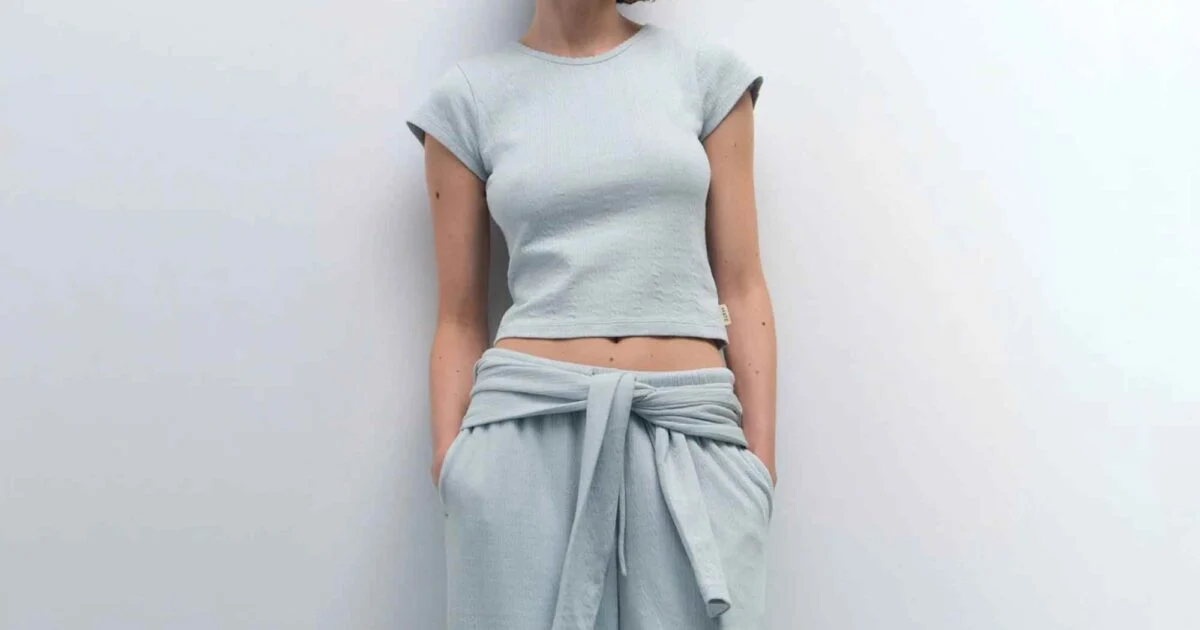
In an era defined by evolving lifestyles and a heightened global consciousness, the demand for apparel that marries comfort with ethical production has surged, particularly within the loungewear sector. Good On You, a leading authority in fashion sustainability ratings, has meticulously curated a selection of brands that exemplify this convergence, offering consumers a definitive guide to acquiring loungewear sets—including hoodies, tops, sweatpants, and shorts—from companies highly rated within its rigorous methodology. This initiative directly addresses the growing consumer desire for transparency and responsibility in a market often dominated by less sustainable practices.
The Evolving Landscape of Loungewear and Its Environmental Footprint
The cultural shift towards remote work, increased focus on wellness, and a general casualization of fashion has propelled loungewear from a niche category to a wardrobe staple. Consumers increasingly seek garments that provide solace after a demanding day, facilitate weekend relaxation, or offer the requisite comfort for a productive workday from home. However, this burgeoning demand has also cast a spotlight on the environmental and ethical shortcomings prevalent in conventional garment manufacturing. A significant proportion of loungewear, for instance, relies on petroleum-derived synthetic materials such as fleece and polyester. The production of these materials is energy-intensive, contributes to greenhouse gas emissions, and, critically, leads to microplastic pollution when garments are washed, posing a severe threat to aquatic ecosystems and human health. The challenges extend beyond material choices to encompass a broader spectrum of sustainability issues, including excessive water usage, chemical runoff from dyeing processes, and often exploitative labor practices in supply chains.
Good On You’s Role in Navigating Sustainable Choices
Recognizing the complexities and opacities within the fashion industry, Good On You was established to empower consumers to make informed purchasing decisions that align with their personal values. The organization’s core mission revolves around simplifying the journey towards responsible consumption, advocating for a "buy less, buy better" philosophy. This approach encourages consumers to invest in durable, high-quality items produced by brands committed to positive social and environmental impacts, thereby reducing overall consumption and waste.
Good On You’s credibility stems from its comprehensive and transparent methodology, developed by a diverse panel of experts in environmental science, labor rights, and animal welfare. This methodology assesses brands across critical dimensions: their impact on people (labor conditions, fair wages, supply chain transparency), the planet (resource use, waste reduction, chemical management, carbon emissions), and animals (animal welfare policies, use of animal-derived materials). The assessment culminates in a straightforward five-point rating scale, from "We Avoid" to "Great," enabling consumers to quickly ascertain a brand’s sustainability performance. By focusing on brands rated "Good" or "Great," Good On You ensures that its recommendations genuinely reflect significant contributions to sustainable fashion.
Supporting Data: The Imperative for Sustainable Fashion
The urgency for sustainable practices in the fashion industry is underscored by compelling data. The sector is currently estimated to be responsible for 2-8% of global greenhouse gas emissions, a figure projected to rise significantly without intervention. Textile production alone requires vast amounts of water, with conventional cotton demanding approximately 2,700 liters to produce a single t-shirt. Chemical usage in dyeing and finishing processes leads to widespread water pollution, particularly in developing countries where much of the production occurs. Furthermore, an estimated 92 million tons of textile waste are generated globally each year, with a significant portion ending up in landfills or being incinerated.
Consumer awareness of these issues is also on the rise. Recent market research indicates a growing preference for sustainable products, even if they come at a higher price point. A 2023 survey by Statista revealed that 55% of global consumers are willing to pay more for sustainable brands. The sustainable fashion market, valued at approximately $8.27 billion in 2022, is projected to reach $33.09 billion by 2030, demonstrating a robust compound annual growth rate (CAGR) of 18.8%. This growth is not merely a trend but reflects a fundamental shift in consumer values and expectations, pushing brands to adopt more responsible practices.
A Chronology of Sustainable Fashion’s Evolution
The journey towards a more sustainable fashion industry has been gradual but marked by several pivotal moments. Early environmental movements in the 1970s and 80s began to raise awareness about pollution and resource depletion, though their direct impact on mainstream fashion was limited. The late 20th and early 21st centuries saw the emergence of ethical trade movements, focusing primarily on labor rights and fair wages in developing countries. Landmark events, such as the tragic Rana Plaza factory collapse in Bangladesh in 2013, served as a stark wake-up call, exposing the horrific working conditions within the fast fashion supply chain and galvanizing widespread calls for greater transparency and accountability.
In the aftermath of Rana Plaza, initiatives like the Fashion Revolution movement gained significant traction, advocating for "who made my clothes?" and demanding traceability. Concurrently, advancements in textile technology led to the development of innovative, lower-impact materials such as organic cotton, TENCEL™ Lyocell, and recycled polyester. Organizations like Good On You emerged in this period to bridge the information gap for consumers, translating complex supply chain data into actionable ratings. The last decade has witnessed a mainstreaming of sustainable fashion concepts, with major brands beginning to integrate sustainability into their core strategies, driven by both consumer pressure and regulatory changes.
Featured Brands: Redefining Loungewear with Purpose
Good On You’s current selection of highly-rated loungewear brands showcases diverse approaches to sustainability, from material innovation to circular economy principles and social impact initiatives.
CHNGE: This US-based brand stands out for its unwavering commitment to 100% organic materials. CHNGE emphasizes durability and longevity, crafting garments "built to last a lifetime while making a statement." Their use of GOTS-certified organic cotton minimizes water consumption, avoids harmful pesticides, and supports healthier ecosystems and farming communities. The brand’s inclusive sizing (2XS-4XL) further reflects a commitment to accessibility and diverse body types, aligning with broader ethical considerations in fashion.
Happy Earth Apparel: Inspired by nature, Happy Earth is a US organic clothing brand that actively dedicates a portion of its efforts to environmental preservation. Through partnerships with non-profits, the brand directly contributes to planting trees, combating climate change, and participating in clean-up operations. Their apparel, often available in sizes XS-3XL, uses organic cotton, ensuring a reduced environmental footprint from fiber cultivation. This integrated approach allows consumers to wear their values, knowing their purchase contributes to tangible environmental benefits.
Artknit Studios: Hailing from Italy, Artknit Studios embodies the "buy less, buy better" philosophy through its creation of timeless knitwear from 100% lower-impact materials. The brand prides itself on responsible Italian craftsmanship, working with partners committed to anti-waste practices. Their use of certified and locally-sourced fibers reduces transportation emissions and supports regional economies. Artknit Studios’ focus on classic, enduring designs in sizes XS-XXL encourages mindful consumption, counteracting the disposable nature of fast fashion.
I was a Sari: This Indian brand offers a unique model of upcycling and cultural preservation. By transforming used saris and deadstock fabrics into vibrant, modern products, "I was a Sari" champions circularity and waste reduction. This approach not only diverts textiles from landfills but also creates economic opportunities for artisans in India, preserving traditional skills. Their pieces, available in sizes S-L, are testaments to creativity and resourcefulness, offering consumers a truly unique and sustainable option.
Underprotection: A Danish brand, Underprotection specializes in underwear, loungewear, and swimwear crafted from lower-impact materials such as organic cotton, recycled polyester, and TENCEL™ Lyocell. The brand’s commitment extends to its packaging, which is either recycled or biodegradable. Underprotection exclusively partners with certified factories, adhering to the belief that "fair working conditions and fair wages are human rights." This holistic approach to ethical production, offered in sizes XS-XL, ensures social and environmental responsibility across its operations.
Miakoda: For those embracing an organic, plant-based lifestyle, NYC-made Miakoda offers ultra-cosy active and loungewear. The brand’s focus on organic materials, often GOTS-certified, minimizes environmental impact. Miakoda’s designs feature stripped-back colors and minimalist aesthetics, prioritizing comfort and longevity. Their commitment to inclusivity is evident in their wide size range, from XS-4XL, supporting different shapes and sizes.
Ninety Percent: This British label operates with a pioneering profit-sharing model, dedicating 90% of its profits between five charitable causes and the individuals who make their collections possible. Ninety Percent transparently publishes details of its suppliers and factories on its website, providing an exceptional level of accountability. Their stylish womenswear, available in UK sizes 2XS-2XL, allows consumers to contribute directly to social good with every purchase.
Organication: A German brand, Organication prioritizes the use of more sustainable fabrics like organic cotton, TENCEL™ Lyocell, and other environmentally friendly fibers. While the original text provides limited detail, the emphasis on certified sustainable materials suggests a commitment to reducing the ecological footprint associated with conventional textile production.
Statements and Industry Reactions
A spokesperson for Good On You emphasized the growing importance of informed consumer choices: "In a crowded market, discerning truly sustainable brands can be overwhelming. Our objective is to cut through the greenwashing and provide clear, evidence-based ratings that empower consumers to make choices that align with their values. The shift towards sustainable loungewear is more than a trend; it’s a reflection of a deeper commitment to personal well-being and planetary health."
Industry experts echo this sentiment, highlighting the pivotal role of consumer demand in driving change. Dr. Anya Sharma, a sustainable fashion researcher, noted, "Platforms like Good On You are critical in accelerating the transition to a more ethical fashion industry. By shining a light on brands that are genuinely committed to sustainability, they create a virtuous cycle where consumer demand for better products encourages more brands to adopt responsible practices."
Broader Impact and Implications for the Fashion Industry
The increasing prominence of sustainable loungewear, championed by platforms like Good On You, has significant implications for the broader fashion industry. Firstly, it drives innovation in materials science, fostering research and development into new fibers that are less resource-intensive, biodegradable, or derived from recycled sources. Secondly, it compels brands to enhance supply chain transparency and accountability. As consumers demand to know "who made my clothes" and under what conditions, brands are pressured to map their supply chains, ensure fair labor practices, and verify environmental compliance. This leads to better working conditions, fairer wages, and safer environments for garment workers globally.
Furthermore, the focus on "buy less, buy better" challenges the prevailing fast fashion model, which thrives on rapid production cycles and disposable garments. By investing in high-quality, durable, and ethically produced loungewear, consumers contribute to reducing textile waste and extending the lifespan of clothing. This paradigm shift encourages a more circular economy approach, where products are designed for longevity, repairability, and eventual recycling or composting. The continued growth of the sustainable fashion market signifies a long-term shift in consumer behavior and industry practices, positioning sustainability not as an optional add-on but as a fundamental pillar of modern fashion.
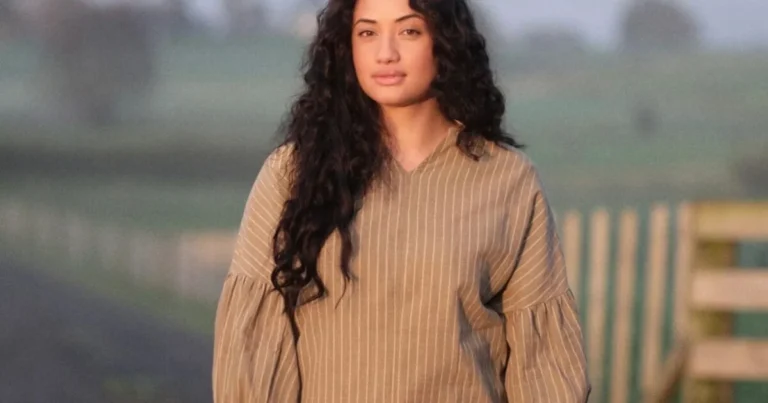
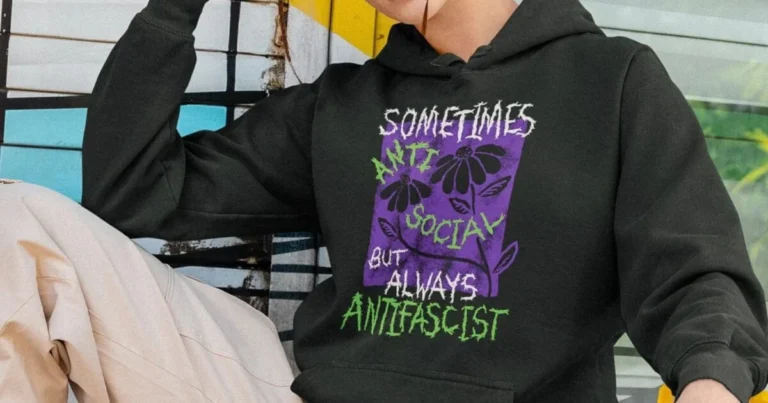
Editor’s note: The feature image for this article is courtesy of MATE The Label, with all other images provided by the brands mentioned. Good On You remains committed to publishing the world’s most comprehensive ratings of fashion and beauty brands’ impact on people, the planet, and animals. Readers are encouraged to utilize our comprehensive directory to explore thousands of rated brands and make informed choices. This article was last updated on June 11, 2026, reflecting our continuous efforts to ensure accuracy and currency in our brand round-ups and product recommendations.