





Kering CEO Luca de Meo, who took to the helm in late 2025, has outlined a new strategic turnaround plan designed to recalibrate and drive the French luxury group’s return to sustained growth. Announced on April 17, 2026, the comprehensive strategy aims to address recent performance challenges, particularly within its flagship brand, Gucci, and to reposition the conglomerate for long-term dominance in an increasingly competitive global luxury market. The blueprint emphasizes a multi-pronged approach encompassing creative revitalization, operational excellence, targeted market expansion, and enhanced financial discipline, signaling a decisive shift in Kering’s trajectory under its new leadership.
The Imperative for Change: Kering’s Recent Performance and Market Position
For several fiscal periods leading up to de Meo’s appointment, Kering had faced significant headwinds, manifesting in decelerating sales growth and a decline in market share compared to its primary competitors, notably LVMH and Richemont. While the broader luxury market experienced a post-pandemic boom, fueled by strong demand in key regions like the United States and Europe, Kering’s portfolio, particularly Gucci, struggled to maintain its previous high-growth trajectory.
Gucci, which historically contributed over 50% of Kering’s revenue and a substantial portion of its operating profit, saw its comparable sales growth slow considerably. After years of explosive success under the creative direction of Alessandro Michele and the commercial acumen of Marco Bizzarri, the brand began to show signs of fatigue. Its distinctive maximalist aesthetic, once a powerful differentiator, faced increasing consumer scrutiny amidst a broader industry shift towards "quiet luxury" and more timeless designs. In fiscal year 2024, Kering reported a revenue decline of approximately 4% on a comparable basis, with Gucci’s sales contracting by an estimated 6-7%, a stark contrast to the double-digit growth rates enjoyed by some of its peers. This performance disparity led to a significant divergence in investor confidence, with Kering’s stock underperforming the STOXX Europe Luxury 10 Index by over 15% in the 18 months preceding de Meo’s strategic unveiling.
Beyond Gucci, other brands within the Kering portfolio, such as Balenciaga, faced their own set of challenges, including reputational issues and fluctuating demand. While Saint Laurent continued to demonstrate resilience and Bottega Veneta showed promising signs of revitalization, their collective growth was insufficient to offset the slowdown at the group’s largest asset. This backdrop created an urgent need for a strategic overhaul, prompting the board to seek a leader with a proven track record in large-scale organizational transformation and brand repositioning.
Luca de Meo: An Unconventional Choice for Luxury Leadership
The appointment of Luca de Meo as Kering CEO in late 2025 raised eyebrows across the luxury industry. De Meo, a veteran of the automotive sector, was best known for his successful turnarounds at Renault and SEAT, where he spearheaded significant brand revitalizations, digital transformations, and profitability improvements. His background, rooted in mass-market brand strategy, operational efficiency, and product cycle management, contrasted sharply with the traditional profiles of luxury sector executives, who often rise through creative or merchandising ranks.
However, Kering Chairman and CEO François-Henri Pinault publicly expressed confidence in de Meo’s unique skill set, emphasizing his strategic vision, leadership capabilities, and deep understanding of brand building in a complex, global environment. The rationale behind this seemingly unconventional choice became clearer: Kering sought a leader capable of instilling greater operational rigor, fostering a culture of innovation, and leveraging data analytics to optimize everything from supply chain to customer engagement – areas where the automotive industry has often led. De Meo’s mandate was not merely to manage luxury brands but to engineer a systemic transformation, addressing underlying structural issues while simultaneously reigniting creative momentum.
Key Pillars of the Turnaround Strategy
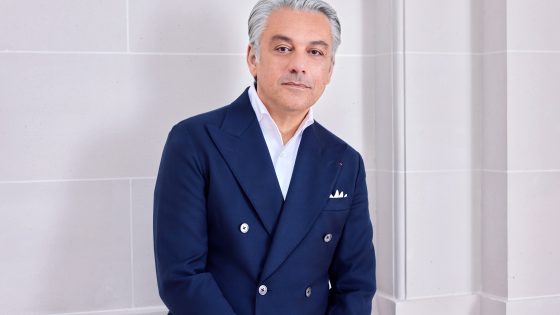
De Meo’s strategic plan, unveiled on April 17, 2026, is structured around four core pillars, each designed to tackle specific challenges and unlock dormant potential across the Kering portfolio.
-
Creative Reinvention and Brand Elevation: At the heart of the strategy is a renewed focus on product and brand desirability, particularly for Gucci. The plan outlines substantial investments in design talent, product development, and craftsmanship, aiming to evolve Gucci’s aesthetic towards a more sophisticated, enduring luxury while retaining its distinctive edge. This includes a commitment to elevate the perception of the brand through exclusive capsule collections, high-end experiential retail, and refined marketing narratives. Similar efforts are planned for other key brands, ensuring each maintains a clear, differentiated identity that resonates with its target demographic while aligning with Kering’s overarching luxury positioning. De Meo emphasized a "less is more" approach in certain categories, focusing on impeccable quality and timeless appeal over fleeting trends.
-
Operational Excellence and Supply Chain Optimization: Drawing heavily on de Meo’s automotive background, this pillar targets significant improvements in efficiency across the value chain. Initiatives include streamlining manufacturing processes, enhancing inventory management through advanced analytics, and optimizing logistics to reduce lead times and costs. The strategy also details a renewed emphasis on vertical integration where strategically beneficial, particularly in areas like leather goods and jewelry, to ensure quality control, ethical sourcing, and greater agility in responding to market demands. Digital transformation is central here, with plans to invest in AI-driven predictive analytics for demand forecasting and supply chain management, aiming for a 15-20% improvement in operational efficiency metrics within three years.
-
Market Rebalancing and Customer Engagement: Kering plans to recalibrate its geographical footprint and enhance its direct-to-consumer capabilities. While China remains a critical market, the strategy calls for diversified growth, with increased focus on strengthening presence in emerging luxury markets in Southeast Asia, the Middle East, and Latin America, alongside reinforcing strongholds in Europe and North America. The plan includes aggressive expansion of its directly operated retail network in strategic locations, coupled with a significant upgrade of its e-commerce platforms and digital clienteling tools. The goal is to create a seamless omnichannel experience, leveraging data to personalize customer interactions and build stronger brand loyalty. This involves a projected 30% increase in digital marketing spend and a comprehensive revamp of customer relationship management (CRM) systems.
-
Financial Discipline and Sustainable Growth: The turnaround strategy is underpinned by a commitment to rigorous financial management, focusing on profitable growth and disciplined capital allocation. De Meo outlined clear targets for margin expansion and return on invested capital, signaling a shift towards prioritizing quality of growth over sheer volume. The plan also reaffirms Kering’s long-standing commitment to sustainability, integrating ESG (Environmental, Social, and Governance) principles across all operations. This includes ambitious targets for reducing environmental footprint, promoting ethical labor practices, and increasing transparency in the supply chain, recognizing that sustainability is not just a moral imperative but also a key driver of brand value and consumer preference in the modern luxury landscape.
A Chronology of Challenges and Leadership Transitions
- 2015-2022: The "Gucci Renaissance" period under Alessandro Michele and Marco Bizzarri, characterized by explosive growth and market outperformance, establishing Gucci as Kering’s dominant revenue driver.
- Late 2022: Initial signs of Gucci’s growth deceleration emerge as market trends shift. Kering’s stock begins to show volatility.
- November 2022: Balenciaga faces a significant reputational crisis following controversial advertising campaigns, impacting sales and brand perception.
- November 2022: Alessandro Michele departs from Gucci, signaling the end of an era. Sabato De Sarno is later appointed as the new creative director.
- July 2023: Marco Bizzarri, long-serving CEO of Gucci, departs. Jean-François Palus, Group Managing Director, is appointed interim CEO of Gucci.
- Fiscal Year 2024 (Results announced early 2025): Kering reports challenging financial results, with overall revenue decline and significant underperformance at Gucci, confirming the urgent need for strategic intervention.
- Late 2025: Luca de Meo is appointed CEO of Kering, a strategic move aimed at leveraging his expertise in large-scale business transformation and brand revitalization from the automotive sector.
- Early 2026: De Meo conducts extensive strategic reviews across Kering’s brands and operations, engaging with key stakeholders, designers, and market analysts.
- April 17, 2026: Luca de Meo publicly unveils the new comprehensive strategic turnaround plan, signaling a new chapter for the French luxury conglomerate.
Analyst and Investor Reactions: A Cautious Optimism
Following the announcement, initial reactions from market analysts and investors were largely characterized by cautious optimism. While the ambition and scope of de Meo’s plan were acknowledged, the challenge of execution in the highly subjective and competitive luxury sector was a recurring theme. "De Meo’s track record in automotive is undeniable, but luxury is a different beast," commented Sarah Chen, a senior luxury analyst at Global Insights Group. "The focus on operational efficiency and data is welcome, but the true test will be his ability to reignite creative desirability at Gucci without alienating its existing customer base, while also nurturing the growth of other key brands."
Investors will be closely watching for early indicators of progress, particularly in Gucci’s performance metrics, including sell-through rates, average selling prices, and consumer sentiment. Specific targets for revenue growth, margin expansion, and market share recapture will be crucial in restoring investor confidence. Kering’s share price saw a modest uptick in the immediate aftermath of the announcement, reflecting a degree of market confidence in the new leadership’s vision, though long-term sustained recovery will depend on tangible results.
Statements from Kering Leadership
In an internal communication following the public announcement, Luca de Meo articulated his vision: "Our ambition is clear: to restore Kering to its rightful place as a leader in global luxury, not just in size, but in influence, innovation, and desirability. This plan is built on a foundation of creative excellence, operational rigor, and a profound understanding of our clients. It is a commitment to unlocking the full potential of our magnificent Houses and charting a course for sustainable, profitable growth."
François-Henri Pinault, Chairman and CEO of the Kering Group, reiterated his support: "Luca brings a fresh perspective and an invaluable expertise in strategic transformation. His comprehensive plan aligns perfectly with our long-term vision for Kering, ensuring that our Houses are not only creatively vibrant but also operationally robust and strategically agile. We are fully committed to providing the resources and support necessary to execute this ambitious strategy and reaffirm our position at the pinnacle of luxury."
Broader Implications for the Luxury Sector
Kering’s strategic overhaul carries significant implications for the broader luxury industry. The shift towards greater operational efficiency, data-driven decision-making, and a refined focus on brand elevation reflects a maturing luxury market where growth is no longer guaranteed by brand name alone. Competitors will undoubtedly observe Kering’s implementation closely, potentially adapting their own strategies to counter or emulate successful elements.
The emphasis on "quiet luxury" and timeless design, particularly at Gucci, could further accelerate this trend across the sector, prompting other brands to re-evaluate their creative directions and product offerings. Moreover, de Meo’s background might signal a new era for luxury leadership, where executives with diverse industry experience, particularly in areas like technology, automotive, or consumer goods, are increasingly sought after for their ability to drive systemic change and foster innovation beyond traditional luxury paradigms. The renewed focus on sustainability and responsible sourcing also underscores a growing industry-wide imperative, driven by evolving consumer values and regulatory pressures.
The Road Ahead: Execution and Long-Term Vision
The success of Luca de Meo’s turnaround strategy hinges critically on its meticulous execution. The luxury industry is notoriously sensitive to leadership changes, creative shifts, and market sentiment. Integrating new operational methodologies while preserving the unique artistic integrity of each luxury house will be a delicate balance. The plan acknowledges that a true turnaround will not be instantaneous, requiring sustained effort and disciplined investment over several years.
Kering’s future growth trajectory will depend on its ability to effectively reignite the desirability of its core brands, especially Gucci, while optimizing its operational infrastructure and engaging meaningfully with a diverse global clientele. As the luxury landscape continues to evolve, shaped by geopolitical shifts, technological advancements, and changing consumer preferences, de Meo’s strategy represents a bold attempt to secure Kering’s relevance and leadership in the decades to come. The industry watches with keen interest as this automotive veteran attempts to steer one of luxury’s giants back to prosperity.