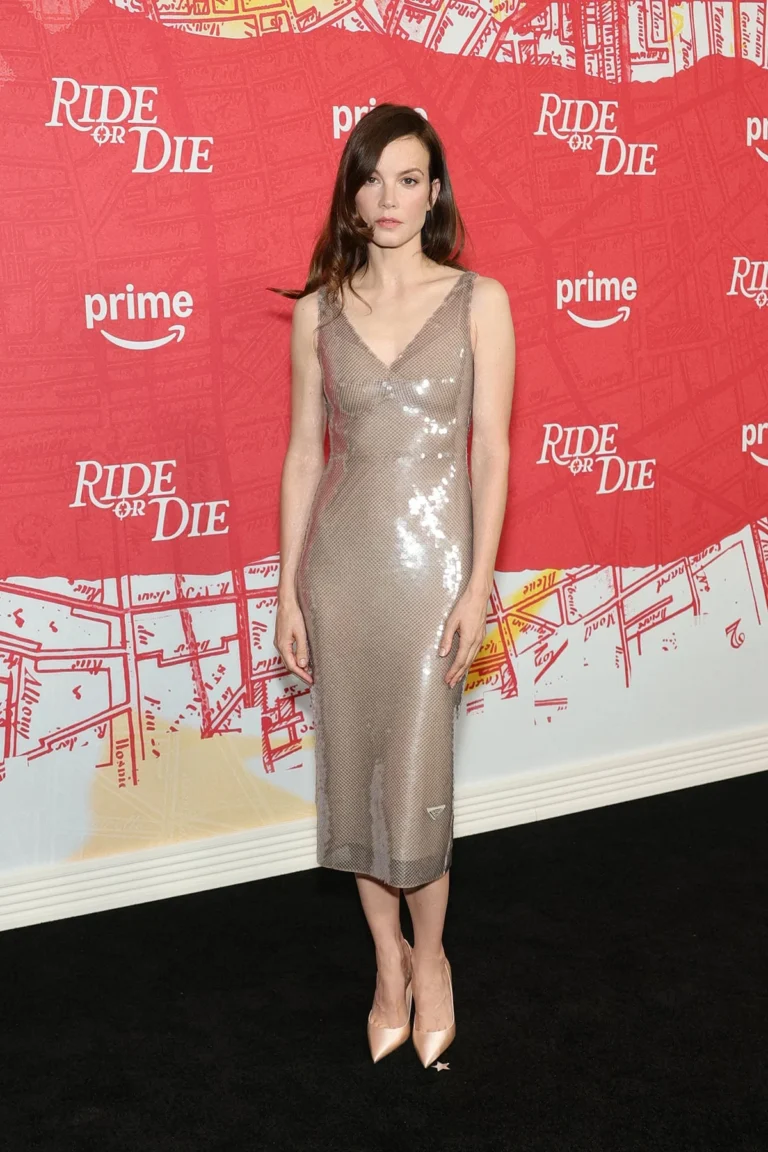





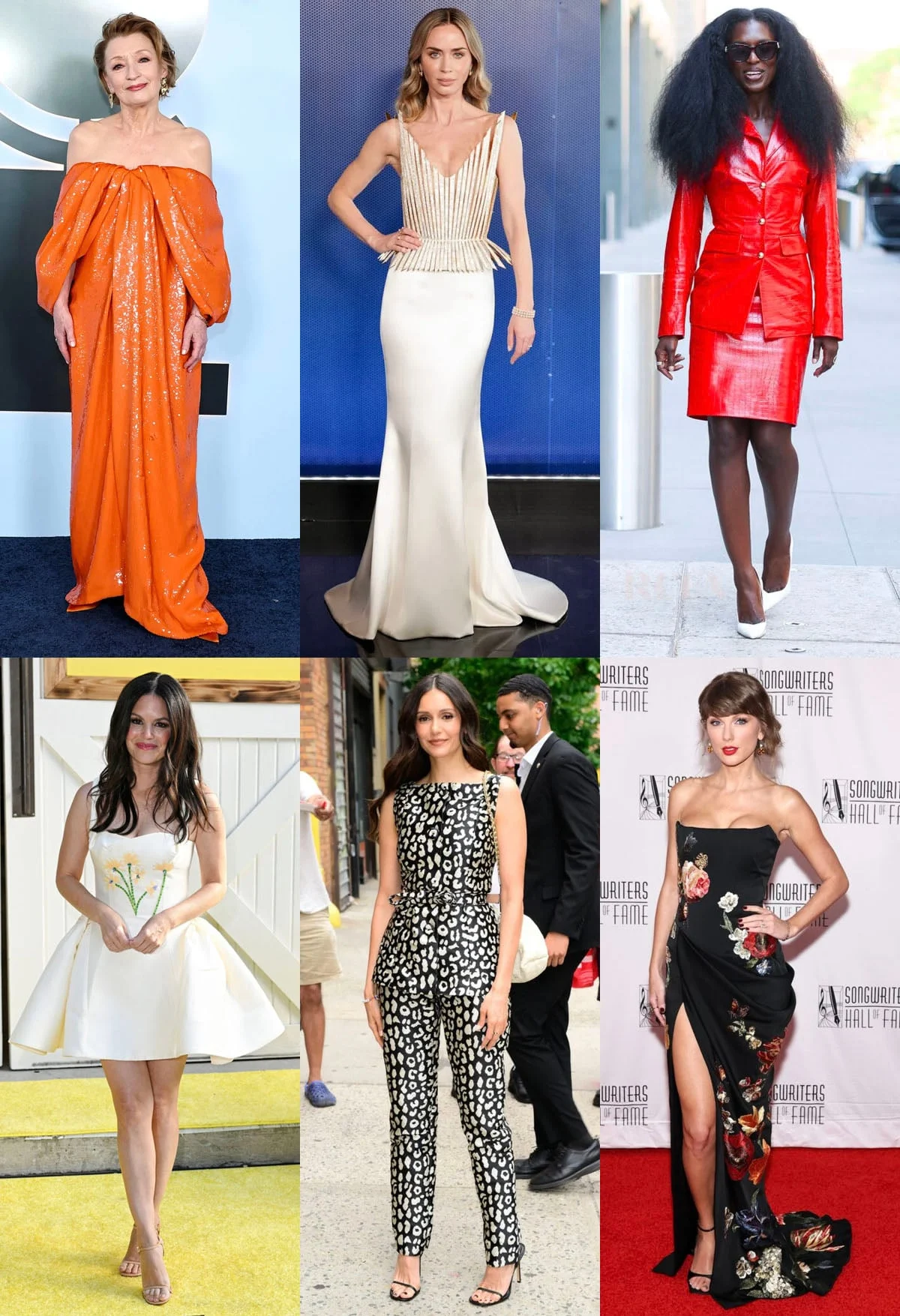
The global fashion landscape has undergone a significant transformation as the intersection of celebrity influence, luxury brand positioning, and high-profile public events creates a multi-billion-dollar marketing ecosystem. In recent cycles, the red carpet has transitioned from a mere promotional tool for cinema and music into a sophisticated platform for architectural sartorialism and strategic brand ambassadorship. This shift is evidenced by the curated selections of prominent figures such as Lesley Manville, who recently appeared in Loewe, and Rose Byrne, who utilized the minimalist precision of Prada. These choices are not merely aesthetic; they represent a complex network of contractual obligations, creative direction, and the pursuit of Earned Media Value (EMV), which now serves as a primary metric for success in the luxury sector.
The current climate of high fashion emphasizes a return to heritage craftsmanship and avant-garde silhouettes. This trend is visible in the selection of Thom Browne by Olivia Cooke, a pairing that underscores the growing popularity of theatrical, structured tailoring in women’s formal wear. Similarly, the appearance of Alexandra Leclerc in Posse highlights a rising interest in "quiet luxury" and independent labels that prioritize sustainable production over mass-market visibility. As the industry moves further into the 2024-2025 fashion cycle, the reliance on these high-visibility moments to define brand identity has never been more pronounced.
The Economic Impact of Red Carpet Visibility
The financial implications of a successful red carpet appearance are substantial. According to data from Launchmetrics, a single high-profile appearance at an event like the Academy Awards or the Met Gala can generate upwards of $5 million in MIV (Media Impact Value) for a brand. When Emily Blunt appeared in Tamara Ralph Couture, the visibility provided the label with a global audience that far exceeds traditional print or digital advertising. This phenomenon is also observed in the wardrobe choices of Catherine, Princess of Wales, whose selection of a Roland Mouret ensemble resulted in an immediate surge in search traffic for the brand, a phenomenon often referred to as the "Kate Effect."
The strategic nature of these appearances is further illustrated by the presence of Jodie Turner-Smith in The New Arrivals and Taylor Swift in Erdem. For Swift, whose "Eras Tour" and subsequent public appearances have become a dominant cultural force, the choice of Erdem—a brand known for its romanticism and historical references—aligns with her current narrative themes of reclamation and legacy. These choices are rarely accidental; they are the result of months of coordination between celebrity stylists, brand creative directors, and public relations firms.
Chronology of Modern Sartorial Milestones
The timeline of recent fashion milestones reveals a deliberate effort by legacy houses to modernize their image through diverse celebrity pairings. In the early months of the current awards season, the industry saw a pivot toward archival revivals and custom-built silhouettes.
- The Rise of Modern Couture: The appearance of Greta Lee in Dior Haute Couture signaled a shift toward conceptual fashion on the red carpet. Lee, whose work in Past Lives garnered international acclaim, has become a muse for creative directors seeking to blend intellectualism with high fashion.
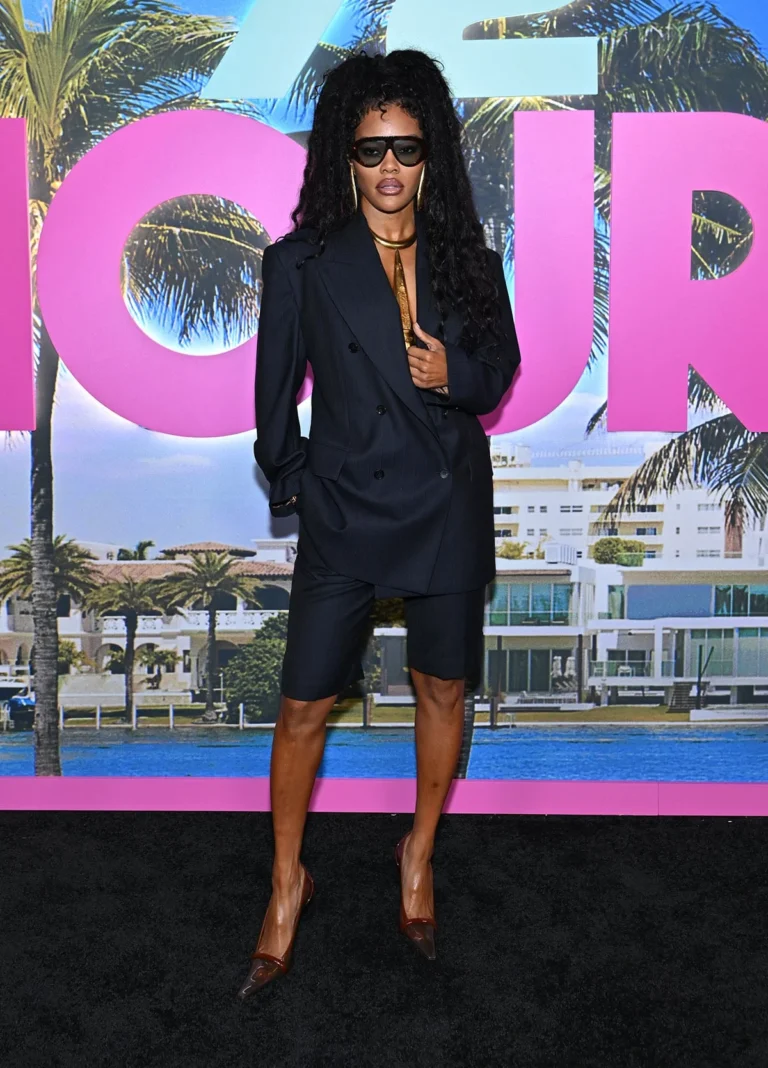
- The Chanel Renaissance: The simultaneous appearances of Paloma Elsesser and Teyana Taylor in Chanel represent the house’s effort to expand its reach. By dressing a renowned curve model and a multifaceted performer known for her edgy aesthetic, Chanel is actively diversifying its visual language while maintaining its core identity of Parisian elegance.
- The Legacy of Minimalist Luxury: Solange Knowles’ continued partnership with the Calvin Klein Collection and Miranda Kerr’s classic Dior ensembles represent a stabilizing force in an often volatile industry. These pairings focus on timelessness rather than fleeting trends, reinforcing the brands’ status as pillars of the luxury market.
Analysis of Brand Strategy and Celebrity Alignment
The alignment between a celebrity and a fashion house is a calculated move intended to capture specific demographics. Jennifer Lopez’s appearance in Tom Ford exemplifies the "glamour-power" archetype, a segment of the market that values high-octane luxury and bold, sensual silhouettes. Conversely, Lily Allen’s choice of 16Arlington reflects a more contemporary, London-centric aesthetic that appeals to a younger, fashion-forward audience.
The inclusion of regional and independent designers is also a growing trend. Rachel Bilson in Leo Lin and Nina Dobrev in Carolina Herrera demonstrate the balance between supporting emerging talent and adhering to established luxury standards. Leo Lin, an Australian designer, benefits immensely from the global exposure provided by Bilson, while Dobrev’s Herrera look maintains the brand’s reputation for classic American sportswear-inspired elegance.
One of the most notable strategic pivots in recent years is the work of Sarah Burton. Taylor Swift’s appearance in Givenchy by Sarah Burton represents a significant moment in the designer’s career and the brand’s history. Burton, known for her intricate craftsmanship and tenure at Alexander McQueen, brings a level of technical mastery to Givenchy that resonates with high-profile clients looking for exclusivity and narrative depth in their garments.
The Role of Cultural Diplomacy and Royal Influence
In the sphere of global influence, few figures command as much attention as the Princess of Wales and Amal Clooney. The Princess’s choice of Roland Mouret, a designer known for his mastery of the "Galaxy" dress and structured femininity, serves as a masterclass in diplomatic dressing. Her choices are scrutinized not only for their style but for their adherence to protocol and their message of stability.
Amal Clooney’s selection of Prada serves a similar purpose in a different arena. As a human rights attorney, Clooney’s public appearances are often at galas and international forums where her attire must convey both authority and sophistication. Prada’s intellectual approach to fashion makes it a natural fit for Clooney, reinforcing the idea that fashion is a tool for communication as much as it is an art form.
Supporting Data: The Value of the Luxury Market
The luxury fashion market is projected to continue its growth, with a compound annual growth rate (CAGR) of approximately 4.7% through 2030. Much of this growth is driven by the "VIP Economy," where the visibility of brands on figures like Fernanda Torres in Armani or Lesley Manville in Loewe translates directly into consumer confidence.
- Loewe Growth: Under the creative direction of Jonathan Anderson, Loewe has seen a significant increase in brand heat, frequently ranking in the top three of the Lyst Index.
- Prada’s Dominance: Prada and Miu Miu (both under the Prada Group) have consistently outperformed market expectations, largely due to their successful integration of celebrity "faces" into their seasonal campaigns and red carpet strategies.
- The Custom Couture Segment: The demand for custom couture, such as the Tamara Ralph piece worn by Emily Blunt, has seen a resurgence among high-net-worth individuals who seek the same level of exclusivity seen on the red carpet.
Industry Statements and Reactions
While official statements from fashion houses are often guarded, creative directors frequently highlight the collaborative nature of these pairings. Jonathan Anderson of Loewe has noted that dressing actors like Lesley Manville is about "finding a synergy between the character of the individual and the soul of the garment." Similarly, representatives from Chanel have emphasized that their work with Paloma Elsesser and Teyana Taylor is part of a broader commitment to "representing the multifaceted nature of modern womanhood."
Industry analysts suggest that the "red carpet industrial complex" is now more influential than traditional runway shows. "The runway is for the trade, but the red carpet is for the world," says one fashion consultant. This sentiment is echoed by the logistical precision required to dress twenty different high-profile individuals across various global cities in a single week, involving a network of tailors, couriers, and security detail.
Broader Impact and Future Outlook
The broader impact of these high-fashion moments extends beyond the immediate news cycle. They set the tone for retail trends, influencing everything from color palettes to fabric choices in ready-to-wear collections. The move toward structured tailoring seen on Olivia Cooke and the Princess of Wales is expected to manifest in mainstream retail as a shift away from "athleisure" and toward more formal, "dressed-up" silhouettes.
Furthermore, the focus on specific designers like Erdem, Givenchy, and Thom Browne suggests a move toward "investment dressing." Consumers are increasingly looking for pieces that have a clear design pedigree and historical significance, a trend fueled by the visibility of these brands on the world’s most photographed women.
As the industry looks toward the next major event cycle, the focus will likely remain on the tension between tradition and innovation. Whether it is the timeless elegance of Fernanda Torres in Armani or the modern edge of Teyana Taylor in Chanel, the red carpet remains the ultimate laboratory for fashion’s future. The strategic alignment of celebrity and brand continues to be the most potent tool in the luxury industry’s arsenal, ensuring that the intersection of fame and fashion remains a central pillar of global commerce and culture.