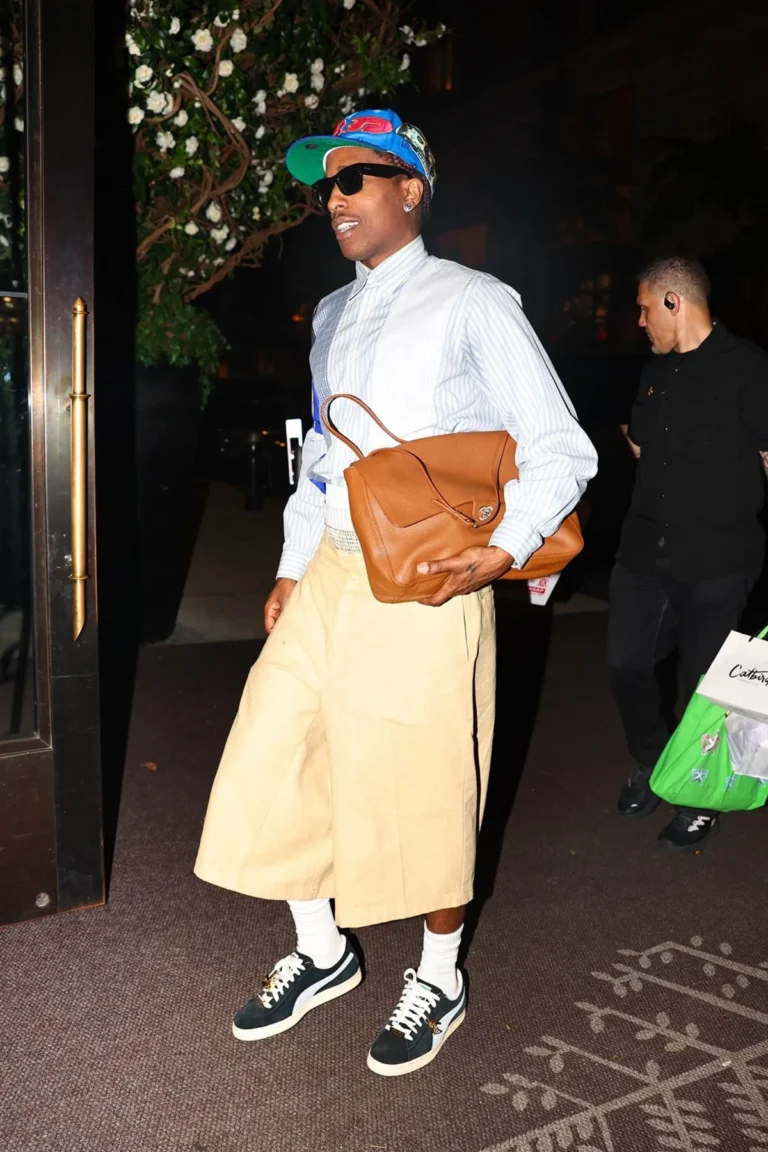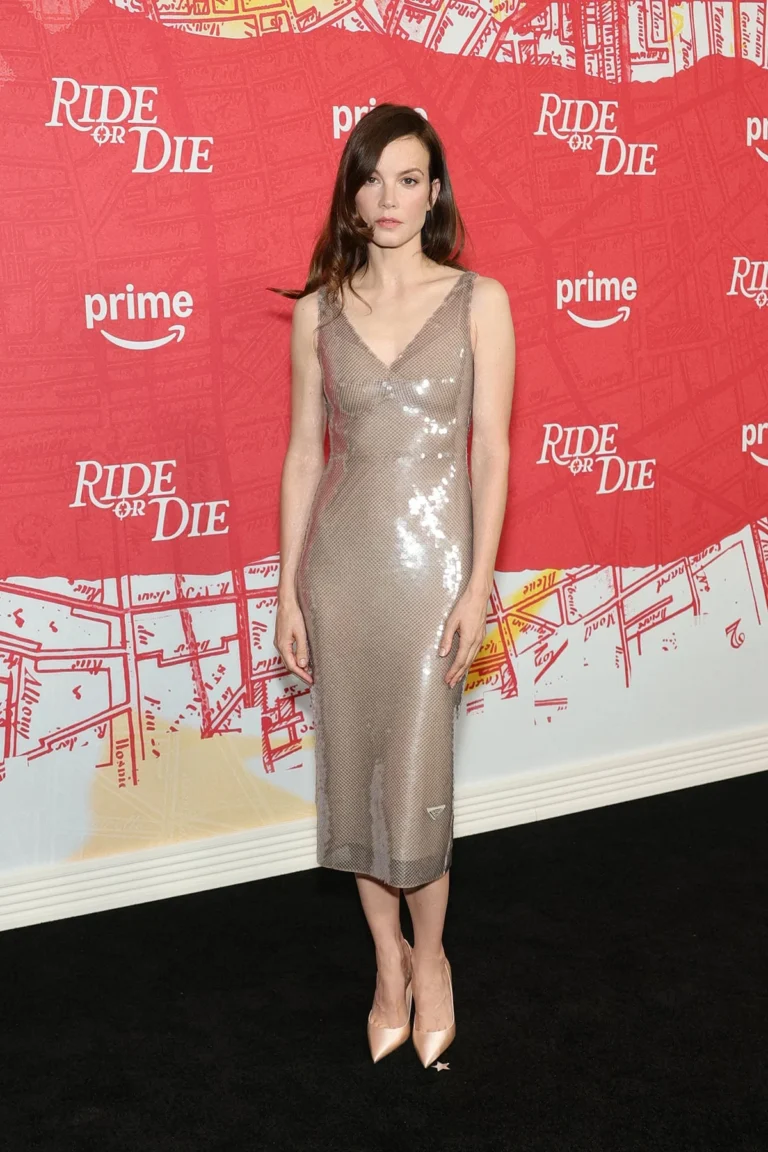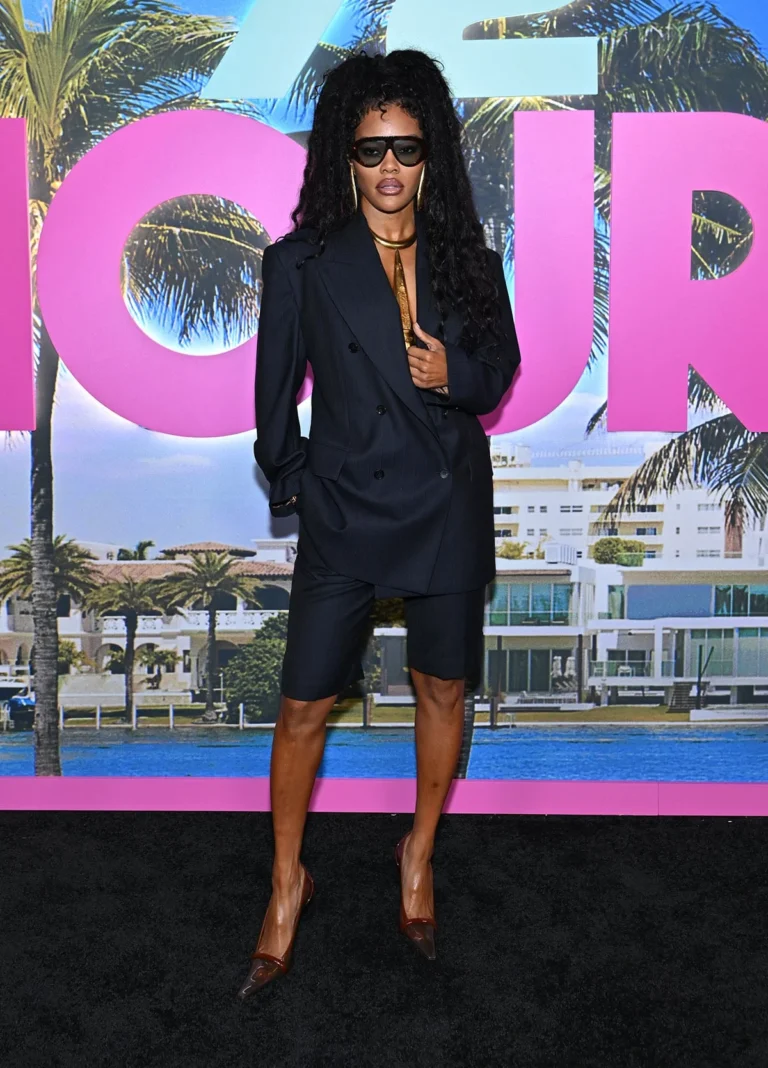



The global fashion industry has witnessed a significant shift in the strategic deployment of celebrity wardrobes, transitioning from mere aesthetic choices to complex exercises in brand storytelling and diplomatic signaling. In a series of high-profile international events ranging from film premieres to royal engagements, several key figures have recently redefined the intersection of luxury couture and public persona. From the meticulously curated "method dressing" of Zendaya during the promotional tour for her latest projects to the sustainable fashion advocacy of the Princess of Wales, the recent cycle of public appearances underscores the increasing importance of the "Media Impact Value" (MIV) in the luxury sector. This report examines the technical and strategic nuances of these appearances, highlighting the work of designers such as Christian Cowan, Catherine Walker, Chanel, and Tom Ford, while analyzing the broader economic and cultural implications for the global fashion market.
The Strategic Dominance of Method Dressing and Archival Selection
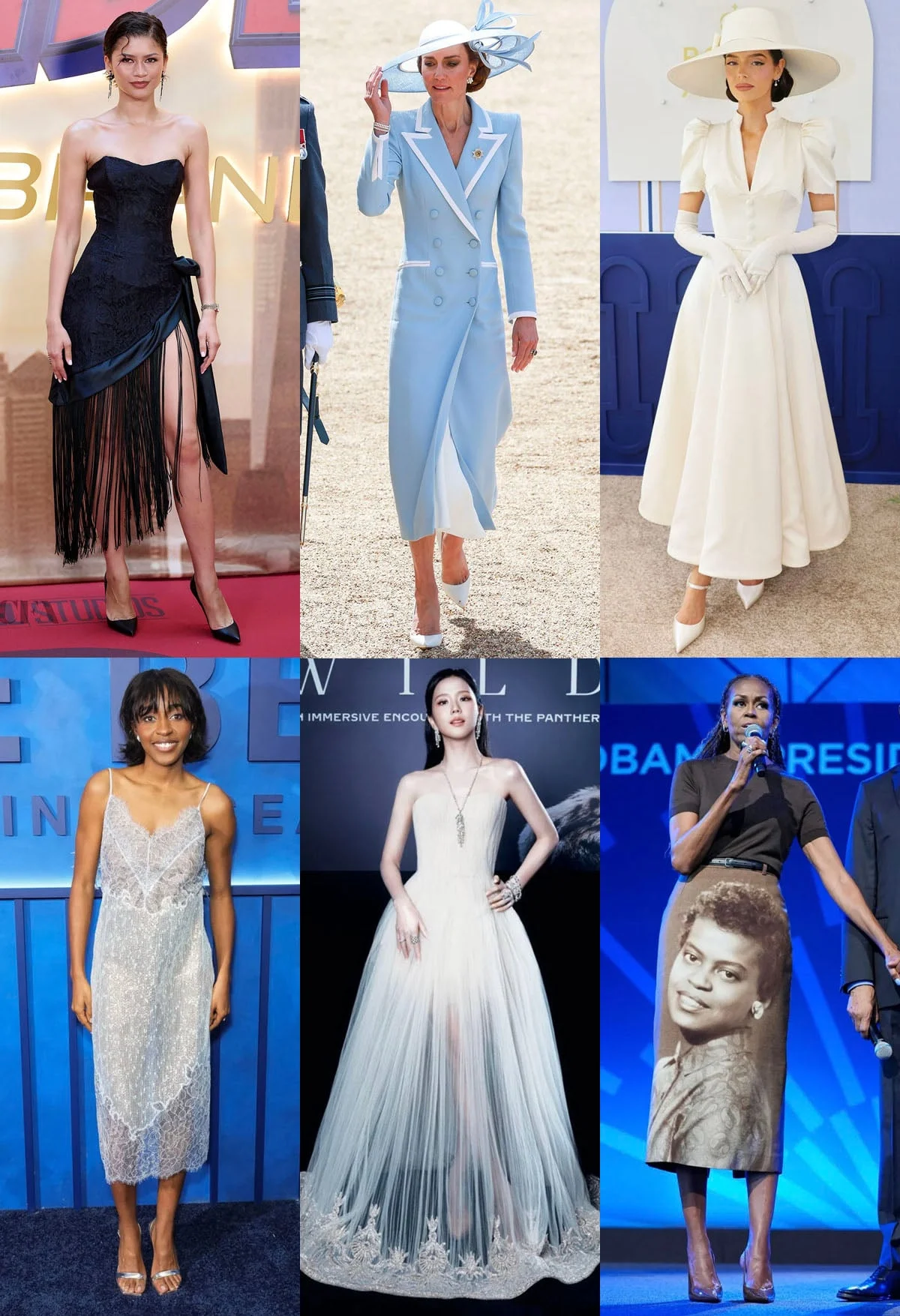
A central pillar of the current fashion discourse is the rise of "method dressing," a practice where actors wear garments that narratively align with the themes of the projects they are promoting. Zendaya, in collaboration with stylist Law Roach, has become the preeminent practitioner of this strategy. Her recent appearances in Christian Cowan, Ernesto Naranjo, Alexander McQueen, and Rodarte serve as a masterclass in thematic consistency. The McQueen ensemble, in particular, utilized sharp tailoring and structural elements that mirrored the intensity of her cinematic roles, while the Rodarte selection offered a softer, yet equally calculated, aesthetic contrast.
Industry analysts note that Zendaya’s ability to move between avant-garde designers like Ernesto Naranjo and established houses like McQueen creates a multifaceted brand identity that appeals to both high-fashion purists and younger consumers. This versatility is not merely an artistic choice; it is a calculated business move. According to data from marketing platforms, Zendaya’s red carpet appearances consistently generate millions of dollars in MIV within 48 hours of an event, often outperforming traditional advertising campaigns for the brands she represents.
Royal Diplomacy and the Sustainable Fashion Mandate
The Princess of Wales continues to utilize her platform to balance traditional royal protocol with modern industrial concerns, specifically sustainability and the support of the British textile industry. Her recent appearance in a Catherine Walker coat dress—a staple designer for the royal family—reaffirmed her commitment to legacy and institutional stability. However, it was her selection of a garment by Patrick McDowell that signaled a more progressive shift.
McDowell, a designer known for his focus on circularity and sustainable practices, represents the "New Guard" of British fashion. By choosing a piece from a designer who prioritizes recycled materials and ethical labor, the Princess of Wales aligns the monarchy with contemporary environmental goals. This choice is particularly significant given the Royal Family’s increasing involvement in climate advocacy. From a journalistic perspective, this transition from purely aesthetic "diplomatic dressing" to "ethical dressing" reflects a broader change in how public figures are expected to use their influence to address global challenges.
Legacy Houses and the Power of the Brand Ambassador
The enduring partnership between heritage brands and established icons remains a cornerstone of the luxury economy. Penelope Cruz and Ayo Edebiri both made significant appearances in Chanel, demonstrating the brand’s ability to cater to different generations of talent. For Penelope Cruz, a long-standing ambassador, the Chanel aesthetic is an extension of her established public identity—elegant, timeless, and deeply rooted in European cinema. Conversely, Ayo Edebiri’s association with Chanel signals the brand’s desire to capture the "cool factor" associated with the new wave of Hollywood talent.
Similarly, Angelina Jolie’s appearance in Tom Ford by Haider Ackermann highlights a sophisticated evolution in brand creative direction. Haider Ackermann’s influence on the Tom Ford aesthetic introduces a new level of drapery and fluidity, which Jolie, known for her minimalist and statuesque style, executed with precision. This collaboration underscores how a designer’s appointment at a major house can be validated through the endorsement of an A-list celebrity whose personal brand aligns with the new creative vision.
Global Influence and the Expansion of Luxury Markets
The inclusion of international icons such as Jisoo and Kara Wai in the top echelons of fashion rankings highlights the decentralization of the fashion world. Jisoo, a member of the global phenomenon Blackpink, appeared in Georges Hobeika Couture, illustrating the immense power of K-pop stars in the luxury sector. The "Jisoo effect" is a documented phenomenon where items she wears sell out globally within hours, and her presence at fashion weeks can account for a significant percentage of a brand’s total social media engagement for the season.
Kara Wai’s appearance in Loewe serves as a reminder of the critical importance of the East Asian market, particularly the Greater China region. As Loewe continues to see growth under the creative direction of Jonathan Anderson, its partnership with respected cinematic figures like Wai helps the brand maintain an aura of intellectual and artistic credibility. This is mirrored in the West by figures like Gugu Mbatha-Raw, whose appearance in Hermès reflects the "quiet luxury" trend—a move toward understated, high-quality garments that prioritize craftsmanship over visible logos.
Chronology of Key Fashion Events and Brand Debuts
The timeline of these appearances coincides with a high-density period in the global cultural calendar, including the spring film festival circuit, the launch of major television series, and the transition between seasonal collections.
- Late Winter/Early Spring: The initial rollout of Zendaya’s press tour begins, setting the tone for thematic dressing with Christian Cowan and McQueen.
- Spring Awards Season: Figures like Ayo Edebiri and Penelope Cruz utilize Chanel’s archival and new collections to maintain visibility during the peak of the entertainment industry’s recognition cycle.
- Royal Engagements: The Princess of Wales alternates between Catherine Walker for formal state functions and Patrick McDowell for community-focused events, creating a dual-track fashion strategy.
- Summer Transitions: Michelle Obama’s appearances in Acne Studios and Thom Browne coincide with her continued public speaking engagements and book tours, signaling a shift toward more experimental, "intellectual" fashion choices.
- Couture and High-Profile Galas: Maura Higgins in Sabina Bilenko Couture and Jisoo in Georges Hobeika represent the peak of formal event dressing, where the focus is on intricate handwork and "red carpet drama."
Economic Data and Market Analysis
The financial implications of these fashion choices are substantial. In 2023 and early 2024, the luxury goods market saw a slight cooling in certain regions, leading brands to rely more heavily on celebrity "stunting" to drive engagement.
- Conversion Rates: While haute couture (like Georges Hobeika) is not intended for mass consumption, the "halo effect" it creates drives sales for the brand’s ready-to-wear lines and beauty products.
- Social Media Metrics: Analysis of Instagram and TikTok engagement shows that "outfit IDs"—posts identifying what a celebrity is wearing—are among the most saved and shared content types, providing brands with organic, high-intent reach.
- Designer Visibility: For independent or emerging designers like Patrick McDowell or Sabina Bilenko, a single appearance on a major public figure can lead to a 300-500% increase in web traffic and wholesale inquiries from global retailers.
Official Responses and Industry Sentiment
While most luxury houses refrain from commenting on the specific costs of these partnerships, creative directors often speak to the "synergy" between the muse and the maker. Law Roach, Zendaya’s long-time collaborator, has frequently stated in interviews that their goal is to create "fashion moments that live forever in the archives." This sentiment is echoed by designers like Victoria Beckham, who often wears her own label to serve as the ultimate living advertisement for her brand’s fit and lifestyle.
Critics and fashion historians have noted that the current era is one of "calculated authenticity." Every look, from Michelle Obama’s structured Thom Browne suits to Maura Higgins’ couture gowns, is vetted by teams of stylists, publicists, and brand managers to ensure the message aligns with the individual’s long-term career goals.
Broader Impact and Future Implications
The synthesis of celebrity culture and high fashion is no longer an auxiliary part of the industry; it is its primary engine. The data suggests that consumers are increasingly looking to these public figures not just for inspiration, but as filters for a saturated market. The success of Zendaya in Rodarte or the Princess of Wales in Patrick McDowell proves that a well-executed fashion moment can bridge the gap between unattainable luxury and cultural relevance.
Looking forward, the industry is expected to see an even greater emphasis on "narrative dressing." As artificial intelligence and digital avatars begin to play a role in fashion, the value of a "real-life" moment—the texture of a Chanel tweed, the movement of a Georges Hobeika gown, or the sharp lines of a McQueen suit—becomes even more prized. The celebrities listed in this report are not merely wearing clothes; they are acting as the ultimate conduits for a multi-billion dollar industry that thrives on the constant reinvention of the self through the medium of design.
In conclusion, the recent appearances of these sixteen individuals and their respective designers represent a sophisticated ecosystem of marketing, artistry, and diplomacy. As the lines between entertainment and commerce continue to blur, the red carpet remains the most potent stage for the projection of power, style, and cultural values in the 21st century.