




The global landscape of sustainable fashion is currently experiencing a critical juncture, marked by both formidable economic challenges and inspiring innovations from dedicated brands. While the relentless pursuit of newness and fleeting trends by the mainstream industry continues to exert immense environmental pressure, the ongoing efforts and significant strides made by smaller, more sustainable labels offer a beacon of hope and a blueprint for a better future. This April 2026, as the industry grapples with a complex confluence of financial constraints and evolving consumer demands, we delve into the dynamics shaping the sustainable fashion movement and highlight five pivotal developments that underscore its enduring spirit.
The Shifting Landscape: Economic Headwinds and Advocacy Struggles
The narrative surrounding sustainable fashion in early 2026 has been tinged with concern, as numerous reports chronicle the struggles of both advocacy organizations and pioneering brands. A recent notable development was Fashion Revolution’s announcement regarding the closure of its UK headquarters, a move that sent ripples through the ethical fashion community. Fashion Revolution, an international movement advocating for greater transparency and ethics in the fashion supply chain since the Rana Plaza factory collapse in 2013, stated that funding and rising operational costs were key factors in this decision. While its global network continues to operate, the closure of a significant national hub underscores the precarious financial environment even for established non-profits dedicated to systemic change.
This struggle is not isolated. The closure of Mila.Vert, a beloved top-rated sustainable brand known for its minimalist designs and ethical production, further illustrates the intense pressures facing small businesses committed to high standards. Statements from both entities cited escalating costs across various operational facets. Geopolitical crises globally have driven up the prices of raw materials, shipping, and energy, creating an inflationary environment that disproportionately impacts smaller enterprises with less bargaining power and tighter margins. Furthermore, shifts in governmental priorities, with some nations appearing to pivot away from stringent climate goals and reduce investments in renewable energy, contribute to a less supportive policy landscape for sustainable industries. These macro-economic and political forces combine to push up export tariffs and production expenses, making it increasingly difficult for sustainable brands to compete on price, especially as consumers themselves feel the pinch of a rising cost of living. Data from recent consumer surveys indicates a growing tension between a desire for ethical products and the immediate financial realities faced by households, presenting a significant hurdle for brands whose products often carry a premium due to ethical sourcing and production.
A Historical Perspective: Riding the Waves of Change
Despite the current downturn, industry analysts and long-term observers maintain a perspective of cautious optimism. A recent report by the influential think tank Futerra, titled "Ride the Waves," provides crucial historical context, revealing that the journey towards a more sustainable economy, including fashion, has never been linear. The report meticulously tracks periods of intense progress ("upwaves") followed by periods of stagnation or even regression ("downwaves") dating back to the environmental movements of the 1960s. "There’s always been upwaves and downwaves, and the current slump of media coverage will track back up again we suspect in early 2027," stated a Futerra spokesperson in a recent interview, emphasizing the cyclical nature of societal and economic commitment to sustainability.
This historical analysis suggests that the current challenges, while significant, are part of a larger pendulum swing rather than a permanent decline. Past "upwaves" have seen the rise of organic cotton movements in the 1990s, the fair trade boom of the early 2000s, and the more recent surge in awareness around circularity and material innovation. Each "downwave" has tested the resilience of the movement, but ultimately, these periods have also forced introspection, innovation, and a stronger resolve among those committed to change. The report implies that periods of adversity often prune less committed actors and catalyze stronger, more robust strategies from those who remain. This long-term perspective is vital for maintaining hope and supporting the small businesses that are not only prioritising better practices but actively working to build the resilient industry of tomorrow. It also empowers consumers to make informed choices that align with their values, even amidst economic uncertainties.
Spotlight on Innovation: Brands Paving the Way in April 2026
Against this backdrop of challenge and historical context, several brands continue to demonstrate remarkable resilience and innovation. These companies, rigorously assessed and rated "Good" or "Great" by independent systems like Good On You, exemplify the ongoing commitment to creating a more ethical and sustainable fashion industry. This April, we highlight five such developments that offer tangible steps forward.
1. Triarchy: Ranchero Denim – Weaving Sustainability into Style
Triarchy, a brand consistently lauded for its pioneering work in sustainable denim, has unveiled its new Western-inspired "Ranchero" collection for Spring/Summer 2026. Rated "Great" by Good On You for its environmental practices, Triarchy has long been at the forefront of tackling denim’s notoriously high environmental impact. The Ranchero collection continues this legacy, featuring denim crafted entirely from 100% organic cotton. Organic cotton cultivation significantly reduces water usage and eliminates harmful pesticides and synthetic fertilizers, which are prevalent in conventional cotton farming and contribute to soil degradation, water pollution, and farmer health issues. Global Organic Textile Standard (GOTS) certification, often associated with such materials, ensures rigorous environmental and social criteria throughout the supply chain, from harvesting to manufacturing.
A standout feature of the Ranchero line is its innovative approach to design and finishing. The cool plaid patterns adorning pieces like the skirt, jacket, and jeans are created using laser technology rather than traditional, water-intensive, and chemical-heavy treatments. Laser finishing dramatically reduces water consumption by up to 90% and eliminates the need for hazardous chemicals like potassium permanganate and hypochlorite commonly used for distressing denim. This technological leap not only lessens the environmental footprint but also improves working conditions for garment workers. Furthermore, Triarchy is renowned for its commitment to plastic-free stretch denim. Conventional stretch denim often incorporates synthetic elastic fibers like elastane or spandex, which are derived from fossil fuels and release microplastics into waterways during washing. Triarchy’s dedication to avoiding these materials underscores a broader commitment to mitigating plastic pollution in the fashion industry. The collection’s aesthetic, with its distinctive appliqué detailing, is designed to evoke a timeless, enduring style, making these pieces ideal for long-term wear and embodying the anti-fast fashion ethos. It’s easy to envision fashion-forward artists like Kacey Musgraves embracing these unique, responsibly crafted garments, merging style with substance.
2. Pangaia: The Cool Comfort of Rain-Fed European Linen
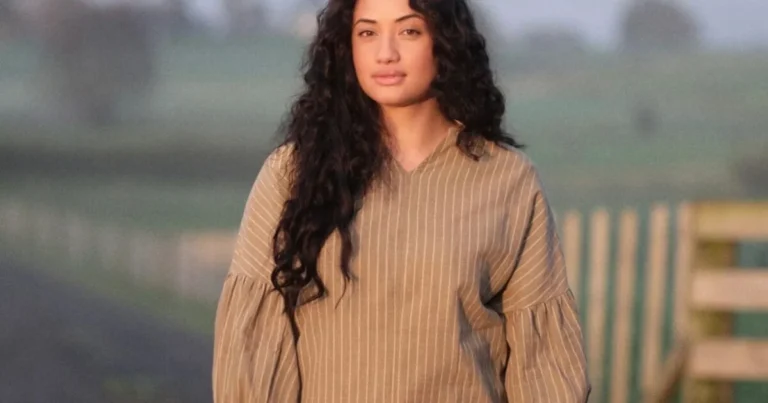
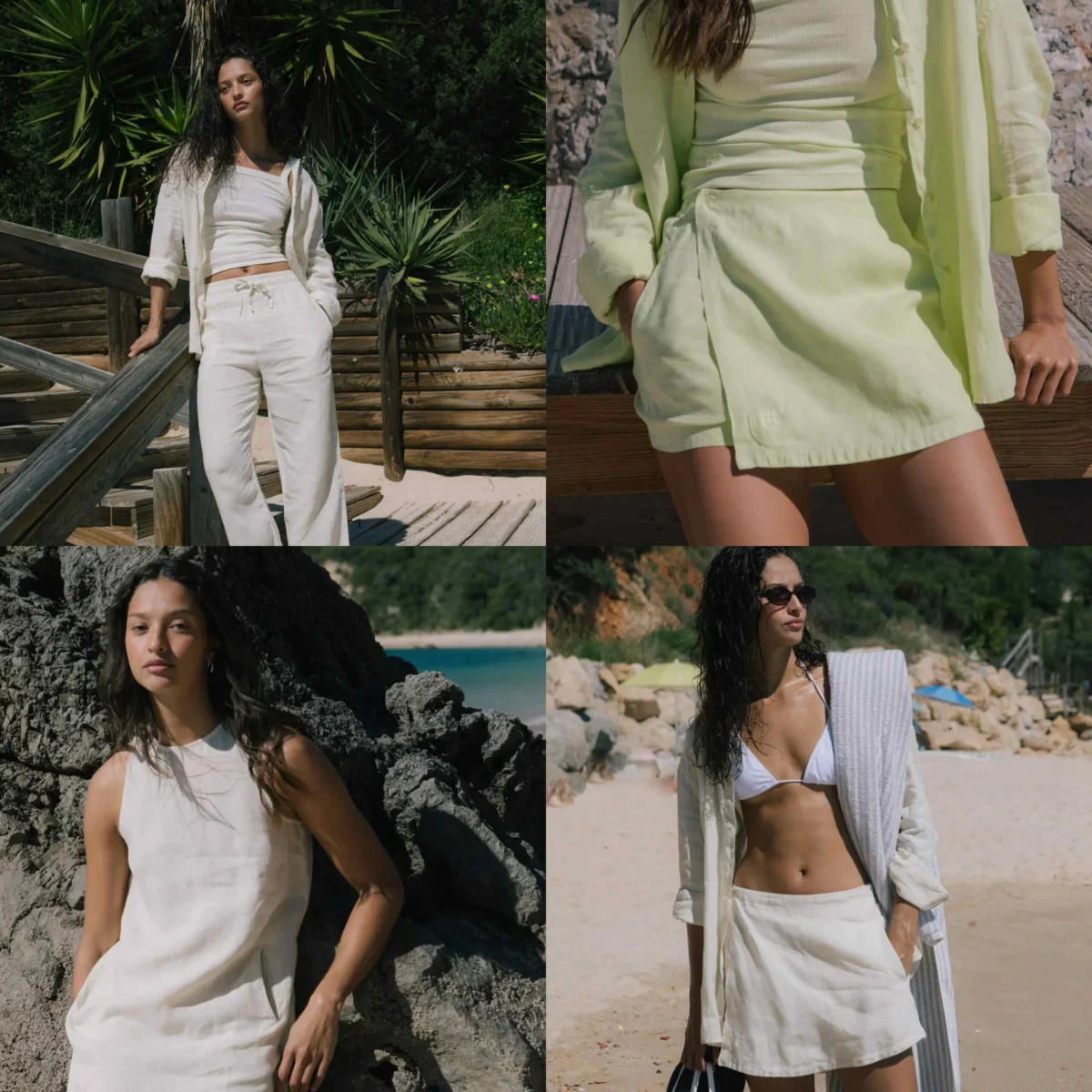
Pangaia, another brand consistently earning a "Great" rating, has introduced its summer line-up featuring an extensive range of apparel made from rain-fed European linen. Linen has long been celebrated as one of the most environmentally friendly natural fibres, and Pangaia’s choice highlights its exceptional benefits. The flax plant, from which linen is derived, is remarkably versatile, capable of thriving in poor soil conditions with minimal intervention, often requiring no irrigation beyond natural rainfall. This "rain-fed" sourcing is a critical environmental advantage, significantly reducing the water footprint compared to other crops that demand extensive irrigation.
The European sourcing of Pangaia’s linen also carries environmental benefits, often implying stricter agricultural and processing regulations compared to regions with laxer oversight. Beyond its cultivation, linen offers practical advantages for the wearer: it is highly breathable, dries quickly, and naturally helps to regulate body temperature, making it an ideal fibre for summer clothing. Pangaia’s new collection focuses on comfortable, minimalist shapes and designs, positioning these linen pieces as essential, versatile building blocks for any wardrobe. This design philosophy aligns perfectly with the principles of a "capsule wardrobe" and encourages longevity of use, reducing the cycle of consumption and waste inherent in trend-driven fashion. By focusing on high-quality, sustainably sourced basics, Pangaia reinforces the idea that true sustainability lies not just in material choice but also in design for durability and timeless appeal.
3. Bario Neal: Demystifying Ethical Jewellery and Battling Greenwashing
In observance of Earth Day this April, Page Neal, co-owner and designer of the "Great" rated jewellery brand Bario Neal, provided invaluable insights into the complex world of ethical jewellery. Her interview served as a crucial demystification of greenwashing tactics prevalent in the industry, offering essential reading for conscientious consumers. Bario Neal has built its reputation on an unwavering commitment to transparency and responsible sourcing, a stark contrast to the often opaque practices of larger, publicly owned jewellery corporations.
Neal’s discussion delved into critical questions, such as the true ethical credentials of lab-grown diamonds versus their mined counterparts. While lab-grown diamonds are often promoted as a more sustainable alternative, Neal emphasized the importance of scrutinizing the energy sources used in their production, as some methods can be highly energy-intensive. She argued that true ethical superiority hinges on the use of renewable energy in their creation. Similarly, the concept of "recycled metal" was examined. While recycling is undoubtedly beneficial, Neal highlighted the necessity of understanding the provenance of recycled materials. For instance, is the recycled gold truly pre-consumer or post-consumer waste, and what are the refining processes involved? Smaller labels like Bario Neal often have more direct control and transparency over their supply chains, enabling them to verify the origins and processing methods of their materials more rigorously than larger entities that rely on vast, complex global networks. Neal’s insights are a powerful call for consumers to look beyond surface-level claims and demand verifiable evidence of sustainable and ethical practices, whether it pertains to the environmental impact of materials or the social responsibility within the crafting process.
4. Jiwya: Plant-Based Prowess on the Paris Runway
Jiwya, a brand that has captivated the attention of ethical fashion advocates, earned its "Great" rating by pushing the boundaries of truly plant-based fashion. Editors at Good On You first took notice when Emma Håkansson, founder of Collective Fashion Justice—a leading voice for a fashion system free from animal exploitation—was seen wearing Jiwya’s distinctive woven jacket in London. Building on this momentum, Jiwya made a significant statement at Paris Fashion Week in March, showcasing a new collection entirely devoid of animal-derived materials and synthetic components.
The collection, now available online, is a testament to what is achievable with a holistic plant-based approach. This means not only avoiding animal products like wool, leather, or silk but also meticulously ensuring that no synthetic dyes, threads, or fibres (such as polyester or nylon) are used. The gender-neutral line features garments made from hand-spun and hand-woven materials, a process that inherently reduces energy consumption compared to industrial textile production and supports traditional artisan communities. The use of plant-based dyes further minimizes the environmental impact by eliminating toxic chemicals often found in synthetic dyes, which can pollute waterways and pose health risks to workers. Each piece boasts intricate hand-embroidered detailing, transforming clothing into wearable art and emphasizing the value of human craftsmanship. Jiwya’s commitment to these labour-intensive, high-skill techniques not only preserves cultural heritage but also creates garments designed for longevity—true investment pieces intended to be cherished and worn for years, directly countering the disposable nature of fast fashion.
5. Dilli Grey: Preserving Craft and Upholding Labour Justice
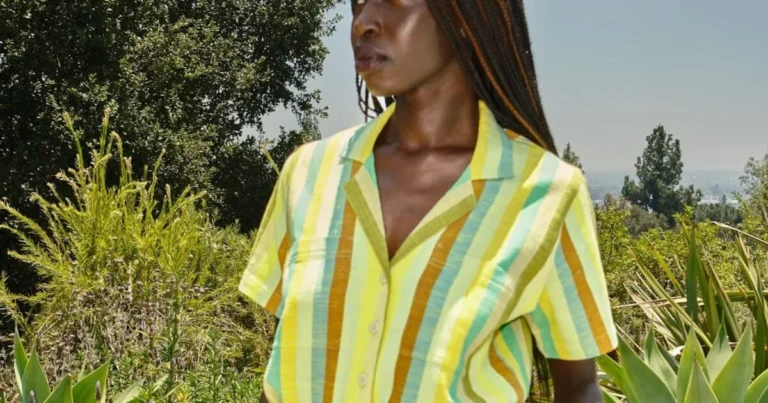
Dilli Grey’s new collection of dresses beautifully exemplifies the profound connection between cultural preservation, artisan craftsmanship, and ethical labour practices. The brand, which regularly achieves a "Good" rating, presents dresses adorned with intricate, traditional block printing techniques. These pieces are not mass-produced but are crafted in small batches by skilled artisans across Jaipur, Lucknow, and Delhi in India. Dilli Grey’s commitment extends to visiting these artisan communities every season, fostering direct relationships and ensuring transparent, fair working conditions.
Block printing is a centuries-old art form that requires immense skill, patience, and precision. By commissioning these techniques, Dilli Grey not only produces unique, high-quality garments but also plays a vital role in preserving traditional crafts that are often threatened by industrialization and mass production. This approach ensures that artisans receive fair wages and work in safe environments, thereby upholding labour justice within the supply chain. The dresses become more than just clothing; they are conversation starters, embodying stories of heritage, skill, and ethical production. In a fashion industry frequently criticized for exploiting labour and devaluing craftsmanship, Dilli Grey stands as a powerful example of how brands can actively contribute to sustainable livelihoods and cultural continuity, demonstrating that beautiful, stylish clothing can also be a vehicle for positive social impact.
The Broader Implications: Building a Resilient and Ethical Future
The insights and innovations highlighted in April 2026 paint a complex but ultimately hopeful picture for sustainable fashion. The struggles faced by Fashion Revolution and brands like Mila.Vert serve as stark reminders of the systemic barriers—economic, political, and cultural—that must still be overcome. Yet, the resilience and pioneering spirit of brands like Triarchy, Pangaia, Bario Neal, Jiwya, and Dilli Grey offer tangible proof that a better way of operating is not only possible but actively thriving.
These brands are not merely adopting isolated sustainable practices; they are embodying a holistic vision for the future of fashion. Their efforts collectively push for:
- Material Innovation and Responsibility: Prioritizing organic, rain-fed, and plant-based fibres, and scrutinizing the entire lifecycle of materials from origin to disposal.
- Ethical Production and Fair Labour: Supporting artisan communities, ensuring fair wages, and fostering transparent supply chains, often through direct engagement.
- Circular Design Principles: Creating durable, timeless pieces that resist fast fashion trends and encourage long-term wear, reducing waste.
- Transparency and Consumer Education: Actively fighting greenwashing and empowering consumers with knowledge to make truly informed decisions.
The sustained effort required to build this resilient future cannot rest solely on the shoulders of small, dedicated brands. It necessitates a concerted push from consumers demanding greater transparency, from policymakers creating supportive regulatory frameworks and incentivizing sustainable practices, and from larger industry players investing in transformative change rather than incremental adjustments. Platforms like Good On You, through their rigorous, independent rating systems, play a crucial role in bridging the information gap between brands and consumers, making it easier to identify and support truly ethical choices. As the pendulum of progress continues its swing, the developments of April 2026 underscore that while challenges persist, the foundational work for a truly sustainable and equitable fashion industry is being meticulously laid, one conscious choice and innovative garment at a time. The anticipated "upwave" in 2027 will likely be built upon these very foundations, demonstrating that dedication to values, even in difficult times, ultimately shapes the future.