











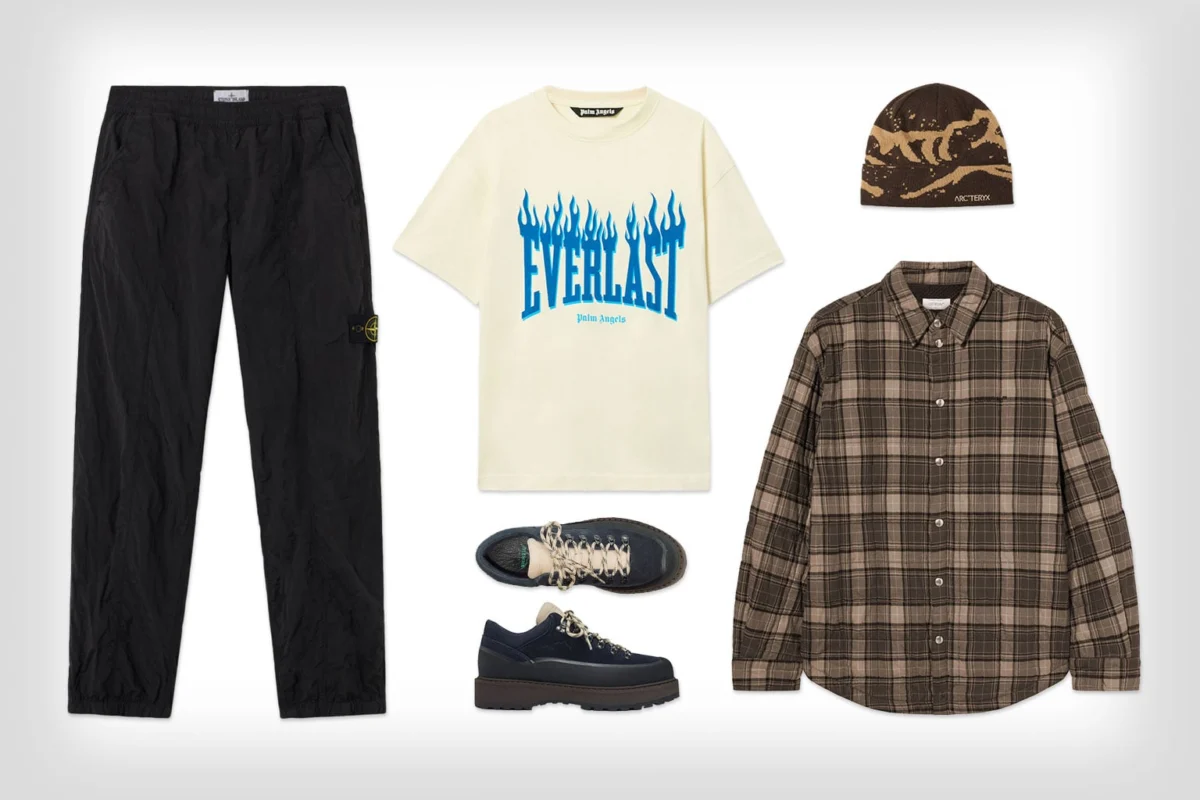
The fashion industry is a dynamic and ever-evolving landscape, constantly seeking new avenues for expression and innovation. In this pursuit, emerging trends often signal shifts in consumer preferences, technological integration, and the very definition of style. One such development, tentatively termed "Verge" by industry observers, represents a confluence of digital integration, personalized aesthetics, and a conscious move towards sustainable yet adaptable fashion. This phenomenon, while still in its nascent stages, is poised to redefine how individuals interact with their wardrobes and how brands approach design and consumer engagement.
Understanding the "Verge" Phenomenon
At its core, the "Verge" trend signifies a point of transition, a threshold where traditional fashion meets advanced technological capabilities and a heightened awareness of environmental impact. It is not a single product or a specific style, but rather a multifaceted movement characterized by several key pillars:
-
Digital Integration and Smart Textiles: The integration of technology into clothing is moving beyond novelty gadgets. "Verge" embraces smart textiles that can monitor vital signs, adjust to environmental conditions (e.g., temperature, UV exposure), or even display dynamic patterns and information. This includes advanced haptic feedback systems, embedded micro-LEDs for customizable illumination, and seamless connectivity with personal devices. Data from wearable tech is becoming increasingly sophisticated, allowing for personalized recommendations and even predictive fashion styling. For instance, early adopters of smart clothing have reported increased comfort and convenience through automated climate control within garments, a feature projected to become more widespread as the technology matures.
-
Personalized and Adaptive Design: The one-size-fits-all approach is rapidly becoming obsolete. "Verge" champions hyper-personalization, where garments are designed or adapted to individual body measurements, aesthetic preferences, and even emotional states. This is facilitated by advancements in 3D printing, parametric design, and AI-driven customization platforms. Clothing is becoming less static and more responsive, with materials and structures that can subtly change form or texture based on user input or environmental cues. Research by trend forecasting agencies indicates a significant consumer demand for bespoke fashion experiences, with projections suggesting the personalized apparel market could reach over $80 billion globally by 2028.
-
Sustainability and Circularity: A critical component of the "Verge" movement is a profound commitment to sustainability. This encompasses the use of eco-friendly materials, ethical manufacturing processes, and a focus on circularity – designing for longevity, repairability, and eventual recycling or upcycling. Brands are exploring biodegradable fabrics, innovative dyeing techniques that minimize water usage, and modular design principles that allow for components of a garment to be replaced or upgraded rather than discarding the entire piece. The environmental impact of the fashion industry is a growing concern, with studies highlighting its significant contribution to carbon emissions and waste. The "Verge" trend is seen as a direct response to this, pushing for a more responsible and conscious approach to consumption.
-
Augmented Reality (AR) and Virtual Experiences: The line between the physical and digital realms is blurring. "Verge" incorporates AR overlays that can enhance the perception of physical garments, allowing for virtual try-ons, interactive styling advice, and even the display of digital art or information on clothing. Virtual fashion shows and digital showrooms are becoming increasingly sophisticated, offering immersive experiences that transcend geographical limitations. This digital layer adds a new dimension to personal expression and brand engagement, creating novel ways for consumers to interact with fashion.
Timeline and Evolution of the "Verge" Concept
While the term "Verge" is a recent articulation, its constituent elements have been developing for years, converging to form this distinct trend.
-
Early 2010s: The Dawn of Wearable Technology: The initial forays into smart clothing began with basic fitness trackers and rudimentary embedded sensors. These were often clunky and focused on single functionalities.
-
Mid-2010s: Rise of 3D Printing and Customization Platforms: Advancements in 3D printing technology opened up new possibilities for bespoke garment creation. Online platforms began offering personalized design options, albeit with limited material choices.
-
Late 2010s: Growing Environmental Consciousness: Increased public awareness of climate change and the fashion industry’s environmental footprint led to a surge in demand for sustainable materials and ethical production. Certifications and transparency in supply chains became more prominent.
-
Early 2020s: Maturation of Smart Textiles and AR Integration: Smart textiles became more sophisticated, with improved durability, washability, and a wider range of functionalities. Augmented reality applications for fashion started to gain traction, initially for virtual try-ons and later for more interactive experiences.
-
Mid-2020s (Present): The Convergence – Emergence of "Verge": The current period marks the true convergence of these elements. Brands and designers are beginning to cohesively integrate smart textiles, personalized design algorithms, sustainable practices, and AR/VR experiences into cohesive collections and consumer offerings. The "Verge" concept crystallizes this synergistic evolution, recognizing the interconnectedness of these advancements.
Supporting Data and Industry Indicators
Several data points and industry trends underscore the growing significance of the "Verge" phenomenon:

-
Investment in Fashion Tech: Venture capital funding in fashion technology has seen a steady increase. Startups focusing on AI-powered design, sustainable material innovation, and AR/VR fashion platforms have attracted substantial investment, signaling strong market confidence. For example, reports indicate that global investment in fashion tech reached over $2 billion in 2023, a significant jump from previous years.
-
Consumer Surveys and Demand: Market research consistently shows a growing consumer appetite for personalized products and sustainable options. Surveys conducted by leading market research firms reveal that a significant percentage of consumers, particularly millennials and Gen Z, are willing to pay a premium for ethically sourced and customized apparel. A recent poll indicated that over 60% of consumers aged 18-35 consider sustainability a key factor in their purchasing decisions.
-
Brand Adoption and Innovation: Leading fashion houses and emerging designers are actively experimenting with the core tenets of "Verge." We are seeing collaborations between tech companies and fashion brands, the launch of digital-only fashion collections, and a greater emphasis on material innovation in supply chain reports. For instance, the integration of biosensors into performance wear is becoming more commonplace, offering athletes real-time physiological feedback.
-
Growth of the Metaverse and Digital Fashion: The burgeoning metaverse and the increasing popularity of digital fashion avatars and collectibles are pushing the boundaries of what clothing can be. While distinct from physical fashion, the underlying principles of digital design, personalization, and virtual experience are highly relevant to the "Verge" trend. The digital fashion market is projected to grow exponentially, further normalizing the integration of digital elements into our understanding of personal style.
Inferred Reactions and Potential Implications
While specific official statements on "Verge" as a unified trend are yet to emerge, the industry’s actions speak volumes.
-
Designer Adaptations: Designers are increasingly embracing digital tools for pattern making and visualization, allowing for more intricate and personalized designs. The ability to prototype virtually reduces waste and accelerates the design cycle. This shift is likely to be met with enthusiasm from those seeking unique fashion statements, but may present a learning curve for designers more accustomed to traditional methods.
-
Manufacturer Challenges and Opportunities: Manufacturers face the challenge of adapting their production lines to incorporate new technologies and sustainable materials. This could involve significant investment in new machinery and retraining of the workforce. However, it also presents an opportunity to become leaders in a rapidly growing market segment. The demand for skilled technicians capable of working with smart textiles and automated customization systems is expected to rise.
-
Retailer Evolution: Traditional retail models will need to evolve. We can anticipate a greater emphasis on experiential retail, with in-store AR demonstrations, personalized styling consultations powered by AI, and curated selections of sustainable and tech-integrated garments. The role of the physical store may shift towards becoming a hub for customization, repair, and community engagement.
-
Consumer Empowerment: For consumers, "Verge" promises greater control over their personal style and a more conscious relationship with their clothing. The ability to customize, adapt, and understand the provenance of their garments empowers them to make informed choices that align with their values. However, accessibility and affordability will be key considerations for widespread adoption.
Broader Impact and Analysis
The "Verge" trend has far-reaching implications beyond the immediate fashion industry:
-
Economic Shifts: The rise of fashion tech and sustainable manufacturing could lead to the creation of new job sectors and a redefinition of manufacturing hubs. Economies that invest in research and development in these areas are likely to benefit.
-
Environmental Responsibility: If widely adopted, "Verge" has the potential to significantly reduce the environmental footprint of the fashion industry. A focus on circularity and sustainable materials could mitigate waste and pollution associated with fast fashion. However, the energy consumption of digital technologies and the lifecycle impact of smart components will require careful consideration and ongoing innovation.
-
Cultural Evolution: As clothing becomes more interactive and personalized, it could influence how we express identity and engage with the world around us. The integration of digital and physical realities in fashion could foster new forms of social interaction and artistic expression.
-
Ethical Considerations: The increasing collection and use of personal data through smart garments raise important privacy concerns. Robust ethical frameworks and transparent data policies will be crucial to ensure consumer trust and safeguard individual rights. The potential for digital fashion to exacerbate social inequalities, with exclusive digital items only accessible to a privileged few, also warrants attention.
In conclusion, "Verge" represents more than just a fleeting trend; it is a paradigm shift in how fashion is conceived, created, and consumed. As technology continues to advance and consumer consciousness grows, this movement towards integrated, personalized, and sustainable fashion is poised to shape the future of style, offering a glimpse into a wardrobe that is as intelligent and adaptable as the individuals who wear it. The journey towards this future will undoubtedly involve ongoing innovation, collaboration, and a commitment to responsible evolution.