










Supermarket giant Wm Morrison Supermarkets plc has initiated a significant restructuring within its in-house clothing brand, Nutmeg, resulting in a number of redundancies as the company prepares to relocate Nutmeg’s head office. The move, exclusively revealed by Drapers on April 30, 2026, is understood to be part of a broader strategic initiative aimed at streamlining operations, enhancing efficiencies, and fostering greater integration across the Morrisons group. While the precise number of affected roles has not been disclosed, sources close to the matter indicate that the cuts impact various departments within Nutmeg’s administrative and design functions, marking a pivotal moment for the brand since its inception.
The Genesis of Nutmeg: A Strategic Launch
Nutmeg was first launched by Morrisons in March 2013, representing a significant foray into the competitive world of supermarket fashion. At the time, Morrisons aimed to capture a share of the burgeoning market for affordable, quality clothing, following the successful precedents set by rivals like Tesco’s F&F, Asda’s George, and Sainsbury’s Tu. The brand was positioned to offer stylish yet practical clothing for babies, children, and adults, with a particular emphasis on value and durability – attributes that resonated strongly with Morrisons’ core customer base. Its introduction was a strategic move to boost footfall in stores, differentiate the Morrisons shopping experience, and increase customer loyalty by offering a comprehensive lifestyle solution beyond groceries.
Initially, Nutmeg operated with a relatively independent structure, fostering its own design ethos and supply chain partnerships to ensure its distinct identity within the Morrisons ecosystem. This autonomy allowed the brand to develop a strong creative direction and respond agilely to fashion trends, carving out a niche for itself among budget-conscious families. Over the past decade, Nutmeg has grown to become a recognisable presence within Morrisons’ larger stores, contributing to the supermarket’s non-food revenue streams and reinforcing its image as a one-stop-shop for household needs. Its success has often been attributed to its accessible price points, consistent quality, and ability to mirror contemporary fashion without alienating its family-oriented demographic.
Morrisons Under Scrutiny: A Period of Transformation
The decision to restructure Nutmeg comes against a backdrop of significant transformation and intense scrutiny for Morrisons itself. In October 2021, the supermarket chain was acquired by US private equity firm Clayton, Dubilier & Rice (CD&R) in a £7 billion deal, marking a new chapter for the Bradford-based retailer. Since the acquisition, CD&R has been focused on driving efficiency, reducing debt, and optimising profitability across the entire Morrisons portfolio. This has involved a series of strategic reviews, divestments, and operational overhauls, all aimed at strengthening Morrisons’ position in the fiercely competitive UK grocery market.
The retail landscape in the UK has become increasingly challenging in recent years, characterised by persistent inflation, a cost-of-living crisis impacting consumer spending, and the continued rise of discounters like Aldi and Lidl. Traditional ‘big four’ supermarkets, including Morrisons, have been under immense pressure to maintain market share, manage rising operational costs, and adapt to evolving consumer preferences, including a shift towards online shopping and greater demand for value. In its most recent financial reports, Morrisons has shown signs of stabilising its performance, but the imperative for cost control and operational excellence remains paramount for its private equity owners. Against this backdrop, every facet of the business, including its non-food ventures like Nutmeg, is subject to rigorous evaluation to ensure alignment with the overarching strategic goals of efficiency and financial robustness.
The Rationale Behind the Relocation: Efficiency and Integration
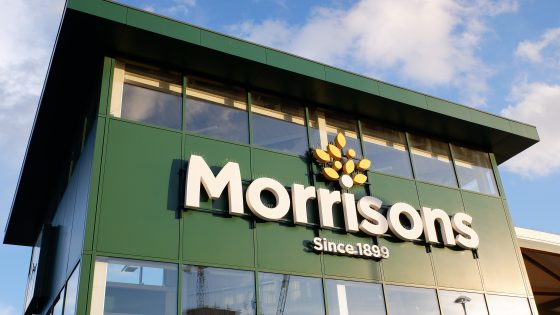
The primary driver behind the redundancies and the relocation of Nutmeg’s head office is understood to be a strategic push for greater operational synergy and cost efficiency. While Nutmeg has historically maintained a degree of independence, operating from a separate administrative hub, the new strategy aims to integrate its functions more closely with Morrisons’ central operations. Sources suggest that Nutmeg’s head office will be consolidated with Morrisons’ main headquarters in Bradford, West Yorkshire. This co-location is anticipated to unlock several benefits.
Firstly, consolidating administrative functions under one roof is expected to generate significant cost savings through reduced overheads, shared resources, and optimised property management. In a climate where every penny counts, eliminating redundant infrastructure and leveraging existing corporate facilities is a logical step. Secondly, the move aims to enhance communication and collaboration between Nutmeg’s teams and broader Morrisons departments, including merchandising, marketing, logistics, and finance. Such integration could lead to more cohesive product strategies, faster decision-making, and a more unified brand message across all of Morrisons’ offerings. For instance, closer collaboration might enable Nutmeg’s design and buying teams to better align with Morrisons’ seasonal campaigns, promotional calendars, and customer data insights, leading to more targeted and effective product assortments.
Industry analysts widely view such consolidation as a common tactic employed by large retailers, particularly those under private equity ownership, to unlock latent value and improve the bottom line. It allows for the standardisation of processes, better oversight, and the elimination of duplicated efforts. While the move entails short-term disruption and difficult decisions regarding staffing, the long-term vision is clear: a more streamlined, agile, and cost-effective Nutmeg that is seamlessly woven into the fabric of the wider Morrisons business.
The Impact on Employees: Navigating Redundancies
The redundancies at Nutmeg represent a challenging period for the affected employees, who are now navigating an uncertain job market. Companies undertaking such restructuring typically initiate a formal consultation process with staff and, where applicable, trade unions, to discuss the proposed changes, explore alternatives to redundancy, and outline support packages for those whose roles are ultimately impacted. It is understood that such consultation processes have been underway for several weeks leading up to the formal announcement in late April 2026.
For many, particularly those in creative and administrative roles specific to the fashion industry, finding new employment can be a daunting prospect. The UK retail sector, while dynamic, has seen a continuous evolution with a shift towards digital operations and a greater demand for multi-skilled individuals. Morrisons, through its official channels, is expected to emphasise its commitment to supporting affected colleagues during this transition, typically offering outplacement services, career counselling, and severance packages in line with statutory requirements and company policy. While such measures aim to mitigate the immediate impact, the human cost of restructuring remains a significant consideration for any organisation undergoing such changes. The talent and institutional knowledge of those departing will be a loss for Nutmeg, and the remaining team will face the challenge of adapting to a new structure and potentially increased workloads.
Industry Reactions and Expert Commentary
Following the Drapers exclusive, reactions from various stakeholders have begun to emerge, though official statements from Morrisons are often carefully worded to manage public perception. A spokesperson for Morrisons, when approached for comment, is likely to issue a statement acknowledging the restructuring as a "difficult but necessary decision to ensure the long-term sustainability and efficiency of our Nutmeg brand." Such statements typically reiterate a commitment to supporting affected colleagues and underscore the strategic importance of the brand to the wider business. They might also highlight the benefits of integration, framing the move as an enhancement of Nutmeg’s ability to serve Morrisons’ customers more effectively.
Trade unions, if representing Nutmeg staff, would likely express concern for the affected employees, calling for transparency in the redundancy process and urging Morrisons to provide comprehensive support. Such bodies often advocate for fair severance terms, assistance with job searches, and retraining opportunities to help individuals transition into new roles.
Industry analysts have largely viewed the move as a logical, albeit tough, decision. "This consolidation aligns perfectly with the strategic playbook often employed by private equity firms like CD&R," commented Dr. Eleanor Vance, a retail sector analyst at Sterling Research Group. "Their focus is on optimising asset utilisation and driving operational leverage. Integrating Nutmeg’s head office with Morrisons’ main hub makes complete sense from a cost-saving and efficiency perspective. It’s a sign that CD&R is continuing its work to make Morrisons a leaner, more agile competitor in a very tough market." Vance also suggested that while the immediate focus is on cost, the long-term goal might also involve a deeper integration of Nutmeg into Morrisons’ broader marketing and digital strategies, potentially leveraging the supermarket’s extensive customer data for more personalised fashion offerings.
The Broader Retail Landscape: A Trend Towards Consolidation
The restructuring at Nutmeg is not an isolated incident but rather reflective of broader trends within the UK retail sector, particularly among multi-faceted retailers grappling with economic headwinds. The past few years have seen numerous companies across fashion and general merchandise sectors undertake similar exercises to streamline operations, reduce overheads, and enhance profitability. High street fashion retailers, in particular, have been impacted by increased online competition, shifting consumer preferences towards sustainable and ethical fashion, and the lingering effects of the pandemic on physical store footfall.
Supermarket fashion lines, while benefiting from the inherent footfall of grocery shoppers, are not immune to these pressures. They face intense competition not only from dedicated fashion retailers but also from each other, constantly vying for consumer attention and spending. The need to maintain competitive pricing while managing rising supply chain costs and ensuring product quality presents a continuous challenge. Morrisons’ decision to consolidate Nutmeg’s operations is thus a strategic response to these prevailing market conditions, mirroring moves observed at other large retailers seeking to create more resilient and efficient business models. It underscores a wider industry trend where the pursuit of operational excellence and cost control is paramount for survival and growth in an increasingly challenging retail environment.
Looking Ahead: The Future of Nutmeg and Morrisons’ Non-Food Strategy
Despite the redundancies and relocation, Morrisons is expected to reiterate its commitment to the Nutmeg brand. The restructuring should not be interpreted as a withdrawal from the supermarket fashion market but rather a recalibration of its operational model to ensure its long-term viability and success within the Morrisons group. The goal is likely to make Nutmeg a more integrated and profitable part of Morrisons’ overall non-food strategy, which also includes various household goods and general merchandise.
The future of Nutmeg will likely see a continued focus on its core strengths: offering affordable, quality clothing for families. However, the integration with Morrisons’ main headquarters could open new avenues for growth and innovation. This might include a more data-driven approach to product development, leveraging Morrisons’ extensive customer loyalty data to tailor collections more precisely to consumer demand. There could also be increased opportunities for cross-promotional activities within Morrisons stores and online platforms, strengthening Nutmeg’s visibility and accessibility.
Ultimately, this strategic realignment positions Nutmeg to operate more efficiently within the larger Morrisons ecosystem, allowing it to navigate the complexities of the retail landscape with enhanced support and streamlined processes. While the transition period is undoubtedly challenging for those directly affected, the move underscores Morrisons’ determination, under CD&R’s ownership, to optimise every aspect of its business, ensuring a resilient and competitive future for both the supermarket chain and its valued in-house brands like Nutmeg.