











In an era increasingly defined by the fusion of comfort and conscious consumption, the iconic Birkenstock sandal, particularly its ubiquitous ‘Arizona’ style, has cemented its status as a cornerstone of the enduring ‘dad sandal’ trend. However, a comprehensive assessment by the rigorous ratings system of Good On You reveals a stark paradox: despite its soaring popularity and cultural ubiquity, the brand’s sustainability performance is rated as “Not Good Enough.” This critical evaluation has spurred a growing demand among discerning consumers and ethical fashion advocates for viable, more responsible alternatives that align with both aesthetic preferences and moral imperatives. Our editors curate highly rated brands that are first assessed by our rigorous ratings system. Buying through our links may earn us a commission—supporting the work we do. Learn more.
The revelation of Birkenstock’s less-than-stellar environmental, social, and animal welfare credentials comes at a time when consumer awareness of fashion’s global impact is at an all-time high. While the German footwear giant continues to expand its market presence and cultural footprint, its foundational practices appear to lag behind evolving industry standards and consumer expectations for transparency and ethical production. This article delves into the meteoric rise of Birkenstock, unpacks the specific criticisms leveled against its sustainability record, and highlights a curated selection of brands offering stylish, comfortable, and, crucially, more ethical alternatives.
The Phenomenon of Birkenstock: A Cultural and Commercial Trajectory
For decades, Birkenstock sandals occupied a niche position in the footwear landscape, often associated with counter-culture movements, practical comfort, or specific orthopedic needs. Originating in Germany in 1774, the brand’s deep roots lie in crafting anatomically shaped footbeds designed to support and contour the foot, a revolutionary concept at a time when most insoles were flat. The iconic cork and latex footbed, coupled with simple strap designs, became synonymous with utilitarian comfort rather than high fashion.
The early 21st century, however, witnessed a dramatic shift in Birkenstock’s public perception and market penetration. What was once considered a fashion faux-pas began its gradual ascent into the mainstream, propelled by a confluence of cultural and industry forces. The turning point can arguably be traced to the early 2010s, when designers like Phoebe Philo at Céline began incorporating comfort-driven, minimalist footwear into high-fashion collections, subtly legitimizing styles previously deemed unchic. This laid the groundwork for the ‘dad sandal’ trend, which embraced chunky, functional footwear as a statement of effortless cool.
By the mid-2010s, Birkenstock, particularly the two-strap Arizona model, had shed its fringe associations and was being embraced by celebrities, influencers, and fashion editors alike. Social media platforms, with their unparalleled ability to disseminate trends globally and instantaneously, played a pivotal role in this transformation. Instagram feeds became awash with perfectly styled Birkenstocks, transitioning them from a hippy staple to an indispensable warm-weather accessory.
The brand’s trajectory continued upward in the 2020s. High-profile collaborations with luxury houses like Rick Owens and Valentino infused Birkenstocks with an undeniable high-fashion cachet, bridging the gap between utilitarian comfort and avant-garde design. These partnerships introduced the brand to new demographics and solidified its status as a versatile fashion item. Further cementing its pop culture dominance, Birkenstock made a notable appearance in the highly anticipated 2023 Barbie movie, an event that provided unprecedented global visibility and cultural relevance. This strategic placement leveraged the film’s massive reach, embedding the sandal even deeper into the collective consciousness as a symbol of contemporary style.
Looking towards 2026, Birkenstock shows no signs of slowing its expansion. Recent ventures include a bridal collection in collaboration with designer Danielle Frankel, demonstrating the brand’s ambition to permeate diverse market segments. Moreover, its surprising foray into nail polish signals a strategic diversification, aiming to transform Birkenstock from merely a footwear brand into a broader lifestyle entity. This relentless pursuit of market expansion and cultural integration underscores the brand’s formidable commercial strength and its deep entrenchment in the global fashion landscape.
Unpacking the "Not Good Enough" Verdict: A Deep Dive into Sustainability Challenges
Despite its undeniable commercial success, Birkenstock’s journey has been shadowed by persistent concerns regarding its environmental and social impact. Good On You, a leading platform for ethical brand ratings, employs a comprehensive methodology to assess fashion brands across three critical dimensions: Planet, People, and Animals. Their assessment, in its last rating review, concluded that Birkenstock is “Not Good Enough” across the board, a rating that flags significant areas of concern and indicates a lack of robust, verifiable sustainable practices.
Good On You’s Rating Framework:
- Planet: This category evaluates a brand’s environmental footprint, examining its use of resources, waste generation, greenhouse gas emissions, water consumption, and the use of hazardous chemicals. It assesses commitments to lower-impact materials, renewable energy, and waste reduction strategies.
- People: This dimension scrutinizes a brand’s labor practices and social impact. Key areas include workers’ rights, supply chain transparency, payment of living wages, and efforts to prevent forced labor and child labor. It looks for certifications, audits, and public commitments to ethical labor standards.
- Animals: This category assesses a brand’s use of animal products and its commitment to animal welfare. It evaluates the traceability of animal-derived materials, adherence to animal welfare standards, and the adoption of animal-free alternatives.
Birkenstock’s Specific Shortcomings (Inferred from "Not Good Enough" Rating):
- Materials and Environmental Impact: A core component of Birkenstock’s traditional design is the cork and latex footbed, natural leather straps, and EVA outsoles. While cork is a renewable resource, its harvesting and processing, alongside the carbon footprint of transport, contribute to its environmental impact. The use of conventional leather, a significant component, raises substantial concerns. The leather industry is notorious for its environmental toll, including deforestation linked to cattle farming, intensive water consumption, and the widespread use of hazardous chemicals like chromium in the tanning process, which can contaminate water sources and harm workers. Furthermore, the EVA (ethylene-vinyl acetate) used in many of its outsoles is a petroleum-based plastic, non-biodegradable, and contributes to plastic pollution and microplastic shedding throughout its lifecycle. The Good On You rating implies a lack of significant commitment to, or transparency around, the adoption of lower-impact materials, such as certified organic cotton, recycled synthetics, or innovative plant-based leathers, in its core product lines.
- Labor Practices and Living Wages: A critical area for brands rated “Not Good Enough” often pertains to their supply chain transparency and labor conditions. The assessment suggests that Birkenstock either lacks clear public commitments or verifiable evidence regarding the payment of living wages across its extensive supply chain. Ensuring that all workers, from material sourcing to manufacturing, receive wages sufficient to cover their basic needs is a cornerstone of ethical production. Without robust mechanisms for supply chain traceability and independent audits, there remains a significant risk of exploitative labor practices, including excessive working hours, unsafe conditions, and inadequate compensation.
- Animal Welfare: The pervasive use of leather in Birkenstock’s most popular styles without, presumably, independently verified and rigorous animal welfare standards, contributes to its low rating in the ‘Animals’ category. This often indicates a lack of traceability to ensure animals are not subjected to cruel practices, or that the leather is not sourced from regions linked to deforestation or unethical farming. While Birkenstock has introduced vegan options, they represent a smaller fraction of its overall offering, and the primary focus on conventional leather remains a significant concern for animal advocates.
While Birkenstock has not publicly issued a detailed response directly addressing the specifics of its "Not Good Enough" rating from Good On You, industry analysts note a broader trend among major footwear brands to gradually invest in sustainability initiatives. However, the pace and transparency of these efforts often fall short of the expectations set by leading ethical rating platforms and an increasingly informed consumer base. The lack of comprehensive, public data on its environmental footprint, labor audits, and material sourcing suggests that the brand has significant ground to cover to align with emerging best practices in sustainable footwear.
The Broader Implications: Consumer Power and the Ethical Fashion Movement
The case of Birkenstock serves as a potent illustration of the evolving landscape in the fashion industry, where commercial success is increasingly being scrutinized through an ethical lens. The "Not Good Enough" rating for a brand of Birkenstock’s stature sends a clear message about the rising importance of transparency and accountability in the global supply chain.
- Shifting Consumer Demand: Data from numerous market research firms consistently indicates a growing segment of consumers who prioritize sustainability and ethics in their purchasing decisions. A 2023 study by McKinsey & Company, for instance, highlighted that over 60% of consumers consider sustainability when making fashion purchases, with a significant portion willing to pay a premium for eco-friendly or ethically produced items. This trend puts immense pressure on brands, regardless of their legacy or market dominance, to demonstrate genuine commitment to responsible practices.
- Brand Responsibility and ESG: The traditional model of profit-first business is rapidly being replaced by an emphasis on Environmental, Social, and Governance (ESG) factors. Investors, regulators, and consumers alike are demanding that companies integrate sustainability into their core business strategies. Brands that fail to adapt risk not only reputational damage but also potential financial repercussions, including decreased market share and difficulty attracting ethically conscious talent.
- The Circular Economy and Longevity: The ethical fashion movement strongly advocates for principles of the circular economy, emphasizing product longevity, repair, reuse, and recycling to minimize waste. This aligns perfectly with the article’s crucial advice: "don’t take this as a sign to toss your existing Birks: the most sustainable fashion is what’s already in your closet, so use those sandals until they’re falling apart at the seams, look out for second-hand options, and only shop new if you need to." This philosophy underscores that the most sustainable choice is to maximize the life cycle of existing products, reducing the demand for new production, regardless of its ethical credentials.
- Driving Innovation: The scrutiny from platforms like Good On You and the growing consumer demand for ethical products are powerful catalysts for innovation. Brands are increasingly investing in research and development for lower-impact materials, cleaner manufacturing processes, and more transparent supply chain management systems. This competitive drive towards sustainability is reshaping the entire footwear industry, pushing it towards a more responsible future.
Pioneering Sustainable Footwear: Spotlight on Ethical Birkenstock Alternatives
For consumers seeking the comfort, style, and durability reminiscent of Birkenstocks, but with a verifiable commitment to ethical and sustainable practices, a burgeoning market of conscious brands offers compelling alternatives. These brands demonstrate that comfort fashion can indeed be crafted with integrity, marrying aesthetic appeal with robust environmental, social, and animal welfare standards.
-
ESSÄN: Founded in 2016 by Marre Muijs, ESSÄN embodies a direct response to the fashion industry’s prevalent issues of overproduction and waste. Muijs’s philosophy is rooted in crafting timeless classics rather than chasing fleeting trends. The brand distinguishes itself through a commitment to slow fashion, limiting production runs to prevent excess inventory and employing innovative low-waste cutting techniques during manufacturing. This meticulous approach minimizes textile waste, a significant environmental problem in the industry. Furthermore, ESSÄN eschews the traditional fashion calendar, offering a single, permanent collection that encourages thoughtful purchasing and reduces the pressure for continuous newness. Their focus on high-quality, durable materials and a transparent supply chain further solidifies their position as a leading ethical choice. See the rating. Shop ESSÄN.
-
Elk: Hailing from Melbourne, Australia, Elk has been a pioneer in independent design since its inception in 2004. The brand’s bi-annual collections are a testament to its core design ethos, where simplicity, functionality, and sustainability converge with innovation. Elk is transparent about its material choices, often incorporating responsibly sourced leather (where used, with efforts towards better traceability) and other lower-impact materials. They are known for their commitment to supplier relationships, working closely with manufacturers to ensure fair labor practices and safe working conditions. Their design philosophy encourages versatility and longevity, producing pieces that transcend seasonal trends. Elk’s commitment extends to packaging and operational practices, aiming to minimize their overall environmental footprint. Find most items in AU sizes 6-18. See the rating. Shop Elk.
-
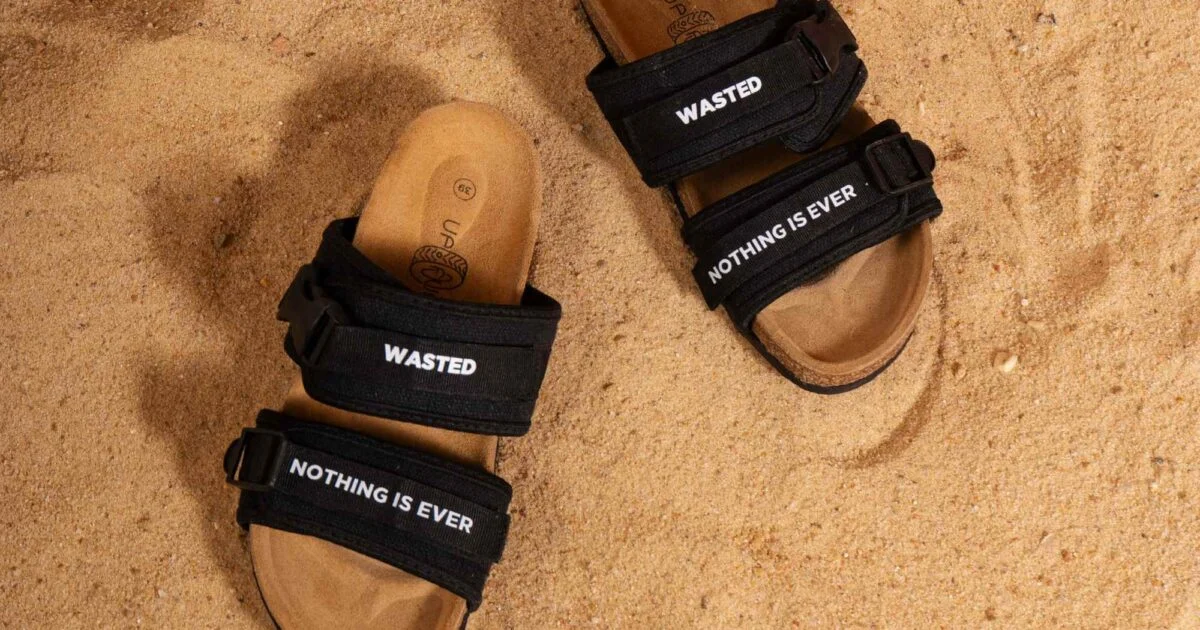
Up-Fuse: This Cairo-based social enterprise offers a truly unique and impactful approach to sustainable footwear. Operating under the powerful belief that "one’s trash is another’s fabric," Up-Fuse specializes in upcycling and repurposing waste materials into distinctive products. Their sandals, reminiscent of the comfort-forward Birkenstock style, are crafted from materials that would otherwise contribute to landfill pollution, such as recycled plastic bags and other discarded plastics. Beyond its impressive environmental credentials, Up-Fuse boasts a profound social mission. The brand actively collaborates with Syrian, Ethiopian, and Sudanese female refugees in Egypt, providing them with meaningful employment, fair wages, and skills training. This initiative not only empowers vulnerable communities but also integrates a strong social justice component into every product, making each purchase a contribution to both environmental and humanitarian causes. See the rating. Shop Up-Fuse.
-
Spell: An Australian fashion brand that draws inspiration from global travels, vintage aesthetics, and nostalgic childhood memories, Spell is dedicated to producing its vibrant collections responsibly. While known for its bohemian-inspired apparel, Spell also offers footwear that aligns with its ethical mission. The brand proudly designs and samples its clothing in Byron Bay, Australia, and ensures that its production takes place in factories globally that adhere to its responsible manufacturing guidelines. Spell focuses on using lower-impact materials, including certified organic cotton, recycled fibers, and Tencel, wherever possible. They also emphasize transparency in their supply chain, working to build long-term relationships with their suppliers and ensuring fair labor conditions for the workers involved in their production. Most garments are available in sizes 2XS-2XL. See the rating. Shop Spell.
-
Vesica Piscis: As a vegan footwear brand based in Spain, Vesica Piscis exemplifies a holistic approach to sustainable production. Their commitment begins with material selection, utilizing a high proportion of innovative lower-impact materials such as recycled PET from plastic bottles, organic cotton, and advanced plant-based leathers derived from apple and grape waste. A cornerstone of their sustainability strategy is their made-to-order production model. By crafting shoes only upon customer request, Vesica Piscis dramatically reduces material waste and avoids the accumulation of unsold inventory, a common problem in the fashion industry. Furthermore, the brand powers its manufacturing facilities with renewable energy, significantly lowering its carbon footprint. Their dedication to ethical practices extends to ensuring fair wages and safe working conditions within their local production facilities. Find most shoes in sizes 36-46. See the rating. Shop Vesica Piscis.
-
Agazi: This Polish vegan footwear brand offers a diverse range of shoes, including sneakers, heels, flats, and sandals, all meticulously crafted without any animal-derived materials. Agazi is at the forefront of material innovation, incorporating natural and plant-based alternatives such as hemp and sophisticated apple skin and grape-based leathers into its designs. These materials not only reduce reliance on animal products but also often boast lower environmental impacts compared to traditional leather. The brand’s commitment to ethical production is reflected in its manufacturing practices, which adhere to European labor standards, ensuring fair treatment and safe conditions for its workers. Agazi proves that stylish, comfortable, and durable footwear can be achieved through entirely vegan and sustainably conscious means, offering a guilt-free option for those seeking Birkenstock-esque comfort. See the rating. Shop Agazi.
The Path Forward: A Call for Greater Transparency and Responsibility
The evolving narrative around Birkenstock and the rise of ethical alternatives underscore a fundamental shift in the fashion industry. Consumers are no longer content with merely stylish or comfortable products; they demand transparency, accountability, and genuine commitment to sustainability from the brands they support. The "Not Good Enough" rating for a globally recognized brand like Birkenstock serves as a powerful reminder that even established giants must continually adapt and improve their practices to meet these evolving expectations.
The future of footwear, and indeed fashion as a whole, lies in embracing a holistic approach to sustainability—one that considers the entire lifecycle of a product, from raw material sourcing and manufacturing processes to labor conditions and end-of-life solutions. The brands highlighted here demonstrate that it is possible to create desirable, high-quality footwear while upholding stringent ethical and environmental standards. Ultimately, the power rests with informed consumers to drive this change, choosing to invest in brands that align with their values and, in doing so, contributing to a more responsible and sustainable fashion ecosystem. As always, the most impactful choice remains utilizing existing garments and footwear to their fullest potential, embracing second-hand options, and making new purchases only when truly necessary.