









Danish fashion conglomerate Bestseller has announced the strategic closure of its premium menswear brand, Annarr, effective immediately. The decision, first revealed by Drapers, comes just three years after the brand’s ambitious launch into the competitive high-end segment, signalling a significant recalibration within Bestseller’s extensive portfolio. The move underscores the inherent challenges faced by even well-capitalised fashion groups in nurturing new ventures within increasingly volatile and saturated market conditions.
A Strategic Portfolio Adjustment Amidst Market Pressures
The shuttering of Annarr represents a considered, albeit difficult, decision for Bestseller, one of Europe’s largest fashion companies with a multi-billion euro turnover and a presence in over 70 countries. While specific financial details pertaining to Annarr’s performance remain undisclosed, industry observers suggest that the brand likely struggled to achieve the desired market penetration and profitability targets within its relatively short lifespan. This strategic pivot allows Bestseller to streamline its operations, reallocate resources, and concentrate on its more established and consistently performing brands, which include global household names such as Jack & Jones, Vero Moda, Only, and Selected Homme.
The closure of Annarr aligns with a broader industry trend where even major players are increasingly scrutinizing brand portfolios, prioritising efficiency and resilience in the face of economic headwinds, shifting consumer behaviours, and intense competition. The fashion landscape post-2020 has been marked by a significant acceleration of digital transformation, a heightened focus on sustainability, and a bifurcation of consumer spending, with luxury and value segments often outperforming the mid-market. Premium brands, especially new entrants, must navigate a complex environment demanding not only exceptional product but also compelling brand storytelling, robust digital engagement, and a clear, differentiated value proposition.
Annarr’s Brief Journey: Ambition Meets Market Reality
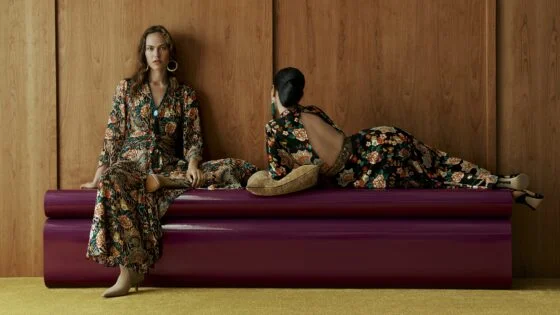
Annarr was launched by Bestseller in mid-2023, positioned as a premium menswear offering designed to cater to a discerning customer base seeking sophisticated, high-quality garments. The brand’s aesthetic was reportedly minimalist yet refined, focusing on elevated basics, contemporary tailoring, and carefully selected materials. Its initial collections aimed to bridge the gap between contemporary fashion and timeless elegance, often featuring muted colour palettes and versatile designs suitable for both professional and casual settings.
The vision behind Annarr was to tap into the growing appetite for elevated menswear, a segment that had seen steady growth prior to the pandemic. Bestseller, with its vast experience in manufacturing, logistics, and retail distribution, aimed to leverage its corporate infrastructure to provide Annarr with a solid foundation. The brand was expected to benefit from Bestseller’s global supply chain efficiencies and its extensive retail network, which includes thousands of owned and franchised stores, as well as a robust online presence. Despite this formidable backing, the brand faced the arduous task of establishing a distinct identity and building customer loyalty from scratch in a crowded market.
The brand’s initial rollout likely included a combination of direct-to-consumer sales via its own e-commerce platform and partnerships with select high-end boutiques and department stores. Marketing efforts would have focused on digital channels, influencer collaborations, and fashion editorials to cultivate an image of understated luxury and appeal to its target demographic of modern, style-conscious men. However, the path from launch to sustained profitability in the premium segment is notoriously challenging, often requiring significant, long-term investment in brand building, design innovation, and customer acquisition.
The Challenging Landscape of Premium Menswear
The decision to close Annarr after just three years points to the significant hurdles new premium menswear brands face. The global menswear market, while substantial, is highly fragmented. According to recent market analysis reports, the global menswear market size was valued at approximately $520 billion in 2023 and is projected to grow, albeit with varying rates across different segments. The premium and luxury segments, while resilient, demand high entry barriers.
Key challenges include:
- Intense Competition: The premium menswear space is dominated by established luxury houses (e.g., LVMH, Kering brands), heritage brands (e.g., Hugo Boss, Ralph Lauren), and a burgeoning number of direct-to-consumer (DTC) brands that often boast agile business models and strong niche appeal. For a new brand like Annarr, cutting through this noise requires immense differentiation and marketing spend.
- Evolving Consumer Preferences: Post-pandemic, there has been a noticeable shift towards comfort, versatility, and conscious consumption. While demand for quality remains, the traditional lines between formalwear, smart casual, and athleisure have blurred. Brands that fail to adapt quickly to these evolving tastes risk losing relevance.
- Economic Volatility: Inflationary pressures, rising interest rates, and geopolitical uncertainties have impacted discretionary spending, particularly on non-essential premium goods. Consumers are becoming more selective, often opting for investment pieces from trusted brands or more budget-friendly alternatives.
- Supply Chain and Production Costs: The cost of sourcing high-quality materials, manufacturing in ethical facilities, and navigating complex global supply chains has steadily increased. These rising costs can erode profit margins, especially for brands that are yet to achieve economies of scale.
- Brand Identity and Storytelling: In the premium market, a strong brand narrative and unique identity are paramount. Simply offering "good quality" is often insufficient. Brands must forge an emotional connection with consumers, communicating their values, craftsmanship, and vision effectively.
Bestseller’s Business Philosophy and Diversification
Bestseller, founded in 1975 by Troels Holch Povlsen, has historically pursued a strategy of broad market penetration through a diverse portfolio of brands catering to various demographics and price points. Its success has been built on efficient supply chain management, strong retail partnerships, and a keen understanding of mass-market trends. The company’s strategy has often involved identifying market gaps and launching new brands to fill them, or acquiring promising smaller entities.
The launch of Annarr represented an attempt to expand Bestseller’s footprint into a higher-tier segment than many of its core brands typically occupy. While brands like Selected Homme offer more refined options, Annarr was positioned to be distinctively premium. This diversification strategy is common among large fashion groups, allowing them to mitigate risks by not relying on a single market segment and to capture a wider share of consumer spending. However, the failure of Annarr demonstrates that even with significant corporate backing, success in a highly specialized, premium niche is not guaranteed. It requires a different operational and marketing approach than managing high-volume, trend-driven brands.
Industry Reactions and Employee Impact
While Bestseller has yet to issue a detailed public statement regarding the closure, sources close to the company indicate that the decision was a difficult one, made after extensive internal reviews of Annarr’s commercial viability and strategic alignment. The focus for Bestseller now shifts to managing the transition smoothly, particularly concerning the employees affected by the closure.
It is understood that Bestseller is actively working to redeploy as many Annarr team members as possible across its vast network of other brands. For those positions that cannot be absorbed internally, the company is expected to provide comprehensive support, including severance packages, career counselling, and outplacement services, consistent with its corporate responsibility policies. The impact is likely to be felt across various departments, including design, product development, marketing, sales, and operations teams dedicated to Annarr.
Industry analysts, such as Dr. Anya Sharma, a retail strategy consultant, commented, "The closure of Annarr by Bestseller highlights the brutal realities of the premium fashion market. Even established giants struggle to launch new brands in segments where brand heritage, unique design codes, and deep pockets for sustained marketing are critical. It’s a testament to Bestseller’s pragmatism that they are willing to cut losses and reallocate resources to proven performers rather than prolonging an unprofitable venture." This perspective underscores the financial discipline often required in large-scale retail operations.
Broader Implications for the Fashion Sector
The discontinuation of Annarr offers several broader implications for the fashion industry:
- Consolidation and Focus: The move suggests a potential era of increased consolidation and a renewed focus on core competencies for large fashion groups. Instead of chasing every niche, companies may choose to invest more heavily in their flagship brands and most profitable segments.
- Challenges for New Entrants: For aspiring premium brands, the story of Annarr serves as a cautionary tale. It reinforces the need for exceptional differentiation, a robust business model, and a clear path to profitability from the outset, even with substantial financial backing.
- Importance of Agility: The rapid shifts in consumer behaviour and economic conditions demand unparalleled agility from fashion businesses. Brands that can quickly adapt their product offerings, marketing strategies, and supply chains are more likely to thrive.
- The Power of Established Brands: The incident indirectly reinforces the enduring power of established brands, which benefit from decades of brand equity, customer loyalty, and economies of scale. New brands must work significantly harder to earn their place.
Looking Ahead: Bestseller’s Future Trajectory
For Bestseller, the closure of Annarr, while marking the end of one venture, is unlikely to deter its overall growth trajectory. The company has a proven track record of adapting to market changes and maintaining a dominant position in various fashion segments. This decision allows Bestseller to redirect its focus and investment into areas with stronger growth potential or where it already holds a competitive advantage.
It is plausible that Bestseller will continue to explore opportunities for diversification, perhaps through acquisitions of existing, proven brands rather than organic launches, or by further strengthening its successful existing brands like Selected Homme within the premium-casual space. The company remains a formidable force in the global fashion retail landscape, and this strategic adjustment is more indicative of careful portfolio management than any fundamental weakness in its broader business model. The fashion world will be watching to see how Bestseller leverages the lessons learned from Annarr as it continues to navigate the ever-evolving dynamics of global retail.