









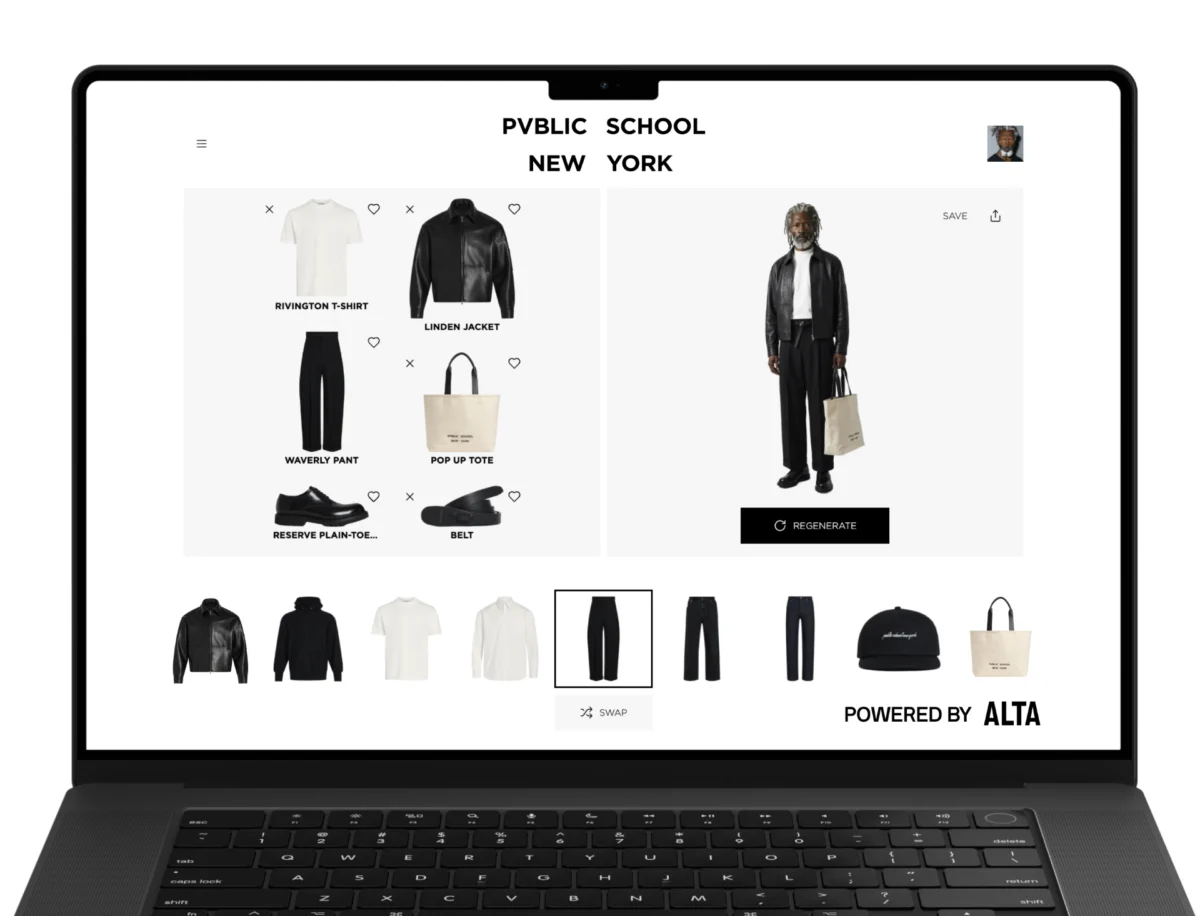
The intersection of generative artificial intelligence and the global fashion industry has reached a pivotal milestone as Alta, a pioneer in virtual styling technology, expands its footprint within the luxury and contemporary retail sectors. Founded by Jenny Wang, the company recently garnered significant industry attention during New York Fashion Week (NYFW) by demonstrating the practical application of its "Clueless"-inspired fashion technology. Following an $11 million funding round led by Menlo Ventures, Alta has transitioned from a conceptual digital closet into a robust platform that integrates personal avatars with e-commerce, aiming to redefine the consumer shopping journey through what Wang describes as the "personal identity layer" of agentic commerce.
The Genesis of Alta and the Pursuit of the Digital Closet
The vision for Alta is rooted in a cultural touchstone from the 1995 film Clueless, in which the protagonist, Cher Horowitz, utilizes a computer-based interface to catalog her wardrobe and coordinate outfits. While the film’s depiction of fashion technology was purely aspirational at the time, the rapid advancement of computer vision and generative AI has enabled Alta to bring this functionality to a mainstream audience. The platform allows users to create a digital version of their physical closet, offering a centralized space where they can experiment with styling and plan outfits using their own virtual avatars.
Last year, the company successfully closed an $11 million investment round, signaling strong institutional and celebrity confidence in its business model. Menlo Ventures led the round, which featured participation from a diverse group of high-profile investors, including supermodels Karlie Kloss and Jasmine Tookes, as well as Jenny Fleiss, the co-founder of Rent the Runway. Notably, the round also included the Anthology Fund, the venture arm of the AI safety and research company Anthropic. This diverse backing underscores Alta’s dual identity as both a lifestyle fashion application and a sophisticated AI enterprise.
Market Traction and Technological Performance
Since its official launch in 2023, Alta has demonstrated significant market resonance. The app has been recognized as a top innovation by prestigious publications such as Time and Vogue. According to Jenny Wang, the platform’s engagement metrics are substantial, with more than 100 million outfits generated by users since the app’s debut. This high volume of user-generated content provides Alta with a unique dataset regarding consumer styling preferences and wardrobe compositions.
Technologically, Alta distinguishes itself from existing retail solutions through its speed and capacity for complex layering. While major global retailers like Zara and luxury houses like Balmain have experimented with digital avatars, these implementations often face limitations in rendering speed and the number of simultaneous garments a virtual model can wear. Wang noted that while traditional systems may take several minutes to process a four-item outfit, Alta’s technology allows users to try on at least eight items within seconds. This efficiency is critical for maintaining consumer engagement in a fast-paced digital environment where latency directly correlates with drop-off rates.
Integration with Public School New York: A Strategic Case Study
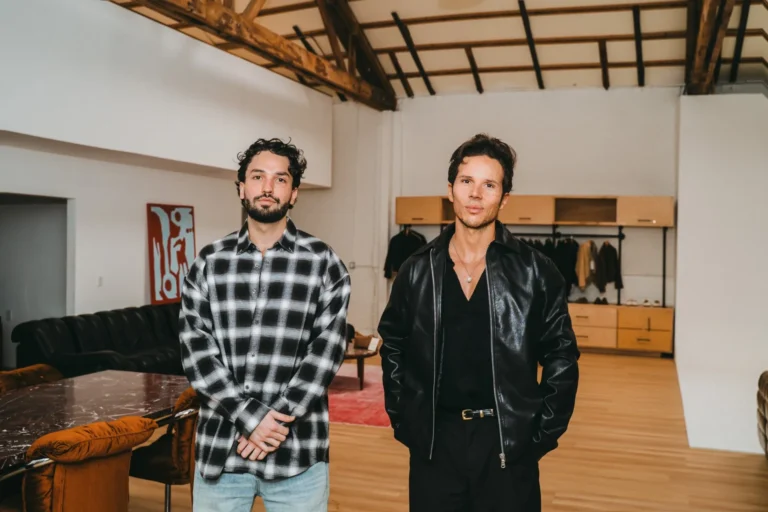
A central highlight of Alta’s recent expansion is its first direct integration collaboration with Public School New York (PSNY). The storied New York City brand, led by designers Dao-Yi Chow and Maxwell Osborne, chose NYFW to mark its return from a multi-year hiatus. The partnership with Alta serves as a cornerstone of PSNY’s digital strategy, allowing the brand to re-engage with its audience through a modern, tech-forward lens.
The integration manifests as a "Style with Alta" feature embedded directly on the Public School product pages. When shoppers view a specific item, such as the Linden Jacket, they can click the Alta icon to be redirected to an environment where they can style the piece on their personalized avatar. This functionality bridge allows consumers to see how new purchases will interact with their existing wardrobe or other items from the PSNY collection.
The collaboration was facilitated through a shared connection with the founder of Poshmark, who serves as an angel investor in both Alta and Public School. Dao-Yi Chow, who was already a user of the Alta app, expressed that the partnership was a logical step in the brand’s evolution. "We have to look at tech as a partner in the business today," Chow stated. He emphasized that the goal was not to use AI as a primary design tool, but rather as an experiential medium to extend the brand’s storytelling and allow consumers to interact with the collection remotely.

Strategic Partnerships and the Role of the CFDA
Beyond its work with individual brands, Alta has secured high-level institutional partnerships that solidify its position within the fashion ecosystem. The company has collaborated with Poshmark, the leading social marketplace for new and secondhand fashion, and the Council of Fashion Designers of America (CFDA). These partnerships suggest a multi-pronged approach to growth: tapping into the resale market through Poshmark and influencing the design and retail standards of the American fashion industry through the CFDA.
The partnership with the CFDA is particularly significant, as it provides Alta with a platform to advocate for the adoption of virtual try-on technology among emerging and established designers. By providing a standardized avatar solution, Alta aims to lower the barrier to entry for brands that lack the internal resources to develop their own proprietary AI styling tools.
The Shift Toward Agentic Commerce
Jenny Wang’s long-term vision for Alta extends beyond simple outfit planning; she views the platform as a foundational data layer for "agentic commerce." In the context of AI, agentic commerce refers to a system where autonomous agents can make informed purchasing decisions or recommendations on behalf of a user based on a deep understanding of their preferences, physical measurements, and existing assets.
"For agentic commerce to truly work, we need a data layer that understands the shopper’s style preferences, such as their closet, past purchases, and their avatar, likeness, and body, which is Alta," Wang explained. By centralizing this data, Alta positions itself as a necessary intermediary in the future of retail. Instead of a consumer starting their shopping journey from scratch on every website, their Alta avatar—carrying their specific body data and wardrobe history—could theoretically follow them across the internet, providing a consistent and personalized experience on any integrated brand site.
Comparative Analysis: Competitive Landscape and Challenges
The virtual try-on (VTO) and digital wardrobe space is becoming increasingly crowded as retailers seek to reduce return rates—a major cost center for e-commerce. Traditional solutions have often relied on Augmented Reality (AR) overlays, which can be visually inconsistent. Alta’s approach of using a personalized digital avatar offers a more stable environment for garment rendering.
However, the company faces competition from both large-scale tech giants and niche startups. Amazon and Google have both introduced AI-powered styling and try-on features within their respective ecosystems. Furthermore, specialized VTO startups are vying for the same brand integrations. Alta’s competitive advantage currently lies in its "closet-first" approach. While other platforms focus solely on the point of sale, Alta encourages daily engagement through its consumer-facing app, building a comprehensive record of what the user already owns.
Broader Implications for the Fashion Industry
The rise of platforms like Alta carries significant implications for sustainability and consumer behavior. One of the primary drivers of carbon emissions in the fashion industry is the high rate of returns associated with online shopping, often caused by poor fit or styling misalignment. By allowing consumers to "test" a garment virtually against their current wardrobe before purchasing, Alta could contribute to a reduction in impulse buys and subsequent returns.
Furthermore, the data collected by Alta offers brands unprecedented insights into how their pieces are being styled in the real world. This information can inform future design cycles and inventory management, moving the industry toward a more demand-driven model.
As Alta continues to integrate its technology into more brand websites, the distinction between a personal styling app and a retail infrastructure tool will continue to blur. The company’s success at New York Fashion Week suggests that the fashion establishment is increasingly ready to embrace AI as a permanent fixture in the luxury and contemporary markets. For Jenny Wang and Alta, the goal remains to transform the "Clueless" fantasy into a ubiquitous utility that serves as the digital backbone of the modern consumer’s wardrobe.