





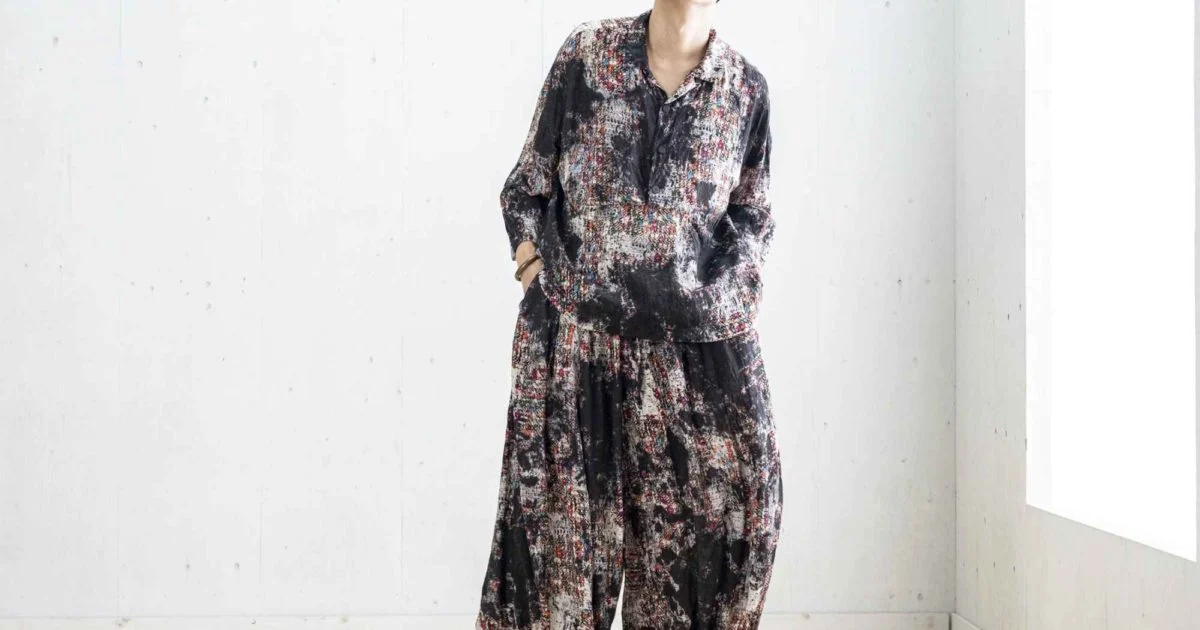
Japan, a nation globally celebrated for its profound design philosophy, meticulous craftsmanship, and forward-thinking innovation, is rapidly solidifying its position as a vanguard in the burgeoning field of sustainable fashion and beauty. With a rich history steeped in traditions that inherently prioritize longevity, resourcefulness, and respect for nature, Japanese designers and brands are uniquely positioned to lead the charge towards a more ethical and environmentally responsible industry. This comprehensive analysis delves into the landscape of Japan’s top-rated sustainable brands, exploring their methodologies, cultural roots, and the rigorous criteria defining genuine commitment to ecological and social welfare.
The Global Imperative for Sustainable Fashion
The global fashion industry, valued at trillions of dollars, is also one of the planet’s most polluting sectors. It is estimated that the industry accounts for approximately 10% of global carbon emissions and 20% of global wastewater, generating an overwhelming amount of textile waste annually—approximately 92 million tons, much of which ends up in landfills. This stark reality underscores an urgent need for systemic change, prompting consumers and industry stakeholders alike to seek out alternatives that minimize environmental harm and ensure social equity. In this critical juncture, the principles of sustainability, circularity, and ethical production are transitioning from niche ideals to fundamental requirements for responsible commerce.
Japan’s cultural ethos, encapsulated by concepts such as mottainai (a sense of regret concerning waste) and wabi-sabi (finding beauty in imperfection and transience), provides a fertile ground for sustainable practices. These philosophies encourage appreciation for an item’s lifecycle, promoting repair, reuse, and an inherent understanding of materials and their origins. This deep-seated respect for resources and craftsmanship is now being translated into modern business models, offering compelling solutions to contemporary environmental challenges.
Defining "Better Brands": The Good On You Methodology
To navigate the complex world of sustainable claims, independent rating systems play a pivotal role in providing transparency and accountability. Good On You, a leading global authority, assesses brands based on their policies and actions across three core sustainability pillars: people, planet, and animals. This robust framework considers over 100 key issues, offering consumers an accessible and reliable benchmark for informed purchasing decisions.
- People: This pillar scrutinizes a brand’s commitment to social justice throughout its supply chain. Key indicators include evidence of fair treatment for workers, adherence to international labor standards, and robust policies against child labor and forced labor. Crucially, it assesses worker safety protocols, the right to join unions, and the provision of a living wage – a wage sufficient to cover basic needs and provide discretionary income, a standard often unmet in conventional garment manufacturing.
- Planet: The environmental impact of production is a central focus. Good On You evaluates resource and energy management, including efforts to reduce carbon emissions, manage water usage responsibly, and ensure the safe use and disposal of chemicals. Brands are assessed on their adoption of lower-impact materials, waste reduction strategies, and commitment to circular economy principles. For instance, the transition from conventional, chemical-intensive dyeing techniques to natural, low-impact solutions is a significant positive factor.
- Animals: This pillar examines a brand’s impact on animal welfare. It analyzes the use of animal products such as wool, leather, fur, angora, down feather, shearling, karakul, and exotic animal skin and hair. Brands that demonstrate a commitment to cruelty-free practices, ideally those that are 100% vegan, receive higher ratings. Transparency in sourcing and certifications from animal welfare organizations are also considered.
Each brand is assigned an overall rating, providing a snapshot of its performance across these multifaceted criteria. This comprehensive approach empowers consumers to support brands actively striving for a positive impact in every facet of their operations.
Japan’s Heritage: Craftsmanship as a Foundation for Sustainability
Many Japanese sustainable fashion brands draw directly from the nation’s rich tapestry of textile crafts, which are inherently more sustainable than many mass production techniques. These traditions emphasize durability, repair, and minimal waste, embodying a circular mindset centuries before the term became mainstream.
- Sashiko: Meaning "little stabs," sashiko is a traditional Japanese embroidery technique used to reinforce points of wear or to repair worn areas with patches, making the piece stronger and warmer. Beyond its practical utility, sashiko adds intricate decorative patterns, transforming necessity into art. This practice extends the life of garments significantly, counteracting the disposable nature of fast fashion.
- Boro: Translating to "rags" or "tattered," boro textiles are characterized by repeatedly patched and mended cotton fabrics, often indigo-dyed. These garments, passed down through generations, tell stories of wear, repair, and adaptation, symbolizing resourcefulness and resilience. Boro exemplifies extreme longevity and zero-waste, as every scrap of fabric is valued and utilized.
- Hand-Dyeing: Traditional Japanese hand-dyeing techniques, particularly indigo dyeing (Aizome), utilize natural pigments and often less water and fewer harsh chemicals compared to industrial synthetic dyeing processes. The slow, artisanal nature of hand-dyeing also imbues fabrics with unique character and depth of color, making each piece distinct and cherished.
These crafts are not merely historical relics but living traditions that form the backbone of several ethical Japanese brands, showcasing how cultural heritage can inform and inspire modern sustainable design.
Innovators Paving the Way: Beyond Tradition
While deeply rooted in tradition, Japanese sustainable brands are also at the forefront of material and technological innovation. Two notable examples illustrate this forward-thinking approach:
- PLASTICITY: This brand tackles the pervasive issue of plastic waste by repurposing millions of discarded umbrellas each year. In Japan, umbrellas are often single-use items, contributing significantly to landfill waste. PLASTICITY transforms these non-biodegradable materials into durable and stylish accessories like bags and wallets. This ingenious upcycling not only diverts waste but also creates unique, long-lasting products, demonstrating a powerful circular economy model. The brand’s local manufacturing in Japan further reduces its carbon footprint, complemented by an active umbrella recycling program.
- BRING: As its name suggests, BRING is dedicated to circularity, particularly within the realm of synthetic fibers. The brand has developed its proprietary polyester recycling technology, allowing it to collect used polyester garments and convert them back into new, high-quality polyester fibers. This closed-loop system dramatically reduces reliance on virgin fossil fuel-based polyester, a major environmental concern. BRING champions the use of lower-impact and recycled materials across its range of understated basics, with the final stages of production taking place in Japan, further minimizing shipping emissions.
These brands exemplify the dual approach of Japanese sustainability: honoring ancient wisdom while embracing cutting-edge solutions to systemic problems.
Spotlight on Japan’s Leading Sustainable Fashion Brands
Here is a detailed look at some of Japan’s most highly-rated sustainable fashion brands, each contributing uniquely to a more responsible industry:
- 9-jour: This Japanese denim brand specializes in vividly colored jeans. Their commitment to sustainability is evident in their exclusive use of selvedge denim, renowned for its superior quality and durability, and natural dyeing processes that employ low-impact solutions. By manufacturing products locally and to order, 9-jour significantly reduces energy consumption and material waste, contrasting sharply with conventional fashion supply chains. Available in waists 69-90cm.
- Malion Vintage: Based in Japan, Malion Vintage masterfully reworks vintage and antique items into beautiful new garments. They breathe new life into diverse materials, from neckties and tablecloths to tweed jackets, fisherman’s sweaters, and deadstock shirts. This practice of upcycling not only reduces textile waste but also imbues each piece with unique character and a rich history. All manufacturing occurs locally, ensuring ethical oversight and reduced transportation impacts. Sizing varies.
- Koraru: Named after the Japanese pronunciation of "coral," Koraru is a Tokyo-based swimwear brand deeply inspired by circularity. They prioritize lower-impact materials for their collections and operate a dedicated recycling program for their products. By partially tracing their supply chain, Koraru demonstrates a commitment to transparency and responsible sourcing in a sector often criticized for its environmental footprint. Available in sizes XS-XXL.
- Itoshiro Yohinten: This brand reinterprets traditional Japanese clothing, drawing profound wisdom from the founders’ grandparents and their native Itoshiro region. Itoshiro Yohinten uses lower-impact materials and dyes, coupled with ingenious lower-waste cutting techniques that minimize fabric scraps. Their designs blend heritage with modern sensibilities, creating timeless pieces that honor cultural practices and environmental responsibility. Available in sizes 1-4.
- amaud: A luxury Japanese brand, amaud gives vintage kimonos a second life by transforming them into contemporary styles. This innovative approach preserves the exquisite beauty of these historic fabrics, allowing them to be appreciated in a new context. The brand utilizes lower-impact materials, and all pieces are meticulously made in-house by the brand’s owner, ensuring quality, ethical production, and minimal environmental impact. Sizes vary.
- ENSULO: Designed for relaxation and post-training rest, ENSULO is a Japanese brand that seamlessly integrates traditional Japanese techniques with modern comfort. They primarily use lower-impact materials, creating garments that are gentle on both the skin and the planet. Their focus on thoughtful design and sustainable material choices reflects a holistic approach to well-being and environmental care.
- TERAS: Showcasing Japan’s exquisite handcrafts, sashiko and boro, TERAS is deeply rooted in its regional identity. The brand manufactures locally and is committed to social responsibility, employing workers from disadvantaged backgrounds. TERAS uses lower-impact materials and actively reuses offcuts, transforming textile waste into valuable components of new designs. This commitment to both people and planet makes TERAS a standout example of ethical craftsmanship. Available in sizes S-XL.
- KAPOK KNOT: Founded by Kisho Fukai, whose family boasts a long history in textile production, KAPOK KNOT specializes in outerwear and homeware. The brand innovates by using kapok down, a sustainable, plant-based alternative to animal-derived down, which offers excellent insulation properties without the ethical concerns associated with traditional down. KAPOK KNOT manufactures locally in Japan and traces most of its supply chain, ensuring transparency and reducing environmental impact. Available in sizes S-L.
- KasuRekids: Addressing the unique challenges of children’s fashion, KasuRekids roots its designs in Japanese tradition, utilizing locally made materials and lower-waste cutting methods. Beyond production, the brand tackles clothing waste by collecting pre-loved kids’ clothes for resale and offering items for rent, providing a pragmatic solution to garments quickly outgrown by children. This rental model significantly extends product lifecycles and reduces environmental strain. Available in sizes 90-140.
- CLOUDY: A Japanese brand offering adults’ and kids’ clothes and accessories, CLOUDY boasts a unique connection with Ghana. The brand actively employs women and workers with disabilities in its sewing workshop in Ghana, simultaneously contributing to education programs in the region. CLOUDY integrates some lower-impact materials into its production, exemplifying a strong commitment to both social equity and environmental responsibility. Available in sizes S-XXL.
- PRISTINE: This Japanese brand is renowned for its wide range of clothing and home goods, with a particular focus on organic cotton knitwear. PRISTINE’s dedication to organic materials ensures that their products are free from harmful pesticides and chemicals, promoting healthier ecosystems and safer working conditions for farmers. Their emphasis on natural fibers and quality construction supports longevity and conscious consumption. Find the clothing range in one size option.
- KUME: With a heritage dating back to the 1950s, KUME is celebrated for its casual clothing, particularly its iconic colored crew neck T-shirts. The brand manufactures its products in Japan, utilizing some lower-impact materials. KUME’s long-standing commitment to local production and classic, durable designs fosters a sense of timelessness and resistance to fleeting trends.
- 10YC: Founded on the mission to create clothes designed to last a decade, 10YC prioritizes durability and timelessness. The brand manufactures its products close to home in Japan, significantly reducing shipping emissions. By using lower-impact materials and offering a resale program, 10YC actively encourages a circular approach to fashion, ensuring garments have extended lifespans and multiple owners.
Emerging Trends in Japanese Sustainable Beauty
While the detailed brand spotlights in this roundup primarily focus on fashion, it is important to acknowledge the parallel growth of the sustainable beauty sector in Japan. Japanese beauty, or J-Beauty, has long been revered for its emphasis on natural ingredients, meticulous rituals, and scientific innovation. This foundation is now being adapted to meet global sustainability standards, with a growing number of Japanese brands focusing on:
- Clean Ingredients: Prioritizing natural, organic, and ethically sourced ingredients, free from harmful chemicals.
- Sustainable Packaging: Shifting towards refillable systems, biodegradable materials, and recycled content to reduce plastic waste.
- Cruelty-Free Practices: Increasing adoption of vegan and animal-friendly formulations and testing methods.
- Water Conservation: Developing waterless products or formulas that minimize water usage in production and consumption.
As consumer demand for ethical beauty products continues to rise, Japanese brands are poised to become significant players in this evolving landscape, leveraging their reputation for quality and innovation.
The Broader Impact: Japan’s Role in the Global Movement
The collective efforts of these Japanese brands signify more than just individual successes; they represent a significant cultural and industrial shift. By blending ancient craftsmanship with modern innovation and adhering to stringent sustainability benchmarks, Japan is demonstrating a viable pathway for the global fashion and beauty industries to become more responsible.
The implications are far-reaching:
- Inspiring Global Standards: Japan’s commitment to local production, unique recycling technologies, and the valorization of traditional crafts can serve as a model for other nations and industries.
- Educating Consumers: The transparency offered by rating systems like Good On You, combined with the clear narratives of sustainable brands, helps to raise consumer awareness and drive demand for ethical products.
- Economic Resilience: Local manufacturing and the revitalization of traditional crafts contribute to local economies, create skilled jobs, and reduce reliance on complex, often exploitative global supply chains.
- Environmental Stewardship: From diverting waste umbrellas to pioneering polyester recycling and promoting organic materials, these brands are actively mitigating the environmental damage wrought by conventional industry practices.
The journey towards a fully sustainable fashion and beauty industry is ongoing, fraught with challenges such as scaling up artisanal production, ensuring consistent ethical oversight across complex supply chains, and combating greenwashing. However, the dedication and innovation demonstrated by these Japanese brands offer a powerful testament to what is possible when design, tradition, and responsibility converge. As consumers increasingly prioritize values alongside aesthetics, Japan’s sustainable designers are not just creating products; they are crafting a future where fashion and beauty truly flourish in harmony with the planet and its people.